
DR CONGO · ANALYSIS
Key Facts
- —Why it matters Cases have been reported in the Democratic Republic of the Congo and Uganda, and imported cases were confirmed in Kenya on 6 October 2026 and in France.
- —The numbers WHO reported 8,728 confirmed cases and 4,205 deaths as of 6 October 2026, with a crude case-fatality ratio of 48.2 percent.
Official U.S. sources describe the DR Congo Ebola outbreak as the second-largest Ebola outbreak on record. For readers in the United States, the immediate domestic risk remains very low, but new travel restrictions and a widening funding-accountability dispute are reshaping how the world responds to a crisis that no longer respects borders.
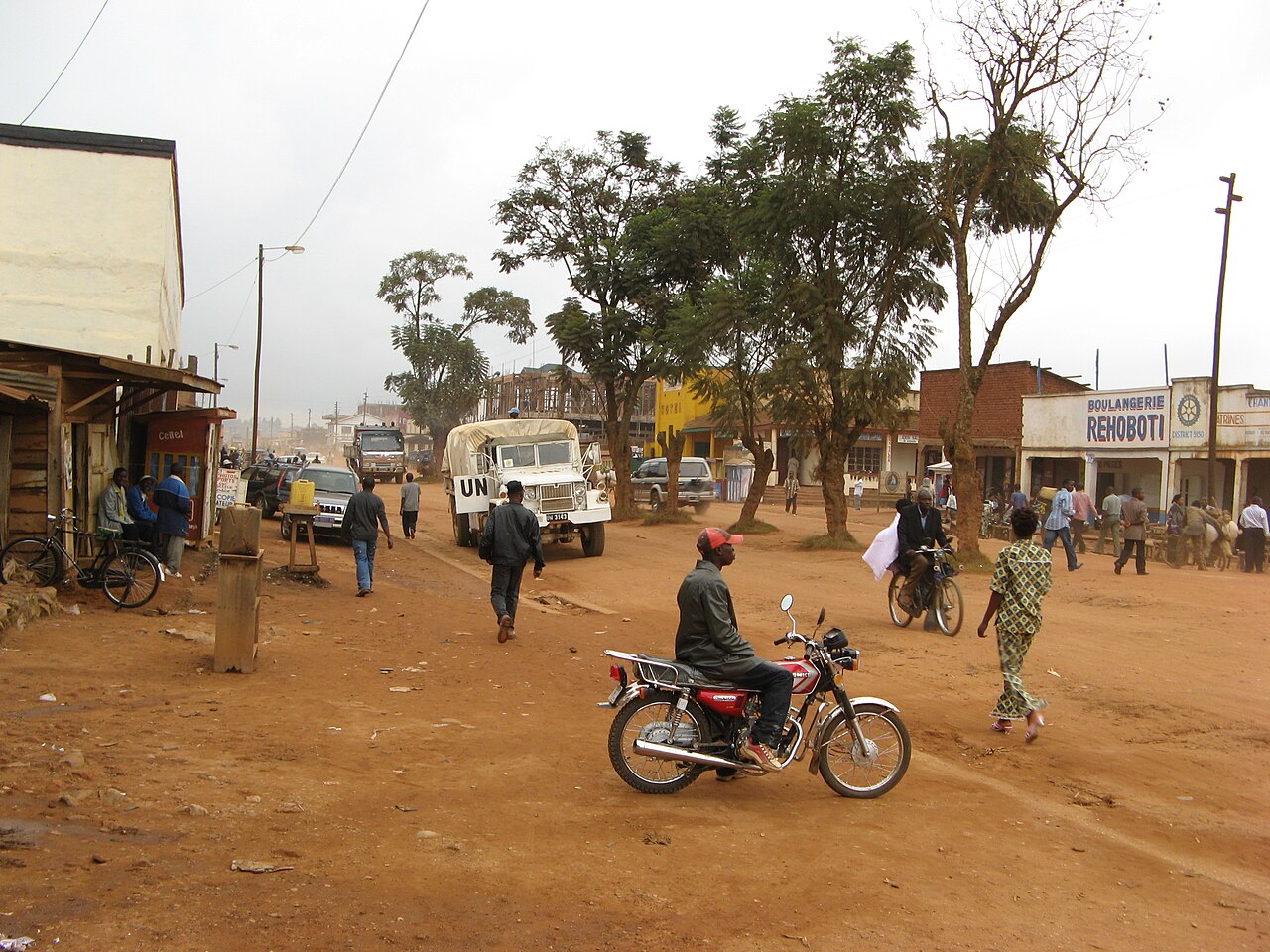
The Democratic Republic of the Congo, a vast Central African nation of more than 100 million people, is now confronting an Ebola epidemic caused by the Bundibugyo virus rather than the more familiar Zaire strain. This analysis explains the outbreak’s scale, how the disease spreads, who is paying for the response and what the restrictions mean for travellers and businesses, drawing on the Africa Intelligence Brief and official health sources.
How the Outbreak Grew Beyond a Cluster
The current epidemic is caused by Bundibugyo virus, one of the Ebola virus species that causes Ebola disease.
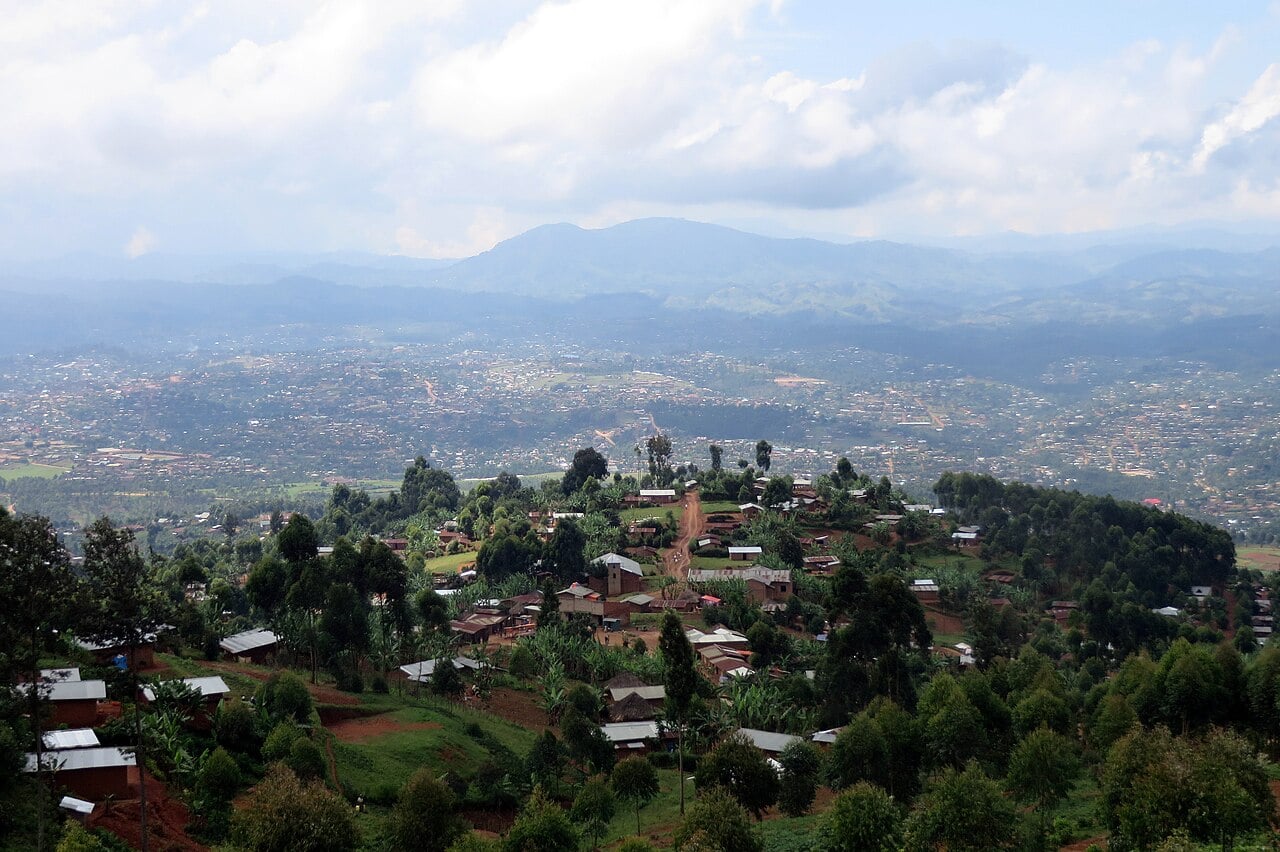
The geographic picture is still shifting.
The outbreak’s international significance increased sharply in October when an imported case was confirmed in Uganda in a traveller from the DRC. Earlier detections linked to Uganda had already shown that the virus could cross borders through routine travel, even before symptoms appeared.
The Numbers That Matter
WHO’s earlier totals, using a 6 October cut-off, showed 8,728 confirmed cases and 4,205 deaths, with a crude case-fatality ratio of 48.2 percent. The difference between the two datasets reflects reporting delays and the speed at which new cases are being confirmed, not a sudden surge in a single week.
The key figures for an October 2026 snapshot are:
- 48.2 percent crude case-fatality ratio as of 6 October 2026, according to WHO.
These numbers should not be treated as a final death toll. Ebola reporting is affected by delayed laboratory confirmation, difficult access in conflict-affected areas, deaths occurring outside treatment centres and incomplete contact tracing. WHO has described the epidemic as heterogeneous, with declines in some Ituri hotspots offset by persistent or renewed transmission elsewhere, especially North Kivu.
How Ebola Spreads and What Vaccines Do
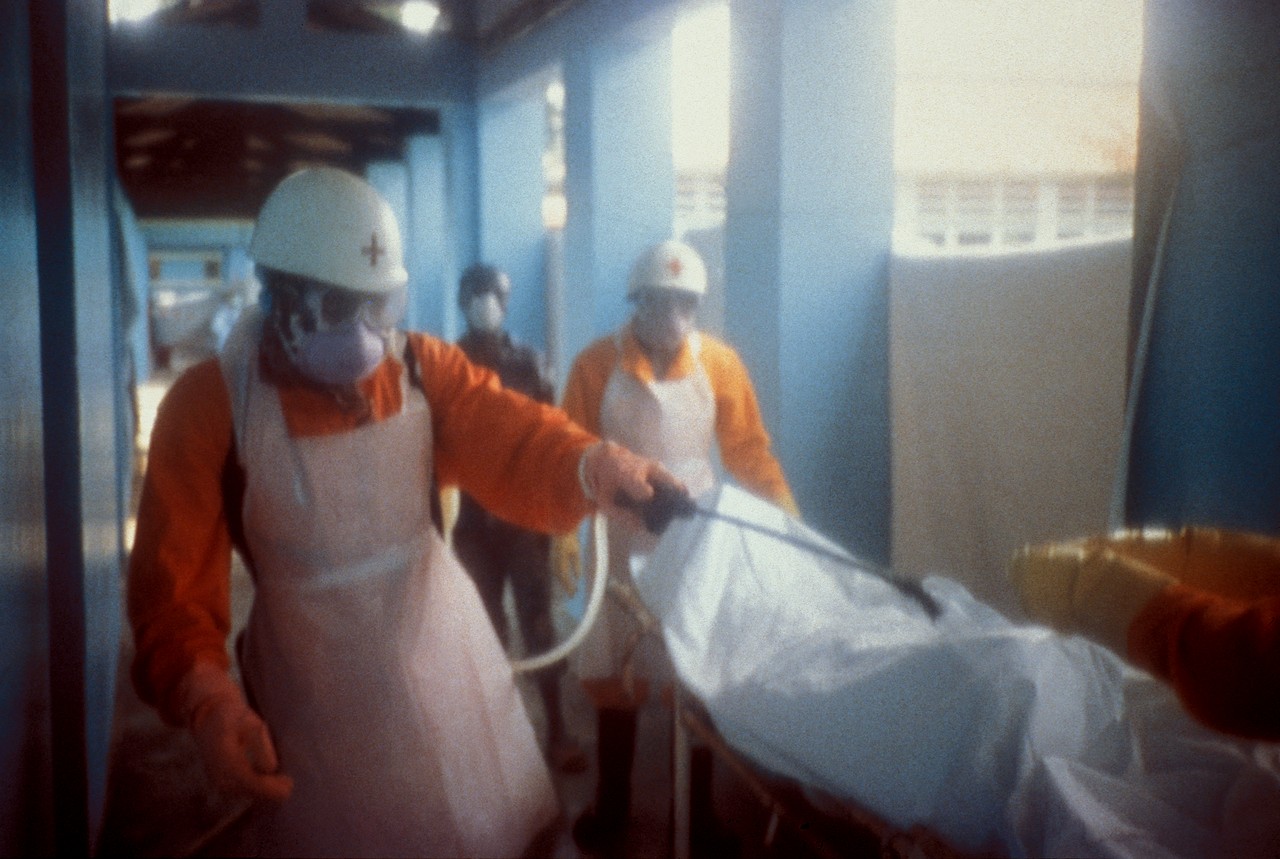
Ebola is transmitted primarily through direct contact with the blood or other bodily fluids of an infected person who is symptomatic, or through contact with contaminated objects and surfaces. Risk rises sharply during caregiving, clinical treatment, funerals and burial practices involving physical contact with the body.
People are generally not considered infectious before symptoms begin. Symptoms can include fever, severe weakness, muscle pain, headache, sore throat, vomiting, diarrhoea, rash and, in some patients, bleeding. Because early symptoms resemble malaria and other common illnesses, delayed diagnosis can allow transmission in households and health facilities.
The virus does not normally spread like measles or influenza through casual airborne exposure. A traveller sitting near an apparently healthy passenger is not facing the same risk as a caregiver handling a patient’s bodily fluids. The practical risks for visitors are contact with symptomatic patients, healthcare settings with inadequate infection-control procedures, unsafe funerals and contact with contaminated medical or household materials.
Vaccination is a central tool for breaking transmission, but it does not make an outbreak disappear immediately. Ebola vaccines are used in two main ways: ring vaccination, which targets confirmed cases’ contacts and contacts of contacts, and preventive vaccination for frontline workers and people in high-risk areas.
A critical caveat applies to this outbreak. Vaccines developed and licensed primarily for Zaire ebolavirus are not automatically equivalent to a vaccine specifically demonstrated against Bundibugyo virus. The response therefore depends on the vaccine products available, regulatory permissions, clinical evidence and WHO and DRC deployment decisions, none of which are fully documented in the public record as of October 2026.
The Funding Dispute and Who Is Paying
The response is being funded through a network of international donors and implementing organisations rather than through a single Congolese government-controlled account. Africa CDC Director-General Dr Jean Kaseya said approximately US$962 million had been disbursed by international donors to organisations carrying out Ebola-response activities in eastern Congo.
However, only about US$200 million had been accounted for in the information available to the Africa CDC. The organisations involved include UN agencies such as the World Health Organization, UNICEF and the World Food Programme, as well as international and local nongovernmental organisations including Save the Children and Médecins du Monde.
The accounting dispute is not necessarily proof that US$700 million was stolen. The reported gap is a discrepancy between money that donors say was disbursed to implementing organisations and financial information that organisations had supplied to the coordinating authorities and Africa CDC.
The reported US$700 million is presently an unaccounted-for funding balance, not a confirmed finding of embezzlement.
US Travel Rules and the Domestic Risk
The United States has imposed its strongest travel restriction for this outbreak. Anyone, including US citizens and nationals, who has been in the DRC within 21 days before a flight cannot board a commercial flight with a US destination. US citizens and nationals who have been in the DRC are instructed to remain outside the country for at least 21 days before entering the United States.
The CDC recommends avoiding all travel to Ituri and North Kivu, except for humanitarian aid or emergency response, and avoiding nonessential travel to Haut-Uélé and Tshopo because of the outbreak. Travellers to other areas of the DRC and Uganda should take enhanced precautions and monitor symptoms during travel and for 21 days after leaving the affected country.
The agency’s assessment is that the likelihood of Ebola spreading to the United States is very low, and if an imported case occurred, domestic spread would also be expected to remain low because of US infection-control and public-health capacity.
The United States’ greater exposure is indirect: disruption to humanitarian and health operations, regional spread through aviation and land borders, pressure on CDC preparedness and laboratory systems, higher costs for repatriation, screening and emergency response, and reputational and investment effects in affected provinces.
Economic and Business Stakes
The outbreak’s concentration in eastern provinces creates operational risks for companies with supply chains, logistics routes or personnel in affected areas.
The funding dispute adds a layer of uncertainty for donors and investors. If donor money is committed but cannot be reconciled, authorities may suspend or restrict organisations, donors may delay further disbursements, and frontline activities such as testing, transport, vaccination, treatment and community engagement can suffer.
The reported case in Uganda demonstrates why border surveillance matters for regional trade and travel. Airline screening has limits: Ebola’s incubation period means an infected person may have no symptoms at departure, temperature checks can miss asymptomatic or low-fever travellers, and screening cannot detect every infected passenger.
The US commercial-flight restriction is a unilateral measure that goes beyond WHO guidance and reflects Washington’s assessment of the risk.
The main exposure would be through international travel or business connections to affected areas. The outbreak does, however, illustrate how quickly a regional health emergency can become a global concern requiring coordinated response.
What It Means for You
If you are a US citizen or national who has been in the DRC, you must remain outside the country for at least 21 days before boarding a commercial flight to the United States. This restriction applies regardless of vaccination status or whether you visited an affected province.
If you are planning travel to Central or East Africa, check the CDC travel notices before booking. The advice to avoid all travel to Ituri and North Kivu is not a suggestion; it reflects a serious exposure risk that travel insurance may not cover.
If you are an investor or business with interests in the DRC or neighbouring countries, the funding dispute is a signal to review your exposure. A response that cannot account for most of its funding is a response that may struggle to sustain testing, vaccination and treatment operations.
What Is Not Known
The public record does not establish a complete October 2026 inventory of vaccine doses, delivery schedules or the exact products being used against Bundibugyo virus. Headline vaccine availability should not be confused with guaranteed protection against every Ebola species.
The precise US contribution to the response and any USAID-era programme changes require confirmation from current US government records. The sources available establish a broad response-funding dispute, but they do not prove the exact US dollar amount of any USAID reduction, that a specific USAID programme was terminated, or that US funding caused the outbreak’s expansion.
The discrepancy between WHO’s seven-province dataset and Congolese authorities’ report of an eighth province should be resolved against the next official Congolese Ministry of Health or WHO situation report. The eighth province has not been named in the available official sources.
What to Watch
Travellers must verify the rules immediately before departure because they may change.
CDC recommends avoiding all travel to Ituri and North Kivu and avoiding nonessential travel to Haut-Uélé and Tshopo because of the outbreak. The next WHO situation report and the next Congolese Ministry of Health update will clarify whether the eighth province is confirmed and whether transmission is declining or expanding.
The funding dispute is likely to intensify before it resolves. Watch for whether Africa CDC and the Congolese government publish a reconciled financial report, whether donors suspend disbursements to organisations that have not reported, and whether the US government clarifies its current funding commitments.
Related reading: DR Congo Cannot Trace US$700M Ebola Funds; Ebola in Congo Passes 7,000 Cases as Countries Close Borders; DR Congo Ebola Province Caps Burials at 20.
Frequently Asked Questions
How many cases are in the DR Congo Ebola outbreak in 2026?
WHO reported 8,728 confirmed cases and 4,205 deaths as of 6 October 2026.
How does Ebola spread?
Ebola spreads through direct contact with the blood or other bodily fluids of an infected person who is symptomatic, or through contact with contaminated objects and surfaces. It does not spread through casual airborne exposure like measles or influenza.
Can US citizens travel from the DR Congo to the United States?
No. Anyone, including US citizens and nationals, who has been in the DRC within 21 days before a flight cannot board a commercial flight with a US destination. US citizens must remain outside the DRC for at least 21 days before entering the United States.
What is the risk of Ebola spreading to the United States?
The CDC assesses the likelihood of Ebola spreading to the United States as very low.
Who is paying for the DR Congo Ebola response?
International donors have disbursed approximately US$962 million to implementing organisations, according to Africa CDC Director-General Dr Jean Kaseya. Only about US$200 million had been accounted for as of October 2026, leaving a reported US$700 million unaccounted-for funding balance.
Which provinces in the DR Congo are affected by Ebola?
Cases have been reported in the Democratic Republic of the Congo and Uganda, and imported cases were confirmed in Kenya on 6 October 2026 and in France.
What virus is causing the 2026 DR Congo Ebola outbreak?
The outbreak is caused by Bundibugyo virus, one of the Ebola virus species that causes Ebola disease. Vaccines developed primarily for Zaire ebolavirus are not automatically equivalent to a vaccine specifically demonstrated against Bundibugyo virus.
Sources: riotimesonline.com, who.int, afro.who.int, afro.who.int, wwwnc.cdc.gov, cdc.gov. Retrieved 20 October 2026.
This article was produced by The Rio Times’ automated newsroom system. How we use AI · Report an error · Editorial responsibility: Matthias Camenzind, Editor-in-Chief
Part of our ongoing coverage
Africa: The New Scramble — the great-power contest over the continent.