Republic of Congo Explained: Sassou Nguesso’s Fifth Term, Oil, Debt and What to Watch
AFRICA · REPUBLIC OF CONGO
Key Facts
- —The country Congo-Brazzaville is a Central African oil state of about 6.1 million people, not its giant neighbour DR Congo.
- —Who rules Denis Sassou Nguesso, 82, won a fifth term in March 2026 with 94.9 percent amid an opposition boycott.
- —The numbers Oil provides about 80 percent of exports, and public debt stood near 97 percent of GDP at end-2025.
- —The catch Oil output is well below its 2019 level, and the IMF classifies the country as in debt distress.
The Republic of Congo is one of Africa’s oldest oil states and one of its longest-running political systems. This guide explains how it is ruled, how it earns its money and what that means for outsiders.
Congo-Brazzaville sits on the north bank of the Congo River, facing Kinshasa, capital of the much larger DR Congo. Its president first took power in 1979, and as of September 2026 its economy still moves with oil.
Where Congo-Brazzaville Is and Why the Name Confuses
The Republic of the Congo covers about 342,000 square kilometres, slightly less than Germany. It borders Gabon, Cameroon, the Central African Republic, Angola’s Cabinda enclave and the Democratic Republic of the Congo.
The World Bank puts the population at about 6.1 million, and 47 percent of them are under 18. The two largest cities are Brazzaville, the capital, and Pointe-Noire, the Atlantic oil port.
French is the official language, while Lingala and Kituba are recognised national languages. Foreigners often confuse the country with DR Congo, so many people use the name of its capital as a label.
The currency is the Central African CFA franc, shared with five other states in a monetary union called CEMAC. The franc is pegged to the euro, which gives the country price stability but little control over its own money.
A Short History, From French Colony to One Long Presidency
France ruled the territory as part of French Equatorial Africa until independence on 15 August 1960. Fulbert Youlou became the first president and was pushed out of office in 1963.
From 1969 to 1992 the country called itself the People’s Republic of the Congo and followed Marxist-Leninist doctrine. Denis Sassou Nguesso, an army officer from the northern Mbochi community, took power on 8 February 1979.
He accepted multiparty politics in 1990 and came third in the 1992 presidential election with about 17 percent. Pascal Lissouba won that vote and governed until 1997.
In June 1997 a civil war broke out between rival militias in Brazzaville. Backed by Angolan troops, Sassou Nguesso’s forces won, and he was sworn in again on 25 October 1997.
Fighting continued in the southern Pool region, where Ninja militiamen loyal to Pastor Frédéric Bintsamou, known as Ntumi, held out. A new round of violence after the 2016 election ended with a ceasefire on 23 December 2017.
How Power Works in 2026
Sassou Nguesso won a fifth consecutive term on 15 March 2026, and the Constitutional Court confirmed 94.9 percent on 28 March. He was sworn in on 16 April at Kintélé, north of Brazzaville, and promised to be “the president of all Congolese”.
The main parliamentary opposition parties, UPADS and UDH-Yuki, boycotted the vote, citing doubts about the voter roll. The Associated Press reported an internet shutdown on election day, and six little-known candidates shared about five percent.
Writing in The Conversation, Brazzaville political scientist Ngodi Etanislas said the opposition could not even agree on a single candidate. He called the result overwhelming and predetermined, and warned that stability rests on fragile foundations.
The president framed his new term around political stability and economic recovery. Prime Minister Anatole Collinet Makosso was reappointed in April and told Les Dépêches de Brazzaville that “it is time for acceleration”.
A 2015 referendum scrapped the presidential age limit of 70 and changed term limits, opening the way to three more runs. Two challengers from 2016, former army chief Jean-Marie Michel Mokoko and André Okombi Salissa, are serving 20-year sentences.
Amnesty International reports that both men remain in prison despite a 2018 UN finding that their detention was arbitrary. Freedom House scores the country 17 out of 100 for political rights and civil liberties.
An Oil Economy Running Out of Easy Barrels
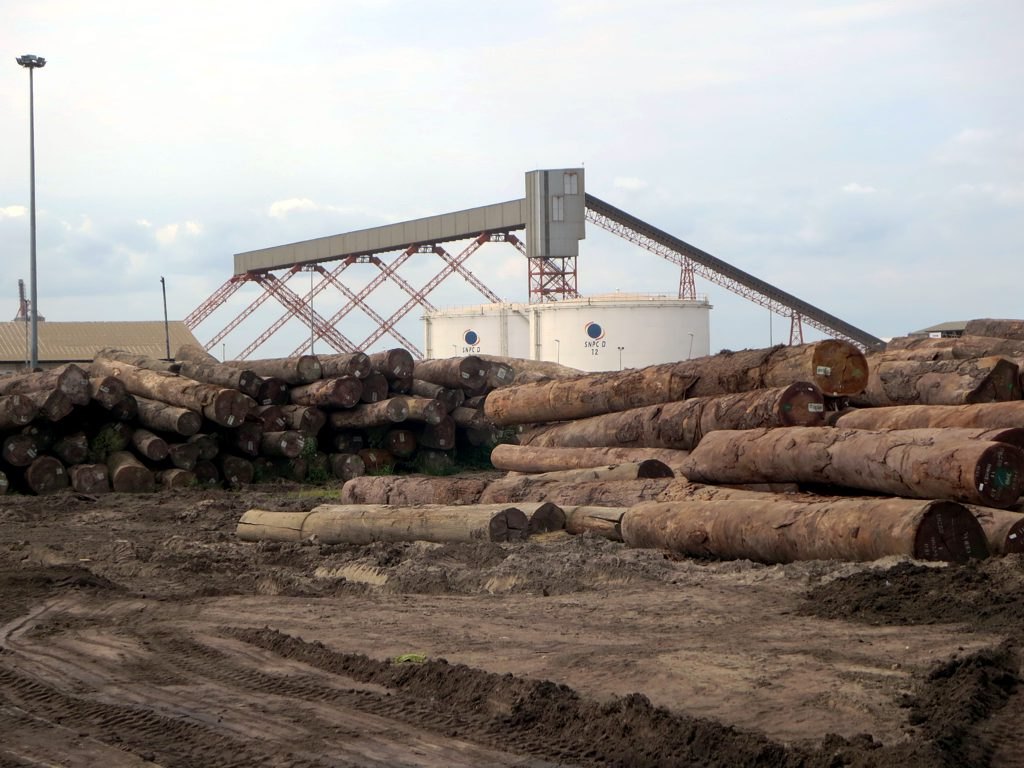
Oil accounts for about half of GDP and 80 percent of exports, according to the World Bank. Congo is a member of OPEC, the oil exporters’ group, and most of its crude comes from offshore fields near Pointe-Noire.
S&P Global reported output of 350,000 barrels a day in 2019, falling to around 260,000 as fields aged. OPEC data put production at about 274,000 barrels a day in July 2026.
The main producers are France’s TotalEnergies, Perenco, Italy’s Eni, China’s Wing Wah and Trident Energy. The government wants 500,000 barrels a day by 2030, a goal Trident Energy’s chief executive has called ambitious.
China is central to that plan, as our report on the Chinese-backed oil revival explained. Wing Wah signed a US$23 billion agreement in September 2025, aiming at 200,000 barrels a day from three permits by 2030.
Gas is the second pillar of the strategy. Eni’s floating liquefaction plant Nguya shipped its first cargo in February 2026, lifting Congo’s capacity to about 3 million tonnes a year.
Eni chief executive Claudio Descalzi credited “the relationship of trust built with the country’s institutions and local communities”. Hydrocarbons Minister Stev Simplice Onanga, appointed in the 2026 cabinet, has signalled a focus on faster project approvals and more local content.
Debt, the IMF and the CFA Franc
The CFA franc is fixed at 655.957 to the euro by the Bank of Central African States (BEAC), the regional central bank. Using the European Central Bank rate of 25 September 2026, that is about 575 CFA francs per US dollar.
Public debt reached 97.2 percent of GDP at the end of 2025, according to the International Monetary Fund (IMF). The ceiling set by CEMAC for its members is 70 percent, so Congo is far outside the rules.
The IMF lending programme has ended, and the Fund now monitors repayment capacity in a post-financing assessment. In early 2026 it classified the country as in debt distress, while judging that it could still repay the Fund.
In July 2026, Makosso told Les Dépêches de Brazzaville that Congo was opening talks on a new IMF loan programme. He said the new Extended Credit Facility would not mean the country was “back to square one”.
The government approved a 2026 budget with revenue of 2,550.5 billion CFA francs (about US$4.4 billion). Its own outlook projects debt of 9,608 billion CFA francs (about US$16.7 billion) in 2027.
Its ratio would fall from 89.9 percent of GDP in 2026 to 86.2 percent, as we reported in September. The improvement comes from a growing economy, not from paying debt back.
Borrowing is expensive: a US$670 million private placement in November 2025 carried a yield of 13.7 percent. Makosso says refinancing has “allowed us to regain confidence”, although he admits the economy is “not yet flourishing”.
Daily Life, Poverty and Security
Oil wealth has not reached many households, and 51.7 percent of people live below the World Bank’s US$3 a day poverty line. Youth unemployment is around 42 percent, and growth was an estimated 2.4 percent in 2025.
Electricity is a daily constraint outside the cities. The World Bank says 67 percent of urban residents have power, compared with just 12.4 percent in rural areas.
The Pool region, between Brazzaville and Pointe-Noire, remains the most sensitive area for security. In January 2026, Les Dépêches de Brazzaville reported clashes near Mindouli between presidential security troops and Ntumi’s fighters.
The ruling Congolese Party of Labour (PCT) backed the security operation and said Congo is “one and indivisible”. Ntumi’s party, the CNR, accused security forces of destroying its sites and bombing a village, claims not independently verified.
The CNR still insists that “war now belongs to the past”, and Ntumi chose not to run for president in 2026. Amnesty International has separately documented bans on protests and the May 2025 abduction of opposition figure Lassy Mbouity.
Forests, Wildlife and Foreign Friends
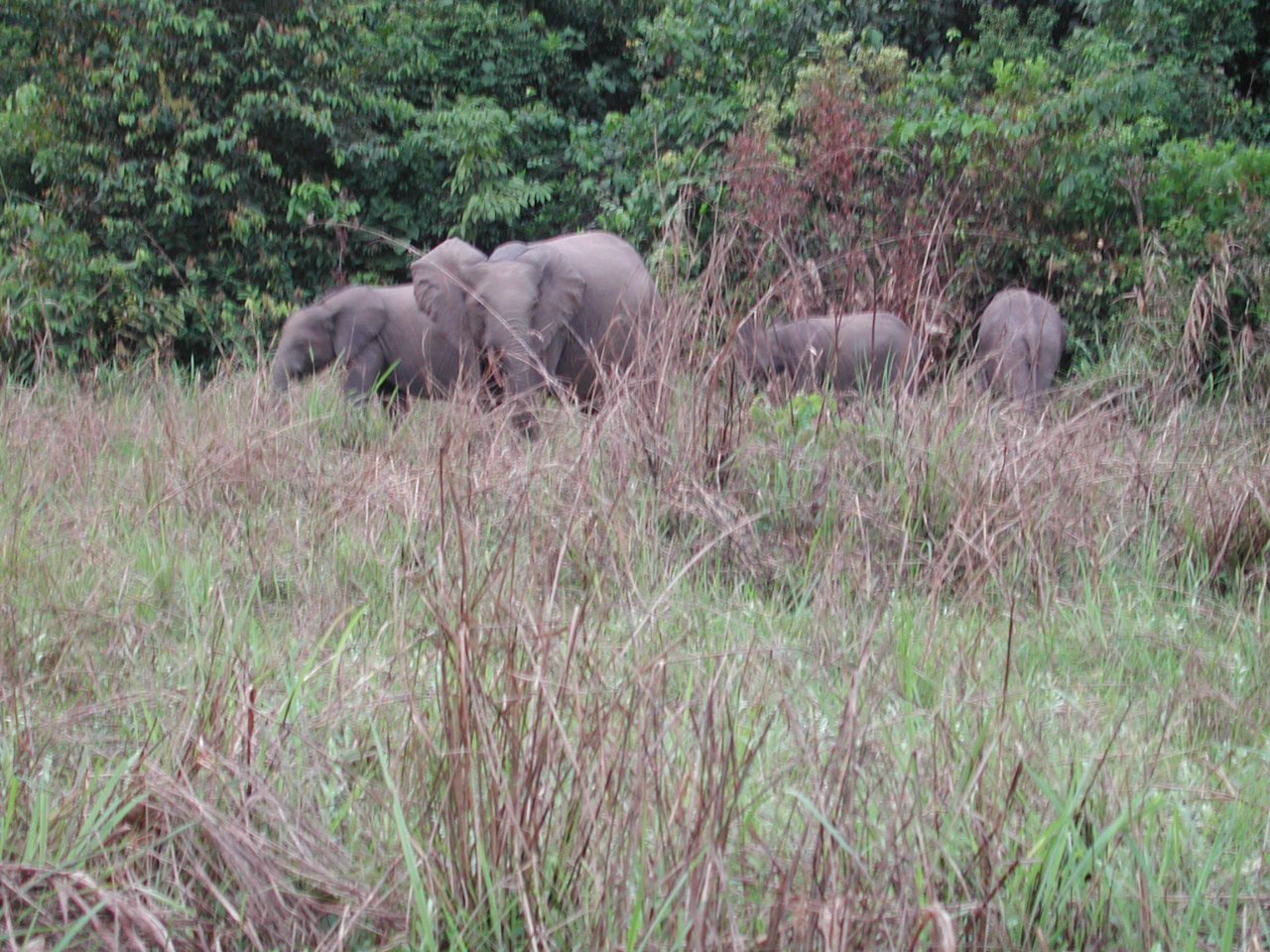
Much of the country lies in the Congo Basin rainforest, the world’s second-largest tropical forest. The country also holds one of the largest areas of tropical peatland, a huge carbon store.
Odzala-Kokoua National Park, founded in 1935 and covering 13,500 square kilometres, became a UNESCO World Heritage site in 2023. The conservation group African Parks has managed it with the government since 2010.
Ebola outbreaks between 2002 and 2005 killed an estimated 70 to 95 percent of the park’s gorillas. Amnesty International has also highlighted approval of oil exploration in Conkouati-Douli National Park, home to about 7,000 people.
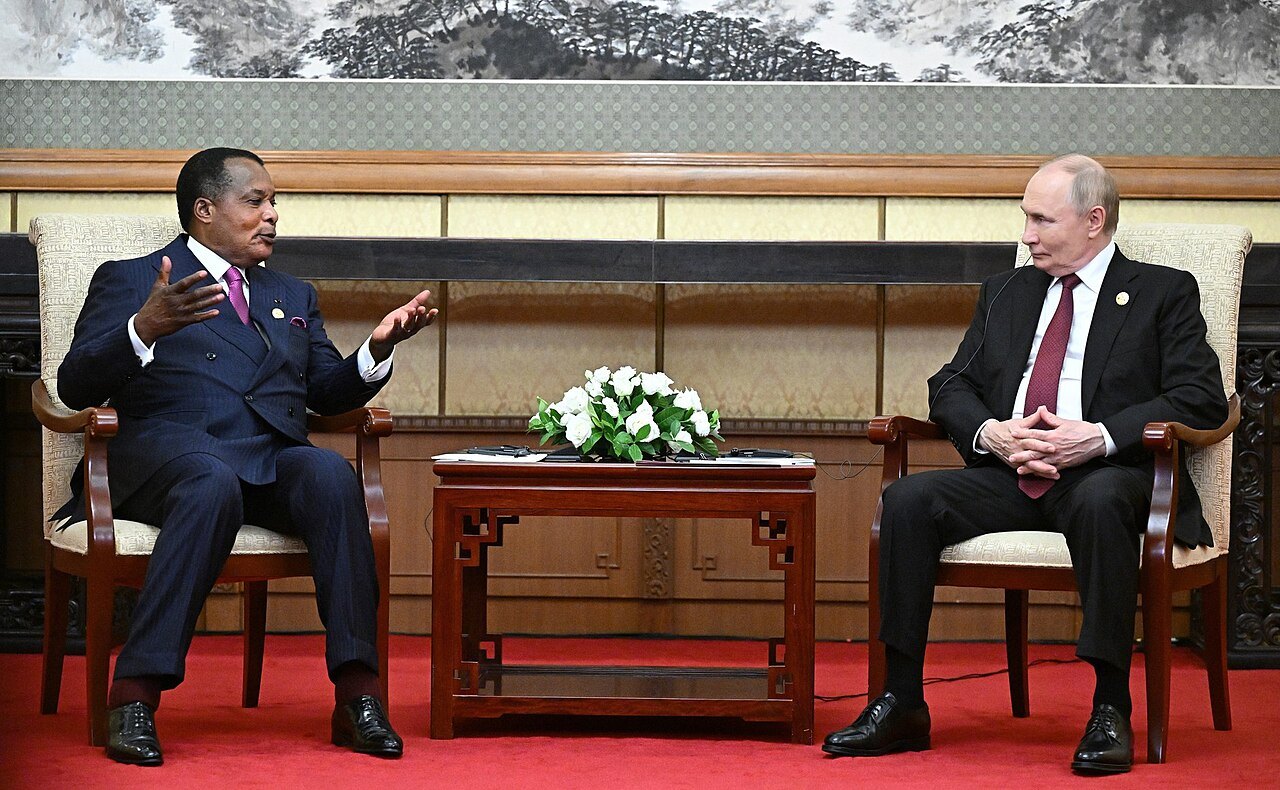
In foreign policy Brazzaville courts several partners at once, including France, China and Russia. Sassou Nguesso met Vladimir Putin in Beijing in September 2025, and Chinese companies back a refinery, potash mining and oil projects.
The government also wants a bigger regional role. It has announced visa-free entry for all Africans from January 2027, though no implementing decree had been published by mid-September.
What It Means for Foreigners and Investors
British visitors need a visa obtained in advance from a Congolese embassy. Britain’s Foreign Office also lists a yellow fever vaccination certificate and a polio certificate as entry requirements.
London advises against all travel within 50 kilometres of the border with the Central African Republic in Likouala. Outside the main cities, electricity is unreliable and overland travel is slow.
For investors the euro peg is the biggest comfort, and inflation was only 2.6 percent in 2025, according to the IMF. Congo also applies OHADA, a business-law code shared by 17 mostly French-speaking African states.
The risks are equally clear: late payment by the state, high debt, and a budget tied to the oil price. Our analysis of the debt found that the economy still depends on a single commodity.
Opportunities exist in gas, logistics through Pointe-Noire, timber processing and agriculture. Companies that do well usually hire strong local lawyers and plan for long delays in permits and payments.
What to Watch
Succession is the largest unknown, because Sassou Nguesso turned 82 in 2025 and no successor has been named. His new term runs to 2031, and our earlier analysis called succession the largest unpriced risk for creditors.
The second test is whether oil output rises towards the 2030 target or keeps drifting down. The third is debt, and whether talks on a new IMF programme succeed.
Watch the Pool region for any return of violence after the January 2026 clashes. Also watch whether the visa-free promise for Africans takes legal form before 1 January 2027.
Frequently Asked Questions
Is the Republic of Congo the same as DR Congo?
No, they are separate countries facing each other across the Congo River. The Republic of Congo, capital Brazzaville, has about 6.1 million people, while DR Congo, capital Kinshasa, is far larger.
Who is the president of the Republic of Congo?
Denis Sassou Nguesso, who first took power in 1979 and returned after the 1997 civil war. He won a fifth consecutive term in March 2026 with 94.9 percent, in a vote the main opposition boycotted.
What currency does the Republic of Congo use?
It uses the Central African CFA franc, pegged at 655.957 to the euro. In late September 2026 that was about 575 CFA francs per US dollar.
Is the Republic of Congo safe to visit?
Britain advises against travel only near the border with the Central African Republic. Visitors need a visa and a yellow fever certificate, and should check current advice before travelling.
Why does Congo-Brazzaville have so much debt?
Years of heavy borrowing against oil revenue left debt near 97 percent of GDP at the end of 2025. The IMF classifies the country as in debt distress, while the government projects a fall to 86.2 percent by 2027.
This article was produced by The Rio Times’ automated newsroom system. How we use AI · Report an error
Read More from The Rio Times