DOMINICAN REPUBLIC · DIASPORA
Key Facts
- The headcount 2,749,468 people of Dominican origin lived in the United States in the 2025 survey, including 1,382,888 born in the Dominican Republic, as of October 2026.
- The places New York, New Jersey, Florida, Pennsylvania and Massachusetts hold 78.9% of them, and the New York metropolitan area alone holds 46.1%.
- The money Family remittances to the Dominican Republic reached US$11,866.3 million in 2025, and more than 80% of formal flows came from the United States.
- The tax A 1% US remittance transfer tax has applied since 1 January 2026 to transfers paid with cash or similar physical instruments.
- The citizenship The Dominican constitution recognises dual nationality, and seven of the 190 deputies are elected to represent Dominicans abroad.
- The politics Representative Adriano Espaillat of New York, first sworn in on 3 January 2017, is the first Dominican American in the US House.

The Dominican Republic diaspora in the United States numbered 2,749,468 people of Dominican origin in the Census Bureau’s 2025 survey, released on 29 October 2026, and 1,382,888 of them were born in the Dominican Republic. This guide explains where they live, why they came, how much money they send to the Dominican Republic and how citizenship and politics tie the two countries together.
How Many Dominicans Live in the United States
As of October 2026 the newest count is the 2025 American Community Survey, the Census Bureau’s yearly household survey, which estimated 2,749,468 people of Dominican origin, or 0.8% of the 341,784,859 people in the United States. The margin of error on that estimate is about 50,000, so it is a survey estimate and not an exact headcount.
Of those, 1,382,888 were born in the Dominican Republic, which is 2.7% of the 50,409,098 foreign-born residents of the country, with a margin of error of about 34,000. The 2024 survey had put the two counts at 2,539,893 and 1,299,961, so the 2025 estimates are higher by about 8.3% and 6.4%.
About half of the people of Dominican origin were born in the Dominican Republic, and the rest were born in the United States or elsewhere. The Dominican-born population equals about 13% of the 10,760,028 residents the Dominican Republic counted at home in the first results of its 2022 census, a rough scale that mixes a 2025 US survey with a 2022 census.
Where Dominican Americans Live
New York state has 947,930 people of Dominican origin, about 34% of the national count, followed by New Jersey with 429,934, Florida with 353,771, Pennsylvania with 221,512 and Massachusetts with 216,902. Together those five states hold 2,170,049 people, or 78.9% of the national total, as of October 2026.
The New York-Newark-Jersey City metropolitan area alone has 1,267,540 people of Dominican origin, which is 46.1% of the national total, and 695,540 Dominican-born residents. New York City had 737,341 people of Dominican origin, including 356,783 in the Bronx, 153,841 in Manhattan, 107,369 in Brooklyn and 106,210 in Queens.
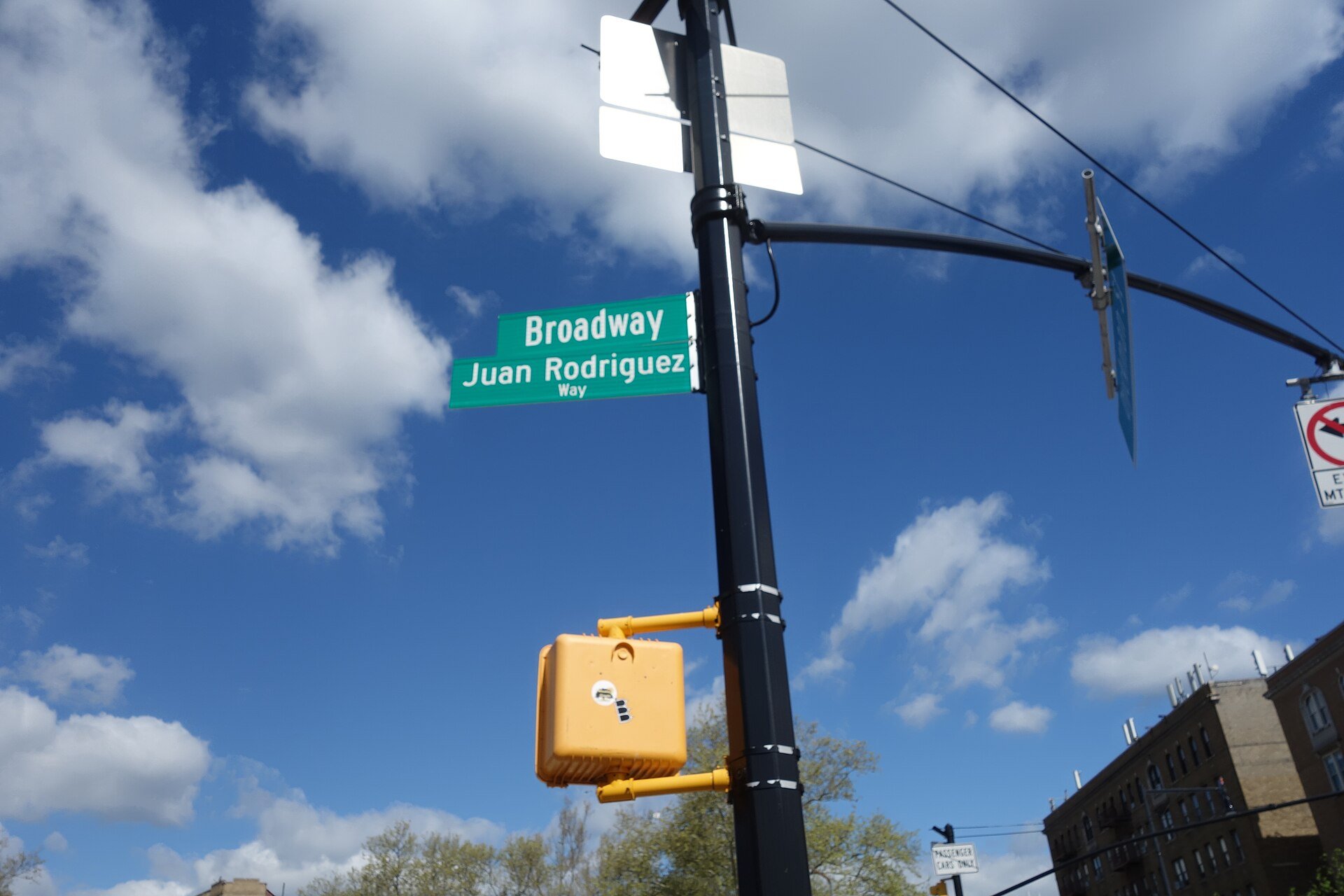
Among New York City’s 3,125,904 foreign-born residents, 407,208 were born in the Dominican Republic, or 13.0%. In Massachusetts, Essex County alone has 106,782 people of Dominican origin, and the Boston area has 187,318.
Florida’s 353,771 people of Dominican origin include 143,327 in the Miami-Fort Lauderdale-West Palm Beach area and 79,125 in the Orlando area, while the Philadelphia area has 93,806 and the Providence area 62,326. Connecticut has 72,535, Texas 58,181, North Carolina 56,162 and Rhode Island 54,790.
Why Dominicans Came and Keep Coming
Most of the community is long settled, since 1,175,090 Dominican-born residents, or 85%, entered the United States before 2020. Another 207,798, or 15%, entered in 2020 or later, so arrivals continue.
The surveys count arrivals but not motives, so the income gap is the clearest measurable background. World Bank data updated on 8 October 2026 put gross domestic product per person at US$11,059 in the Dominican Republic in 2025, against US$90,027 in the United States.
That is a gap of about eight to one in current US dollars, before any adjustment for prices in either country. The ratio was about 7.9 to one in 2024, so the gap widened slightly in 2025.
Money Sent Home
The Central Bank of the Dominican Republic put family remittances at US$11,866.3 million in 2025, up 9.3% from US$10,859.0 million in 2024, an increase of US$1,007.3 million. The bank names the economic performance and favorable employment level of the United States among the main factors, and says more than 80% of the formal flows received came from there.
For the first nine months of 2026 the bank announced remittance flows of US$9,489.8 million. The World Bank’s wider measure of personal remittances received was US$12.41 billion in 2025, equal to 9.74% of the country’s gross domestic product.
Since 1 January 2026 the United States has charged a 1% remittance transfer tax on money sent abroad when the sender gives the provider cash, a money order, a cashier’s check or a similar physical instrument. The sender is liable for the tax and providers must collect it on applicable transactions, so a US$200 cash transfer carries US$2 of tax.
Treasury and the Internal Revenue Service issued proposed regulations on 10 April 2026 to define the amount taxed and the physical instruments that trigger the tax, with public comments due by 12 June 2026. In October 2025 the Internal Revenue Service also gave limited penalty relief to providers that fail to deposit the correct amount during the first three quarters of 2026.
Politics and Culture in the United States
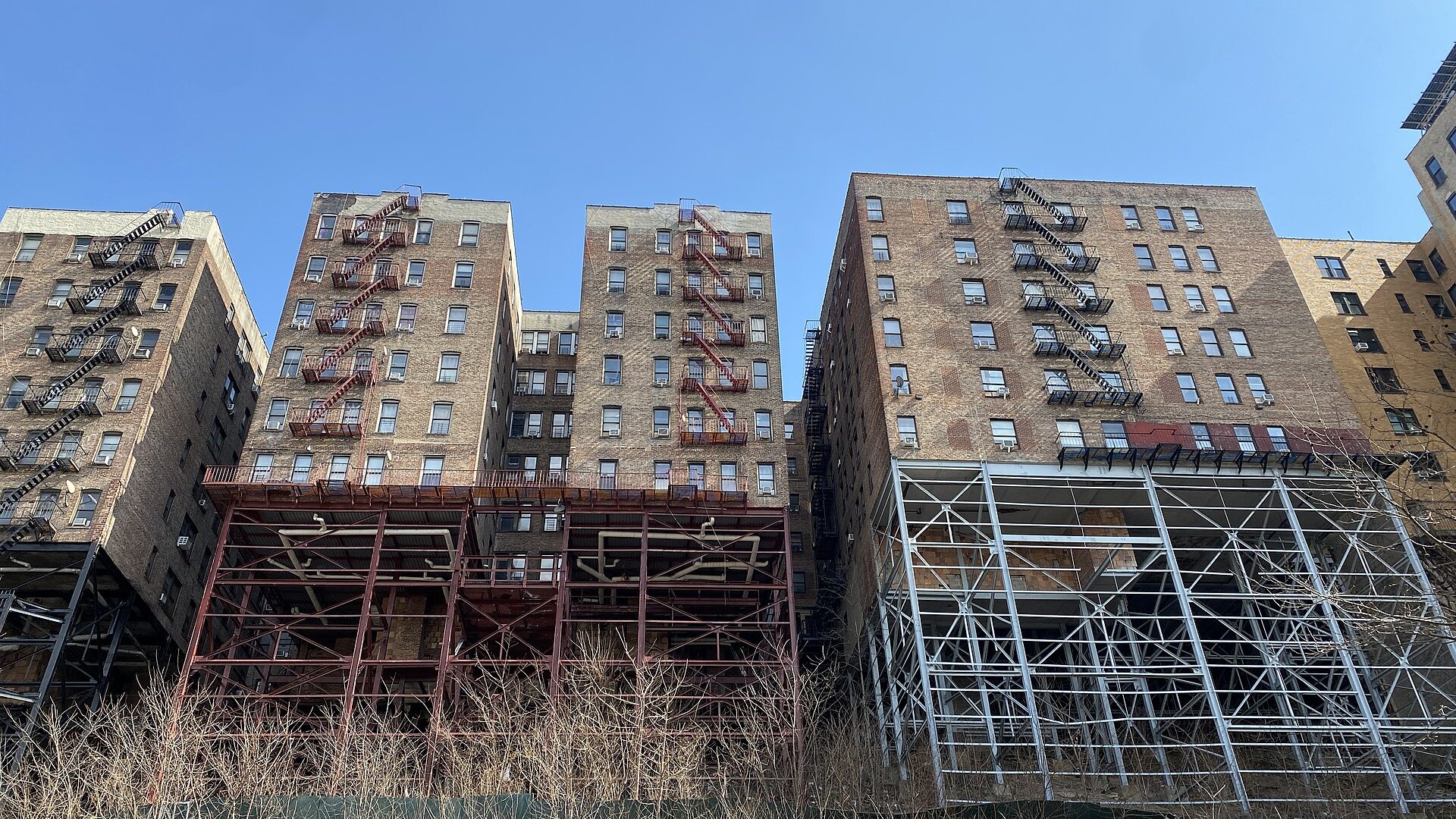
Representative Adriano Espaillat, a Democrat from New York, is the first Dominican American to serve in the US House of Representatives, and his 13th District covers Harlem, Washington Heights, Inwood, Marble Hill, Morningside Heights and the northwest Bronx. He was first sworn in on 3 January 2017 and, as of October 2026, is serving his fifth term.
Espaillat became the first Dominican American elected to a state legislature in 1996, and his House office describes him as the first formerly undocumented immigrant elected to Congress. On 20 November 2024 he was unanimously elected chairman of the Congressional Hispanic Caucus for the 119th Congress.
Baseball is another visible link, since Juan Marichal, born in Laguna Verde, became the first native of the Dominican Republic elected to the Baseball Hall of Fame in 1983 after pitching for the San Francisco Giants from 1960 to 1973. David Ortiz, born in Santo Domingo on 18 November 1975, played for the Boston Red Sox from 2003 to 2016, hit 541 home runs and entered the Hall in 2022.
Citizenship and Representation at Home
Article 18 of the 2015 Dominican constitution counts as Dominican the children of a Dominican mother or father, including those born abroad, who may state at 18 that they want to assume dual nationality or renounce one of their nationalities. It also lists the direct descendants of Dominicans residing abroad among the Dominicans, and it tells public authorities to apply special policies to strengthen ties with nationals abroad.
Article 20 recognises the ability of Dominicans to acquire a foreign nationality and says that doing so does not mean losing the Dominican one. A Dominican who has adopted another nationality can run for president or vice president only after renouncing it ten years before the election and living in the country for the ten years before taking the post.
Such a person may still hold other elected, ministerial or diplomatic offices without renouncing the acquired nationality. The Chamber of Deputies has 190 members, of whom 178 represent the National District and the provinces, five are chosen nationally and seven are elected to represent the Dominican community abroad.
What It Means for US Readers
For a US employer, bank or marketer, the Dominican community is large and concentrated, with 78.9% of people of Dominican origin living in five states as of October 2026. Anyone sending money to relatives should know that the 1% remittance transfer tax applies to cash and similar physical-instrument transfers, so US$500 handed over in cash carries US$5 of tax.
For trade, the State Department lists the United States and the Dominican Republic as parties to CAFTA-DR, the Dominican Republic-Central America-United States Free Trade Agreement. It says the agreement has eliminated tariffs, opened markets and facilitated trade and investment among the seven countries.
Related guides cover the Dominican Republic’s population and ethnic groups, the foreign powers and investors active in the country and Dominican remittances through September 2026. For a comparison with another community, see the Brazil diaspora in the United States and the Caribbean hub.
What Is Not Known
The Census Bureau’s survey does not record legal immigration status, so the counts here cannot say how many people are undocumented. Each estimate also carries a margin of error, about 34,000 for the Dominican-born and about 50,000 for people of Dominican origin.
The Central Bank’s 80% United States share covers formal flows only, so money carried by hand or sent through informal channels is outside it. How far the 1% remittance transfer tax will change what senders do is also unknown, since comments on the proposed regulations were due by 12 June 2026 and the Internal Revenue Service page on the law lists only those proposed rules.
This guide does not give the number of Dominicans registered to vote from abroad, because the electoral board’s figures were not available to confirm. No count of Dominican citizens in the United States from the Dominican government was found, so the Census Bureau’s estimates are the main measure used here.
Frequently Asked Questions
How many Dominicans live in the United States?
The Census Bureau’s 2025 survey counted 2,749,468 people of Dominican origin, with a margin of error of about 50,000. Of them, 1,382,888 were born in the Dominican Republic.
Where do most Dominican Americans live?
New York state has 947,930 people of Dominican origin, followed by New Jersey, Florida, Pennsylvania and Massachusetts. Together the five states hold 78.9% of the national total.
Can Dominicans in the United States keep Dominican citizenship?
Yes, Article 20 of the Dominican constitution recognises dual nationality and says acquiring another nationality does not mean losing the Dominican one. Under Article 18, children born abroad to a Dominican parent can choose dual nationality at 18.
How much money do Dominicans in the United States send home?
The Central Bank counted US$11,866.3 million in family remittances in 2025, with more than 80% of formal flows coming from the United States. It announced US$9,489.8 million for January to September 2026.
Is there a US tax on remittances to the Dominican Republic?
Since 1 January 2026 a 1% US remittance transfer tax applies when the sender provides cash, a money order, a cashier’s check or a similar physical instrument. The sender is liable, and providers must collect it on applicable transactions.
Who is the first Dominican American in the US House?
Representative Adriano Espaillat of New York was first sworn in on 3 January 2017. He represents the 13th District, covering parts of Manhattan and the Bronx, and is serving his fifth term.
Sources: US Census Bureau, 2025 American Community Survey data release schedule, 29 October 2026; US Census Bureau, 2025 American Community Survey 1-year summary file, tables B03001, B05006 and B05015; US Census Bureau, 2024 American Community Survey 1-year summary file, tables B03001 and B05006; Dominican National Statistics Office, first preliminary results of the 2022 census; Central Bank of the Dominican Republic, economic report January to December 2025; Central Bank of the Dominican Republic, remittances January to September 2026; World Bank, GDP per capita, Dominican Republic and United States; World Bank, personal remittances received, Dominican Republic; Internal Revenue Service, One, Big, Beautiful Bill provisions, excise tax on certain remittance transfers; Internal Revenue Service, IR-2026-48, 10 April 2026; Constitution of the Dominican Republic 2015, Articles 18, 20 and 81; Dominican Chamber of Deputies, induction manual; Representative Adriano Espaillat, House office biography; National Baseball Hall of Fame, Juan Marichal; National Baseball Hall of Fame, David Ortiz; US State Department, US Relations with the Dominican Republic.
This article was produced by The Rio Times’ automated newsroom system. How we use AI · Report an error · Editorial responsibility: Matthias Camenzind, Editor-in-Chief
Expat Guide to Dominican Republic
What The Rio Times publishes for foreigners who live in or move to Dominican Republic.
Start here
- Dominican Republic Security and Crime Explained 2026
- Best Places to Live in the Dominican Republic 2026
- Cost of Living Santo Domingo 2026 — Rent and the Power Question
- Healthcare in the Dominican Republic 2026: What Foreigners Can Actually Get
City guides
Coming up in Dominican Republic
- Soy Luna Plays Santo Domingo on 31 October 2026 31 Oct
- Eladio Carrion in Santiago, Dominican Republic, 31 October 31 Oct
- Keinemusik's &ME Plays Santo Domingo on 31 October 31 Oct
- Afro Fest Punta Cana 2026 in the Dominican Republic: Afro Nation's Afrobeats Weekender on November 6–8 6 Nov
Understand Dominican Republic