Cost of Living Santo Domingo 2026 — Budgets, Rent by District and the Power Question
GUIDES · DOMINICAN REPUBLIC
Key Facts
- —What it is A budget reference for Santo Domingo, the Dominican Republic’s capital and main business, hospital and school centre.
- —Who it’s for Singles, couples and families weighing city life against resort-coast towns such as Punta Cana and Las Terrenas.
- —What it costs Private guides put a comfortable single at about US$1,500–2,600 a month, couples from about US$2,200 upward.
- —Why it matters Prices are set in pesos, so a floating exchange rate changes every dollar budget without any local price change.
- —The catch The national grid failed twice between November 2025 and February 2026, so backup power shapes rent and comfort.
The cost of living Santo Domingo asks of expats depends less on the exchange rate than on district, air-conditioning and backup power.
The cost of living Santo Domingo sets for a comfortable single expat in 2026 is commonly put at US$1,500 to US$2,600 a month. These are private market estimates for the Dominican Republic’s capital, not official figures, and housing and power drive most of the spread.
Why the capital draws foreigners
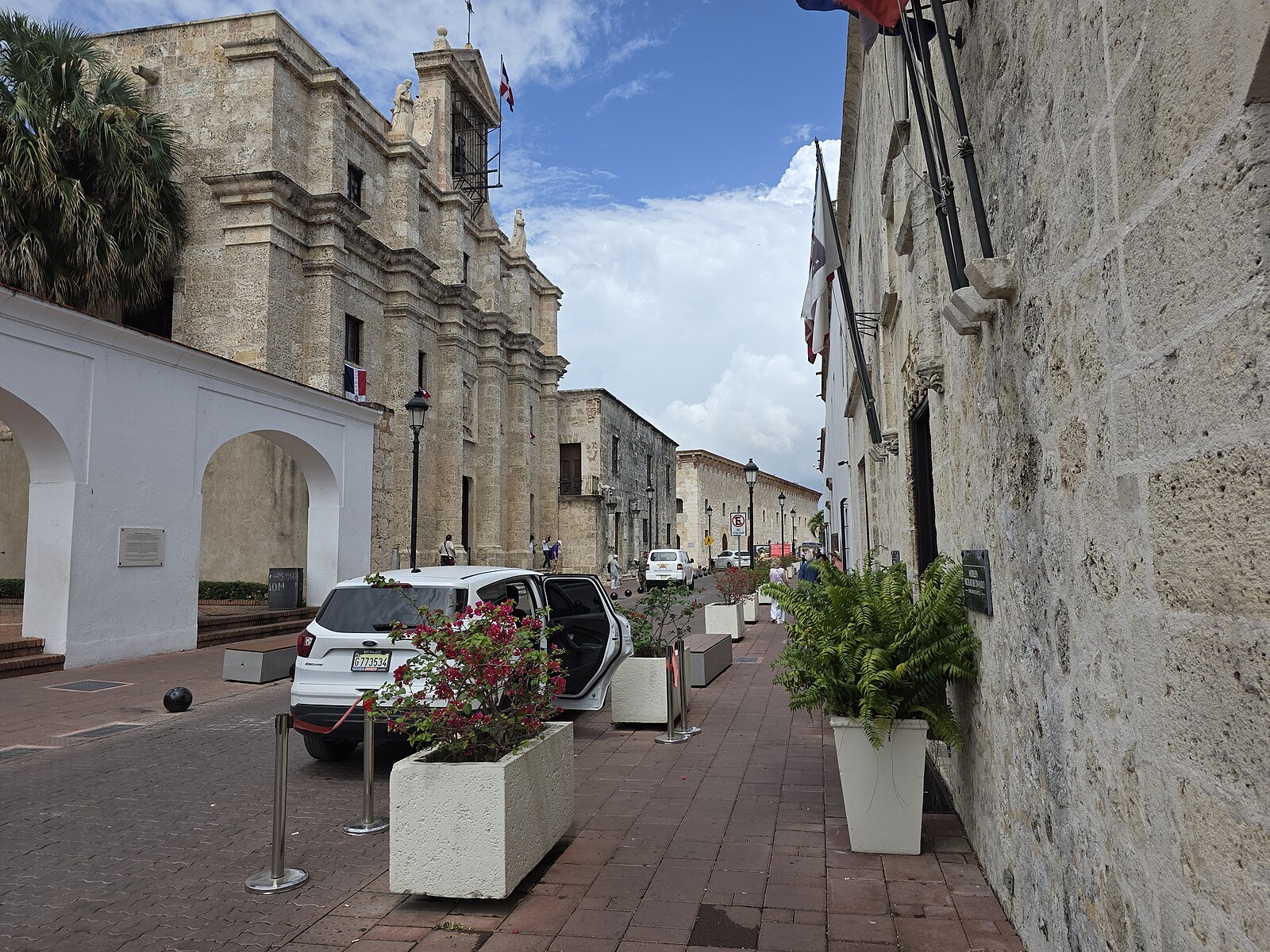
Founded in 1498, Santo Domingo’s Colonial City holds, UNESCO notes, the Americas’ first cathedral, hospital, customs house and university. It is often called the oldest continuously inhabited European city in the Americas.
Most foreigners come for something more practical: embassies, head offices, private hospitals and schools in one place. This is a working city with a large Dominican middle class, not a seasonal resort economy.
That middle class shapes daily life for expats. It supports restaurants, services and professional housing well beyond the tourist trade, and prices follow local incomes as much as visitor demand.
Realistic monthly budgets in US dollars
All conversions here use 58.9 Dominican pesos to the dollar, at 19 September 2026 exchange rates. No government body publishes an expat budget, so every total below is a private estimate.
Published 2026 guides place a careful single at roughly US$1,100 to US$1,800 a month, rent included. A comfortable single in a better district is usually estimated at US$1,500 to US$2,600.
The cost of living Santo Domingo guides quote varies because each assumes a different flat, diet and cooling habit. Read them as bands, not promises.
Couples share rent and utilities, so guides put a comfortable couple at about US$2,200 to US$3,500 or more. A family of four living an upper-middle-class life can need US$4,500 or more, one guide estimates.
The Central Bank prices the July 2026 family basket for the capital region at 57,053 pesos (about US$969). It reflects Dominican household spending, not an expat lifestyle.
How the peso and inflation move your costs
The Dominican peso floats, and the Central Bank intervenes to smooth sharp moves rather than fix a rate. The bank targets inflation of 4% plus or minus 1 percentage point.
The peso strengthened from about 63.3 to the dollar at the end of 2025 to about 58.9 now. For dollar earners, that means the same local rent now costs more in dollars.
A weaker peso would work the other way, making the cost of living in Santo Domingo cheaper for dollar earners. Pesos earned locally do not face this swing, which is why local salaries feel different.
Year-on-year inflation stood at 5.13% in August 2026, the Central Bank reported, easing from earlier in the year. Nobody can say where the rate or prices will sit a year from now, so leave a margin.
Rent by district: the cost of living Santo Domingo tiers
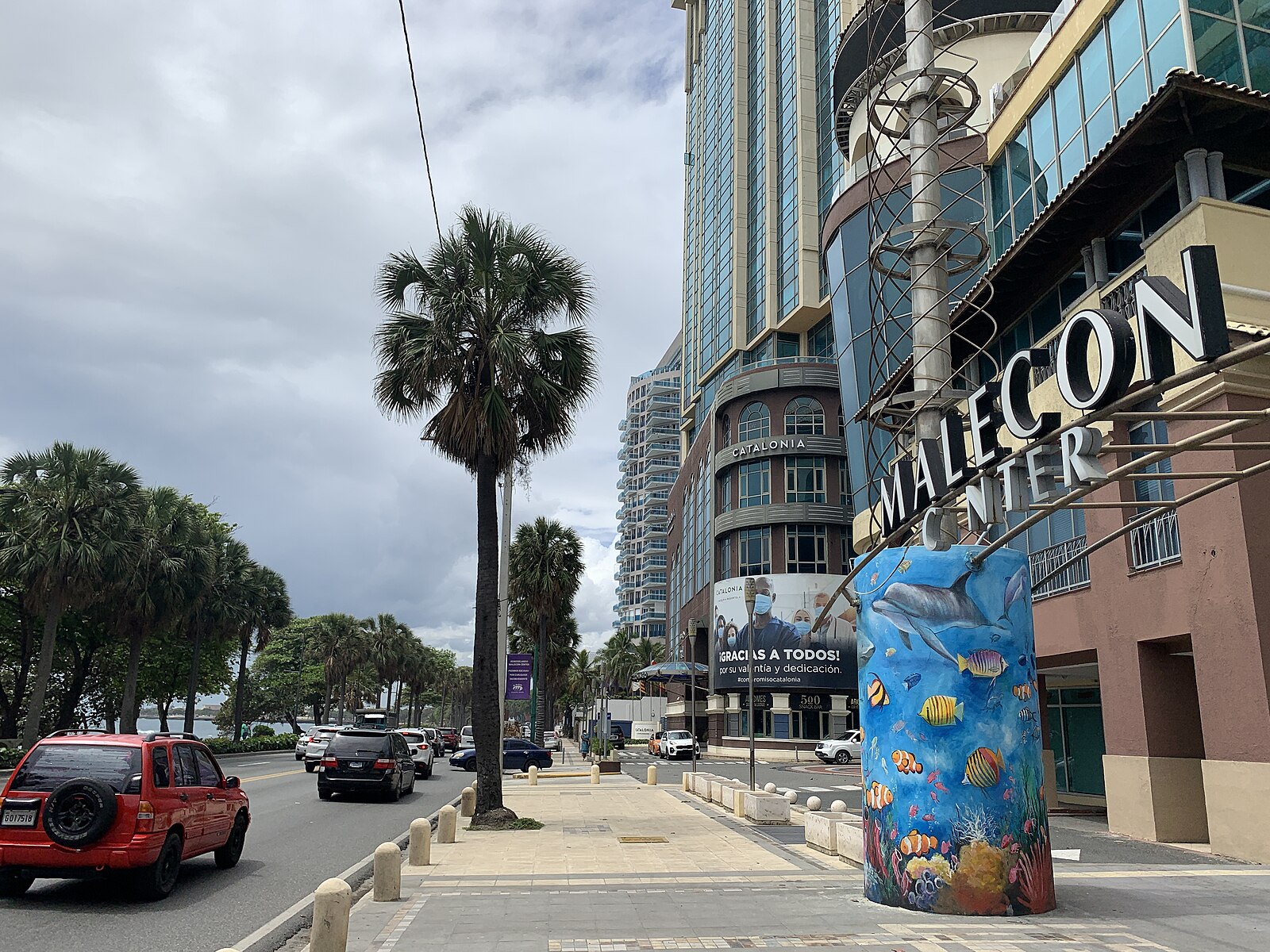
Piantini and Naco form the upscale professional tier, with modern towers, security, parking and full generators. Listing-based guides put a modern one-bedroom in Piantini at about US$900 to US$1,500.
Bella Vista sits a step below, at roughly US$650 to US$1,000 for a one-bedroom by the same guides. The Malecón corridor offers sea views, but noise, salt air and building quality vary tower by tower.
Gazcue offers older buildings and character near the Colonial Zone, often around US$500 to US$800. The Zona Colonial brings history and walkability, with trade-offs in noise, parking and old wiring.
Asking rents are listings, not signed contracts, and no official rent index exists for the capital. Furnished flats, one-year leases and deposits of one to two months are common, and terms are negotiable.
Official sale prices confirm the gap: 210,026 pesos per square metre in Piantini (about US$3,566), the statistics office reports. Outlying Los Alcarrizos averages 48,418 pesos (about US$822).
Food: comedores, colmados and imported goods
Everyday Dominican eating runs through comedores, small lunch restaurants serving set meals, and colmados, corner shops that also deliver. Both keep a local-style food budget modest.
Upscale supermarkets in Piantini and Naco stock imported cheese, wine and branded goods at a clear premium. A basket built on imports can cost far more than one built on local rice, beans, fruit and chicken.
This is one of the largest levers in the cost of living in Santo Domingo. Eating locally most days and buying imports selectively keeps food spending steady.
The electricity question that shapes housing
On 11 November 2025 a failure in the transmission system cut power across the whole country. A second nationwide blackout followed on 23 February 2026, raising public questions about grid stability.
Everyday interruptions vary by circuit and district, and no official outage figures by neighbourhood are published. Buildings with full generators or inverter systems are therefore preferred, and their rents and condo fees reflect it.
For renters, power reliability is part of the cost of living in Santo Domingo, not a separate issue. A cheaper flat without backup can cost more in spoiled food, lost work and hotel nights.
The electricity regulator sets a tiered household tariff, so the price per kilowatt-hour rises with consumption. A household that stays in the low blocks pays far less per unit than one running air-conditioning all day.
Utilities and the tropical climate
Santo Domingo is hot and humid all year, so air-conditioning is the largest utility line for most expats. Private guides put a light-use apartment near US$40 to US$80 a month for electricity.
Heavier cooling in a modern flat commonly pushes the bill toward US$100 to US$180, the same guides suggest. Internet usually adds about US$25 to US$60, while water and cooking gas stay small.
Before signing a lease, ask for recent power bills for the same unit and check what the generator covers. Some buildings back up every socket; others only lifts and common areas.
Transport: metro, cable car, cars and motoconchos
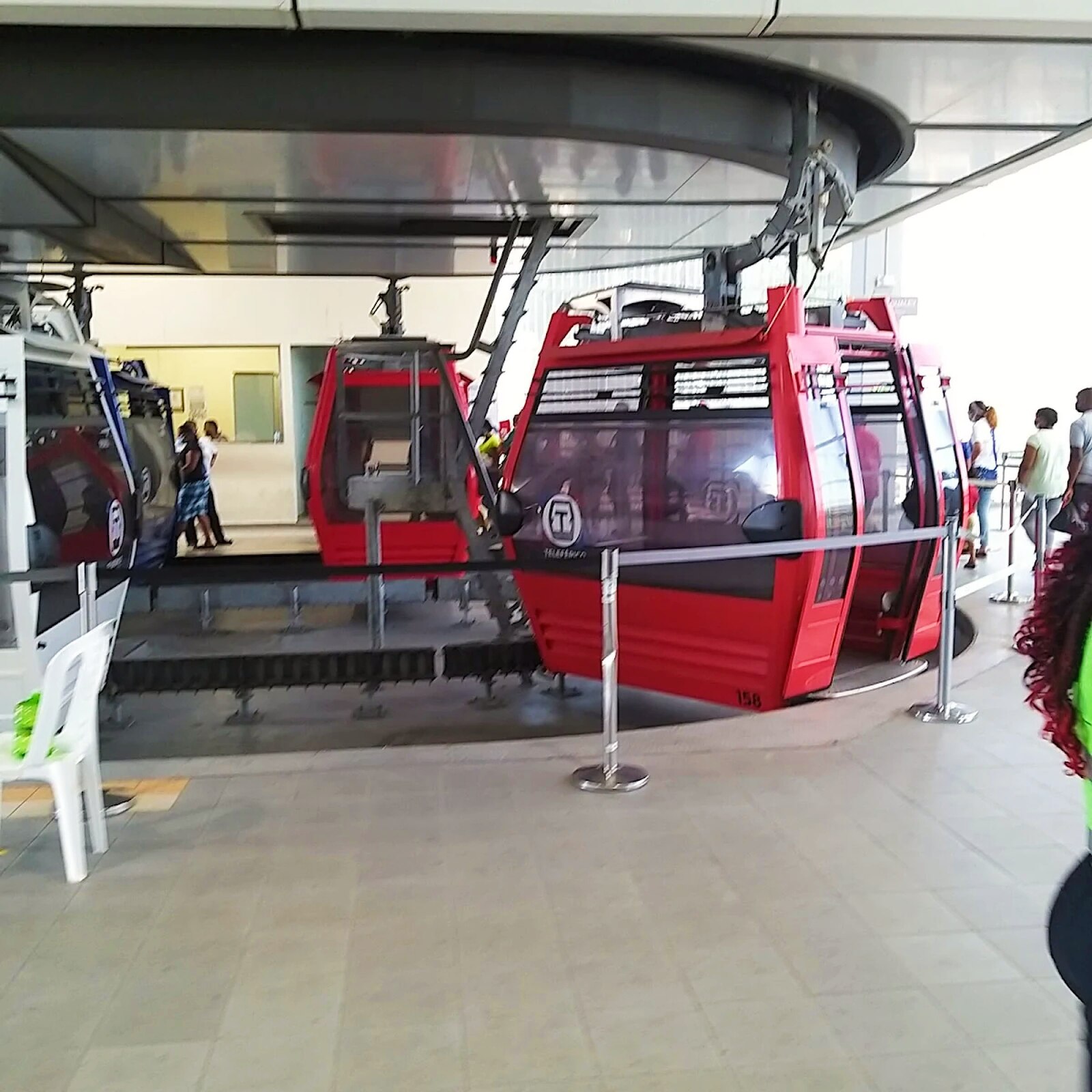
The Santo Domingo Metro runs two lines, and the Line 2C extension to Los Alcarrizos opened on 25 February 2026. Two Teleférico cable-car lines link hillside neighbourhoods to the network.
These routes serve commuter corridors well but not every upscale street. In Piantini, Naco and Bella Vista most expats rely on a car or ride-hailing apps.
Taxis and ride-hailing are affordable by North American or European standards, though fares rise with traffic and demand. Owning a car adds fuel, insurance, parking and maintenance to the monthly total.
Motoconchos, the motorcycle taxis found across the city, are cheap for short hops. They are a local habit rather than an expat default, and road safety is a real consideration.
Private healthcare and safety
The capital holds the country’s largest concentration of private hospitals and specialists, and many retirees choose it for that reason. Private insurance is a separate budget line, priced by age and cover.
For many retirees, that access shapes the cost of living in Santo Domingo more than rent does. Insurance premiums rise with age, and pre-existing conditions may be excluded, so compare policies carefully.
The US State Department rates the Dominican Republic at Level 2, exercise increased caution, citing violent crime. It notes that criminals are rarely caught and prosecuted.
No official district-level crime statistics for Santo Domingo are published in a comparable form. Piantini, Naco and Bella Vista are generally seen as calmer, but that is local perception, not measured data.
Domestic staff and schools
Hiring domestic help is common in middle- and upper-income Santo Domingo households. Employers must register workers with the social security treasury and respect set working hours.
The labour ministry raised the domestic-work minimum to 13,000 pesos (about US$221) a month from 1 May 2025. Market pay in the capital often runs higher, and no official table of typical wages exists.
For a family, staff and schooling can outweigh rent in the cost of living in Santo Domingo. Registration, social security contributions and the Christmas bonus should all be in the plan.
The school market splits into local private schools, bilingual schools and international schools with foreign curricula. Tuition varies widely by school and year, so confirm fees and places before choosing a district.
Santo Domingo compared with Punta Cana and Las Terrenas
Listing-based guides place comfortable living in Punta Cana at about US$2,500 to US$3,800 a month, above the capital. Imported goods and gated-condo rents drive that premium.
Las Terrenas, a smaller beach town on the Samaná peninsula, is estimated at about US$2,000 to US$3,000. It offers a quieter coastal rhythm but fewer hospitals and schools.
The cost of living Santo Domingo offers is not the lowest on paper, but its spread is wider than the coast. For anyone who needs city services, that range is the capital’s main advantage.
Many expats test the cost of living in Santo Domingo by renting short term before comparing with the coast. That trial costs money but reduces the risk of a wrong long lease.
Looking ahead, the direction of the peso and of grid reliability will shape budgets more than any single price. The city itself has weathered many such cycles and remains a stable base for those who plan carefully.
Connected Coverage
Cost of Living in Dominican Republic for Expats
Healthcare in the Dominican Republic 2026: What Foreigners Can Actually Get
Sources: Figures were checked against UNESCO, the Central Bank of the Dominican Republic, the National Statistics Office, the Dominican presidency, the social security treasury and labour ministry, the US State Department, Diario Libre, and private cost-of-living and listing guides.
- whc.unesco.org
- diariolibre.com
- presidencia.gob.do
- travel.state.gov
- tss.gob.do
- elnacional.com.do
- diariolibre.com
- diariodigitalrd.com
What Is Not Known
No official rent index for the capital exists. The district figures here come from listings and private guides, not from signed contracts. Furnished flats and deposits of one to two months are common, and terms are negotiable, so each real rent is settled deal by deal.
Everyday power cuts are not measured in public. No official outage figures by neighbourhood are published, so a renter cannot compare circuits before signing. What a building’s generator actually covers has to be asked unit by unit, since some back up every socket and others only lifts.
Crime risk by district is not established. No official district-level crime statistics for Santo Domingo are published in a comparable form. Piantini, Naco and Bella Vista are generally seen as calmer, but that is local perception rather than measured data.
Where the peso lands next is not known. It strengthened from about 63.3 to the dollar at the end of 2025 to about 58.9 now, which raised dollar rents. Year-on-year inflation stood at 5.13% in August 2026, and nobody can say where prices will sit a year from now.
Typical pay for domestic staff is not published. The legal minimum rose to 13,000 pesos, about US$221, a month from 1 May 2025, but market pay in the capital often runs higher. School fees sit in the same position, varying widely by school and year.
Frequently Asked Questions
How much money do you need to live in Santo Domingo each month?
Published 2026 guides place a careful single at roughly US$1,100 to US$1,800 a month, rent included. A comfortable single in a better district is usually estimated at US$1,500 to US$2,600. No government body publishes an expat budget, so every total is a private estimate. Conversions use 58.9 Dominican pesos to the dollar, at 19 September 2026 rates.
How much is rent in Santo Domingo by district?
Listing-based guides put a modern one-bedroom in Piantini at about US$900 to US$1,500 a month. Bella Vista sits a step below at roughly US$650 to US$1,000, and Gazcue often runs around US$500 to US$800. Asking rents are listings, not signed contracts, and no official rent index exists for the capital.
Is the electricity supply reliable in Santo Domingo?
Not fully. The national grid failed on 11 November 2025 and again on 23 February 2026, cutting power across the whole country. Everyday interruptions vary by circuit and district, and no official outage figures by neighbourhood are published. Buildings with full generators or inverter systems are preferred, and their rents and condo fees reflect that.
How much is the electricity bill in Santo Domingo with air conditioning?
Private guides put a light-use apartment near US$40 to US$80 a month for electricity. Heavier cooling in a modern flat commonly pushes the bill toward US$100 to US$180. The electricity regulator sets a tiered household tariff, so the price per kilowatt-hour rises with consumption.
Is Santo Domingo cheaper than Punta Cana?
Yes, on the listing-based guides used here. They place comfortable living in Punta Cana at about US$2,500 to US$3,800 a month, above the capital. A comfortable single in Santo Domingo is put at US$1,500 to US$2,600, while Las Terrenas is estimated at about US$2,000 to US$3,000.
This article was produced by The Rio Times’ automated newsroom system. How we use AI · Report an error
Read More from The Rio Times