DOMINICAN REPUBLIC · TRADE
Key Facts
- The country A Caribbean economy that buys about 38% of its imported goods from the United States.
- Why it matters US exporters supply 79% of Dominican poultry imports, and producers want those permits paused.
- Why now Customs data through September arrive as producers press the government for relief.
- What happened Poultry meat imports reached US$132.1 million in January to September 2026, up 45%.
- What it means for you US poultry exporters could face tighter Dominican import permits if the government acts.
In Plain English
The Dominican customs directorate, known as DGA, is the agency under the Ministry of Finance that collects import duties and publishes trade statistics. Heading 0207 is its tariff code for poultry meat and edible offal.
DR-CAFTA is the free trade agreement between the United States, the Dominican Republic and Central American countries. ADA is the Dominican Poultry Association, and Anavip is the national association of small and medium poultry producers.
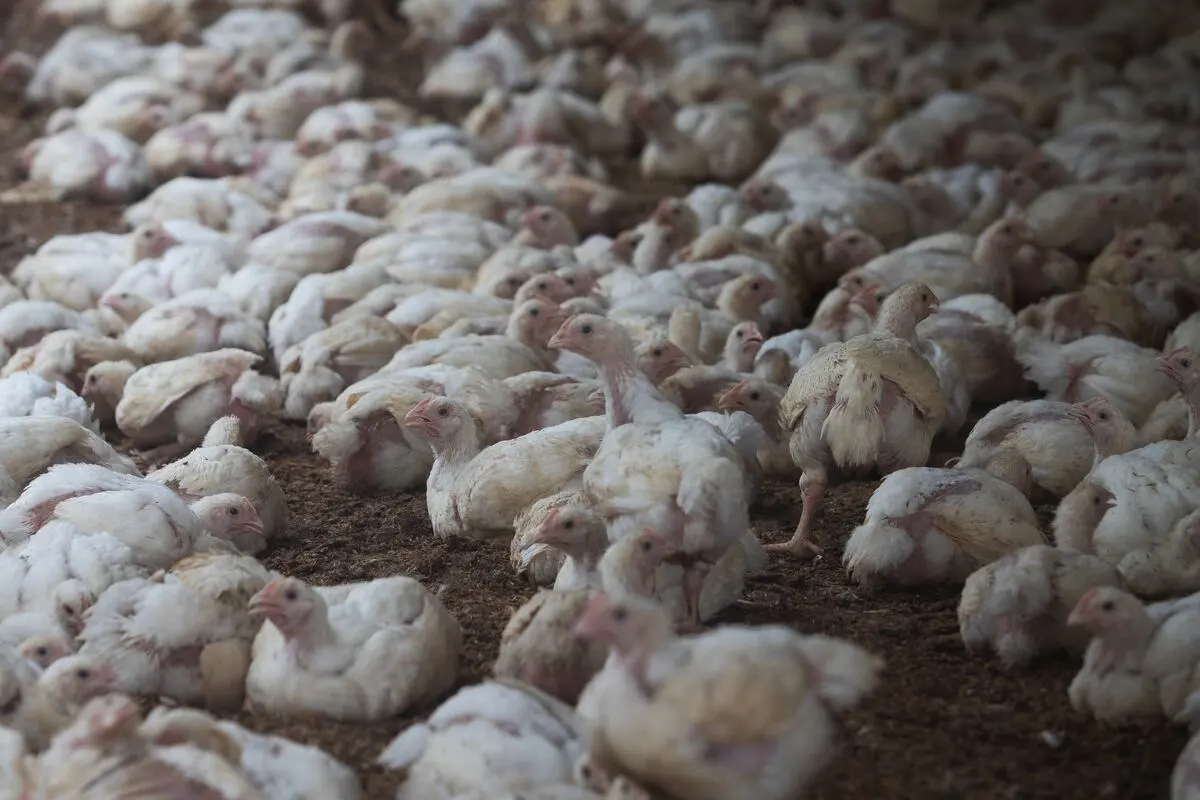
Dominican imports of poultry meat rose 45% to US$132.1 million in the first nine months of 2026, and US exporters supplied 79% of the total. Dominican producers now ask the government to suspend import permits for US chicken, a step that would hit American exporters directly.
The figures come from the customs directorate, which counted US$91.1 million in the same months of 2025. US poultry sales to the Dominican Republic rose 42% to US$104.2 million, while Brazil supplied US$27.9 million.
What the Customs Data Show
Poultry meat is recorded under tariff heading 0207, and the heading was worth US$132.1 million in free-on-board value in January to September 2026. That is US$41.0 million more than the US$91.1 million of the same months in 2025.
Frozen chicken breasts rose 46% to US$42.5 million, and whole frozen chickens rose from US$3.5 million to US$10.7 million. Imports of all meat cleared for domestic use grew 28.85% to US$566.64 million, according to the directorate’s September trade bulletin.
By tariff heading, poultry was the second largest meat import after pork, which reached US$252.0 million. Customs offices at the Caucedo multimodal port handled US$95.0 million of the poultry, followed by Haina Oriental with US$37.0 million.
What Producers Say
Producer groups put local output at more than 21.5 million chickens a month on average this year, enough for up to 85% of demand. The executive president of ADA, Pavel Concepción, says growers are negotiating with the government to halt import permits because local supply is enough.
ADA says US chicken faces no tariff limits under DR-CAFTA, so it can enter whenever importers hold sanitary permits. It expects output to reach 25 million chickens in December, the peak month for holiday meals.
ADA puts the farm price of live chicken at 38 pesos a pound (US$0.63), against 72 to 82 pesos (US$1.19 to US$1.36) in shops and supermarkets. Every peso figure here is converted at the central bank buying rate of 60.4156 pesos per US dollar at the close of 29 October 2026.
Anavip, which says it has more than 300 members, told the presidency in a letter delivered on Wednesday 28 October that low prices from overproduction and imports threaten small farms. It asked President Luis Abinader for a government commission to study the problem.
ADA member Miguel Lajara says a scheme to take chicken temporarily off the market has absorbed 4 million pounds, with a second stage of similar size planned for a total of 8 million pounds. He says farm prices have started to recover.
Why It Matters to US Readers
The United States is the Dominican Republic’s largest supplier, with US$7.75 billion or 37.75% of imports cleared for domestic use in January to September 2026, up 19.34% from a year earlier. Poultry is a small part of that flow at US$104.2 million, but Dominican growers point to it as a cause of low farm prices.
The dispute adds to a busy trade agenda that includes the rice tariff and the state of Dominican and US relations. The text of DR-CAFTA, posted by the US Trade Representative, gives US chicken leg quarters duty-free entry within a quota that rises every year and becomes unlimited in the agreement’s twentieth year.
What It Means for You
US poultry exporters should watch whether the Dominican government changes its import permit rules, because the producers’ request targets chicken from the United States. Permits rather than tariffs are the lever, since ADA says duty-free access already applies.
Travellers and diaspora families are unlikely to notice a change soon, because ADA describes the problem as oversupply rather than shortage. Shop prices of 72 to 82 pesos a pound (US$1.19 to US$1.36) are the benchmark to watch.
What Is Not Known
The government has not announced any decision on suspending or limiting poultry import permits, and the presidency’s news page showed none on 30 October. Producers describe the talks as ongoing, which leaves the outcome open.
The customs data show values but not prices, so the link between import volumes and low farm prices rests on the producers’ account. Whether the rise reflects lower world prices or other factors is not established in the data.
Customs figures for October are not yet published. Whether imports keep climbing during the holiday months, when ADA expects historically high local output, will only be visible in the next monthly bulletin.
More: Brazil news, every day from The Rio Times.
Frequently Asked Questions
How much poultry does the Dominican Republic import from the US?
The Dominican Republic imported US$104.2 million of poultry meat from the United States in January to September 2026, according to its customs directorate. That is 79% of all poultry imports and 42% more than a year earlier.
Why are Dominican chicken farmers upset?
Producer groups say imports and oversupply have pushed farm prices down, with live chicken at 38 pesos a pound (US$0.63). ADA wants the government to pause import permits for US chicken.
Does DR-CAFTA cover US chicken?
Yes, the agreement’s Dominican schedule covers chicken products, including a duty-free quota for leg quarters that grows each year and becomes unlimited in year 20. ADA says US chicken now enters without tariff limits if importers hold sanitary permits.
Has the Dominican government banned US chicken?
No decision to suspend or limit import permits had appeared on the presidency’s news page by 30 October 2026. Producers say they are negotiating, and the outcome is open.
Sources: Dominican customs directorate, trade bulletin September 2026; Dominican customs directorate, import table 2026, January to September; Dominican customs directorate, import table 2025; Central Bank of the Dominican Republic, exchange rate at close of 29 October 2026; US Trade Representative, DR-CAFTA Dominican schedule notes; Presidency of the Dominican Republic, news page, read 30 October 2026; statements by the Dominican Poultry Association (ADA) and Anavip, published 28 to 30 October 2026.
This article was produced by The Rio Times’ automated newsroom system. How we use AI · Report an error · Editorial responsibility: Matthias Camenzind, Editor-in-Chief