Cuba Education and Healthcare Explained
Cuba guarantees free health care and schooling by law, but blackouts, fuel shortages and fewer doctors now strain both, and Cuba and Washington dispute its doctors-abroad programme.

CUBA · EDUCATION AND HEALTH CARE
Cuba’s constitution promises every citizen free health care and free education. Today the system works under heavy strain from blackouts and a fuel shortage, while the number of doctors has fallen.
This guide explains what the Cuban state provides, where the system is breaking down and why Cuba sends doctors abroad. US readers meet the subject through sanctions rules, travel health advice and insurance questions.
Key Facts
- Promise Cuba’s constitution makes health care and education free rights that the state must guarantee.
- Doctors Cuba had 71,635 doctors in 2025, down from 106,131 in 2021.
- Babies Infant deaths rose to 9.9 per 1,000 live births in 2025, from 7.1 in 2024.
- Schools About 1,400,000 children enrolled for 2026-27, with trained permanent staff covering 73% of teaching needs.
- Power Index Cuba ranks 14th of 14 in The Rio Times Latin America Power Index, with 22.5 points (November 2026 edition).
Cuba guarantees free health care and schooling by law, but blackouts, fuel shortages and fewer doctors now strain both, and Cuba and Washington dispute its doctors-abroad programme.
What the Constitution Promises
Article 72 of Cuba’s 2019 constitution, in the English translation hosted at constituteproject.org, a public archive of constitutions, covers health. It says: “Public health is a right of all people and it is the State’s responsibility to guarantee access to quality medical attention, protection, and recovery services, free of charge.”
Article 73 calls education “a right of all people and the responsibility of the State.” The State, it adds, “guarantees free, accessible, and quality education services to its citizens” from preschool until the postgraduate level.
Cuba’s Ministry of Public Health yearbook for 2025, published in October 2026, is the official record of the health system. This guide uses it for health numbers, and the yearbook says its 2025 indicators are preliminary and may change slightly before the end of the current year.
PAHO, the Pan American Health Organization and the regional office of the World Health Organization (WHO) for the Americas, keeps its own country profile. It reports life expectancy at birth of 78.3 years in 2024, above the average for the Americas.
How Big the Health System Is
The yearbook counts 148 hospitals and 451 local clinics called polyclinics in 2025. It also records 365,515 health workers, who make up 6.2% of the working-age population, and 71.1% of them are women.
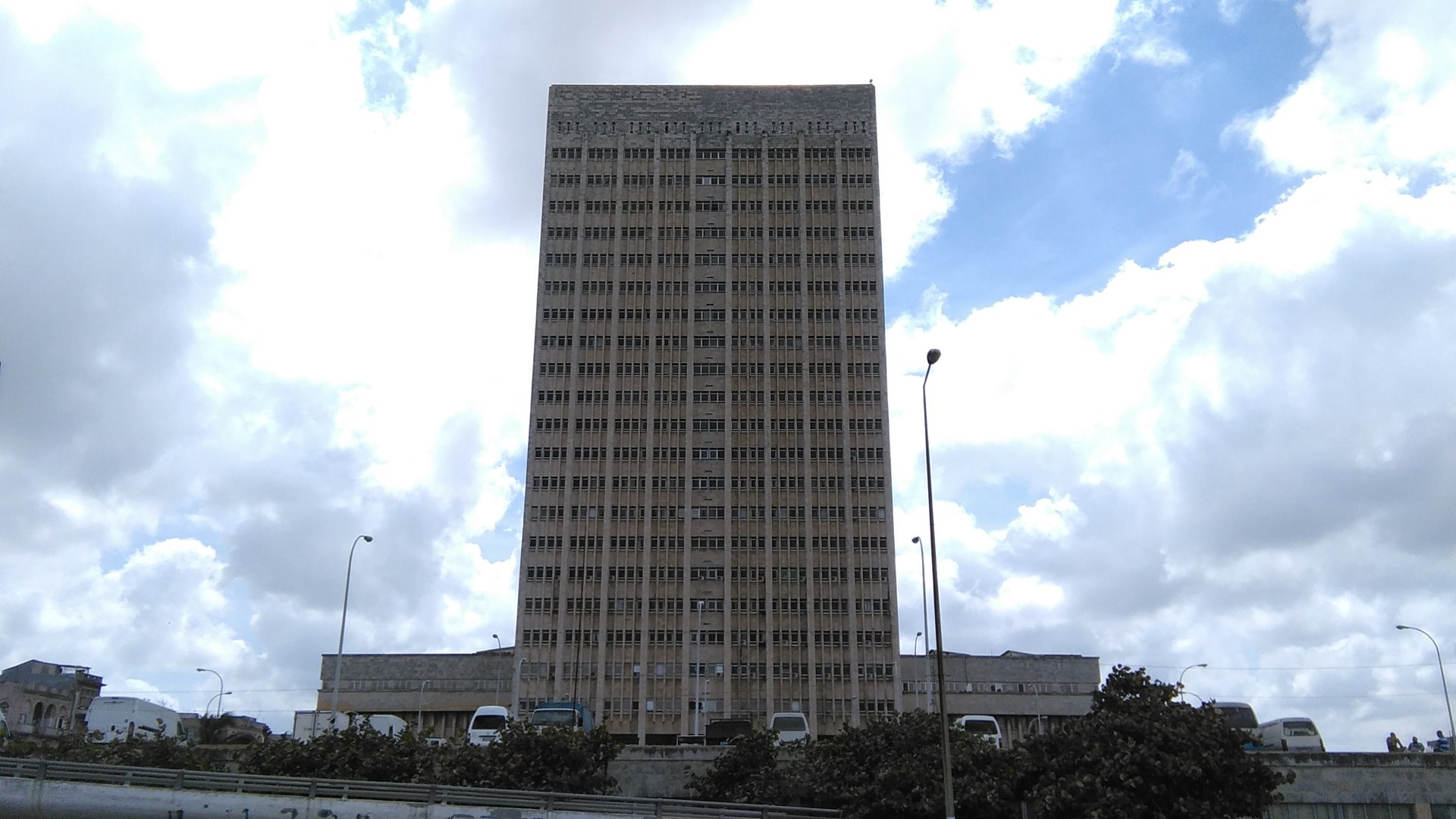
Family care runs through 10,541 basic health teams, each one a family doctor’s neighbourhood office, according to Table 104 of the yearbook. It lists 12,719 family doctors, with 1,961 in Santiago de Cuba province and 1,674 in Havana.
The yearbook records 6.5 hospital beds per 1,000 people and 161 intensive-care services in 2025. It says 99.7% of births took place in institutions.
Vaccination coverage in the national programme stayed above 98% in 2025, the yearbook says. It states that polio, diphtheria, neonatal tetanus, whooping cough, measles, rubella and mumps remain eliminated.
Where Health Care Is Breaking Down
Table 102 of the yearbook shows the number of doctors peaking at 106,131 in 2021, or 96.2 per 10,000 people. By 2025 the count had fallen to 71,635, or 74.7 per 10,000, a loss of 34,496 doctors or 32.5%.
The table gives no reasons for the fall and does not say how many doctors left the country. We therefore name no cause.
Infant mortality rose to 9.9 deaths per 1,000 live births in 2025, from 7.1 in 2024, the yearbook says. Under-five mortality was 12.1 per 1,000, and maternal mortality was 44.1 per 100,000 live births, against 40.6 in 2024.
Our news report on the rise in Cuba’s infant death figure covers that number in detail. PAHO’s profile gave 7.6 per 1,000 for 2021, and the yearbook gives no cause for the rise.
UN officials told a briefing in New York on Friday 15 May 2026 that blackouts of up to 20 hours in some areas had forced hospitals to suspend non-emergency operations. They had just returned from a three-day visit to Cuba.
The visitors were Edem Wosornu, director of operations and advocacy at OCHA, the UN humanitarian office, and Altaf Musani, a World Health Organization official. They said fuel shortages also limit ambulances.
They said more than 100,000 patients, including 11,000 children, were waiting for surgeries delayed by outages and shortages. About five million people with chronic illnesses were at risk of interrupted treatment, including more than 16,000 needing radiation therapy and more than 12,000 on chemotherapy.
More than 32,000 pregnant women face higher risks, the officials said. Wosornu described one scene: “Staff have to carry water up the stairs while women give birth since pumps don’t work.”
Musani said: “Human cost is significant and continues to grow.” Both officials praised the resilience of local doctors and nurses, and said routine immunisation continues but is under strain in its cold chain (refrigerated vaccine storage), transport and supplies.
OCHA’s “Plan of Action, United Nations System Cuba,” issued in March 2026, says Cuba has faced a severe fuel shortage since January 2026. It says the energy shock affects safe water, health, sanitation, education and food.
The plan states that on 29 January 2026 the US government issued an executive order further restricting the supply of oil or fuel from third countries to Cuba. It adds that, according to Cuban authorities, no fuel imports were recorded from 13 December 2025 to the plan’s close.
Cuba’s Doctors Abroad
In May 2026, marking 63 years of Cuban medical collaboration, Cuban officials said more than 600,000 health workers have served in 165 countries. They said the programme faces pressure from the United States.
Cuba’s Foreign Ministry said in March 2026 that Jamaica had told Cuba on 4 March that it was ending the health cooperation agreement. Cuba said it was bringing home a brigade of 277 professionals, and that more than 4,700 Cuban medical professionals had served in Jamaica over 30 years.
The ministry said Jamaica was yielding to pressure from the United States government. Jamaica’s Foreign Minister, Kamina Johnson Smith, told the Standing Finance Committee, a budget panel of Jamaica’s House of Representatives, in Kingston on Thursday 5 March 2026 that US concerns did not ultimately influence the decision.
She said: “Where the programme came into conflict with those things, unfortunately, we were not able to reach agreement on correcting them and that is why the programme has ended.” By “those things” she meant the treatment of the Cuban professionals under Jamaican law and international labour practice.
The US State Department, Washington’s foreign ministry, published a “Report to Congress on Coerced and Trafficked Labor of Cuban Medical Professionals” in August 2026. The report was required by Section 7045(e)(1) of the 2026 appropriations act, the law that funds the State Department and foreign programmes.
It says the Cuban government has “a policy or pattern of forced labor in its labor export program, which includes medical missions.” The department puts the number of Cuban medical workers abroad at 15,000 to 18,000 in 51 countries in 2026.
That is down from 24,000 in more than 58 countries at the start of 2025. The department says 15 governments pay the Cuban government directly, but that how they pay “varies and is difficult to independently corroborate.”
Cuba presents the programme as solidarity cooperation that is under US pressure. Our reporting covers Cuban doctors in Mexico and US sanctions on Cuba’s health minister over doctors sent abroad.
The two governments describe the same programme in opposite terms, and the public record does not settle the dispute. It also carries no words from the doctors themselves.
How Cuban Schools Work and Where They Strain
Naima Trujillo Barreto, Cuba’s education minister, told a press conference in late August 2026 that about 1,400,000 children and adolescents were enrolled for the 2026-27 school year. The year began on 1 September.
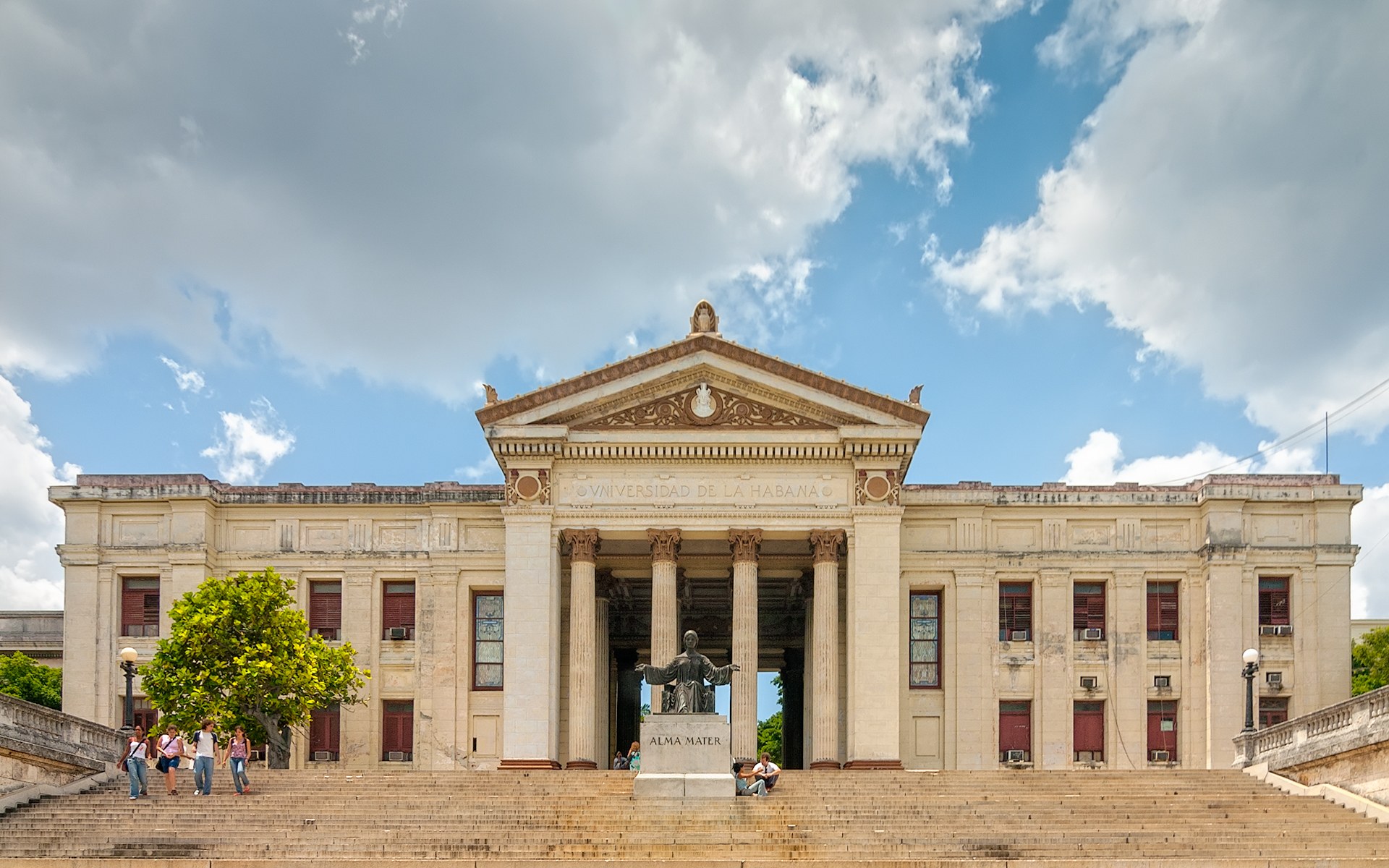
The minister called teacher coverage one of the main challenges for the system. She said trained permanent staff provide 73% total coverage, and that other means fill the rest.
Between 17,000 and 23,000 students had remained far from their schools in the previous school year. That count comes from the ministry’s own account of the previous school year.
She said there are more in-person classes than last year, but not as before the difficulties that worsened in February 2026. Schools will organise their days in different ways.
Breaks, catch-up lessons and two shifts a day vary by school. Uniforms are a visible gap, because industry reached August with about 12% of primary-school uniform production.
Trujillo cited electricity problems, transport of fabric and limits on importing supplies as the reasons. She said no student should be kept out of school for lacking a uniform.
On Tuesday 19 May 2026, on Mesa Redonda, a Cuban state television programme, Trujillo said the school year would end early and entrance exams for higher education were dropped for this year. At moments between 10,000 and 22,000 students were in exceptional conditions, she said.
PAHO’s country profile reports a literacy rate of 99.9% in 2021 and 10.7 average years of schooling, a figure reached by 2019. Both numbers predate the 2026 disruptions, so they show the baseline and not today’s classrooms.
Sanctions, Travel and Health for US Readers
OFAC, the US Treasury’s sanctions office, said on its Cuba FAQ page, updated Tuesday 29 September 2026, that scholarships, grants and awards for educational activities are authorised under section 515.590 of the Cuban Assets Control Regulations, the US rules on Cuba. The same section covers certain humanitarian projects, scientific research and religious activities.
The licence excludes direct financial transactions with entities on the State Department’s Cuba Restricted List, a list of Cuban entities, and from 30 September 2026 it excludes indirect ones too. Anyone planning a grant or scholarship should read the current text of section 515.590 first.
OFAC’s FAQ 774 says US insurers may pay claims under global health or travel policies of third-country nationals travelling in Cuba. Cuba-specific travel insurance for authorised US travellers falls under section 515.560.
The US Centers for Disease Control and Prevention (CDC), the federal public-health agency, lists a Level 1 (its lowest warning level), “Practice Usual Precautions” global dengue notice for Cuba, updated 10 November 2026. It recommends hepatitis A vaccination for unvaccinated travellers aged one year or older.
For chikungunya, a mosquito-borne virus, the CDC says to prevent mosquito bites and that vaccination is generally not recommended. Travellers should check the CDC page for current notices before they go.
Readers who want the wider politics can start with our Cuba hub and our guide to who holds power in Cuba. Both give background to the systems described here.
What Is Not Known
The yearbook’s table on doctors does not say why the number fell, and it does not say how many doctors left the country. We therefore draw no conclusion about the cause.
Two sources disagree on the size of the population. PAHO’s estimate for 2024 is 10,979,783, while the Cuban yearbook counts 9,591,301 for 2025, and we do not reconcile them.
Cuba’s Foreign Ministry says Jamaica yielded to US pressure, while Jamaica’s foreign minister says it did not, and the US State Department says Cuba runs a forced-labour programme. None of these claims is settled by the public record, and each government is quoted above in its own words.
Our sources do not settle how much of the fuel shortage comes from the 29 January 2026 US executive order and how much from other causes. The UN plan lists that order among the external measures that reduced the supply of oil.
The constitution still promises free care and free schooling, and the yearbook shows vaccination coverage above 98% in 2025. The UN officials, the education minister and the yearbook all describe real strain, and the next yearbook will show how far it has deepened or eased.
Frequently Asked Questions
Is health care free in Cuba?
Yes in law, because Article 72 of the constitution makes medical attention the State’s responsibility, free of charge. In practice, blackouts and fuel shortages forced hospitals to suspend non-emergency operations, UN officials said in May 2026.
Are there enough doctors?
Cuba has fewer doctors than at its 2021 peak, and the yearbook does not say why. UN officials said in May 2026 that many patients wait for surgeries delayed by outages and shortages.
Is the Cuban school year back to normal?
No. The education minister said in August 2026 that classes would be more in person than the year before, but not as before the difficulties that worsened in February 2026.
How do Cuba and the US describe the doctors abroad programme?
Cuban officials call the programme international medical cooperation. The US State Department calls it a state labour export scheme that involves forced labour, and Cuba calls it solidarity cooperation.
Is Cuban education free?
Yes in law, because Article 73 of the constitution guarantees free education from preschool until the postgraduate level. The Ministry of Education says teacher coverage and uniform supplies strain the 2026-27 school year.
Can US citizens fund Cuban schools?
OFAC authorises scholarships, grants and awards for educational activities under section 515.590. It excludes direct, and from 30 September 2026 indirect, dealings with entities on the State Department’s Cuba Restricted List, so read the rule before giving.
Sources: Cuba Ministry of Public Health, Anuario Estadístico de Salud 2025, edition 54 (Dirección de Registros Médicos y Estadísticas de Salud, published October 2026, files.sld.cu); Pan American Health Organization, Health in the Americas+, Cuba country profile (hia.paho.org, read 23 November 2026); Constitution of Cuba 2019, Articles 72 and 73, English translation at constituteproject.org; UN briefing in New York by Edem Wosornu (OCHA) and Altaf Musani (WHO), 15 May 2026; OCHA, Plan of Action, United Nations System Cuba (March 2026); Cuban Ministry of Education, press conference of late August 2026 and Mesa Redonda programme of 19 May 2026; Cuban health officials, event marking 63 years of medical collaboration (May 2026); Cuba’s Foreign Ministry, statement of March 2026; Jamaica’s Foreign Minister Kamina Johnson Smith, House of Representatives, 5 March 2026 (jis.gov.jm); US State Department, Report to Congress on Coerced and Trafficked Labor of Cuban Medical Professionals (August 2026); US Treasury OFAC, Cuba FAQs, sections 515.590 and 515.560 and FAQ 774 (ofac.treasury.gov, updated 29 September 2026); US Centers for Disease Control and Prevention, Cuba traveller page (read 23 November 2026)
This article was produced by The Rio Times’ automated AI newsroom. Editorial responsibility: Matthias Camenzind, Publisher and Editor-in-Chief. The Rio Times also runs Ask Rio Times, which answers from 100,000+ of our own articles, the daily Latin America Power Map, and prediction-market odds on elections and markets.. How we use AI · Report an error
Expat Guide to Cuba
What The Rio Times publishes for foreigners who live in or move to Cuba.
Start here
- Cuba Security and Crime Explained 2026
- Moving to Cuba 2026, Step by Step
- Panama Visa Appointment System Launches for Havana Applicants
- Spain and Portugal Close Their Golden Visa Doors, Forcing LATAM Investors to Reroute
Understand Cuba
Cuba and the United States
- What Is Going On Between Cuba and the United States?
- What Is Going On Between Cuba and the United States?
- Can Americans Still Travel to Cuba in 2026?
- Who Runs Cuba in 2026? Raúl Castro and the US Murder Charge