US Sanctions Cuba’s Health Minister Over Doctors Sent Abroad
World
Key Facts
—The move. On July 23 the US sanctioned nine Cuban state entities and two officials, including Health Minister José Ángel Portal Miranda.
—The target. The overseas medical-brigade network, including the Central Unit for Medical Cooperation (UCCM) and its director, Gretza Sánchez Padrón.
—The US case. Washington calls the program a systematic policy of forced labor and human trafficking, saying the state keeps between 50% and 95% of the wages paid by host countries.
—The scale. US officials say the program involves tens of thousands of health workers in more than 50 countries.
—The legal basis. The sanctions rely on an executive order signed in May 2026; Secretary of State Marco Rubio also imposed related visa bans.
Washington has hit Cuba where it earns some of its hardest currency: its doctors abroad. New US sanctions target Cuba’s health minister and the network behind its overseas Cuba medical missions, a program the US calls forced labor and Havana defends as solidarity.
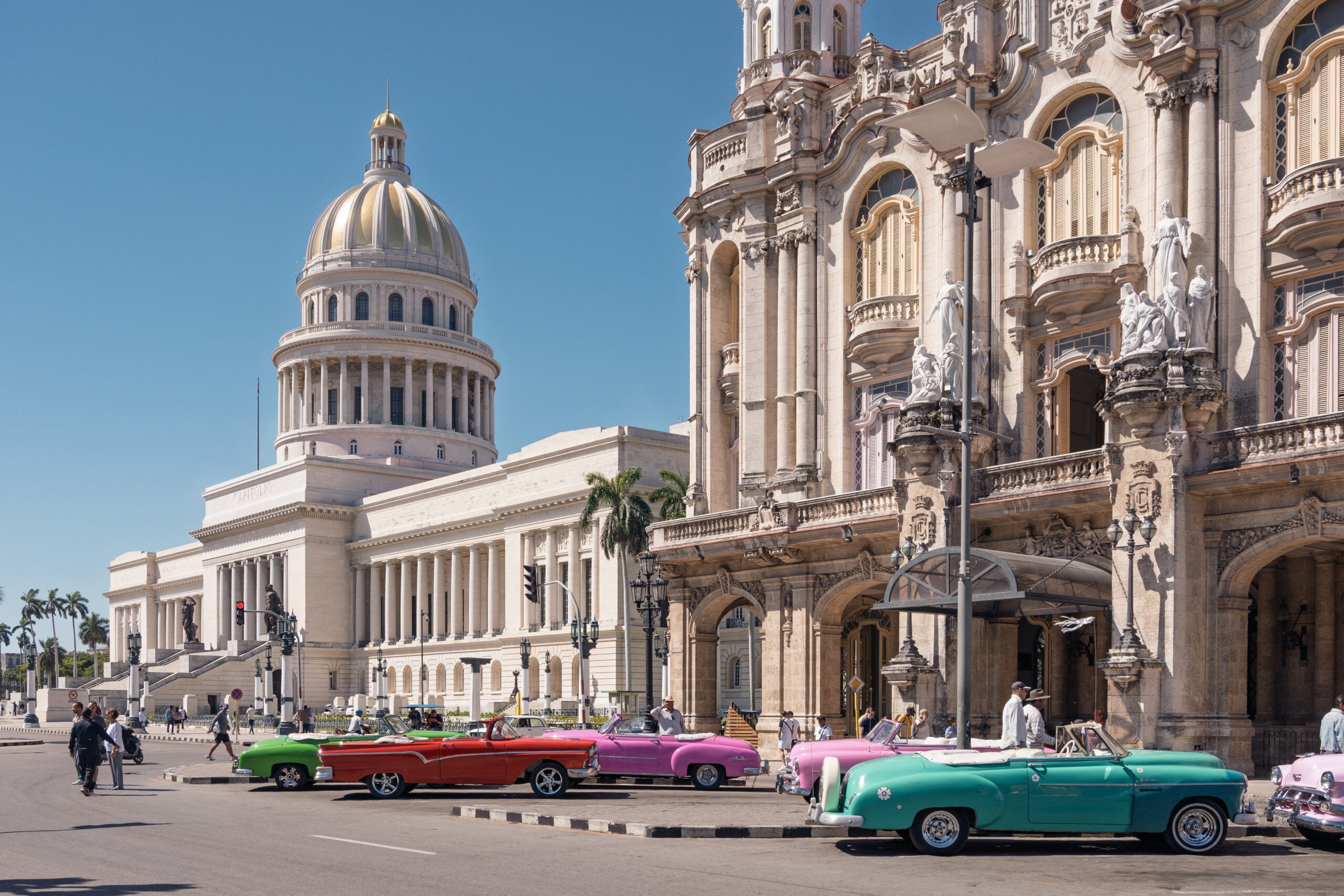
Cuba’s practice of sending doctors and nurses abroad is one of the island’s biggest sources of foreign currency and a pillar of its foreign policy. It is also one of the sharpest points of friction with the United States.
That friction escalated with a new round of sanctions.
What Washington Did
The US State Department designated nine Cuban state-linked entities and two senior officials, among them Health Minister José Ángel Portal Miranda and the head of the unit that recruits and manages the overseas medical staff.
Washington characterizes the missions as forced labor and a form of human trafficking, alleging the Cuban state pockets most of the wages that host governments pay for the doctors’ work.
Havana’s Response
Cuba rejects the accusation. It presents the missions as humanitarian cooperation that brings care to underserved communities across dozens of countries, and casts the forced-labor label as a US pressure tactic against its government.
For many recipient nations, the Cuban brigades fill real gaps in rural and public health care, part of why the program has endured despite years of US objections.
Why It Matters
The medical missions are a major hard-currency earner for a cash-strapped Cuban economy, so the sanctions strike at both its finances and its international image.
They also fit a wider US campaign of pressure on Havana, which has recently extended to health officials in other countries that host Cuban doctors.
Why the Missions Matter to Both Sides
Cuba’s medical missions are among its largest sources of foreign income and a cornerstone of the island’s influence abroad. Cutting into that revenue strikes at an economy already short of hard currency.
For host countries, especially poorer ones, the Cuban brigades staff clinics where local doctors are scarce, which is why the program has lasted decades. Defenders frame it as solidarity and public health.
Washington’s objection rests on the structure: it argues that when the state keeps most of the wages and controls the workers, the label of forced labor applies. Some rights groups have echoed those concerns.
Cuba counters that participation is voluntary and that the earnings fund its own free health system at home. The dispute is unlikely to be settled by sanctions alone, given how many countries still want the doctors.
More: Cuba news in English, every day from The Rio Times.
Frequently Asked Questions
Who did the US sanction in Cuba?
On July 23 the US sanctioned nine Cuban state entities and two officials, including Health Minister José Ángel Portal Miranda and the director of the unit that manages Cuba’s overseas medical missions.
Why did the US impose the sanctions?
Washington calls Cuba’s overseas medical-mission program a systematic policy of forced labor and human trafficking, alleging the state keeps 50% to 95% of the wages host countries pay for the doctors.
How does Cuba respond?
Cuba rejects the accusation, presenting the missions as humanitarian cooperation that provides care in underserved communities and calling the forced-labor label a US pressure tactic.
Sources
- Manila Times / AFP – New US sanctions target Cuban international medical missions
- Cuba Headlines – US targets Cuba’s health minister and medical mission infrastructure with sanctions
Connected Coverage
- Meliá Exits Cuba as US Sanctions Bite Tourism
- US Sanctions Cuba’s Tourism Ministry, Deepening an Economic Crisis
Sources: US State Department.
This article was produced by The Rio Times’ automated newsroom system. How we use AI · Report an error · Editorial responsibility: Matthias Camenzind, Editor-in-Chief
LatAm Markets: Live Signals → — real-time movers, turnover leaders and FX across Latin America.
Cuba and the United States
- What Is Going On Between Cuba and the United States?
- What Is Going On Between Cuba and the United States?
- Can Americans Still Travel to Cuba in 2026?
- Who Runs Cuba in 2026? Raúl Castro and the US Murder Charge