Religion in Cuba Explained 2026
Cuba is officially secular, but faith runs through Catholic parishes, African-rooted Santería and Protestant congregations, and the state decides which groups are legally recognised.
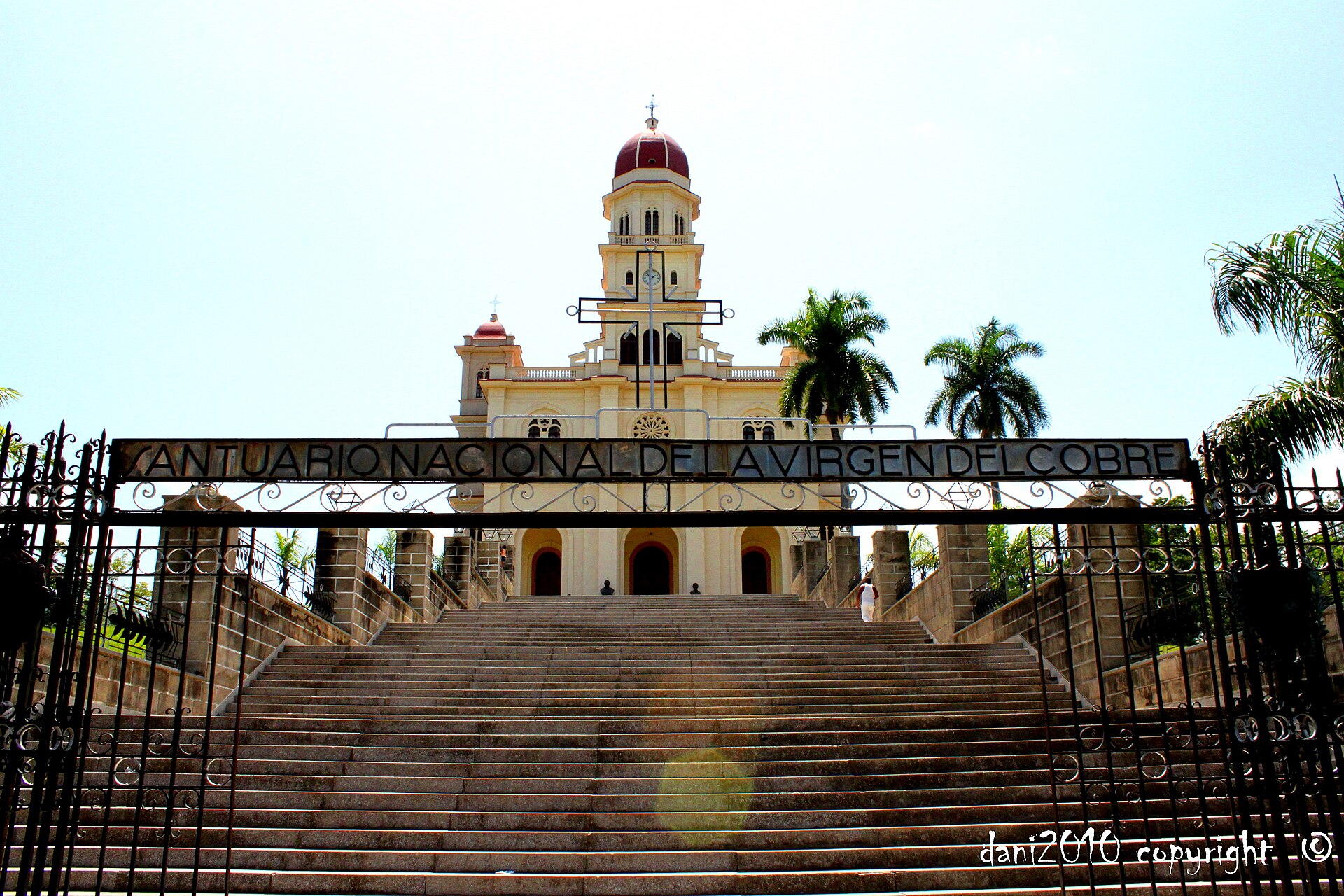
CUBA · RELIGION AND FAITH
Cuba calls itself a secular republic, yet faith runs through daily life on the island, from the national shrine of the Virgin of Charity at El Cobre, in eastern Cuba, to the drums and offerings of Santería, an Afro-Cuban religion with West African Yoruba roots. Religion in Cuba is also a political subject, because the state decides which groups it recognises.
This guide explains who believes what, how the Cuban state regulates religion, and what it means for US readers. Americans meet the island through sanctions, travel rules and church-run aid, so the Church is part of the story they follow.
Key Facts
- Faith A US research centre’s model puts 60.7% of Cubans as Christian and 21.6% as unaffiliated (2020).
- Law The 2019 constitution makes Cuba secular; churches must still register with the Justice Ministry.
- Santería An Afro-Cuban faith with West African Yoruba roots and Catholic overlap; no reliable count exists.
- Visitors US religious travel falls under a general licence that requires a full-time schedule of religious activities.
- Power Index Cuba ranks 14th of 14 in The Rio Times Latin America Power Index, with 22.5 points (November 2026 edition).
Cuba is officially secular, but faith runs through Catholic parishes, African-rooted Santería and Protestant congregations, and the state decides which groups are legally recognised.
How Many Cubans Are Religious?
Nobody knows exactly. The US State Department wrote in its 2018 religious freedom report, published in 2019, that there is “no independent, authoritative source on the overall size or composition of religious groups” in Cuba.
The best modelled estimate comes from Pew Research Center, a US research centre, which put Christians at 60.7% of Cuba’s roughly 11 million people in 2020. It counted 21.6% as religiously unaffiliated and 17.4% as followers of other religions, a group that includes small and traditional faiths.
Pew projects the Christian share at 58.4% in 2070, as the population shrinks to about 6.9 million. Its published page says the 2020 figures rest on census and survey data, and later years are projections.
The Catholic Church gives a higher figure. The State Department’s 2018 report said the Church estimates that 60% to 70% of Cubans identify as Catholic.
The US Commission on International Religious Freedom (USCIRF), an independent US government commission, repeats the 60% figure in its 2026 report. It adds that independent data are limited, and that a majority of Cubans, especially Afro-Cubans, observe traditions rooted in Africa.
What the Constitution Promises
Article 15 of the 2019 constitution says that “The Republic of Cuba is secular” and that religious institutions are separate from the State, with the same rights and duties. Article 57 gives every person the right to profess or not profess a belief, “in accordance with the law.”
Article 42 bans discrimination on grounds of religious belief, so the text itself sets a high bar. The quotes here come from an English translation of the constitution.
The catch is registration. USCIRF says the Law of Associations requires religious organisations to apply to the Ministry of Justice, which houses the Office of Religious Affairs, and that the office often denies applications or fails to answer them.
USCIRF also says belonging to an unregistered group is a crime in practice, and that the Penal Code effectively cancels the constitutional guarantees. Those are USCIRF’s findings, not Cuban government positions.
The Catholic Church and the State
Catholicism is the largest Christian tradition on the island, and its bishops are the most visible religious voice. Cardinal Juan de la Caridad García Rodríguez has been archbishop of Havana since 22 May 2016, while Bishop Arturo González Amador of Santa Clara has led the Cuban bishops’ conference, the body of the island’s Catholic bishops, since November 2024.
On Saturday 7 November 2026 the Holy See Press Office, the Vatican’s official news desk, announced that Pope Leo XIV had named Bishop Juan Gabriel Díaz Ruiz, until then bishop of Matanzas, archbishop of Santiago de Cuba. Santiago is the archdiocese that includes the El Cobre shrine.
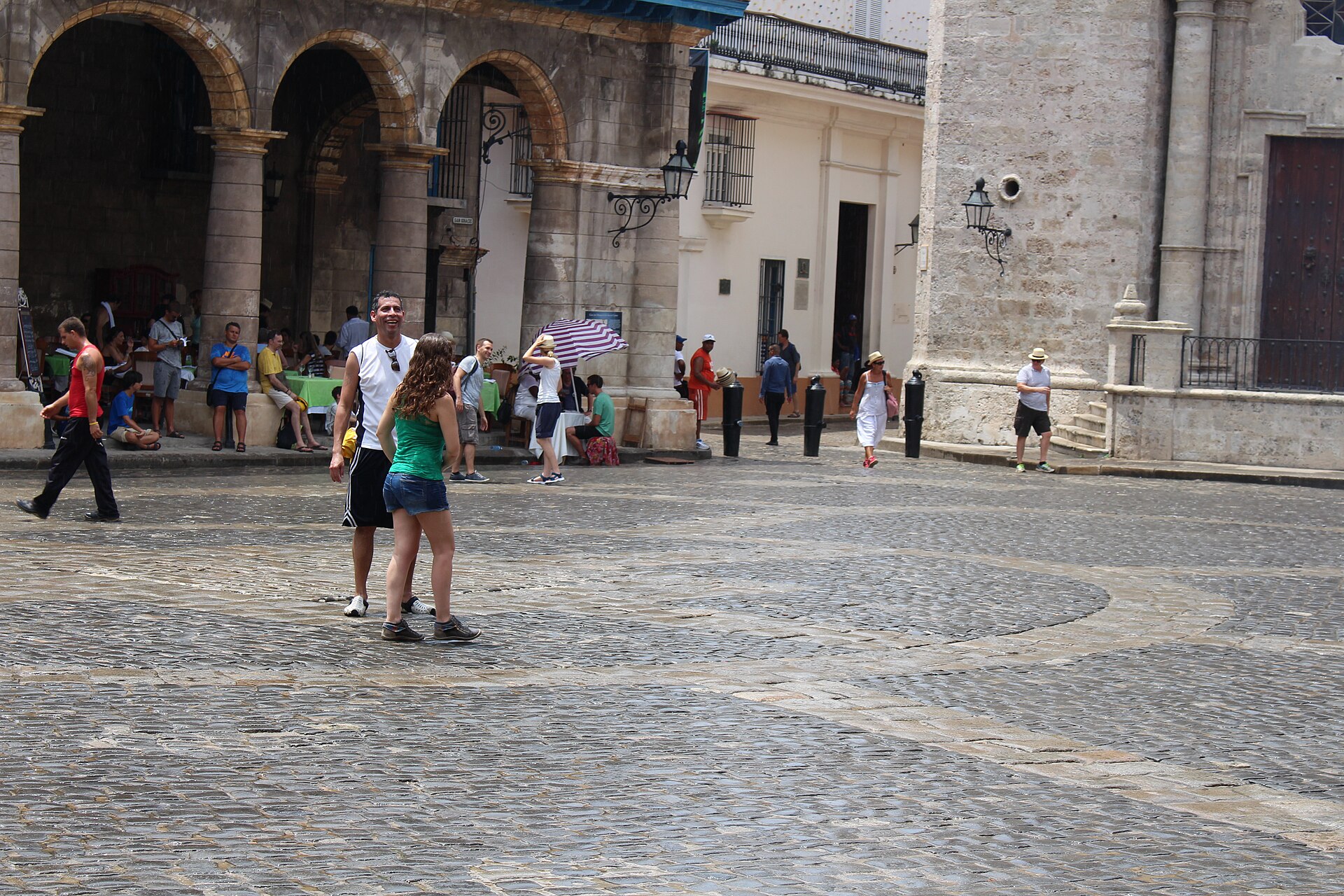
Three popes have visited in recent decades. John Paul II came in January 1998, Benedict XVI on 26 to 28 March 2012 and Francis on 19 to 22 September 2015, according to the bishops’ conference and the Vatican’s own travel pages.
The state made a visible concession before the first visit. In December 1997 the government declared Christmas an official holiday for that year, ahead of John Paul II’s trip.
The Church is also a social actor in a country in economic crisis. USCIRF says religious organisations help meet humanitarian needs, and that they sometimes draw extra harassment for indirectly highlighting government shortfalls.
Santería, the Faith Many Cubans Mix With Catholicism
Santería, also called Regla de Ocha, is an Afro-Cuban religion that grew from West African Yoruba beliefs. Followers honour spirits called orishas, and many identify each orisha with a Catholic saint.
The State Department’s 2018 report noted that these practices are often intermingled with Catholicism, and that some require Catholic baptism for full initiation. That overlap is why a single survey answer cannot say how many Cubans practise it.
At the start of 2026 the Yoruba Cultural Association of Cuba, a religious association in Old Havana, published its annual “Letter of the Year,” a set of predictions drawn from divination. It named Oggún, the orisha of iron and work, as the ruling spirit for 2026, with Oshún as companion.
Not every Yoruba-tradition group is tolerated. USCIRF says the Free Yoruba Association of Cuba is treated as a criminalised organisation, and that one of its leaders, Loreto Hernández García, remains imprisoned.
Protestants, Pentecostals and Smaller Faiths
The State Department’s 2018 report put Protestant membership at about 5% of the population and said some observers consider Pentecostals and Baptists the largest groups. The Assemblies of God, a Pentecostal denomination, reported about 150,000 members, and the four Baptist conventions reported more than 100,000 combined.
Jehovah’s Witnesses estimated 96,000 members and Methodists 50,000 in the same report. These are self-reported church figures from 2018.
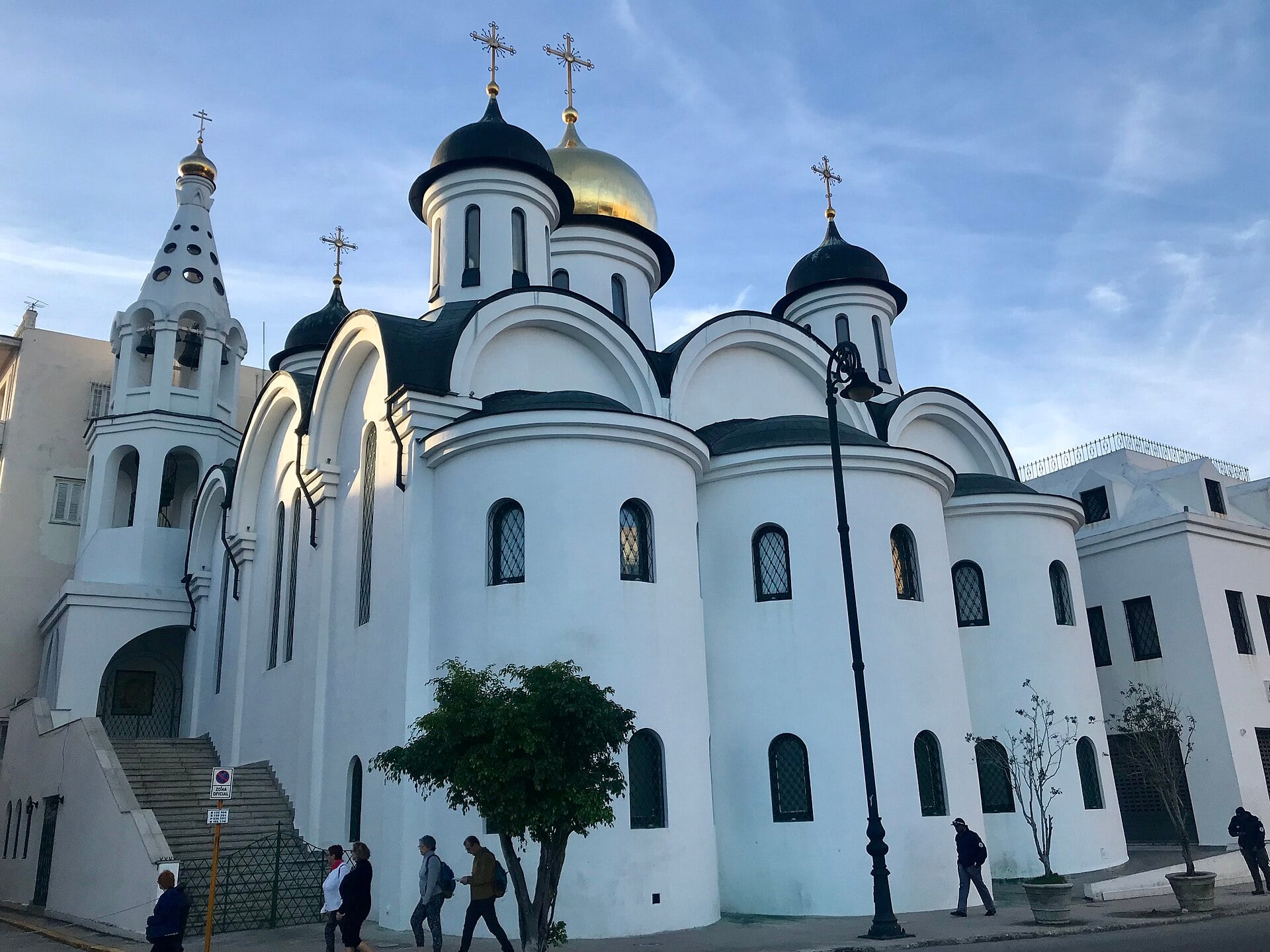
USCIRF lists Muslims, Buddhists, Jews, Anglicans, Quakers and members of the Greek and Russian Orthodox churches among the island’s smaller groups. It describes a tiered system in which churches linked to the Cuban Council of Churches, a state-recognised body that the State Department’s 2018 report described as mostly Protestant, enjoy the most supportive relationship with the state.
Registered groups outside the council are more heavily repressed, in USCIRF’s account, and unregistered groups are criminalised. The sources we checked give no growth series, so we cannot say whether Protestant churches are growing.
Church and State in 2026
The bishops have spoken out as the crisis deepened. On Saturday 31 January 2026 the Cuban bishops wrote that “Cuba needs changes, and they are increasingly urgent, but it does not need any more anguish or pain,” and warned that “the risk of social chaos is real.”
The next day, Sunday 1 February, Pope Leo XIV said he had received news of rising tension between Cuba and the United States with great concern, and joined the bishops’ message, inviting all leaders to promote “sincere and effective dialogue.” On 12 February the bishops asked him to postpone their ad limina visit, the periodic report to the Pope in Rome that had been set for 16 to 20 February, citing the worsening economic situation.
In Washington, USCIRF recommended in 2026 that Cuba be redesignated a “country of particular concern,” the State Department’s label for severe religious-freedom violators. The department last applied that label on 29 December 2023, and the commission’s report cites civil-society counts of hundreds of arbitrary detentions, fines and blocks on attending services in 2025.
Examples in the report include a Cuban Council of Churches pastor fined 15,000 Cuban pesos (about US$625, USCIRF’s conversion) and the Ladies in White, relatives of jailed dissidents, being stopped from attending Sunday Mass. The report is the view of a US government commission, and we did not find a Cuban government reply in the sources checked.
What It Means for US Readers
Religion is one of the licensed reasons Americans can travel to Cuba. The US Treasury’s sanctions office, the Office of Foreign Assets Control (OFAC), allows religious organisations and their members to travel under a general licence in section 515.566 of Title 31 of the Code of Federal Regulations, if the trip is for a full-time schedule of religious activities.
The rule does not authorise financial or material donations to Cuba or Cubans, and it excludes lodging at properties on the State Department’s prohibited accommodations list. Travellers must keep records of the transactions.
OFAC amended the rule on 30 September 2026, and from that date the licence also excludes indirect financial transactions with entities on the State Department’s Cuba Restricted List, its list of entities tied to Cuba’s military, intelligence and security services, with which US persons may not have direct or indirect financial dealings. Anyone planning a church trip should read the current text on the OFAC website first, because this guide is not legal advice.
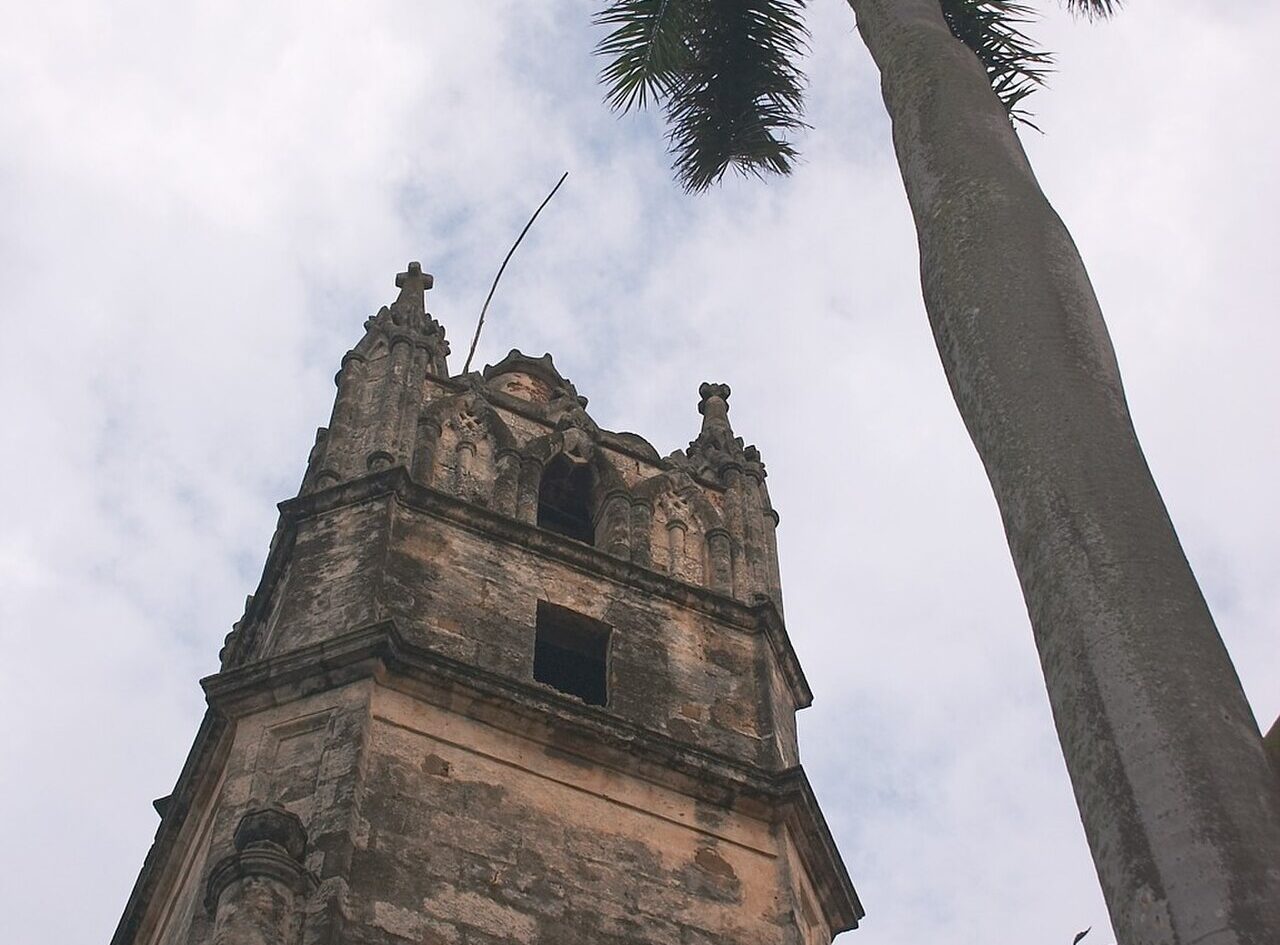
US policy also uses religion as a lens. Our earlier report on a church charity’s distribution of US aid shows how congregations can carry help to families, and USCIRF’s recommendations show Washington treating religious freedom as a pressure point.
For background on who holds power on the island, read our guide to power in Cuba and our guide to the island’s population and ethnic groups. The history of Cuba gives the longer background, and the Cuba news hub tracks what happens next.
What Is Not Known
There is no official count of believers, so every share in this guide is an estimate with a named author and a date. The Cuban government has not published its own breakdown that we could find, and the Catholic and Protestant figures come from the churches themselves.
We could not confirm how many religious groups are registered, how many applications are pending or whether the new US licence rules have changed church travel in practice. The next USCIRF report and the next State Department report should show whether the picture is shifting.
Frequently Asked Questions
Is Cuba an atheist country?
Not officially. The 2019 constitution calls the republic secular and protects the right to profess or not profess a belief, and Pew finds about a fifth of Cubans unaffiliated.
What is the biggest religion in Cuba?
Christianity, which Pew puts at 60.7% of Cubans. Catholics form the largest group, and Santería overlaps with Catholicism, so many Cubans belong to both.
What is Santería?
It is an Afro-Cuban religion rooted in Yoruba beliefs from West Africa. Followers honour spirits called orishas, and many link each one to a Catholic saint.
Can Americans travel to Cuba for church work?
Yes, under OFAC’s general licence for religious activities, if they follow its conditions. It requires a full-time schedule of religious activities and does not authorise donations, so read the current rule first.
Can churches operate freely in Cuba?
Services take place, but groups must register with the Ministry of Justice. USCIRF says unregistered groups face harassment, while registered ones follow state rules.
Who leads the Catholic Church in Cuba?
Bishop Arturo González Amador of Santa Clara presides over the bishops’ conference, and Cardinal García Rodríguez is archbishop of Havana. The Pope appoints each bishop.
Sources: Pew Research Center, The Future of World Religions, Cuba country page (pewresearch.org, read 21 November 2026); USCIRF Annual Report 2026, Cuba chapter (uscirf.gov); US State Department 2018 Report on International Religious Freedom: Cuba (2019); Constitution of Cuba 2019, Articles 15, 42 and 57, English translation at constituteproject.org; 31 CFR 515.566 and OFAC FAQ 705 (ofac.treasury.gov, updated 29 September 2026); Holy See Press Office bulletin of 7 November 2026 (press.vatican.va); Pope Leo XIV, Angelus of 1 February 2026 (vatican.va); Vatican apostolic journey pages for Cuba 1998 (vatican.va); Cuban bishops’ conference website (iglesiacubana.org); Vatican News, 8 November 2024, on the election of the conference president
This article was produced by The Rio Times’ automated AI newsroom. Editorial responsibility: Matthias Camenzind, Publisher and Editor-in-Chief. The Rio Times also runs Ask Rio Times, which answers from 100,000+ of our own articles, the daily Latin America Power Map, and prediction-market odds on elections and markets.. How we use AI · Report an error
Expat Guide to Cuba
What The Rio Times publishes for foreigners who live in or move to Cuba.
Start here
- Cuba Security and Crime Explained 2026
- Moving to Cuba 2026, Step by Step
- Panama Visa Appointment System Launches for Havana Applicants
- Spain and Portugal Close Their Golden Visa Doors, Forcing LATAM Investors to Reroute
Understand Cuba
Cuba and the United States
- What Is Going On Between Cuba and the United States?
- What Is Going On Between Cuba and the United States?
- Can Americans Still Travel to Cuba in 2026?
- Who Runs Cuba in 2026? Raúl Castro and the US Murder Charge