Cost of Living Porto Alegre Brazil 2026 — Rent, Budgets and Flood Lessons for Expats
GUIDES · BRAZIL
Key Facts
- —What it is A southern state capital where one person typically spends about US$990 a month, rent included, by private estimates.
- —Who it’s for Foreigners who want a large, service-rich city, gaucho culture and four real seasons rather than beach life.
- —What it costs A bus ride is R$5.30 (about US$1.03); average rent is R$43.50 (about US$8.46) per square metre.
- —Why it matters Prices are set in reais, so every move in the exchange rate changes a dollar budget without any local change.
- —The catch The 2024 flood made elevation, drainage and building history part of every housing decision in the city.
The cost of living Porto Alegre Brazil offers sits close to Curitiba and below Florianópolis — here is what it means in dollars and reais.
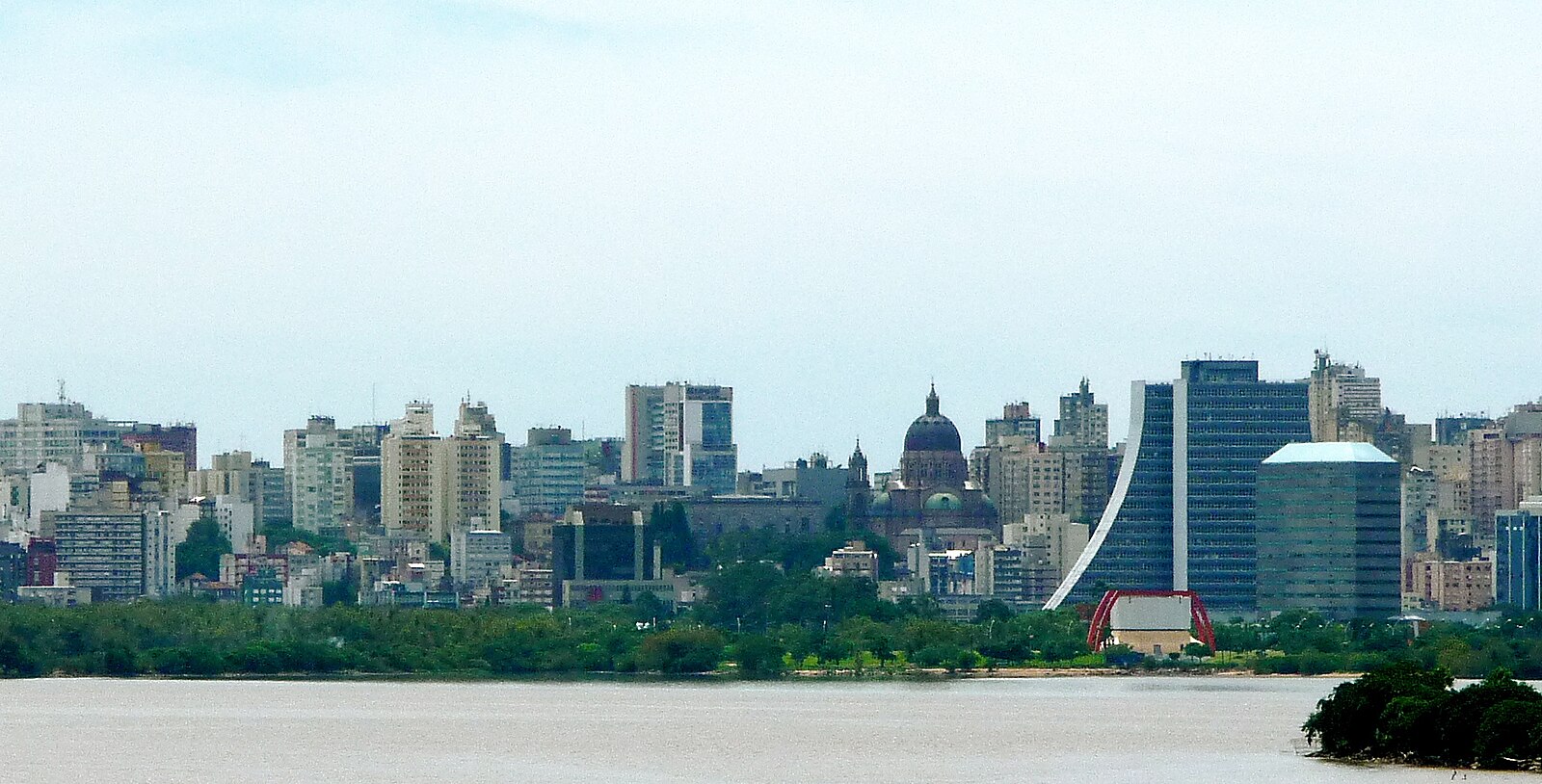
The cost of living Porto Alegre Brazil offers in 2026 is mid-range for the south: close to Curitiba, below Florianópolis. Private data put one person’s monthly spending, rent included, near US$990, but the exchange rate decides what that means for you.
What the cost of living Porto Alegre Brazil looks like in 2026
Porto Alegre is the capital of Rio Grande do Sul, Brazil’s southernmost state, with about 1.3 million people in the city itself. It is neither a bargain nor a premium destination; it sits in the middle band of Brazil’s large cities.
All figures here use a rate of 5.14 reais to the dollar, at 19 September 2026 exchange rates. No official cost-of-living total for foreigners exists, so the budget totals below are private estimates.
The exchange rate is the biggest variable in the cost of living in Porto Alegre, Brazil for anyone earning in dollars. A rent of R$3,000 costs about US$584 today.
If the real weakens to 5.50 to the dollar, that same rent falls to about US$545. At 4.80 to the dollar, it rises to about US$625 — the flat is the same, only your currency moved.
Monthly budgets for singles and couples
The comparison site CityCost, updated in September 2026, estimates about US$988 a month for one person in Porto Alegre, rent included. For a couple, the same source gives about US$1,515.
These are model-based estimates, not official figures, and they assume a modest one-bedroom flat and ordinary spending. Treat them as a floor for a careful life, not a ceiling.
A single person who wants Moinhos de Vento, frequent restaurants and private health cover should plan well above that estimate. No reliable dataset publishes an upscale expat budget, so build yours from real rent quotes and insurance offers.
Couples gain from sharing rent and utilities, so the couple estimate is only about one and a half times the single figure.
Live Company IntelligencePorto Seguro S.A — the full investor dossier
Valuation & profitability
Price & risk
$42.8752-wk high
$55.55
Revenue trend · 6y
Ownership
Dividend
Rent by bairro: how the tiers really look
The QuintoAndar–Imovelweb rental index put Porto Alegre’s average asking rent at R$43.50 (about US$8.46) per square metre in July 2026. That was 11.1% higher than a year earlier, so rents have been rising faster than general inflation.
At that average, a 60-square-metre flat would ask about R$2,610 (about US$508) a month before condominium fees. Condominium fees and the municipal property tax, IPTU, are often charged on top.
Housing is where the cost of living in Porto Alegre, Brazil varies most.
The top tier is Mont’Serrat, at R$75.70 (about US$14.73) per square metre. Bela Vista, at R$65.30 (about US$12.70), and Moinhos de Vento, at R$57.20 (about US$11.13), are also top ten.
Petrópolis is often described as middle-class value, but the same index placed it seventh, at R$60.70 (about US$11.81). It offers leafy streets and good access, but it is not a cheap choice.
Cidade Baixa is the bohemian district of bars, students and older houses, outside the top price tier. It suits people who value atmosphere over quiet nights.
The Zona Sul along the Guaíba waterfront is a mixed band, from modest streets to houses with river views. It usually means longer commutes and, since 2024, a careful look at flood risk.
Why foreigners choose Porto Alegre
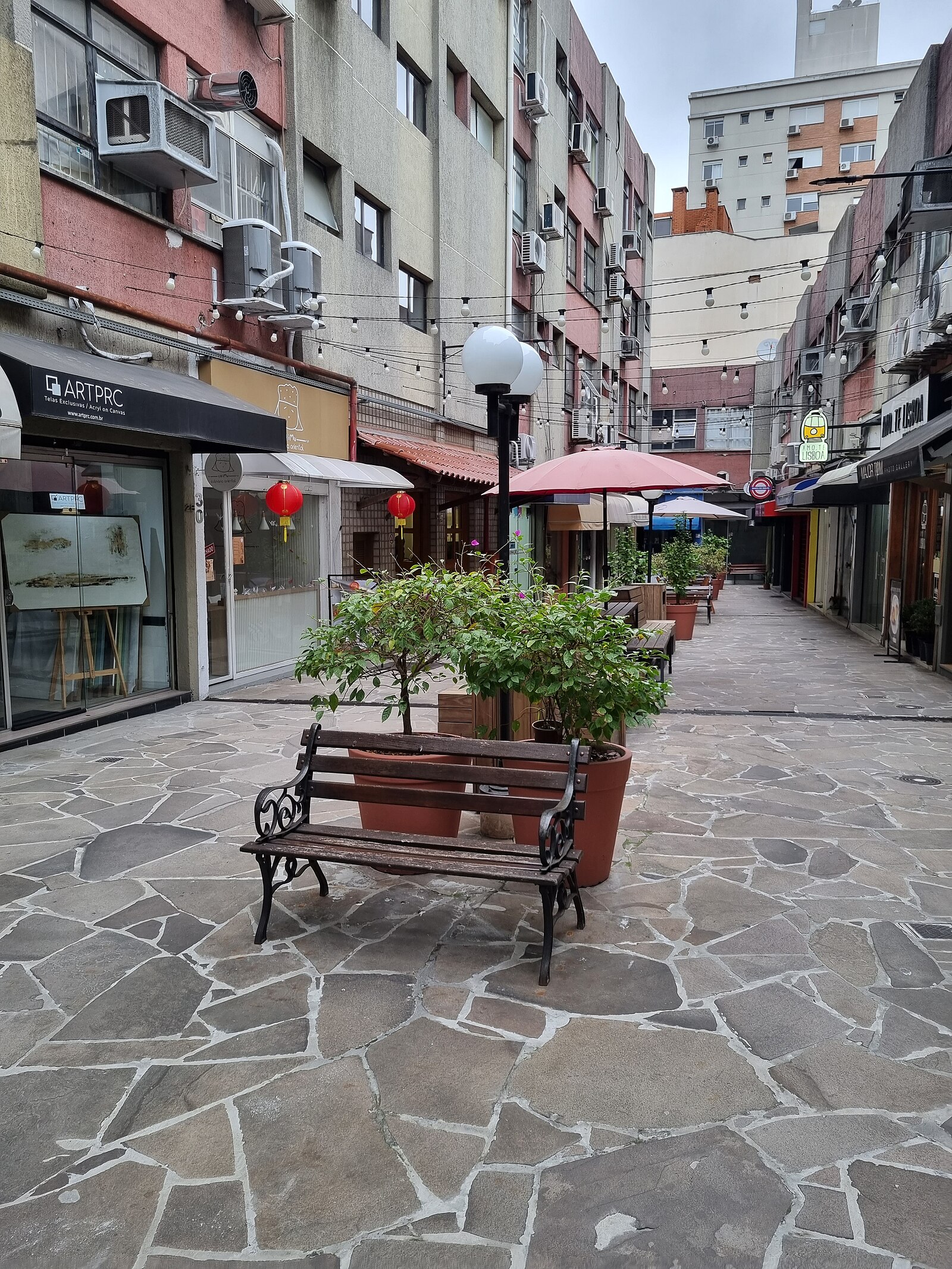
Porto Alegre carries a strong gaucho identity, the ranch culture of Brazil’s far south. It shows in barbecue, in the shared gourd of chimarrão tea and in close ties with neighbouring Uruguay and Argentina.
German and Italian immigration in the nineteenth century shaped the wider region, from farm towns to food and architecture. Many foreigners find the pace and seasons closer to southern Europe than to the tropics.
Brazil’s southern capitals have long ranked well on national development measures such as the UN Development Programme’s municipal human development index. That reputation is why people compare Porto Alegre with Curitiba and Florianópolis rather than with São Paulo or Rio.
The result is a small but steady foreign community of retirees, academics, remote workers and people with Brazilian partners.
The 2024 flood and what it changed
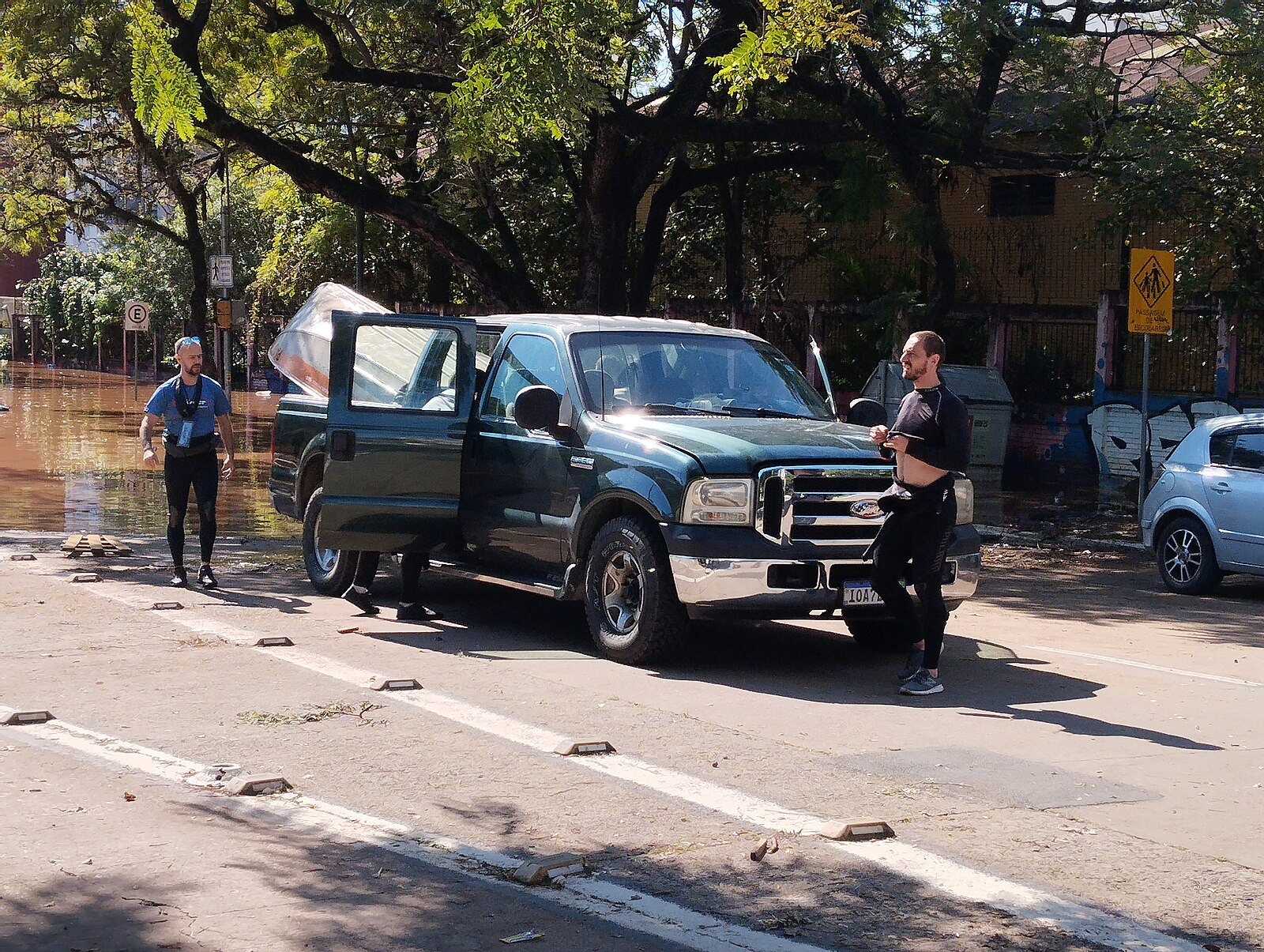
On 5 May 2024 the Guaíba reached 5.37 metres at the Cais Mauá gauge, according to the Brazilian Geological Service. That beat the 1941 record of 4.76 metres and flooded large parts of the city.
The state civil defence counted 184 deaths across Rio Grande do Sul. The Inter-American Development Bank, ECLAC and the World Bank estimated state losses at R$88.9 billion (about US$17.3 billion).
In Porto Alegre, low-lying northern and central districts flooded, and the airport stayed closed to airline flights until October 2024. The Trensurb metro also lost service for months.
For a newcomer, the lasting change is in how people judge housing. Residents now ask about elevation, drainage, pumping stations and whether a building flooded in 2024.
The state and city have announced flood-protection works, but the timing and full effect of those projects are not yet known. Home insurance with flood cover, and its price, should be checked with a broker for each address.
Food costs: churrascaria culture versus per-kilo
Food culture in Porto Alegre is built around churrasco, the gaucho barbecue. Full-service churrascarias with endless meat are a treat, and eating there often lifts a monthly budget quickly.
The everyday alternative is the per-kilo restaurant, where you serve yourself and pay by weight. It is the standard weekday lunch for office workers and one of the best ways to keep costs steady.
Supermarkets, street fairs and the Mercado Público give the most control over spending. Cooking at home and saving churrascarias for special days keeps the cost of living in Porto Alegre, Brazil steady.
Transport: metro, bus and the car question
The city bus fare rose to R$5.30 (about US$1.03) on 19 February 2026, according to Porto Alegre city hall. The Trensurb metro costs R$5.00 (about US$0.97), and a bus–metro integrated ticket costs R$9.27 (about US$1.80).
Trensurb is a single line running north from the centre towards Novo Hamburgo, past the airport. Most residents inside the city rely on buses, lotação minibuses, taxis and ride-hailing apps.
The Catsul catamaran to Guaíba across the water rose from R$16.90 (about US$3.29) to R$19.15 (about US$3.73). The state regulator AGERGS approved it on 8 September 2026, effective from 9 September.
A car is optional if you live and work in the central districts. It becomes more useful in the Zona Sul, for night travel and for weekends in the Serra Gaúcha hills.
Utilities and the subtropical climate
Porto Alegre has a humid subtropical climate with hot, sticky summers. The surprise for most newcomers is winter: cold, damp days, chilly southern winds and homes built without central heating.
That means utility bills rise twice a year — air conditioning in summer and electric heaters or dehumidifiers in winter. Brazil’s regulator ANEEL also adds tariff surcharges to power bills when generation costs rise.
No official average household utility bill for foreigners is published, and costs vary by building and habits. Ask a landlord or building manager for recent winter and summer bills before signing.
Good insulation and dry walls matter more here than in most Brazilian cities.
Private healthcare and the southern hospital tier
Porto Alegre has one of Brazil’s strongest hospital sectors outside São Paulo. In Newsweek’s World’s Best Hospitals 2026 list, Hospital Moinhos de Vento ranked fourth in Brazil and Mãe de Deus tenth.
Santa Casa de Misericórdia, a historic philanthropic hospital complex, also appears in that ranking. Such rankings measure reputation and quality indicators; they are not a guarantee for any single treatment.
Brazil’s public system, SUS, is open to legal residents, but many foreigners add a private plan for speed and choice. Premiums depend on age, coverage and network, and no official reference price exists for newcomers.
Request written quotes from a licensed broker before you move. In any honest cost of living plan for Porto Alegre, Brazil, health cover is a fixed monthly line.
Safety, Portuguese and domestic staff
Safety in Porto Alegre has been debated for years, with residents citing street robbery and phone theft. Yet the Brazilian Public Security Yearbook 2025 recorded a 35% fall in city homicides, from 265 in 2023 to 172 in 2024.
Risk still differs sharply between neighbourhoods and times of day. Ask locals about specific streets, use app-based transport at night and keep phones out of sight.
Portuguese is the working language for leases, doctors, banks and government offices. Some English appears in universities and private clinics, but daily life runs in Portuguese.
Domestic staff are common in middle-class homes and are covered by Brazil’s domestic-work law.
The national minimum wage is R$1,621 (about US$315). Rio Grande do Sul’s higher regional floor for domestic workers is R$1,884.75 (about US$367) since 1 May 2026.
Formal employers also pay contributions of roughly a fifth on top through the government’s eSocial system. Occasional day cleaners, called diaristas, charge by the day, and their rates vary by district.
Porto Alegre versus Curitiba and Florianópolis
On CityCost’s September 2026 data, one person in Curitiba spends about US$1,011 a month with rent, and a couple about US$1,597. Florianópolis is clearly higher, at about US$1,236 for one person and US$1,986 for a couple.
That places the cost of living in Porto Alegre, Brazil about 2% below Curitiba and around 20% below Florianópolis. The Curitiba gap is small enough that your neighbourhood choice matters more than the city.
Florianópolis charges an island and beach premium, while Curitiba is known for planning and order. Porto Alegre offers the largest economy of the three and strong hospitals, with flood risk as its particular trade-off.
The direction of travel is upward, as rents rose 11.1% in the year to July 2026.
For a foreigner, the cost of living in Porto Alegre, Brazil is moderate and steady, not cheap. The exchange rate, housing and health cover decide the final number.
Connected Coverage
São Paulo Rents Hit Expats for US$2,500 a Month as Jardins Leads Brazil Costs
Taxes in Brazil for Expats as Receita Federal Rules Shift
Acampamento Farroupilha in Porto Alegre, Brazil: Free Gaúcho Festival Runs Through September 20
Sources: Figures were checked against Porto Alegre city hall, Trensurb, Brazil’s presidency, the Brazilian Geological Service and state civil defence via CNN Brasil, the AGERGS regulator, the Rio Grande do Sul legislature, Newsweek’s hospital ranking, the QuintoAndar–Imovelweb rental index, CityCost and the Brazilian Public Security Yearbook.
This article was produced by The Rio Times’ automated newsroom system. How we use AI · Report an error
In depth
Read More from The Rio Times