
The health minister of the Democratic Republic of Congo (DR Congo, called Congo below) told the cabinet on Friday 6 November 2026 that the Ebola outbreak’s centre of gravity has moved to North Kivu, a province in the far east that borders Rwanda and Uganda. According to the minister, North Kivu now reports more new cases than Ituri, the province with the most cases since the start.
Ituri still holds 70% of all cases since the outbreak was declared on 15 May, but only 37.1% of the new ones, the government said. For readers abroad the shift matters because North Kivu is a conflict zone, where armed groups operate and health sites have come under attack.
Key Facts
- Shift The health minister says North Kivu now leads Congo in new Ebola case notifications.
- Ituri It holds 70% of all cases since 15 May, but only 37.1% of new cases.
- Totals The World Health Organization (WHO) counts 10,668 confirmed cases and 5,198 deaths as of 3 November 2026.
- Progress 25 of 58 affected health districts, called health zones, have had no new case in 21+ days.
- Prediction markets Polymarket (a prediction market) gives South Sudan 22% for an Ebola case in 2026 (4:22 a.m. ET, 10 November).
What the Government Said
Health Minister Roger Kamba briefed the 102nd meeting of the Council of Ministers, Congo’s cabinet, on Friday 6 November. The government’s account says the outbreak’s focus has moved to North Kivu, which has the largest number of case notifications.
Ituri, a province in the north-east, remains the cumulative epicentre, the government said, but it no longer drives the outbreak’s momentum and accounts for 37.1% of new cases. The statement did not say which period that percentage covers.
Six provinces in the north and east remain active, the government said: Ituri, North Kivu, Haut-Uélé, Tshopo, Bas-Uélé and Nord-Ubangi. WHO counts eight provinces affected since the start of the outbreak.
What the Numbers Show
The World Health Organization (WHO), the UN health agency, counted 10,668 confirmed cases and 5,198 deaths in eight provinces as of 3 November, a crude fatality rate (deaths divided by confirmed cases) of 48.7%. The disease is caused by the Bundibugyo virus, one of the Ebola viruses, and the government’s figure of 2,881 recoveries matches WHO’s count.
In the 21 days to 3 November, WHO recorded 1,463 new confirmed cases, with 710 in Ituri and 640 in North Kivu. On that longer window Ituri is still slightly ahead, which suggests the shift is recent.
Why North Kivu Is Harder
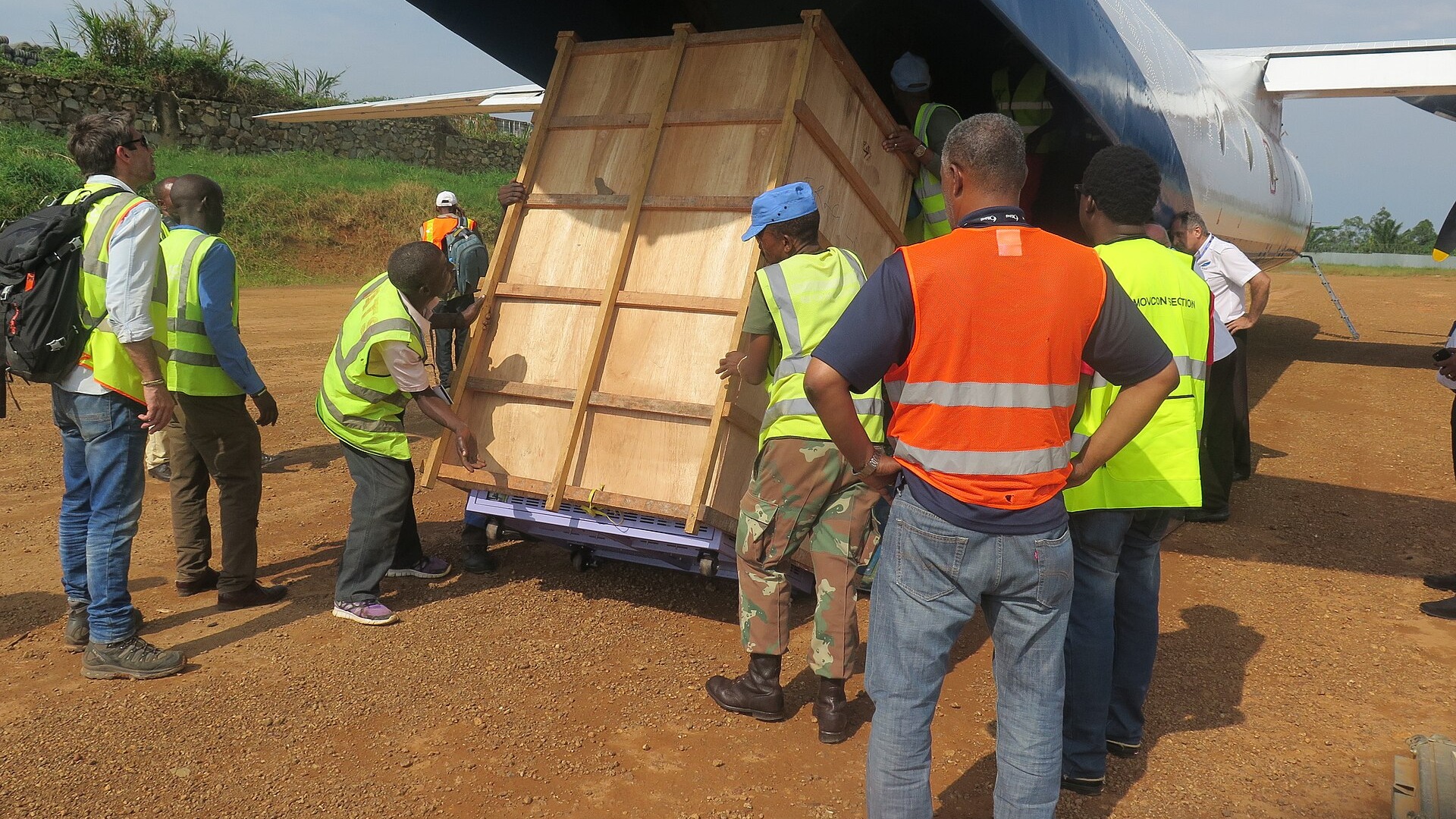
North Kivu is a border province where armed groups operate, which makes tracing contacts and reaching patients harder. Police in Beni, a city in North Kivu, said armed men tried to burn an Ebola treatment centre run by the charity Doctors Without Borders (MSF) on the night of Friday 6 November, and that bottles filled with petrol were found at the site.
On Saturday 7 November WHO’s Director-General, Tedros Adhanom Ghebreyesus, warned that attacks on health facilities in North Kivu were undermining the response. We covered the Beni attack in a separate report.
What Prediction Markets Say
As of 4:22 a.m. ET (09:22 UTC) on Tuesday 10 November, traders on Polymarket, a prediction market, priced an Ebola case in 2026 at 22.0% for South Sudan, 18.5% for Burundi, 17.0% for Ethiopia, 15.0% for Rwanda, 13.0% for Somalia, 10.5% for the Republic of the Congo, a separate country around Brazzaville, and 6.5% for the United States. The event’s country markets together had US$81,614 traded.
A separate Polymarket market on whether Ebola becomes a pandemic in 2026 stood at 1.5%, with US$815,872 traded. These prices are bets, not forecasts by health agencies.
Why we show this: prediction markets turn real-money bets into a live probability that moves within minutes of the news, which is why investors, campaigns and newsrooms in the United States now follow them closely. We show them next to polls and official results, never instead of them.
What It Means for You
For travellers and US readers, WHO advises against restrictions on travel to or trade with the affected countries. Outside Congo, Kenya and Nigeria are the two countries still running an active response, and no new country has reported cases since WHO’s previous outbreak bulletin of 23 October.
A hotspot closer to Uganda and Rwanda is what health agencies will watch most closely. Background is in our reports on Ebola passing 10,000 cases, deaths passing 5,000, our explainer on the outbreak and the DR Congo page.
What Is Not Known
The government has not published the period behind its 37.1% figure, and we have seen only its published account of the meeting, not the full minutes. It is also unclear how this week’s attacks on health sites will affect case counts in North Kivu.
Frequently Asked Questions
Where is Congo’s Ebola outbreak most active now?
The government says North Kivu now has the most new case notifications, while Ituri holds 70% of cumulative cases. Six provinces remain affected.
How many people have died of Ebola in Congo?
WHO counted 5,198 deaths among 10,668 confirmed cases as of 3 November 2026. The crude fatality rate is 48.7%.
Is the Ebola outbreak slowing?
Congo’s government says 25 of its 58 affected health zones have had no new case for 21 days or more. WHO says transmission remains high overall, with 51 of 67 zones reporting a case in the 21 days to 3 November.
Has Ebola reached other countries?
WHO reports cases in five countries since 15 May: Congo, France, Kenya, Nigeria and Uganda. France and Uganda have been controlled since August, and no new country has reported cases since 23 October.
Sources: Government of the Democratic Republic of the Congo, account of the 102nd Council of Ministers (6 November 2026); World Health Organization, Disease Outbreak News, Ebola disease caused by Bundibugyo virus (data as of 3 November 2026); Polymarket, Which countries will have an Ebola case in 2026? (10 November 2026, 4:22 a.m. ET).
This article was produced by The Rio Times’ automated AI newsroom. Editorial responsibility: Matthias Camenzind, Publisher and Editor-in-Chief. The Rio Times also runs Ask Rio Times, which answers from 100,000+ of our own articles, the daily Latin America Power Map, and prediction-market odds on elections and markets.. How we use AI · Report an error