
BRAZIL · EXPLAINED
Key Facts
- The map Brazil has five regions, 26 states and one Federal District (the capital territory), home to 203.1 million people.
- Money The Southeast produces 53.0% of national output (GDP); the North produces 5.8%.
- The vote President Lula won 13 states, nine in the Northeast; senator Flávio Bolsonaro won the rest.
- Power Index Brazil ranks 1st of 14 in The Rio Times Latin America Power Index, with 74.2 points (November 2026 edition).
Brazil is five different countries under one flag, split by money, climate and politics. This guide shows what each region is, who lives there and how it voted in 2026.
Brazil has five regions (North, Northeast, Southeast, South and Center-West) made up of 26 states and the Federal District around the capital, Brasília. The country counted 203.1 million people in its 2022 census, run by IBGE, the national statistics institute.
For US readers, the regions explain Brazil’s trade, its travel map and its elections. Farm exports come from the Center-West, finance from São Paulo and the left’s votes from the Northeast.
Five Regions at a Glance
The regions are statistical groups, not governments, so no one is “governor of the Southeast”. Each state has its own elected governor and legislature, and the Federal District has a governor too.
Population comes from IBGE’s 2022 census and output from its Regional Accounts for 2023 (its yearly state-by-state economic tallies), the latest edition we could confirm. Brazil’s total output that year was 10.94 trillion reais (about US$1.96 trillion at 5.57 reais per dollar on 10 November 2026).
Population and output by region
- Southeast 84.8 million people (41.8%); 53.0% of output.
- Northeast 54.7 million people (26.9%); 13.8% of output.
- South 29.9 million people (14.7%); 16.8% of output.
- North 17.4 million people (8.5%); 5.8% of output.
- Center-West 16.3 million people (8.0%); 10.6% of output.
The gap is wide: the Northeast has more than a quarter of Brazilians but about 14% of output. The Center-West grew fastest in 2023, by 7.6% against 3.2% for the whole country, IBGE found.
The Southeast: Money and Megacities
The Southeast holds São Paulo, Rio de Janeiro, Minas Gerais and Espírito Santo, and more than half of Brazil’s output. São Paulo state alone produces 31.5% of the national total, and its capital hosts the B3, Brazil’s main stock exchange.
Rio de Janeiro state adds 10.7% and much of the country’s offshore oil, while Minas Gerais adds 8.9% through mining, farming and industry. Together, São Paulo, Rio and Minas make 51.1% of Brazil’s output.
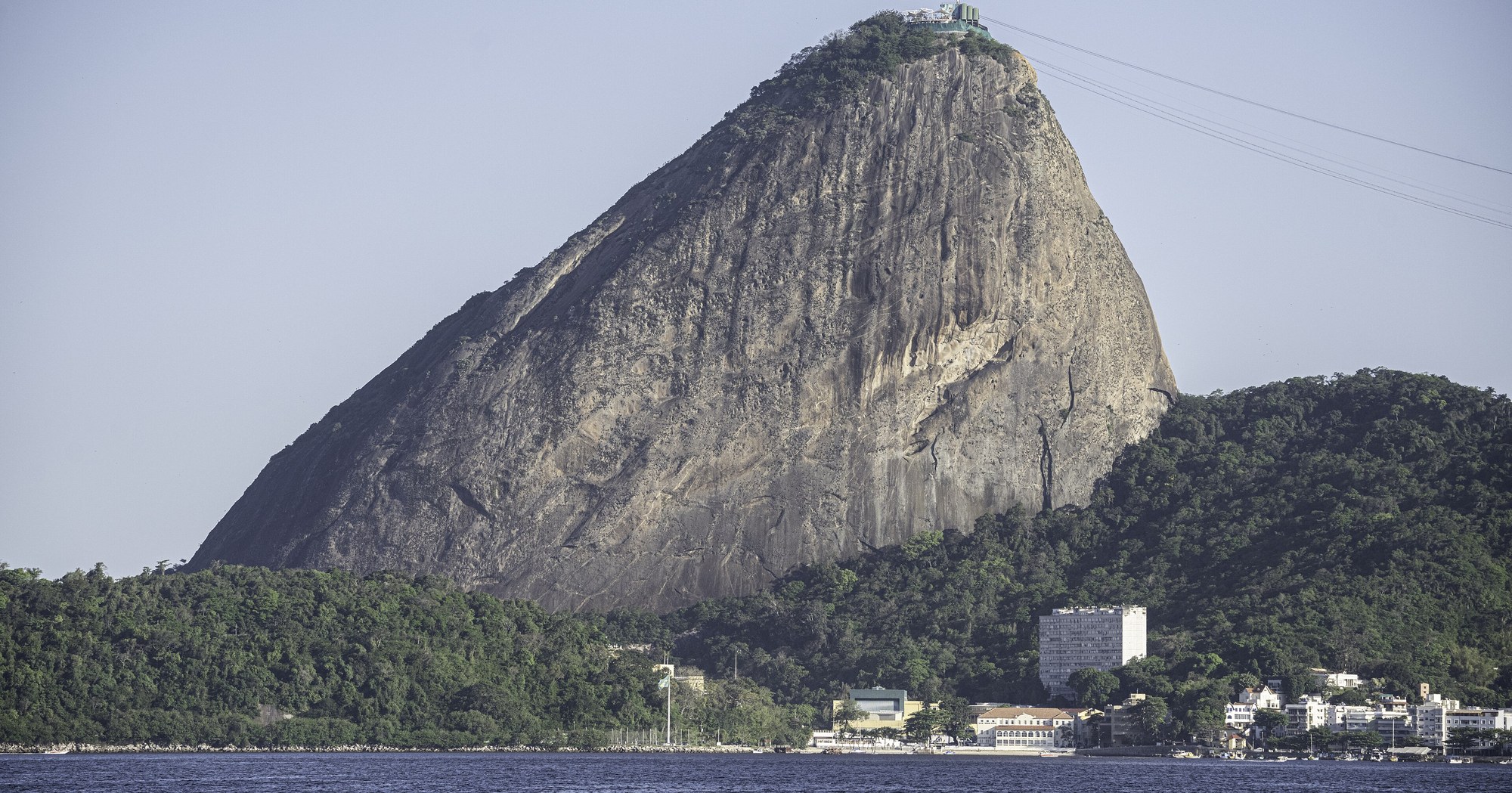
Southeast states (people, share of output)
- São Paulo: 44.4 million people, 31.5%.
- Minas Gerais: 20.5 million, 8.9%.
- Rio de Janeiro: 16.1 million, 10.7%.
- Espírito Santo: 3.8 million, 1.9%.
The Northeast: Beaches, Votes and Catch-Up
The Northeast has nine states, from Bahia in the south to Maranhão in the north. Its beaches and colonial towns draw travelers, but its output per person is the lowest of the five regions.
Bahia is the biggest economy with 3.9% of national output, ahead of Pernambuco at 2.5% and Ceará at 2.1%. Ceará and Pernambuco have also built big ports, Pecém and Suape, on the Atlantic coast.
Northeast states (people, share of output)
- Bahia: 14.1 million, 3.9%.
- Pernambuco: 9.1 million, 2.5%.
- Ceará: 8.8 million, 2.1%.
- Maranhão: 6.8 million, 1.4%.
- Paraíba: 4.0 million, 0.9%.
- Rio Grande do Norte: 3.3 million, 0.9%.
- Piauí: 3.3 million, 0.7%.
- Alagoas: 3.1 million, 0.8%.
- Sergipe: 2.2 million, 0.6%.
The South: Order, Farms and Factories
The South has three states, Paraná, Santa Catarina and Rio Grande do Sul, with 14.7% of the people and 16.8% of output. Its output per person is above the national average, and European settlers shaped much of its culture.
Paraná makes 6.1% of national output, Rio Grande do Sul 5.9% and Santa Catarina 4.7%. Farming, food processing and manufacturing dominate, and Iguaçu Falls, on the Paraná border with Argentina, is the best-known sight.
South states (people, share of output)
- Paraná: 11.4 million, 6.1%.
- Rio Grande do Sul: 10.9 million, 5.9%.
- Santa Catarina: 7.6 million, 4.7%.
The Center-West: Brazil’s Farm Belt
The Center-West, the region that grew fastest in 2023, has Goiás, Mato Grosso, Mato Grosso do Sul and the Federal District. Mato Grosso is Brazil’s largest soybean-growing state, and the region’s farm exports matter to US buyers and rivals alike.
The Federal District is a special case: Brasília, the planned capital opened in 1960, leans heavily on government and finance. It has just 2.8 million people but 3.3% of national output.
Center-West units (people, share of output)
- Goiás: 7.1 million, 3.1%.
- Mato Grosso: 3.7 million, 2.5%.
- Federal District: 2.8 million, 3.3%.
- Mato Grosso do Sul: 2.8 million, 1.7%.
The North: The Amazon and Its Factories
The North covers the Amazon rainforest and seven states, but only 8.5% of Brazilians live there. Pará is the biggest economy with 2.3% of output, helped by iron ore from the Carajás open-pit mining complex.
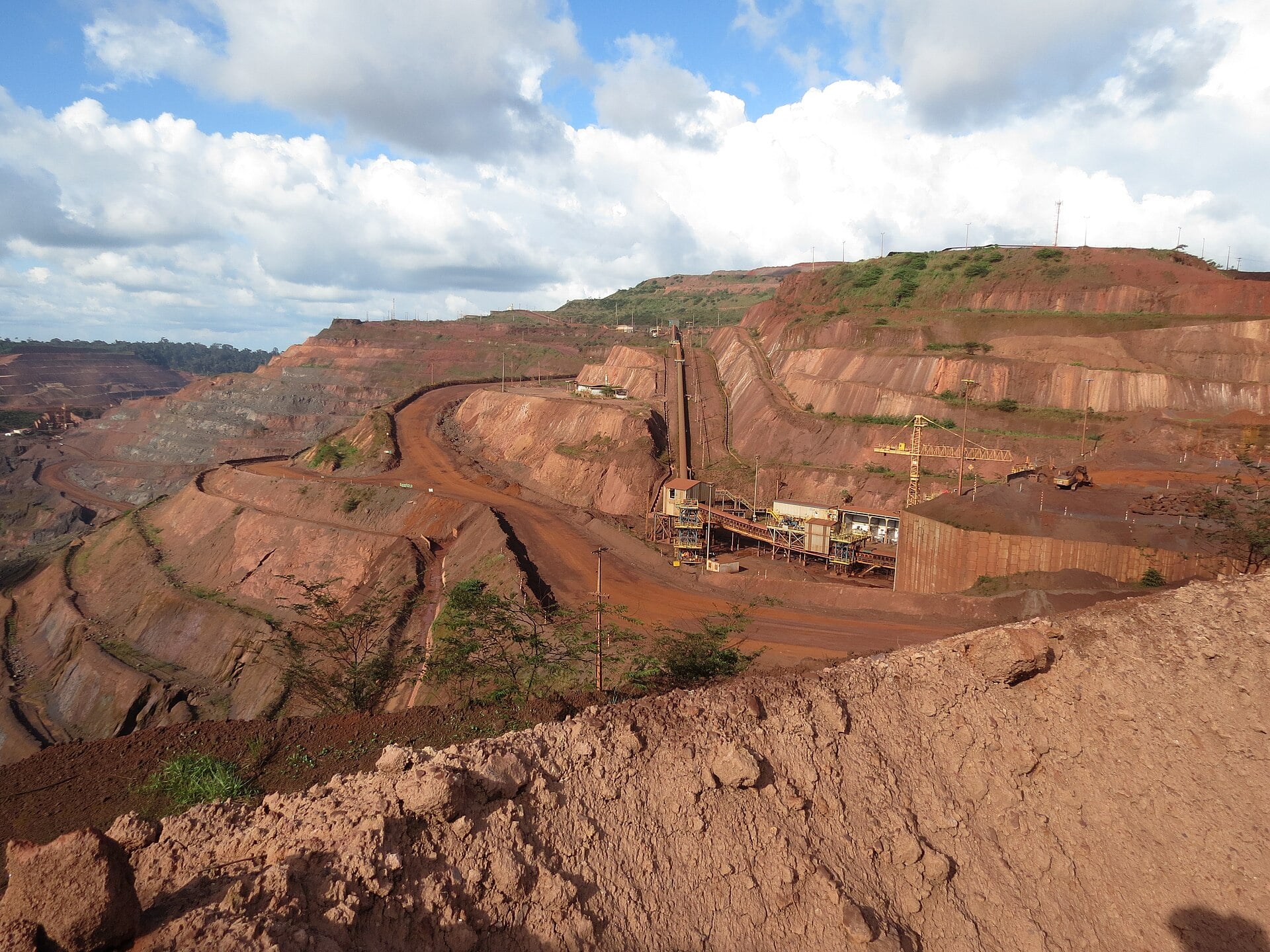
Amazonas, at 1.5% of output, is anchored by the Manaus Free Trade Zone, a tax-break area for factories that make electronics and motorbikes. Rain-forest travel, river boats and long distances shape life across the whole region.
North states (people, share of output)
- Pará: 8.1 million, 2.3%.
- Amazonas: 3.9 million, 1.5%.
- Rondônia: 1.6 million, 0.7%.
- Tocantins: 1.5 million, 0.6%.
- Acre: 0.8 million, 0.2%.
- Amapá: 0.7 million, 0.3%.
- Roraima: 0.6 million, 0.2%.
How the Regions Shaped the 2026 Vote
President Luiz Inácio Lula da Silva, a leftist, won the 25 October runoff (the second-round vote) with 51.79% of valid votes (those cast for a candidate) against 48.21% for Flávio Bolsonaro, a conservative senator and son of former president Jair Bolsonaro, the Superior Electoral Court (TSE) reports. Our results page and turnout report have the national figures.
The regional map was stark. Lula won all nine Northeast states, plus Amazonas, Amapá, Pará and Minas Gerais, which he took with 50.43%.
Flávio Bolsonaro won every state in the South and the Center-West, including the Federal District, along with São Paulo, Rio de Janeiro and Espírito Santo. His biggest margins came in Roraima (72.46%), Rondônia (69.61%) and Santa Catarina (69.42%), while Lula’s best was Piauí with 75.88%.
The pattern follows money and demography: the poorer, more populous Northeast backed the left, and the richer farm and industrial states backed the right. Minas Gerais, a large and mixed state, was the closest call.
The same divide shapes who holds power in Congress, where each state elects three senators regardless of size (81 in total) and 513 deputies are split by population. Our guide to who holds power in Brazil explains how farm, finance and church interests use that system.
What It Means for US Readers
Investors should read Brazil as regions, not one block: farm and mining stories sit in the Center-West and North, while banks, tech and the stock exchange sit in São Paulo. A regional split in the vote also means the president depends on the Northeast and must bargain in Congress with the conservative states.
Travelers should know that Brazil has four time zones: Brasília time covers São Paulo, Rio and the Northeast, while Acre sits two hours behind. Brasília time is two hours ahead of New York in winter and one hour ahead in US summer.
Most visitors start in the Southeast, so see our city pages for São Paulo and Rio de Janeiro. The Northeast and the Amazon need extra flights and time, so plan distances before you book.
What Is Not Known
The 2023 Regional Accounts are the latest edition we could confirm, and IBGE has not yet published 2024 figures in the sources we checked. Shares can shift by a few tenths of a point when it does.
It is also not known whether the 2026 regional split will hold in the next election. Lula took Minas Gerais with only 50.43%, so small shifts could change the map.
Frequently Asked Questions
How many regions does Brazil have?
Brazil has five regions: North, Northeast, Southeast, South and Center-West. They group its 26 states and the Federal District for statistics, not government.
Which Brazilian region is the richest?
The Southeast. It produced 53.0% of Brazil’s output in 2023 and holds 41.8% of its people, IBGE data show.
Which region has the most people?
The Southeast, with 84.8 million of Brazil’s 203.1 million people in the 2022 census. São Paulo state alone has 44.4 million.
Which regions voted for Lula in 2026?
The Northeast backed him in all nine states, and he also won Amazonas, Amapá, Pará and Minas Gerais. The TSE reports he won the runoff with 51.79%.
Is the Federal District a state?
No. It is a separate unit around Brasília with its own governor, counted in the Center-West alongside Brazil’s 26 states.
Sources: IBGE, 2022 Census population by state; IBGE, Regional Accounts 2023, released 14 November 2025; TSE, 2026 election results, 25 October 2026.
This article was produced by The Rio Times’ automated AI newsroom. Editorial responsibility: Matthias Camenzind, Publisher and Editor-in-Chief. The Rio Times also runs Ask Rio Times, which answers from 100,000+ of our own articles, the daily Latin America Power Map, and prediction-market odds on elections and markets.. How we use AI · Report an error
Expat Guide to Brazil
What The Rio Times publishes for foreigners who live in or move to Brazil.
Start here
- Florianópolis Rents by Neighborhood in 2026
- São Paulo Rents by Neighborhood in 2026
- Rio de Janeiro Rents by Neighborhood in 2026
- Brazil Taxes Nomads After 184 Days
City guides
Rio de Janeiro, São Paulo, Florianópolis, Salvador, Belo Horizonte, Fortaleza, Curitiba, Porto Alegre, Brasília
Coming up in Brazil
- What to Do in Belo Horizonte in November 2026 11 Nov
- What to Do in Florianópolis in November 2026 12 Nov
- Gilberto Gil, 84, Returns to Vivo Rio Stage 13 Nov
- Ivete Sangalo Plays Salvador on 14 November 2026 14 Nov
Understand Brazil
Brazil runoff, Sunday, October 25: When is the Brazil runoff election. Latest: Brazil runoff polls, Flávio 51%, Lula 49%.