Atibaia Flower Festival Near São Paulo, Brazil: A Day Trip for Flowers and Japanese Culture
Brazil · Travel
Key Facts
- —What happened Atibaia’s annual flower festival opens September 4-27, celebrating flowers and Japanese-Brazilian culture.
- —How big a jump It is one of Latin America’s biggest flower shows, marking its 44th edition in 2026.
- —The catch The festival only opens Fridays through Sundays, plus the September 7 holiday, not daily.
- —What it means Brazil hosts the largest Japanese community outside Japan, and Atibaia’s growers are their descendants.
- —Who it touches Visitors from São Paulo can reach the park in about an hour by car or bus.
- —What comes next Friday September 11 is a free solidarity day with a 1kg food donation, plus 60 cultural shows.
The hill town that grows much of São Paulo’s flowers throws open its gardens each September. And the people behind them are the descendants of Japanese immigrant farmers.
The Atibaia Flower Festival is the easiest day trip from São Paulo if you want two very Brazilian pleasures at once: acres of flowers in full bloom and a warm. Hands-on taste of Japanese culture.
Held in a green hill town barely an hour from the city, it is the kind of gentle. Affordable outing that makes a new life in Brazil feel a little more rooted.
And you can do the whole thing in a single day.
What the Atibaia Flower Festival Is
The Atibaia Flower Festival, or Festa de Flores e Morangos de Atibaia in Portuguese. Is one of the biggest flower shows in Latin America, and 2026 marks its 44th edition.
Think huge covered pavilions banked with orchids, roses and seasonal blooms, plus stalls selling the region’s famous strawberries by the basket. It is not a cherry-blossom event, so do not expect rows of sakura trees.
Instead, the star is the sheer scale of cultivated flowers grown in and around Atibaia. Presented alongside a genuine celebration of the Japanese-Brazilian community that grows them.
For an expat or newcomer, that mix is the appeal. You get a proper flower spectacle, plenty of good food.
And a friendly introduction to the Japanese heritage woven through the São Paulo countryside, all in one relaxed afternoon.
Why Atibaia Is a Japanese-Brazilian Flower Town
Atibaia sits in the mountains northeast of São Paulo, and its cool. Mild climate turned out to be perfect for growing flowers and strawberries.
From the early 20th century, Japanese immigrant families settled here and built that farming industry more or less from scratch. Their influence is everywhere, starting with the festival’s own address on Avenida Nobuyuki Hiranaka.
Brazil is home to the largest Japanese community outside Japan. And towns like Atibaia are where that story is lived out in fields and greenhouses rather than in a city neighborhood.
So when you visit, you are not just looking at pretty displays. You are seeing the harvest of a community that has shaped this corner of Brazil for generations.
Which is exactly why the Japanese cultural program feels so heartfelt rather than tacked on.
When It Is On and the Days to Go
The 2026 festival runs from Friday 4 September to Sunday 27 September. But here is the catch newcomers often miss: it does not open every day.
It only runs on Fridays, Saturdays and Sundays, plus the Monday 7 September public holiday, which is Brazil’s Independence Day. That gives you these dates: 4, 5, 6 and 7 September; 11.
12 and 13 September; 18, 19 and 20 September; and 25, 26 and 27 September. On each of those days the gates are open from 9am to 6pm.
If you can, go early in the day or early in the run. Weekends fill up, especially the 7 September holiday.
So a Friday morning is your best bet for a calmer visit and easier parking.
What It Costs
Tickets are refreshingly cheap by big-city standards. A full ticket is R$70 (about US$13.50 at an August 2026 rate of roughly 5.20 reais to the dollar).
While half price is R$35 (about US$6.75) for students, seniors and others who legally qualify. There are some nice ways to pay less.
Every Friday, everyone pays the R$35 rate, no proof required. On any weekend or the holiday.
You can also buy a R$50 (about US$9.60) ‘partner’ ticket if you bring 1kg of non-perishable food to donate. Best of all.
The festival’s official site lists Friday 11 September as a free solidarity day: bring 1kg of non-perishable food and you get in for nothing. Parking at the park is paid and priced by vehicle, so factor in a little extra if you drive.
How to Get There From São Paulo
Atibaia is only about 65 km from São Paulo, and getting there is genuinely easy. If you drive, take the Fernão Dias highway (BR-381) toward Belo Horizonte, then follow signs to the Parque Ecológico de Atibaia.
In normal traffic it is roughly an hour behind the wheel. No car.
No problem. Viação Atibaia runs frequent direct buses from São Paulo’s main Tietê bus terminal to Atibaia.
With the trip taking about 1h15 to 1h30 and fares starting around R$32.70 (about US$6.30). From Atibaia’s center you can grab a taxi or rideshare out to the park.
Because it is such a short hop, this works perfectly as a no-stress day trip. Leave São Paulo mid-morning, spend the afternoon among the flowers, and be back in the city by evening.
The Japanese Culture on Show
This is where the day really comes alive. The 2026 edition carries the theme ‘Kibō’, which means hope in Japanese.
And promises more than 60 cultural presentations across the weekends and the holiday. Recent editions have featured Bon Odori, the communal circle dance of Japanese summer festivals.
And thunderous taiko drumming, usually staged in the afternoons so they are easy to catch. There is also a tranquil Japanese garden set on the higher ground of the park, with contemplative paths and raked sand.
And then there is the food. Expect stalls serving Japanese dishes alongside Brazilian favorites, so you can graze on yakisoba or a sweet treat between flower pavilions.
It is a low-key, family-friendly way to experience Japanese culture without leaving São Paulo state.
Flowers, Strawberries and What to See
The flowers are the headline act, of course. Atibaia’s growers fill the pavilions with ornamental plants and cut flowers, and the themed decoration changes each year to match the festival’s story.
So the displays are as much art installation as garden show. Do not skip the strawberries.
The full Portuguese name, Festa de Flores e Morangos, literally means ‘Festival of Flowers and Strawberries’. And the region’s fruit turns up fresh, dipped in chocolate, blended into drinks and baked into desserts.
Between the two, plus the craft and plant stalls, it is easy to fill a few happy hours. Bring a tote bag: plenty of visitors leave with a pot of orchids or a punnet of strawberries to take home.
Tips for a Smooth Day Trip
Dress in layers. September is early spring in the highlands, so mornings can be cool and afternoons warm, and the park has open, breezy sections.
Comfortable shoes help, as you will be on your feet wandering the grounds. Bring some cash and 1kg of non-perishable food if you want the cheaper ‘partner’ entry or the free solidarity day on Friday 11 September.
Card payment is widely accepted at stalls, but a little cash is handy for smaller vendors. Finally, check the festival’s official website close to your visit for the day-by-day program.
Since the exact schedule of shows is published as the dates approach. That way you can time your arrival around a Bon Odori or taiko performance.
Making a Day of It in Atibaia
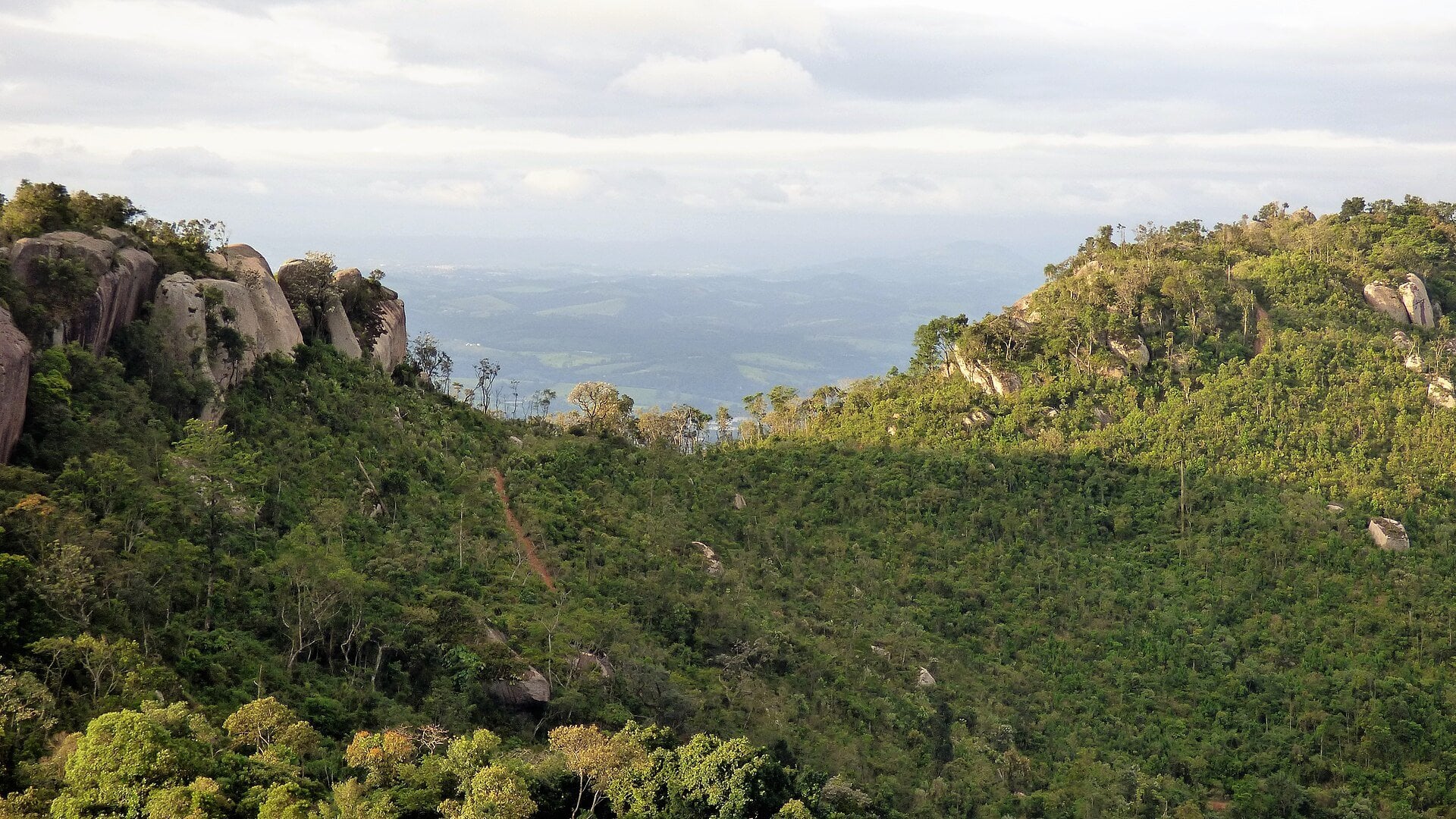
Atibaia is worth more than just the festival grounds. The town is known for its clean mountain air, its landmark granite peak Pedra Grande.
And a relaxed, small-city pace that feels a world away from São Paulo’s rush. If you have energy after the flowers.
The town center has cafes and restaurants where you can wind down before the drive or bus back. It is an easy place to linger, and a nice contrast to a day among the crowds at the pavilions.
All told, the Atibaia Flower Festival is one of the friendliest outings on the São Paulo calendar: cheap. Close, colorful and full of Japanese culture.
For anyone building a life in Brazil, it is a lovely, low-effort way to see a different side of the country.
Background: our how to rent an apartment in brazil as a foreigner guide.
More: Brazil news, every day from The Rio Times.
Frequently Asked Questions
When is the Atibaia Flower Festival in 2026?
It runs from Friday 4 September to Sunday 27 September 2026, but only on Fridays, Saturdays. Sundays and the Monday 7 September holiday, from 9am to 6pm each open day.
How much does it cost to get in?
Full entry is R$70 (about US$13.50) and half price is R$35 (about US$6.75). Everyone pays R$35 on Fridays, a R$50 ticket includes a 1kg food donation.
How do I get to Atibaia from São Paulo?
It is about 65 km from São Paulo, roughly an hour by car via the Fernão Dias highway (BR-381). Viação Atibaia also runs direct buses from the Tietê terminal, taking about 1h15 to 1h30, from around R$32.70 (about US$6.30).
What Japanese culture can I see there?
The festival celebrates Atibaia’s Japanese-Brazilian farming community with a Japanese garden, Bon Odori dancing, taiko drumming. Japanese food and, in 2026, more than 60 cultural presentations under the theme ‘Kibō’, meaning hope.
Connected Coverage
Sources: Festa de Flores e Morangos de Atibaia official site (floresemorangos.com.br); G1 Vale do Paraíba e Região; Atibaia city government (atibaia.sp.gov.br); BlaBlaCar travel guide; Rome2Rio.
This article was produced by The Rio Times’ automated newsroom system. How we use AI · Report an error
In depth
Read More from The Rio Times