
GUIDES · VENEZUELA
Venezuela’s public health system is meant to be free and run by the State. Hospitals ran beyond capacity in early July after the June 2026 earthquakes.
By 16 September, 61 per cent of the health facilities assessed were operational.
Key Facts
- Promise Venezuela’s constitution of 1999 promises free, State-run health care and free schooling.
- Schools An estimated 3 million children and youth aged 3 to 24 are out of school.
- Teachers Around 200,000 teachers have left their posts.
- Hospitals Hospitals ran beyond capacity in early July; by 16 September 61% of 356 assessed facilities were operational.
- Next Teachers, health workers and university staff plan a 12-hour strike on Monday 16 November 2026.
- Power Index Venezuela ranks 12th of 14 in The Rio Times Latin America Power Index, with 29.4 points (November 2026 edition).
Venezuela’s constitution promises free schooling and free health care for everyone. Both promises are under heavy strain in late 2026.
Two earthquakes in June 2026 added damage to schools and hospitals that were already short of staff and supplies. A strike set for Monday 16 November 2026 will test how far unions can press for better pay.
This guide explains how the systems are meant to work, what the main bodies report, and what we do not yet know. It matters to US readers because of family ties, travel and the large Venezuelan diaspora, meaning the people who have left.
How Venezuela’s Schools Work
The constitution of Venezuela, adopted in 1999, calls education a human right and a basic social duty in Article 102. It says schooling is democratic, free of charge and obligatory.
Article 103 makes school compulsory from pre-school to the end of secondary level. It also makes education at State institutions free up to the undergraduate university level.
The same article says the State must make a priority investment in education. That is the promise, and the next sections show how far daily life has moved from it.
The new school year opened on Monday 14 September 2026. The Education Minister, Héctor Rodríguez, said around six million students would return.
The Education Ministry counts about 27,000 schools in the country. After the June earthquakes it said 87 had severe damage and 11 had collapsed.
Students from damaged schools were told to move to the nearest school. Counts of damaged schools differ between sources, so no single agreed number exists.
In Plain English
- Constitution Venezuela’s basic law, adopted in 1999 and amended in 2009.
- Gratuity The principle that a service is free of charge to the user.
- University autonomy Universities write their own rules, within limits set by law.
- Wasting Dangerously low weight for height in young children.
- Neonatal mortality Deaths of babies in their first 28 days of life.
What Has Gone Wrong in the Classroom
UNICEF, the United Nations children’s agency, estimates that 3 million children and youth aged 3 to 24 are out of school. Hundreds of thousands more are at risk of leaving.
UNICEF names economic hardship, poor infrastructure and disrupted classes as the reasons. The estimate comes from its 2026 appeal for children, revised in August 2026.
The agency also says around 200,000 teachers have left their posts. Those who stay often work part time in schools with too few resources.
UNICEF does not give figures for how much learning has been lost. We therefore do not estimate it.
Unions are pressing for higher pay. The strike section below explains the demand.
Universities Under Pressure
Article 109 of the constitution says the State recognises the autonomy of universities. Universities adopt their own rules for governance and operation, under such control as the law sets.
The Central University of Venezuela, known as UCV, is in Caracas, the capital. Its campus hosted the unions’ assembly on 5 November.
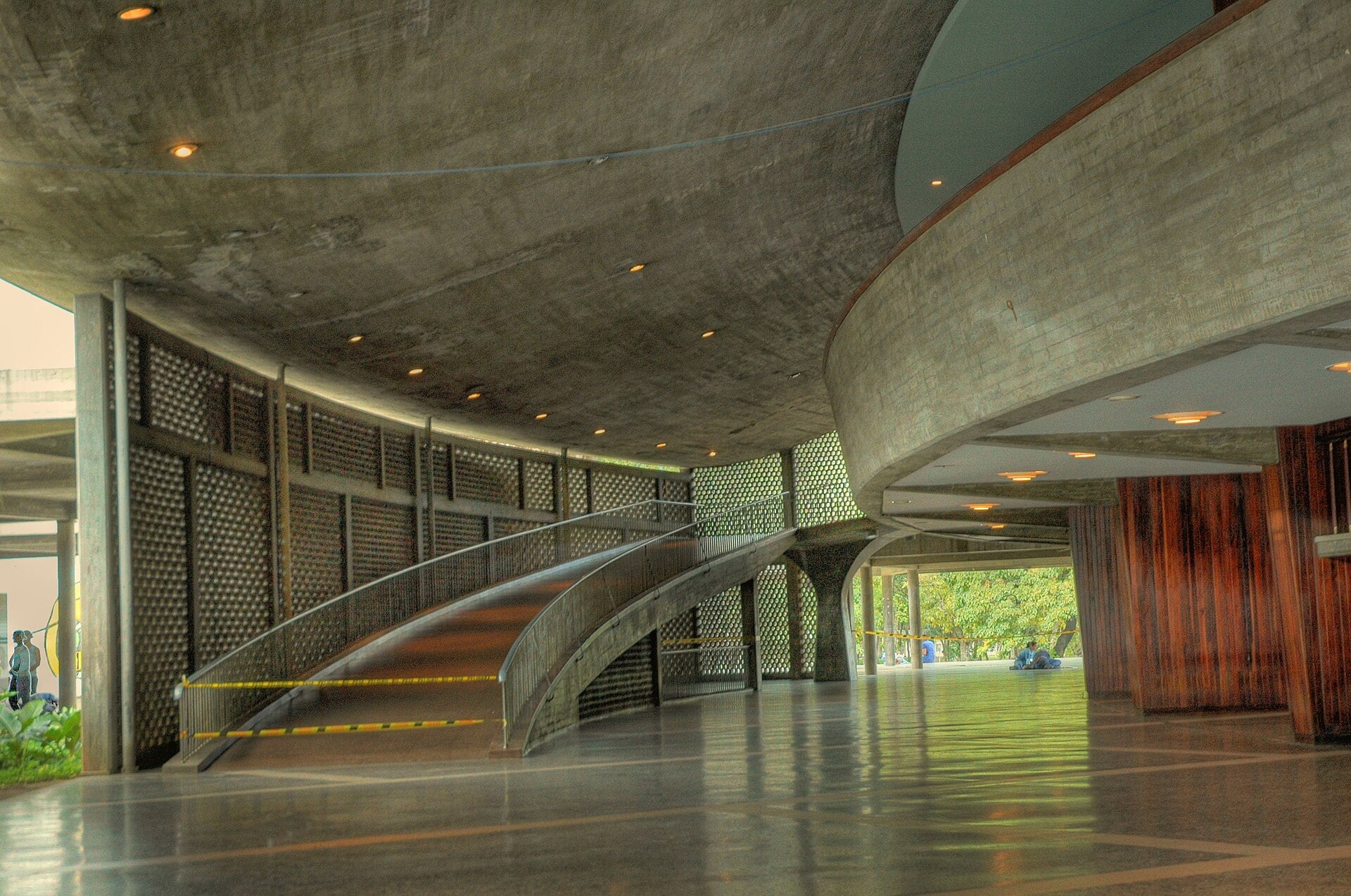
Its campus, the Ciudad Universitaria, was designed by the architect Carlos Raúl Villanueva. UNESCO, the United Nations culture agency, has listed it as a World Heritage Site since 2000.
University staff unions held 24-hour national strikes in April and May 2026 over pay. A national education strike was also held on 10 June 2026.
On Thursday 5 November 2026, leaders of teachers’ and health workers’ unions announced a demand for year-end bonuses. They want bonuses based on US$240 a month for four months, which comes to US$960 per worker.
Under Article 103, State universities are free up to the undergraduate level. How the pay dispute will end is not known.
How the Public Health System Is Meant to Work
The constitution treats health as a basic social right and a duty of the State. Article 83 says it is guaranteed as part of the right to life.
Article 84 orders the State to create and run a national public health system. The system must be decentralised, meaning shared with local bodies, and open to public participation.
Its guiding principles are gratuity, universality, completeness, fairness, social integration and solidarity. Public health assets and services belong to the State and may not be privatised.
Article 85 makes financing the State’s responsibility. It says the State must guarantee a health budget big enough for its health goals, and it regulates both public and private institutions.
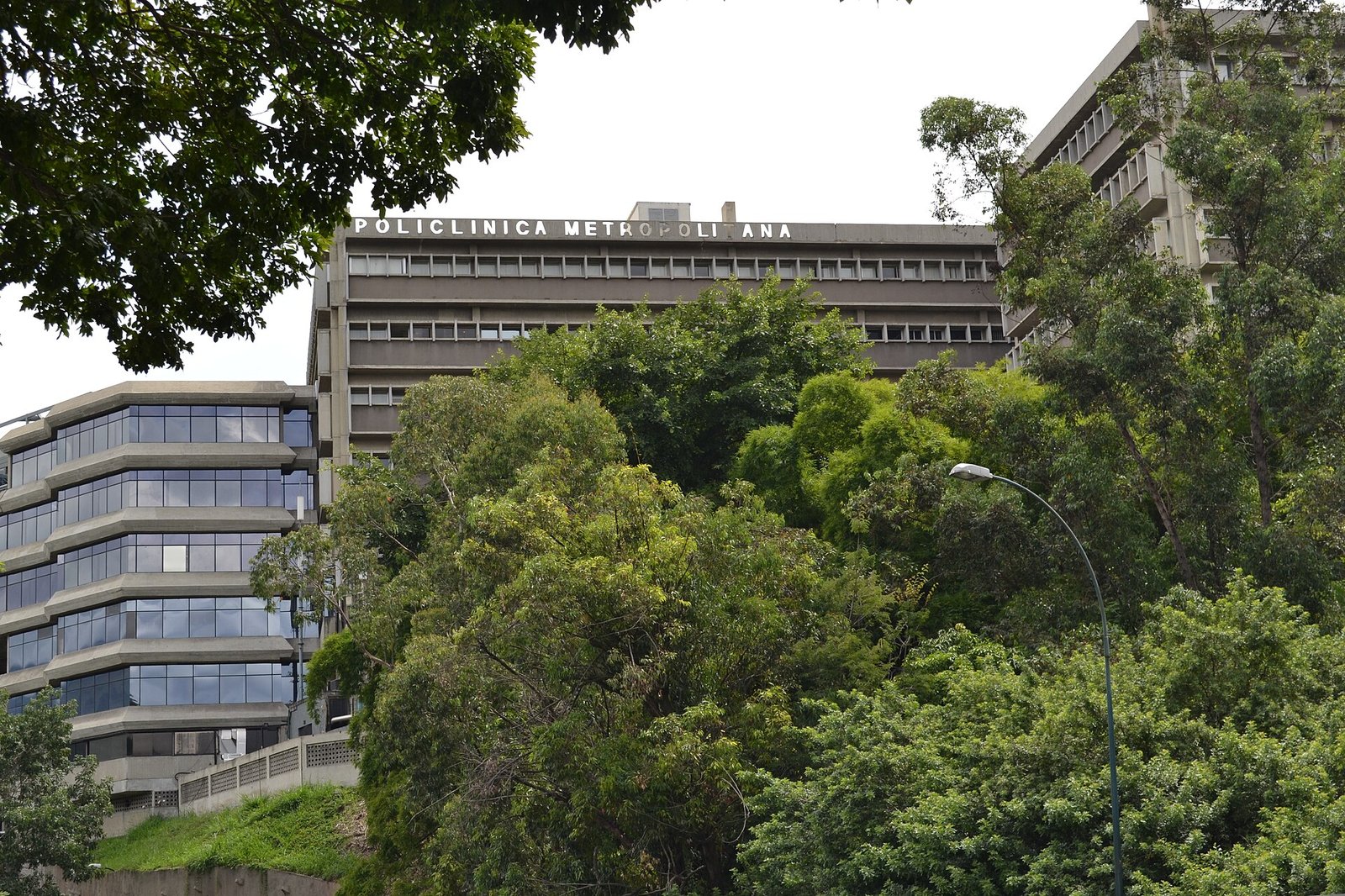
UNICEF’s 2026 figures show where the system struggles. Maternal mortality is 227 deaths per 100,000 live births, and under-five mortality is 22 per 1,000 live births.
Neonatal mortality is 14 per 1,000 live births. Immunisation coverage remains below 72 per cent, and nearly 30 per cent of infants under one have never received any vaccine.
Wasting affects 11 per cent of children under five. And 24 per cent of women aged 15 to 49 are anaemic.
Doctors and Nurses Who Left
Douglas León Natera is president of the Venezuelan Medical Federation, the national doctors’ group. On 25 September 2024 he said about 42,000 to 43,000 doctors had left the country.
He also said the country was running short of doctors because of poor working conditions and migration. These are the federation’s own estimates, and they are two years old.
We have no current official count of doctors or nurses in our sources. So the number of health workers still on the job today is not known.
PAHO, the Pan American Health Organization, is the World Health Organization’s office for the Americas. Its 1 July 2026 release lists shortages of medicines, surgical supplies and critical equipment.
R4V, the United Nations backed platform for Venezuelan refugees and migrants, lists 6,978,009 of them in Latin America and the Caribbean. The figure was last updated in August 2026.
R4V says the true total is likely higher because many have no regular status. We have no figure for how many of them worked in health care or teaching.
Hospitals After the 2026 Earthquakes
On 24 June 2026 two earthquakes of magnitude 7.2 and 7.5 struck north-central Venezuela. They severely damaged health facilities and infrastructure, including electricity, water, transport and telecoms, according to PAHO’s release of 1 July 2026.
PAHO’s documents of 30 June and 1 July gave different official death tolls as of 29 June. We give no toll here because the figures changed between reports.
PAHO said in its 1 July release that hospitals were operating “well beyond capacity”. It also listed shortages of laboratory reagents next to medicines, surgical supplies and critical equipment.
PAHO launched a six-month emergency appeal for US$24 million. UNICEF revised its own appeal after the quakes, adding US$65.7 million to an original request of US$137.6 million.
PAHO’s situation report number 11, from September 2026, assessed 356 health facilities. It found that 61 per cent were operational, and that 117 of the 140 that were not had been out of service before the quakes.
Fluctuating electricity, gaps in medicine refrigeration and gaps in emergency generators challenge the safe running of essential services. PAHO also lists 47,145 cumulative vaccine doses given as of 15 September, which counts doses and not people.
The 16 November Strike
Leaders of teachers’ and health workers’ unions announced on Thursday 5 November 2026 a 12-hour national stoppage for Monday 16 November 2026. Teachers, health workers and university staff are due to take part, over pay.
The announcement came at an assembly at the Central University of Venezuela on 5 November. The assembly set the date and the length of the stoppage, which is meant to press the government on pay.
The stoppage follows the 24-hour university strikes of April and May 2026. It also follows the national education strike of 10 June 2026.
The unions’ stated demand includes year-end bonuses of US$960 per worker. That figure is based on US$240 a month for four months.
Delcy Rodríguez, acting president since January 2026, leads the government. How the government will answer the strike call is not known.
The stoppage is set for 12 hours, not a full day or longer. Whether it is widely observed will only be clear on the day.
What It Means for US Readers
For US residents with family in Venezuela, these systems shape daily life for relatives at home. The figures show strain, but they do not describe every clinic or school.
R4V counts 6,978,009 Venezuelan refugees and migrants in the region, so the diaspora is large. PAHO and the Government of Canada also report shortages of medicine and medical supplies inside the country.
The Government of Canada, in travel advice updated 13 October 2026, says “Avoid all travel” to Venezuela. It adds that there are shortages of medicine and medical supplies.
It also says power outages are common and can disrupt medical services, water and communications. Canada’s embassy has not been open since 2019.
Venezuelan authorities declared a State of External Commotion, an emergency regime with exceptional powers, after military strikes on 3 January 2026. US readers should read the US State Department’s current advisory at travel.state.gov, which we could not load and so do not quote.
For expats and investors, schools and hospitals show how much capacity the State has to rebuild after the quakes. We have no data in this guide on company exposure or markets.
What Is Not Known
The current number of doctors and teachers still working is not known. The doctors’ federation figure dates from 2024, and the UNICEF figure counts departures only.
How many schools remain closed after the earthquakes is also unclear. The ministry, UNICEF and civil-society groups give different counts.
We do not know whether the 16 November strike will be widely observed. Nor do we know how the government will answer.
We could not open a recent national health bulletin, so we cannot say how current official statistics compare with UNICEF’s figures. We also do not know how many hospital services are working today.
PAHO’s emergency appeal runs for six months, and the strike on 16 November is the next clear test. New situation reports and union statements will show whether the pressure on schools and hospitals is easing.
Connected Coverage
Frequently Asked Questions
Is health care in Venezuela free?
The constitution says public health services are free of charge and universal. In practice, PAHO and the Government of Canada report shortages of medicines and supplies.
How many children are out of school in Venezuela?
UNICEF estimates about 3 million children and youth aged 3 to 24 are out of school. Hundreds of thousands more are at risk of leaving.
What happened to hospitals after the June 2026 earthquakes?
Two quakes on 24 June 2026 damaged health facilities and infrastructure. By 16 September, PAHO had assessed 356 facilities and found 61 per cent operational.
Why are teachers and health workers striking?
Leaders of teachers’ and health workers’ unions announced a 12-hour national stoppage over pay for Monday 16 November 2026. They demand year-end bonuses of US$960 per worker.
What does official travel advice say about Venezuela?
The Government of Canada, updated 13 October 2026, says to avoid all travel and notes shortages of medicine. US readers should read the US State Department’s current advisory at travel.state.gov.
How many doctors have left Venezuela?
The Venezuelan Medical Federation said in September 2024 that about 42,000 to 43,000 doctors had left. That is the federation’s own estimate and it is two years old.
Sources: Constitution of Venezuela (1999, with 2009 amendment), Articles 83 to 85, 102, 103 and 109; UNICEF Humanitarian Action for Children 2026 appeal, August 2026 revision; Education Minister Héctor Rodríguez, statement of September 2026; PAHO release of 1 July 2026 and situation report number 11 of September 2026; Venezuelan Medical Federation, statement of 25 September 2024; R4V platform data, August 2026; Government of Canada travel advice for Venezuela, updated 13 October 2026; union leaders’ announcements of 5 November 2026; UNESCO World Heritage listing for the Ciudad Universitaria de Caracas.
- Constitution of the Bolivarian Republic of Venezuela, articles 83 to 85, 102, 103 and 109 (1999, amended 2009)
- UNICEF, Venezuela Humanitarian Action for Children 2026, August 2026 revision
- Pan American Health Organization, Venezuela earthquakes 2026 appeal and situation reports (June to September 2026)
- R4V, Venezuelan refugees and migrants in Latin America and the Caribbean (August 2026)
- Government of Canada, Venezuela travel advice (13 October 2026)
- US Department of State, Venezuela travel advisory
This article was produced by The Rio Times’ automated AI newsroom. Editorial responsibility: Matthias Camenzind, Publisher and Editor-in-Chief. The Rio Times also runs Ask Rio Times, which answers from 100,000+ of our own articles, the daily Latin America Power Map, and prediction-market odds on elections and markets.. How we use AI · Report an error
Expat Guide to Venezuela
What The Rio Times publishes for foreigners who live in or move to Venezuela.
Start here
- Moving to Venezuela in 2026: Visa, Costs and Safety
- Venezuela Security and Crime Explained 2026
- Healthcare in Venezuela for Expats: Clinics, Insurance and the Private Option
- Taxes in Venezuela for Expats: What Foreigners Pay During the Transformation
Understand Venezuela
Venezuela and the United States
- What Is Going On Between Venezuela and the United States?
- What Is Going On Between Venezuela and the United States?
- Venezuela Geopolitics Explained, US Now Runs Its Oil
- Venezuela Politics 2026, Who Holds Power After Maduro