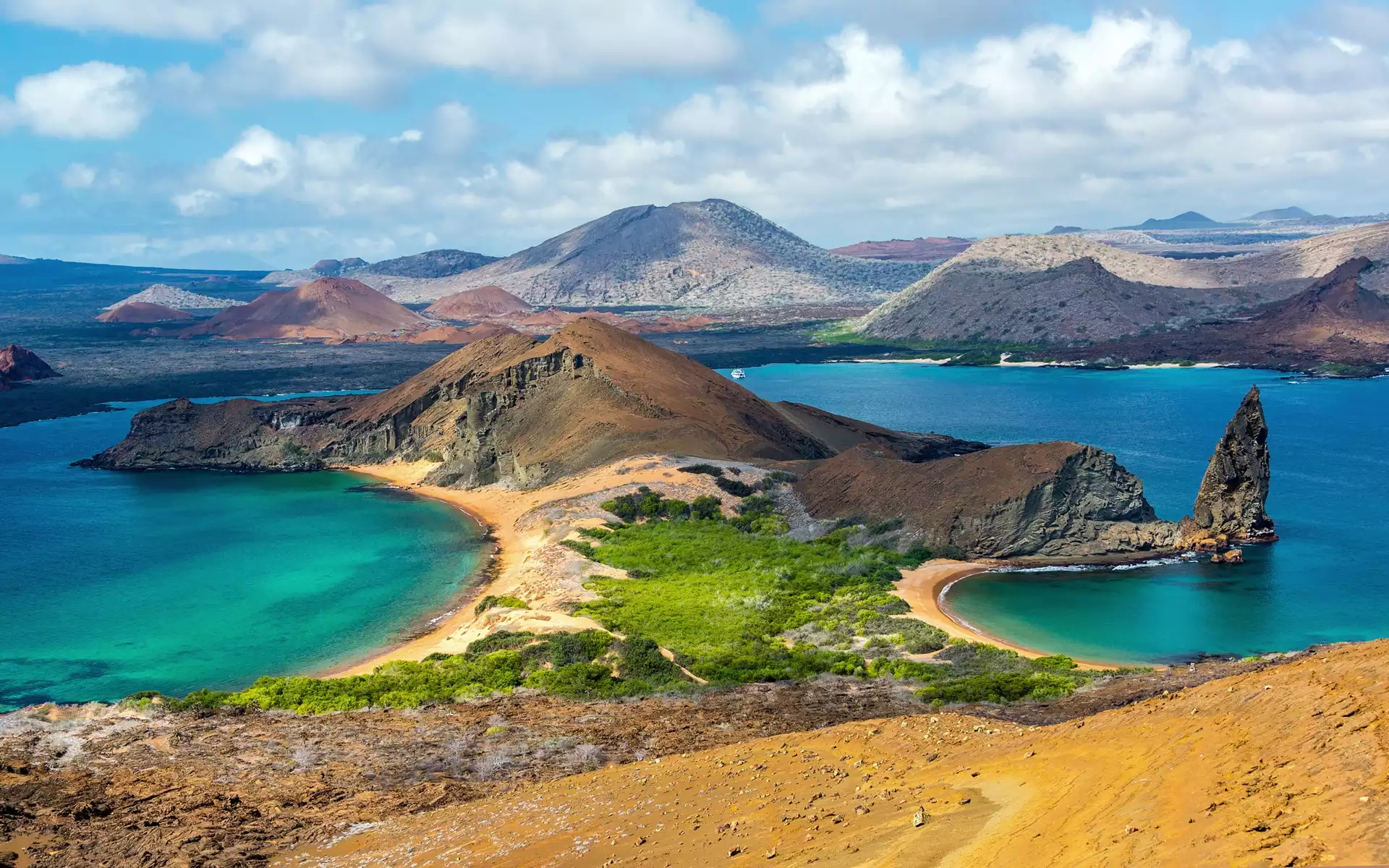
A red weather warning hit the Galápagos Islands on Thursday 12 November 2026, only two weeks after floods swamped the main tourist island. Ecuador’s national weather and water institute, Inamhi, ordered the alert for heavy rain on Santa Cruz, San Cristóbal and Isabela.
The archipelago is one of Latin America’s best-known wildlife destinations. Travellers from the United States who have trips booked should know that the last flood closed the airport for a time.
Key Facts
—Power Index Ecuador ranks 8th of 14 in The Rio Times Latin America Power Index, with 37.2 points (November 2026 edition).
—Who. Inamhi, Ecuador’s national weather and water institute, covers Santa Cruz, San Cristóbal and Isabela.
—What. A red alert, the highest tier, for heavy rain on three Galápagos islands.
—When. Thursday 12 November 2026, 14:00 to 18:00 local time (20:00 to 00:00 GMT).
—Next step. Check the airline and the airport operator before any Galápagos trip this week.
Ecuador’s weather service put three Galápagos islands on its highest rain alert for four hours, after floods and an emergency declaration on the main island.
What Happened
Inamhi’s notice ran from 14:00 to 18:00 local time on Thursday, which is 20:00 to 00:00 GMT. It set the red level, meaning heavy rain, for Santa Cruz, the most populated island, San Cristóbal and Isabela.
The institute said the rainfall could vary in length and last several hours. Red is the top level of its alert scale.
The warning followed floods in late October and early November, when authorities declared an emergency in Santa Cruz canton (county) in late October 2026. The rains were linked to El Niño, a warming of Pacific waters that shifts rainfall patterns.
Flooding on Santa Cruz forced the temporary closure of the island’s airport to commercial flights and put dozens of people in shelters. At least one person died and about 2,000 were affected, according to the figures reported from Ecuador’s emergency authorities.
Why It Matters
Damage was not limited to homes and roads. The October and November rains also cut electricity and closed some tourist sites on the island.
Nationally, the National Risk Management Secretariat (SNGR), Ecuador’s disaster-response agency, says El Niño rains have affected tens of thousands of people and killed at least 11 since the national red alert of late August 2026. The alert was declared ahead of the arrival of El Niño.
In Ecuador El Niño usually brings intense rain and floods on the coast, and long dry spells in the Andes. The Galápagos feel the same pattern in a different form, with short, violent downpours on islands that have little drainage.
What to Watch Next
The first checkpoint is the end of the alert window at 18:00 local time on Thursday. Inamhi, the SNGR and the Galápagos governing council, the islands’ regional government, are the bodies that would announce any extension.
The second is the airport and flight status on Santa Cruz in the days after the rain. Airlines and the airport operator publish those updates first, so US travellers should check them directly.
What Is Not Known
Public notices seen so far do not say how much rain fell on Thursday, or whether it caused new flooding. They also do not say whether the airport or tourist sites closed again.
The date by which the emergency on Santa Cruz will be lifted is not published. Nor is a full damage estimate for the islands.
What It Means for You
If you are due in the Galápagos soon, expect possible delays and keep your booking flexible. Confirm flights with the airline, and read Inamhi and SNGR alerts before travelling between islands.
Frequently Asked Questions
What does a red alert from Inamhi mean?
It is the highest level on the institute’s scale, used here for heavy rain. It tells people in the three islands to expect hazardous conditions for the hours stated.
Are Galápagos flights cancelled?
No cancellation is confirmed in the alert itself. The airport on Santa Cruz closed temporarily to commercial flights during the late October flooding, so check with your airline.
What is El Niño?
It is a warming of Pacific Ocean waters that changes weather worldwide. In Ecuador it often means heavy rain and flooding.
More on the country is in our Ecuador coverage, and on the vote that starts to take shape this month in Ecuador Begins Ballot Shipments on 16 Nov.
Sources: Inamhi; National Risk Management Secretariat (SNGR); Galápagos Special Regime Governing Council.
This article was produced by The Rio Times’ automated AI newsroom. Editorial responsibility: Matthias Camenzind, Publisher and Editor-in-Chief. The Rio Times also runs Ask Rio Times, which answers from 100,000+ of our own articles, the daily Latin America Power Map, and prediction-market odds on elections and markets.. How we use AI · Report an error