
Environmental groups in Venezuela say a new oil spill covers at least 3.4 square kilometres of the Golfete de Coro, a coastal bay in Falcón state in the north-west. The environmental group Movimiento Ecología de Voluntad Popular (ME-VP), whose name refers to the opposition party Voluntad Popular, made the claim on Tuesday 10 November, citing satellite images.
A Falcón ecologist called the repeated spills “one of the most serious ecocides of this era”. The groups say the state oil company, PDVSA (Petróleos de Venezuela), has not attended to the leak for several weeks.
Key Facts
—What. Groups report an oil slick of at least 3.4 km² in the Golfete de Coro, Falcón state.
—Claimed source. A broken pipeline at Muro de Mitare, part of the Paraguaná refining complex operated by PDVSA, according to ME-VP.
—Impact. Schools stopped classes because of the smell, and the area’s fishing community is affected, the groups say.
—Status. Reported by campaigners and not independently verified (as of 12 November 2026).
—Power Index. Venezuela ranks 12th of 14 in The Rio Times Latin America Power Index, with 29.4 points (November 2026 edition).
Spills in the same part of Falcón have been reported for years. Campaigners say the reopening of oil activity must not come at the expense of communities and ecosystems.
What the Groups Are Reporting
ME-VP says satellite images show a hydrocarbon slick of at least 3.4 square kilometres on the surface of the Golfete de Coro. Its representative, Victoria González, says the oil comes from a broken pipeline of the Paraguaná refining complex, a PDVSA site, at Muro de Mitare in Falcón.
Rain runoff and wind have pushed the crude west and it has reached the Río Seco area, according to ME-VP. The group says spills had already been reported there in September and that PDVSA has not dealt with the leak for several weeks.
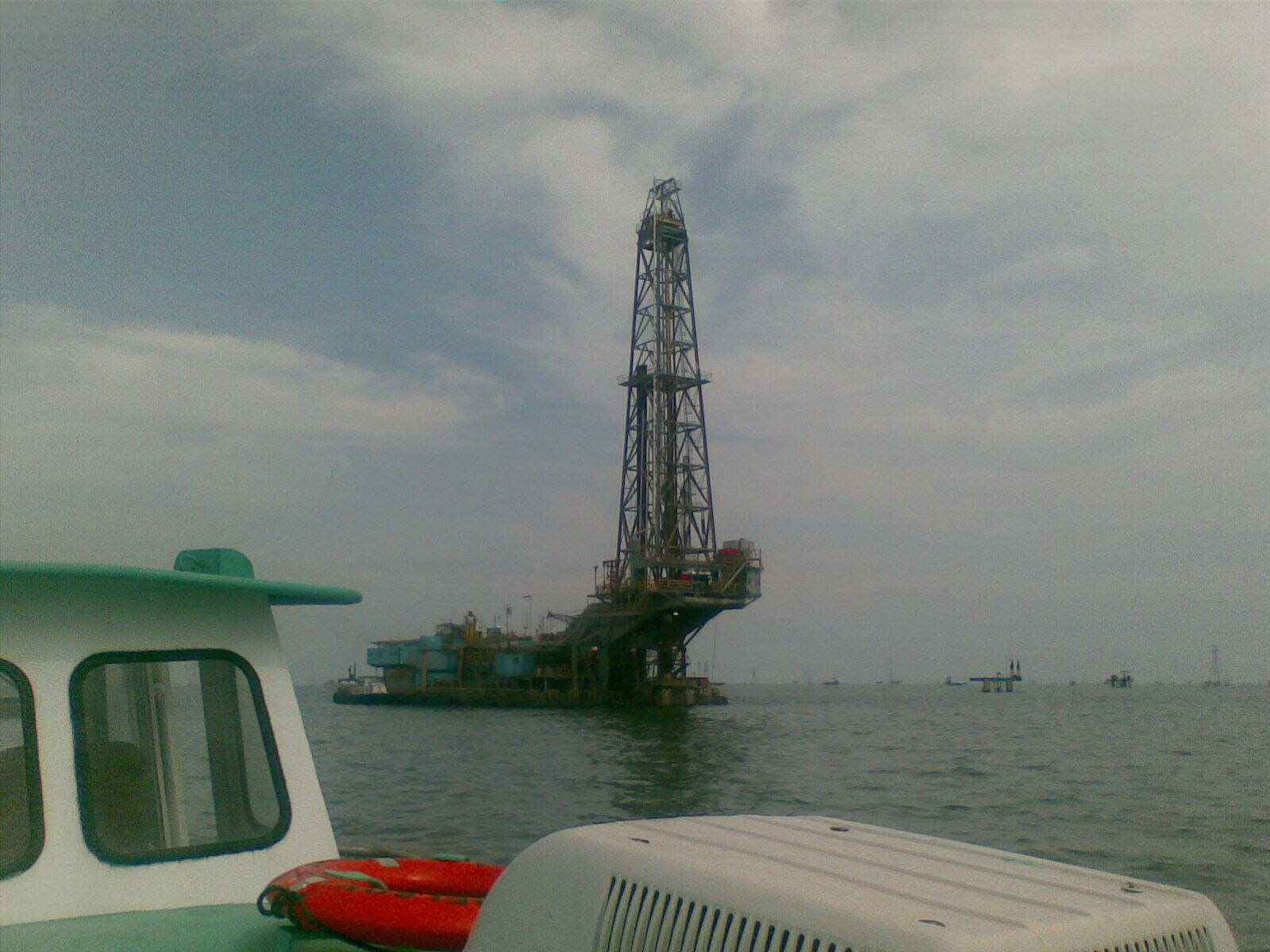
Why the Bay Matters
ME-VP says the Golfete de Coro has wetlands that are home to migratory birds and marine species. It says the recurring spills show a weakness that threatens that ecosystem.
The groups say fishing families and schools are already affected. Classes were suspended because of the strong smell of hydrocarbons, according to ME-VP and the Fundación Azul Ambientalista, a Venezuelan environmental group.
A Pattern of Spills in Falcón
This is not the first alarm. Fishers said in March that a spill from a marine pipeline of the Paraguaná complex had run since 3 March, and residents counted 80 spills since 2019.
Those counts come from residents and fishers, not from PDVSA or an official body. We found no statement from PDVSA on the cause of the latest slick.
What It Means for US Readers
The spill comes amid an oil agreement between the Trump administration and the interim government led by Delcy Rodríguez, with few details published on how it is carried out (see our report on US-held Venezuelan oil revenue). Venezuelan civil society asks both governments to be open about the deal’s scope and the use of the money it earns.
González said the reopening of oil activity must not come at the expense of Falcón’s coastal ecosystems or the life of its communities. Communities around the bay have reported constant spills for more than six years, according to local accounts.
What Is Not Known
The source is disputed: ME-VP names a pipeline at Muro de Mitare, while fishers in other local accounts name the Ulé-Amuay pipeline. Independent confirmation of the slick’s size and the number of people affected is also missing.
The “ecocide” label is an opinion, not a legal finding. It is also unclear whether PDVSA has started a clean-up.
Frequently Asked Questions
Where is the oil spill in Venezuela?
Campaigners place it in the Golfete de Coro, a coastal bay in Falcón state, near Río Seco and Mitare. They say it covers at least 3.4 km².
What caused it?
ME-VP says a broken pipeline of the Paraguaná refining complex at Muro de Mitare. Fishers in other accounts name the Ulé-Amuay pipeline, and neither claim has been independently verified.
Is the spill official?
No. The report comes from environmental groups citing satellite images, and it has not been verified by an authority.
Sources: Movimiento Ecología de Voluntad Popular (ME-VP) press statement, 10 November 2026; Fundación Azul Ambientalista; residents and fishers of Falcón on the March 2026 spill. PDVSA: pdvsa.com.
This article was produced by The Rio Times’ automated AI newsroom. Editorial responsibility: Matthias Camenzind, Publisher and Editor-in-Chief. The Rio Times also runs Ask Rio Times, which answers from 100,000+ of our own articles, the daily Latin America Power Map, and prediction-market odds on elections and markets.. How we use AI · Report an error
Venezuela and the United States
- What Is Going On Between Venezuela and the United States?
- What Is Going On Between Venezuela and the United States?
- Venezuela Geopolitics Explained, US Now Runs Its Oil
- Venezuela Politics 2026, Who Holds Power After Maduro