
GUIDES · VENEZUELA
Venezuela is run from Caracas, but it is governed through 23 states, one Capital District around central Caracas and a scattering of Caribbean islands. A 2024 law added a 24th state on land that Guyana controls and Venezuela claims.
For a US reader, the map shows where the oil sits, where armed groups operate and which areas are easier to visit. It also frames sanctions licences, migration and every story in our Venezuela news coverage.
Key Facts
- The map Venezuela has 23 states and one Capital District, plus a disputed 24th state created in 2024.
- Governors The ruling alliance led by the PSUV, the United Socialist Party of Venezuela, won 23 of 24 governorships in May 2025. Cojedes was the exception.
- People The last census, in 2011, counted 27,227,930 people. A 2026 estimate is about 28.6 million.
- Oil The largest proven crude reserves on Earth, about 303 billion barrels, lie mostly in the eastern Orinoco Belt, a zone of thick oil.
- Travel The US advisory is Level 3, Reconsider Travel, as of June 2026. Check the notice before booking.
- Power Index Venezuela ranks 12th of 14 in The Rio Times Latin America Power Index, with 29.4 points (November 2026 edition).
- Prediction markets Polymarket, a real-money prediction market, gives acting president Delcy Rodríguez about a 97% chance of being Venezuela’s de facto leader at the end of 2026; about US$446,000 traded (11 November 2026, 11:12 p.m. ET).
In Plain English
- State One of 23 regional units, each led by an elected governor.
- Governor The elected head of a state. In May 2025 voters chose 24, counting the new Guayana Esequiba state.
- Municipality A local council area inside a state, led by a mayor.
- Capital District The area that holds central Caracas and sits outside any state.
- Federal dependencies Caribbean islands that belong to the nation but to no state.
- Guayana Esequiba The name Venezuela gives to the territory it claims inside Guyana.
How Venezuela Is Divided
The 1999 Constitution divides the territory into states, the Capital District, federal dependencies and federal territories in article 16. Article 18 names Caracas as the capital and the seat of national government.
Federal dependencies are maritime islands that belong to no state, under article 17. The Los Roques archipelago is one of them.
Venezuela has states, not provinces, so a search for its provinces leads to this state map. Each state has an elected governor and is split into municipalities.
A law published in the Official Gazette on 3 April 2024 created a Guayana Esequiba state. It covers land run by Guyana that Venezuela claims, with a provisional seat at Tumeremo, a town in Bolívar state.
We group most states into seven areas for readers, and the grouping is ours, not official. A few states, such as Falcón, Lara, Yaracuy, Sucre and La Guaira, sit between these areas and are left ungrouped.
Region at a Glance
- Capital and Central Capital District, Miranda, Aragua, Carabobo. Known for government, Caracas and industry around Valencia.
- Zulia and Maracaibo basin Zulia. Known for the older oil basin and a Colombian border.
- The Andes Mérida, Táchira, Trujillo. Known for mountains and university towns.
- Los Llanos Apure, Barinas, Cojedes, Guárico, Portuguesa. Known for vast plains.
- East and Orinoco Belt Anzoátegui, Monagas. Known for extra-heavy crude.
- Guayana Bolívar, Delta Amacuro, Amazonas. Known for gold, the Guri hydropower dam and Angel Falls.
- Islands Nueva Esparta and the federal dependencies. Known for Margarita island and Los Roques.
The Main Regions and What Each Is Known For
Capital and Central Venezuela
The Capital District and Miranda state together hold the Caracas metropolitan area, the political and commercial heart of the country. Miranda counted 2,675,165 people in the 2011 census of the National Statistics Institute (INE).
Carabobo, whose main city is Valencia, and Aragua form the industrial centre. Carabobo counted 2,245,744 people in 2011, according to INE.
Our Caracas guide covers the city in detail. Here we follow the state map around it.
Zulia and the Maracaibo Basin
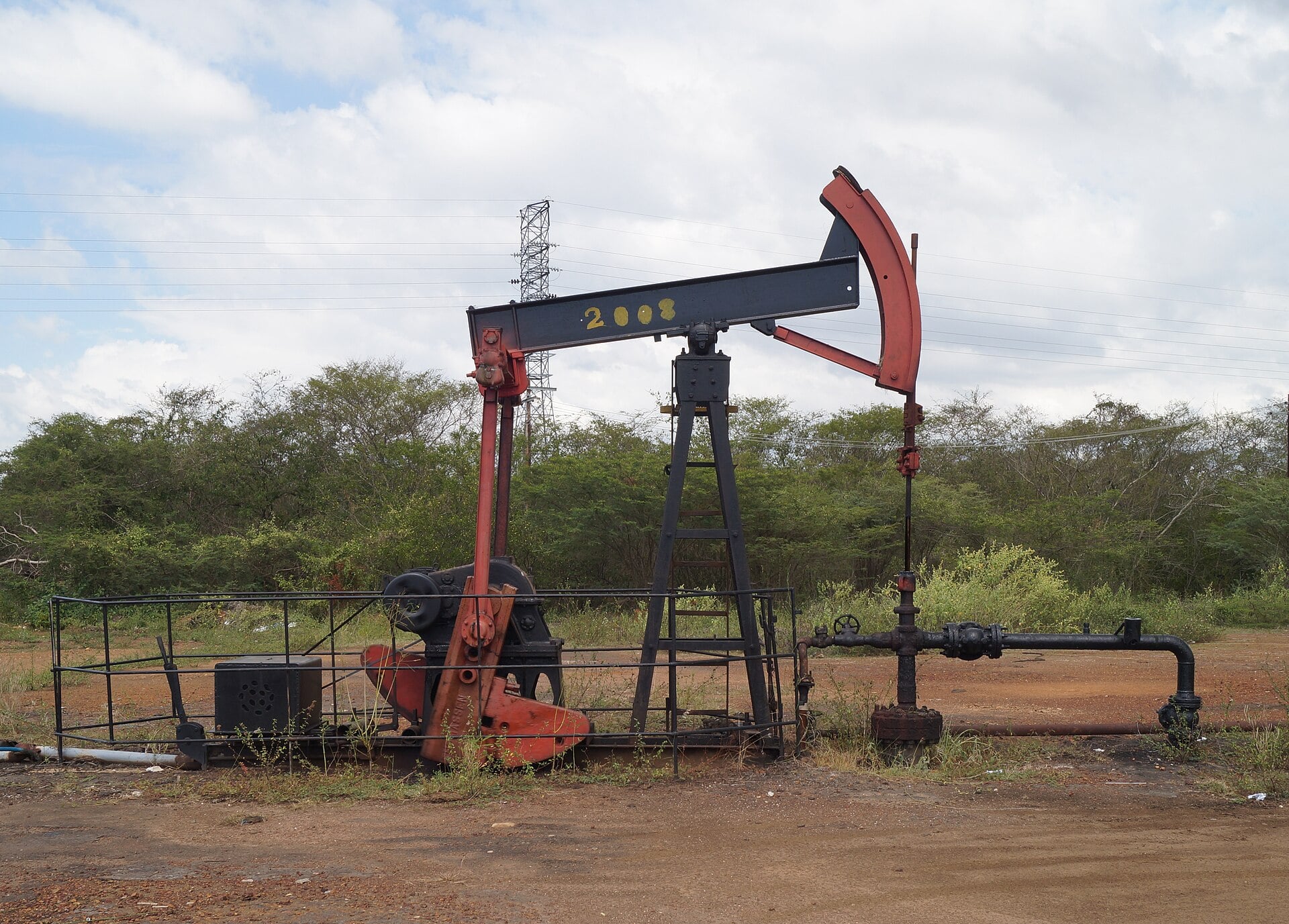
Zulia lies in the north-west on Lake Maracaibo and borders Colombia. The older Maracaibo oil basin in Zulia produces lighter crude than the thick oil of the east.
The Andes
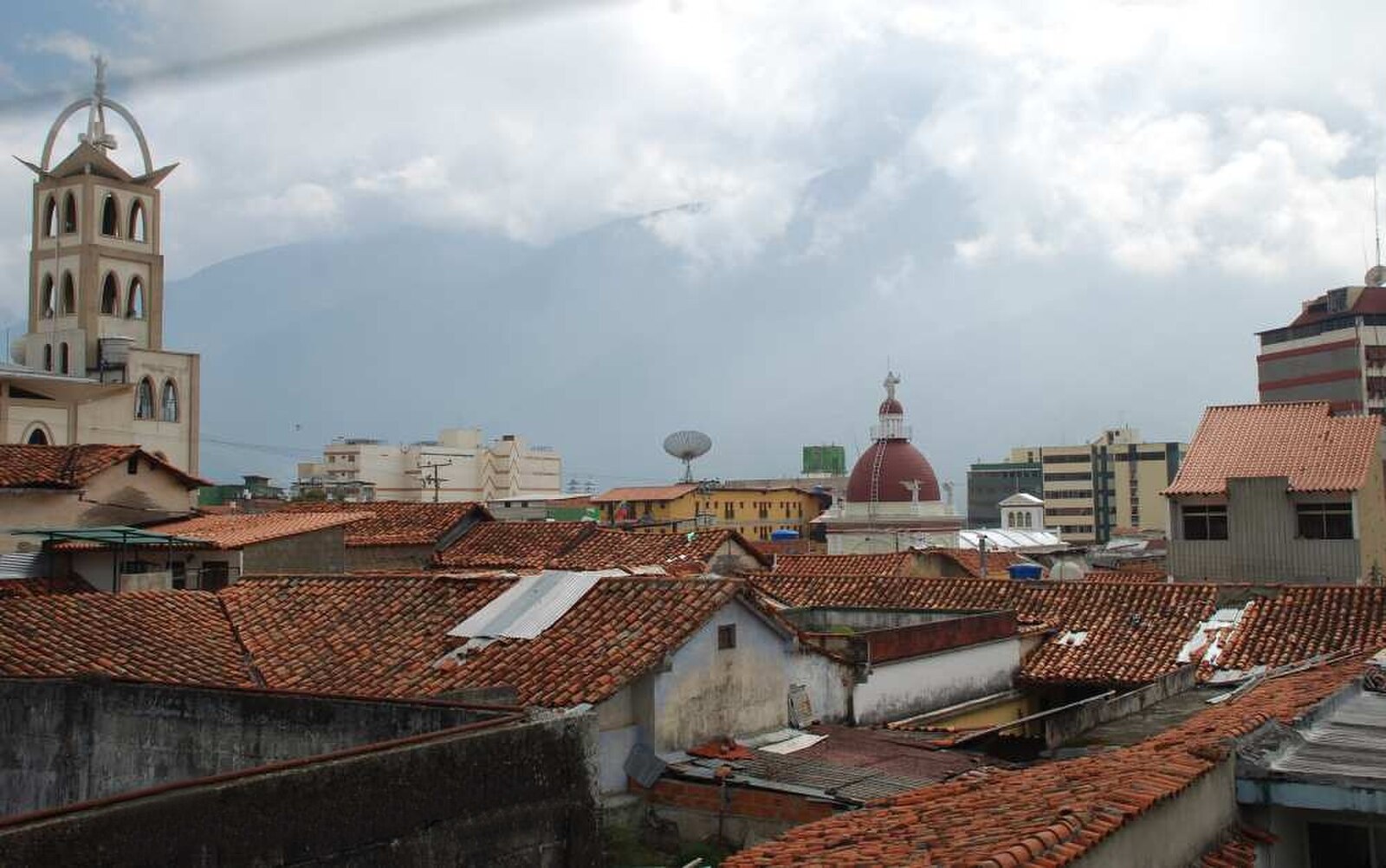
Mérida, Táchira and Trujillo are the Andean states, a mountain region in the west. Táchira borders Colombia, and Mérida, shown below, is a university city.
Los Llanos Plains
Apure, Barinas, Cojedes, Guárico and Portuguesa make up the Llanos, a wide region of grassy plains. Apure also borders Colombia, which matters for security, as we explain below.
The East and the Orinoco Belt
The Orinoco Belt stretches across southern Guárico, Anzoátegui and Monagas in the east. It covers about 55,000 square kilometres (about 21,000 square miles) and holds mostly extra-heavy crude, a thick oil that must be thinned before it flows.
Guayana in the South
Bolívar, Delta Amacuro and Amazonas form the south. Bolívar borders Brazil and Guyana, Delta Amacuro borders Guyana, and Amazonas borders Colombia and Brazil.
Bolívar holds Angel Falls, Canaima National Park and the Guri hydro dam on the Caroní River. The Orinoco Mining Arc, described next, centres on this state.
Decree 2.248 of 24 February 2016 created the Orinoco Mining Arc, which covers 111,843.7 square kilometres (about 43,000 square miles). That is about 12.2% of national territory, and the decree lists gold, copper and coltan.
The Islands
Nueva Esparta state is Margarita island, a Caribbean holiday and fishing destination. The federal dependencies, including Los Roques, sit outside the state system.
Economy and People by Region
The 2011 census counted 27,227,930 people, and no official census has followed. The United Nations estimates about 28.6 million for 2026, so regional totals today are guesses.
About 6.9 million Venezuelans live in the 17 host countries counted by R4V, the UN-backed platform for refugees and migrants from Venezuela. The census figures above therefore describe a population that has changed.
The International Monetary Fund (IMF) puts real economic growth at 9% for 2025 in its October 2026 outlook. It sees growth of 5% for 2026.
S&P Global Ratings, a US credit rating agency, cut Venezuela’s long-term foreign-currency debt to SD, for selective default, in November 2017. Growth therefore comes from a low base and a risky credit record.
The Organization of the Petroleum Exporting Countries (OPEC) counts about 303 billion barrels of proven reserves, the world’s largest, in its latest annual bulletin. Our resources guide covers output and the other minerals.
US sanctions remain in force. Trade runs through licences from the Treasury’s Office of Foreign Assets Control (OFAC).
Hydropower from the Guri dam ties the national grid to the Caroní River in Bolívar. The east and Zulia supply the oil, and the south supplies the power and the gold.
Regional Politics and Security
Who Governs the Regions
The National Electoral Council (CNE), the official election body, gave the ruling PSUV alliance 23 of 24 governorships on 25 May 2025. PSUV is the United Socialist Party of Venezuela, the governing party.
The exception was Cojedes, won by Alberto Galíndez, a governor outside the PSUV bloc,. He was expelled from the opposition party Primero Justicia in April 2025.
Neil Villamizar, a PSUV admiral, won Guayana Esequiba. Nationwide official turnout was 42.63% in the CNE’s preliminary results, and the main opposition boycotted and claims much lower participation.
The governors elected in May 2025 include Luis Caldera in Zulia, Rafael Lacava in Carabobo, Freddy Bernal in Táchira and Elio Serrano in Miranda. Carmen Meléndez, of the PSUV, was re-elected mayor of Libertador, the central Caracas municipality, on 27 July 2025.
At the top, Delcy Rodríguez is acting president after US forces captured then-president Nicolás Maduro on Saturday 3 January 2026. Venezuela’s Supreme Court ordered the transfer that day, and she was sworn in on 5 January.
Her brother Jorge Rodríguez was re-elected president of the National Assembly, Venezuela’s parliament, on 5 January 2026. Our guide to who holds power profiles the main players, and The Rio Times Latin America Power Index ranks them against the region.
No presidential election date is set. Rodríguez said on 29 October 2026 that the elections the constitution requires will be held.
Armed Groups and Crime
The ELN, a Colombian guerrilla group, and FARC dissidents, breakaway fighters from Colombia’s old rebel army, operate in Apure and other border and southern states. That is the account of Colombian authorities and independent analysts.
Tren de Aragua, a prison-born gang, grew out of Tocorón prison in Aragua state, which the state took control of in 2023. Venezuela’s government confirmed on 12 June 2026 that its leader, known as Niño Guerrero, was killed in a joint operation with US forces in south-eastern Bolívar state.
Interior Minister Diosdado Cabello announced a “strictly preventive” armed forces deployment on the Colombian border on 2 November 2026. Our security guide explains the groups in more depth.
The Border Dispute with Guyana
The International Court of Justice (ICJ), the UN’s top court, held oral hearings on the merits of Guyana v. Venezuela on 4–11 May 2026. The case concerns the 1899 Paris arbitral award, which fixed the border, and Venezuela says it does not accept the court’s jurisdiction.
No judgment date has been announced. Until then, the Guayana Esequiba state exists on Venezuelan maps but not on the ground.
What Visitors, Investors and Expats Should Know
The US State Department rated Venezuela Level 3, Reconsider Travel, in a June 2026 update after lowering it from Level 4 in March. Check the current notice at travel.state.gov before booking, because some border areas carry a stricter Do Not Travel warning.
The US embassy in Caracas reopened on 30 March 2026, and its consular services were still being rebuilt at that point. Check with the embassy which office handles your case.
Investors should treat every oil or mining deal as licence dependent. The state map shows the risk, since the Orinoco Belt, the Maracaibo basin and the Mining Arc each sit in different hands and legal settings.
Expats and families should check conditions region by region rather than country wide. Border states and mining areas carry different risks from the capital.
What Prediction Markets Say
Polymarket, a platform where users bet real money on outcomes, gives acting president Delcy Rodríguez about a 97% chance of being Venezuela’s de facto leader, the person who actually holds power, at the end of 2026. About US$446,000 had traded as of 11:12 p.m. ET on 11 November 2026.
A separate market gives 7.5% that a presidential election is scheduled by 31 December 2026, with about US$171,000 traded on that contract. The 64.5% price for 31 December 2027 is thinly traded, so we do not lean on it, and these are bets, not polls.
A different market titled “Venezuela leader end of 2026” still lists Nicolás Maduro, the ousted president, at 93.6%, with about US$4 million traded on that contract. The wording of that contract makes it unreliable, so we do not use it.
Why we show this: prediction markets turn real-money bets into a live probability that moves within minutes of the news, which is why investors, campaigns and newsrooms in the United States now follow them closely. We show them next to polls and official results, never instead of them.
What Is Not Known
Nobody can yet say when elections will be held, or when the ICJ will rule on the border case. It is also unclear whether governors outside the PSUV bloc, such as the one in Cojedes will keep their posts.
The current official population of each region is unknown, as is the real size of illegal mining and armed group control. The map is likely to change slowly, and a scheduled election date would be the first sign of a faster shift.
Connected Coverage
Frequently Asked Questions
How many states does Venezuela have?
Venezuela has 23 states and one Capital District. A 2024 law added a disputed 24th state, Guayana Esequiba, on land Guyana runs, so 24 governors were elected on 25 May 2025.
What are the main regions of Venezuela?
We group most states into seven areas: Capital and Central, Zulia, the Andes, Los Llanos, the East and Orinoco Belt, Guayana, and the islands. The grouping is ours, not an official map.
Where are Venezuela’s oil regions?
The Orinoco Belt in the east, including Guárico, Anzoátegui and Monagas, holds mostly extra-heavy crude. The older Maracaibo basin in Zulia produces lighter crude.
Who governs Venezuela’s states?
The ruling PSUV alliance won 23 of 24 governorships on 25 May 2025, according to the National Electoral Council. Alberto Galíndez, a governor outside the PSUV bloc, won Cojedes.
Is it safe to visit Venezuela’s regions?
The US State Department rated Venezuela Level 3, Reconsider Travel, in June 2026. Armed groups operate in Apure and other border and southern states, so check travel.state.gov before booking.
Does Venezuela control Guayana Esequiba?
No. Guyana runs the territory and Venezuela claims it, and the International Court of Justice held hearings on 4–11 May 2026 with no judgment date announced.
Sources: Constitution, election results, census and sanctions licences from the official bodies named below; oil and growth figures from OPEC and the IMF.
- Constitution of the Bolivarian Republic of Venezuela, articles 16 to 18 (1999)
- R4V Platform, Venezuelan refugees and migrants
- National Electoral Council, regional elections (25 May 2025)
- National Statistics Institute, 2011 census
- OPEC, Annual Statistical Bulletin (2025 edition)
- US Treasury OFAC, Venezuela-related sanctions (November 2026)
- US State Department, Venezuela travel advisory (June 2026)
- International Court of Justice, Guyana v. Venezuela (May 2026 hearings)
- International Monetary Fund, World Economic Outlook database (October 2026)
This article was produced by The Rio Times’ automated AI newsroom. Editorial responsibility: Matthias Camenzind, Publisher and Editor-in-Chief. The Rio Times also runs Ask Rio Times, which answers from 100,000+ of our own articles, the daily Latin America Power Map, and prediction-market odds on elections and markets.. How we use AI · Report an error
Expat Guide to Venezuela
What The Rio Times publishes for foreigners who live in or move to Venezuela.
Start here
- Moving to Venezuela in 2026: Visa, Costs and Safety
- Venezuela Security and Crime Explained 2026
- Healthcare in Venezuela for Expats: Clinics, Insurance and the Private Option
- Taxes in Venezuela for Expats: What Foreigners Pay During the Transformation
Understand Venezuela
Venezuela and the United States
- What Is Going On Between Venezuela and the United States?
- What Is Going On Between Venezuela and the United States?
- Venezuela Geopolitics Explained, US Now Runs Its Oil
- Venezuela Politics 2026, Who Holds Power After Maduro