Chile · Travel
Key Facts
—Current Snowpack Valle Nevado reported 315 cm of total snow for 2026 at 3,000 m elevation as of early July, a marked improvement over recent drought years.
—La Parva Conditions La Parva’s official mountain report showed 0 cm of fresh snowfall in late July, but the resort opened with a solid base built from earlier storms.
—Industry Context Chilean ski resorts are recovering from a severe, multi-year drought that drastically shortened seasons and reduced foreign visits.
—International Appeal Valle Nevado is the largest ski area in the Southern Hemisphere, traditionally drawing thousands of Brazilian, North American, and European skiers.
—Economic Impact A full ski season at Chile’s three interconnected resorts near Santiago can generate over US$150 million in direct and indirect revenue.
Valle Nevado record snow accumulations are driving a long-awaited revival at Chile’s premier Andean ski resorts this season, as early storms delivered the most promising base in years and rekindled international demand for Southern Hemisphere skiing.
Valle Nevado record snow: A Season of Renewal After Years of Drought
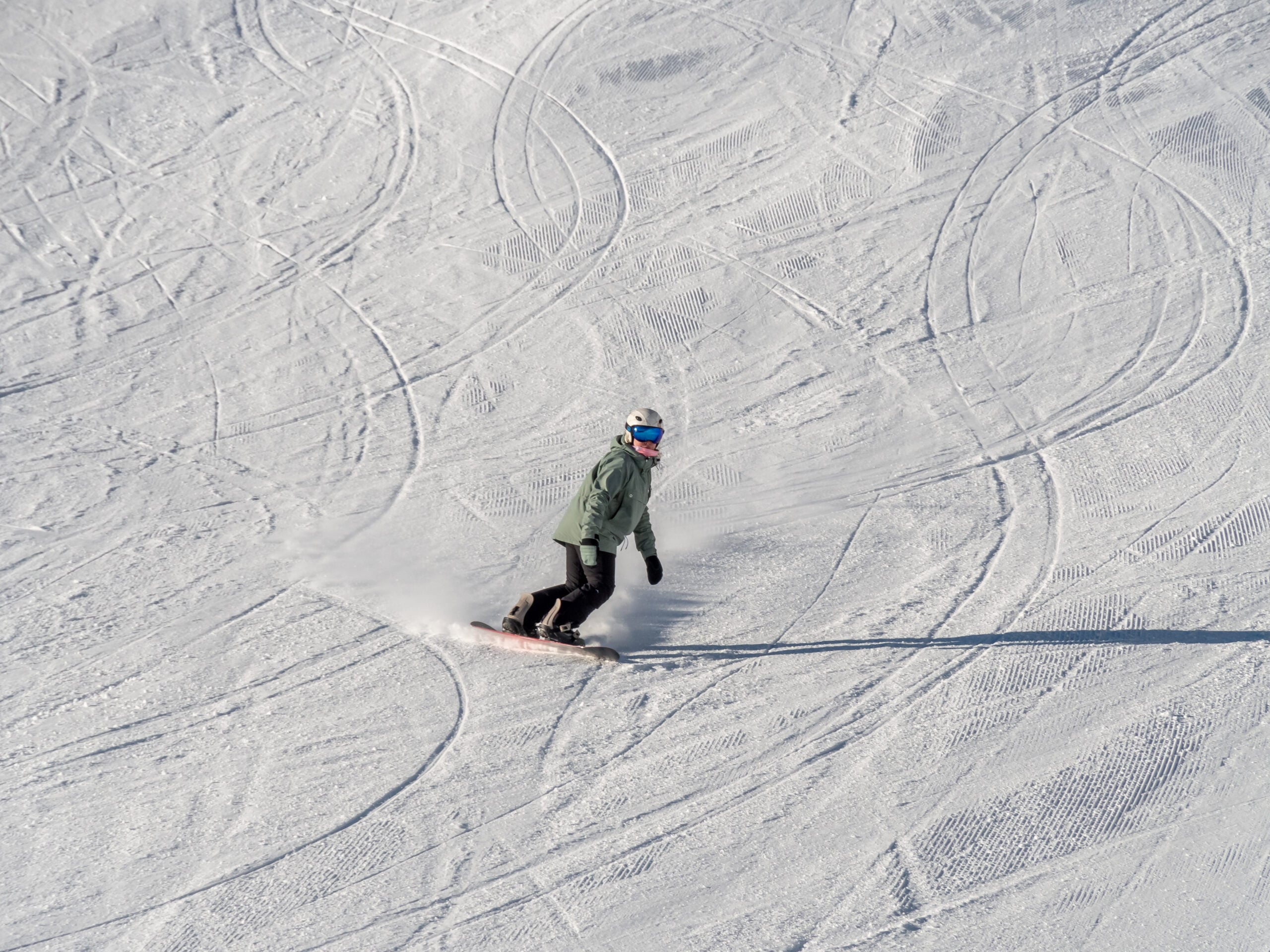
Chile’s central Andes are finally shaking off the grip of a punishing multi-year drought that had left slopes bare and chairlifts idle. The 2026 winter season opened with a series of early storms that blanketed the high-altitude resorts east of Santiago, restoring a landscape that had grown increasingly rocky and brown.
Valle Nevado, sitting at 3,000 meters above sea level, reported 32 centimeters of total snow for the year by early July. While late-July conditions showed a temporary lull with no fresh snowfall over a seven-day period, the accumulated base was enough to sustain operations across core terrain.
Neighboring La Parva, a favorite among well-heeled Chilean families and second-home owners, also benefited from the early pulse of moisture. The resort’s base held firm even as daily snow reports later showed zero fresh accumulation, a pattern typical of the region’s boom-and-bust storm cycles.
What the Snow Reports Actually Show
Independent snow-tracking services paint a nuanced picture of the 2026 season. Data from Snowsure.ai and J2Ski captured modest depths at La Parva, with readings of 10 centimeters on the mountain and a 5-centimeter base in some snapshots.
Valle Nevado’s upper and lower snow depths fluctuated, with some reports showing 0 centimeters at lower elevations.
These figures do not contradict the narrative of a comeback; they highlight how the Andes rely on intense, episodic storms rather than steady accumulation. The critical difference in 2026 is that the storms arrived early enough to allow resorts to open substantial terrain by mid-July, a milestone missed in several recent drought years.
Ski industry analysts caution against reading too much into a single data point. Snow-forecaStcom historical records show that Valle Nevado’s season typically peaks in August, meaning the 32-centimeter July figure represents a foundation, not a ceiling.
Resort operators remain confident that the pattern of early storms sets the stage for a strong second half.
The Foreign Skier Factor
International visitors are the economic lifeblood of Chile’s ski industry. Before the drought, roughly 60% of Valle Nevado’s guests came from abroad, with Brazilians making up the single largest foreign contingent.
North Americans and Europeans seeking off-season turns in July and August formed another critical segment.
The resort’s partial opening announcement earlier this year, covered by outlets like Freeskier, signaled to that global audience that Chile was back in play. Tour operators such as PowderQuest, which specialize in South American ski trips, began marketing Valle Nevado itineraries aggressively once the early snow totals became clear.
For foreign investors and expats based in Santiago, the ski resurgence carries symbolic weight. The three interconnected resorts – Valle Nevado, La Parva, and El Colorado – form the largest skiable domain in the Southern Hemisphere.
Their health is a bellwether for the capital’s quality-of-life appeal and for the broader tourism economy.
Economic Stakes and Investment Outlook
A full-length ski season across Chile’s Andean resorts generates an estimated US$150 million to US$200 million in combined direct and indirect economic activity. That figure includes lift-ticket sales, hotel bookings, restaurant revenue, equipment rentals, and transportation services stretching from Santiago’s international airport to the mountain access roads.
The drought years slashed those numbers dramatically. Hotels in the ski corridor reported occupancy rates below 30% during what should have been peak weeks.
Seasonal workers, many from rural communities, lost months of income. The 2026 rebound, even if not yet record-breaking by historical standards, restores a vital employment engine.
Real estate markets in the mountain towns of Farellones and Lo Barnechea are also sensitive to snow conditions. La Parva’s collection of slope-side apartments and chalets sees transaction volumes rise and fall with the quality of the ski season.
Early 2026 inquiries from foreign buyers, particularly Brazilians seeking mountain retreats, have ticked upward, local brokers report.
Looking Ahead: August and Beyond
The Southern Hemisphere ski season runs through late September, with August traditionally delivering the deepest snowpack. Long-range forecasts cited by Powder.com earlier this year suggested that a La Niña pattern could bring above-average precipitation to the central Chilean Andes, though meteorologists urge caution with seasonal predictions.
Valle Nevado’s season-pass sales provide another indicator of confidence. The resort’s early-bird pricing, denominated in Chilean pesos but roughly equivalent to US$750 (~CLP 697,500) for an adult unlimited pass, sold at a faster clip than in 2025, according to industry sources who track the market.
For now, the images of white ridges above Santiago have restored a sense of normalcy. Skiers are carving turns on the same slopes that sat barren a year ago.
The comeback is not yet complete, but the foundation – measured in those 32 centimeters and the storms that built them – is the strongest in half a decade.
More: Chile news in English, every day from The Rio Times.
The big picture: Chile explained — economy, politics, society and daily life in one read.
Frequently Asked Questions
Is Valle Nevado experiencing record snowfall in 2026?
Available snow reports from early July 2026 show 315 cm of total snow at 3,000 m, a strong start compared to recent drought years. However, independent data does not confirm an all-time record; late-July conditions included a dry spell with no fresh accumulation over seven days.
How does La Parva’s snow compare to Valle Nevado’s this season?
La Parva also benefited from early storms that built a solid base. By late July, its official report showed 0 cm of fresh snow over the prior week, but the mountain remained open with coverage supported by earlier accumulations.
Why are Chile’s ski resorts important for foreign visitors?
Chile’s Andean resorts, led by Valle Nevado, are the largest ski areas in the Southern Hemisphere. They attract thousands of international skiers – especially Brazilians, North Americans, and Europeans – seeking winter sports during the Northern Hemisphere summer months.
Connected Coverage
Uber Moto São Paulo Must Launch in 48 Hours, Brazil Court Rules
Sources: Valle Nevado; La Parva's official mountain report.
This article was produced by The Rio Times’ automated newsroom system. How we use AI · Report an error · Editorial responsibility: Matthias Camenzind, Editor-in-Chief