Uber Moto São Paulo Must Launch in 48 Hours, Brazil Court Rules
Brazil · Metropole
Key Facts
—Court ruling Judge Patrícia Persicano Pires of the 16th Public Finance Court ordered São Paulo to authorize Uber Moto within 48 hours on July 21, 2026.
—Daily fine The city faces a daily fine of R$5,000 (~US$980) if it fails to comply with the court order.
—City refusal São Paulo’s municipal government had formally rejected Uber’s credentialing request for the motorcycle service on July 15, 2026.
—Legal basis The ruling relied on Supreme Federal Court (STF) case law stating the municipality exceeded its authority by imposing extra regulatory barriers.
—Appealable The decision is appealable, meaning the legal fight over motorcycle ride-hailing in Brazil’s largest city is not necessarily over.
A São Paulo court has ordered the city government to formally authorize Uber Moto São Paulo within 48 hours, marking the latest turn in a prolonged regulatory battle over motorcycle ride-hailing in Brazil’s largest metropolis. Judge Patrícia Persicano Pires of the 16th Public Finance Court issued the ruling on July 21, 2026, imposing a daily fine of R$5,000 (~US$980) for noncompliance.
Uber Moto São Paulo: The Immediate Court Order
The court’s decision compels São Paulo’s municipal administration to grant Uber the necessary credentials to operate its motorcycle passenger service. The order came just six days after the city formally rejected Uber’s request on July 15, 2026.
If Mayor Ricardo Nunes’ administration fails to comply, it will incur the daily penalty. The ruling is appealable, meaning the city can challenge it in higher courts.
Legal Foundation of the Ruling
Judge Persicano Pires grounded her decision in case law from Brazil’s Supreme Federal Court (STF). She specifically cited a measure by STF Justice Alexandre de Moraes that suspended municipal requirements for additional insurance policies.
That earlier STF intervention gave São Paulo 15 days to review credentialing requests under the national regulatory framework. The broader STF understanding was that the city had encroached on federal legislative competence by attempting to regulate motorcycle ride-hailing on its own terms.
The judge determined that São Paulo’s restrictions conflicted with higher-law rulings. By imposing extra barriers beyond federal rules, the municipality had overstepped its legal authority.
City Hall’s Opposition
São Paulo’s city government has shown what Reuters described as “reiterated resistance” to earlier court orders on the matter. The administration of Mayor Nunes has consistently argued that motorcycle ride-hailing requires specific municipal regulation.
The city’s primary justification has centered on safety concerns. Officials maintain that transporting passengers on motorcycles poses distinct risks in São Paulo’s dense and often chaotic traffic environment.
The formal rejection on July 15 represented the city’s latest effort to block the service. The new court order directly challenges that administrative decision.
Uber’s Position and Safety Commitments
Uber responded to the ruling by stating it confirms the legality of Uber Moto. The company emphasized its commitment to passenger and driver safety, highlighting its provision of personal accident insurance for riders.
Throughout earlier litigation, Uber has argued that riders were being denied an accessible transportation option. The company maintains that motorcycle ride-hailing is permitted under federal law and offers a more affordable alternative in a city where public transit can be overcrowded.
For Uber, the motorcycle service represents a way to expand its product portfolio in Latin America’s largest economy. The company already operates similar two-wheeled ride-hailing in other Brazilian cities and across the region.
What This Means for Riders and Drivers
If the city complies with the order, riders in São Paulo will regain access to a motorcycle ride-hailing option. Uber Moto typically offers lower fares than standard car rides, making it attractive for cost-conscious passengers navigating the sprawling metropolitan area of over 12 million people.
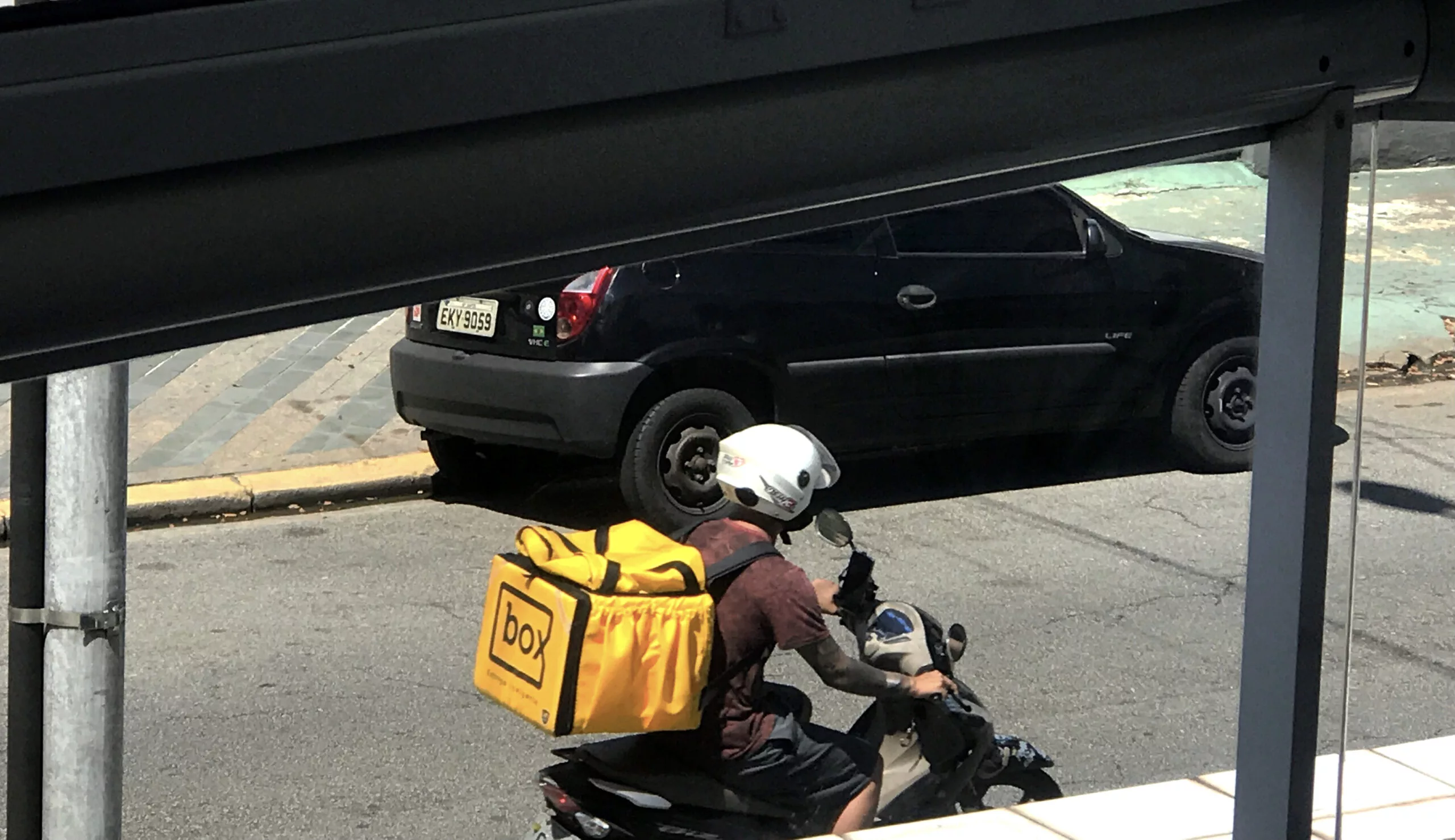
For motorcycle drivers, the ruling opens a potential income stream. Many motoboys, as motorcycle couriers are known in Brazil, could add passenger transport to their delivery work.
However, the legal fight is not necessarily over. Because the decision is appealable, the city could seek to overturn it. Riders and drivers face a period of uncertainty while the judicial process unfolds.
Broader Context of Ride-Hailing Regulation in Brazil
The São Paulo dispute is part of a wider national conversation about how to regulate app-based transportation. Brazil’s federal government has set baseline rules, but municipalities like São Paulo have sought to add their own requirements.
The STF has repeatedly signaled that cities cannot create regulations that effectively ban or excessively restrict services permitted under federal law. The court’s interventions have generally favored allowing the services to operate while safety standards are debated.
For foreign investors watching Brazil’s tech and mobility sector, the case illustrates both the opportunities and the regulatory risks. The ride-hailing market remains large and growing, but legal battles with municipal governments can create operational uncertainty.
Background: Brazil Tax Reform Timeline: Tech Sector Faces 2026 Invoice Shock.
Background: our doing business in brazil a complete guide for foreign entrepreneurs guide.
Background: our brazil tax reform complete guide guide.
Frequently Asked Questions
What did the São Paulo court order regarding Uber Moto?
On July 21, 2026, Judge Patrícia Persicano Pires of the 16th Public Finance Court ordered the city of São Paulo to formally authorize Uber to operate Uber Moto within 48 hours. The ruling imposes a daily fine of R$5,000 (~US$980) if the city fails to comply.
Why did São Paulo’s city government oppose Uber Moto?
The municipal administration under Mayor Ricardo Nunes has consistently argued that motorcycle ride-hailing requires specific local regulation due to safety concerns. The city formally rejected Uber’s credentialing request on July 15, 2026, citing the risks of transporting passengers on motorcycles in dense urban traffic.
Is the Uber Moto legal battle in São Paulo over?
No. While the July 21 ruling favors Uber, the decision is appealable. The city government can challenge the order in higher courts, meaning the regulatory fight over motorcycle ride-hailing in São Paulo is likely to continue.
Connected Coverage
Sources: Judge Patrícia Persicano Pires of the 16th Public Finance Court; Supreme Federal Court (STF) case law.
This article was drafted with automated assistance and reviewed before publication. How we use AI · Report an error · Editorial responsibility: Matthias Camenzind, Editor-in-Chief
Living in or visiting São Paulo? See this month's events and our São Paulo city guide with rents, safety and upcoming concerts.
Brazil runoff, Sunday, October 25: Brazil runoff: date, poll closing times and when results start. Latest: Brazil runoff polls, Flávio 51%, Lula 49%.