
SUDAN · RUSSIA
Key Facts
- The country Sudan is a north-east African nation on the Red Sea, at war since April 2023 between its army and the Rapid Support Forces.
- What happened On Friday 30 October 2026 army chief Abdel Fattah al-Burhan offered Putin a Red Sea zone and mining sites in Moscow.
- The offer A Red Sea zone for Russian fuel and wheat stores, a rail logistics route, and copper and gold deposits.
- Russia’s reply Putin handed over a roadmap on digital, health, education and logistics projects and asked Sudan to pick those it likes.
- The catch No deal was signed, and the published transcript has no mention of a naval base.
Sudan’s army chief Abdel Fattah al-Burhan offered President Vladimir Putin a Red Sea zone and mining sites in Moscow on Friday 30 October 2026. The Red Sea carries a large share of the world’s sea trade between Asia and Europe, so any Russian foothold there draws attention in Washington.
Burhan leads Sudan’s Sovereignty Council, the ruling body of the army-backed government that operates from Port Sudan on the Red Sea coast. The offer is a proposal, not a signed deal, and Putin answered with a roadmap of cooperation areas for Sudan to review.
What Burhan Offered in Moscow
In the Kremlin’s transcript, Burhan said Sudan could create a free economic zone, a Red Sea zone where Russia would build fuel and wheat stores. He described Sudan as a gateway to Africa and said demand for both goods is high across the continent.
He also pointed to a railway with plans to extend it from Port Sudan towards Chad, which could anchor supply routes with Russian firms. Burhan said Sudan has the territory and the opportunities and needs investment in infrastructure.
Gold, Copper and Other Metals on Offer
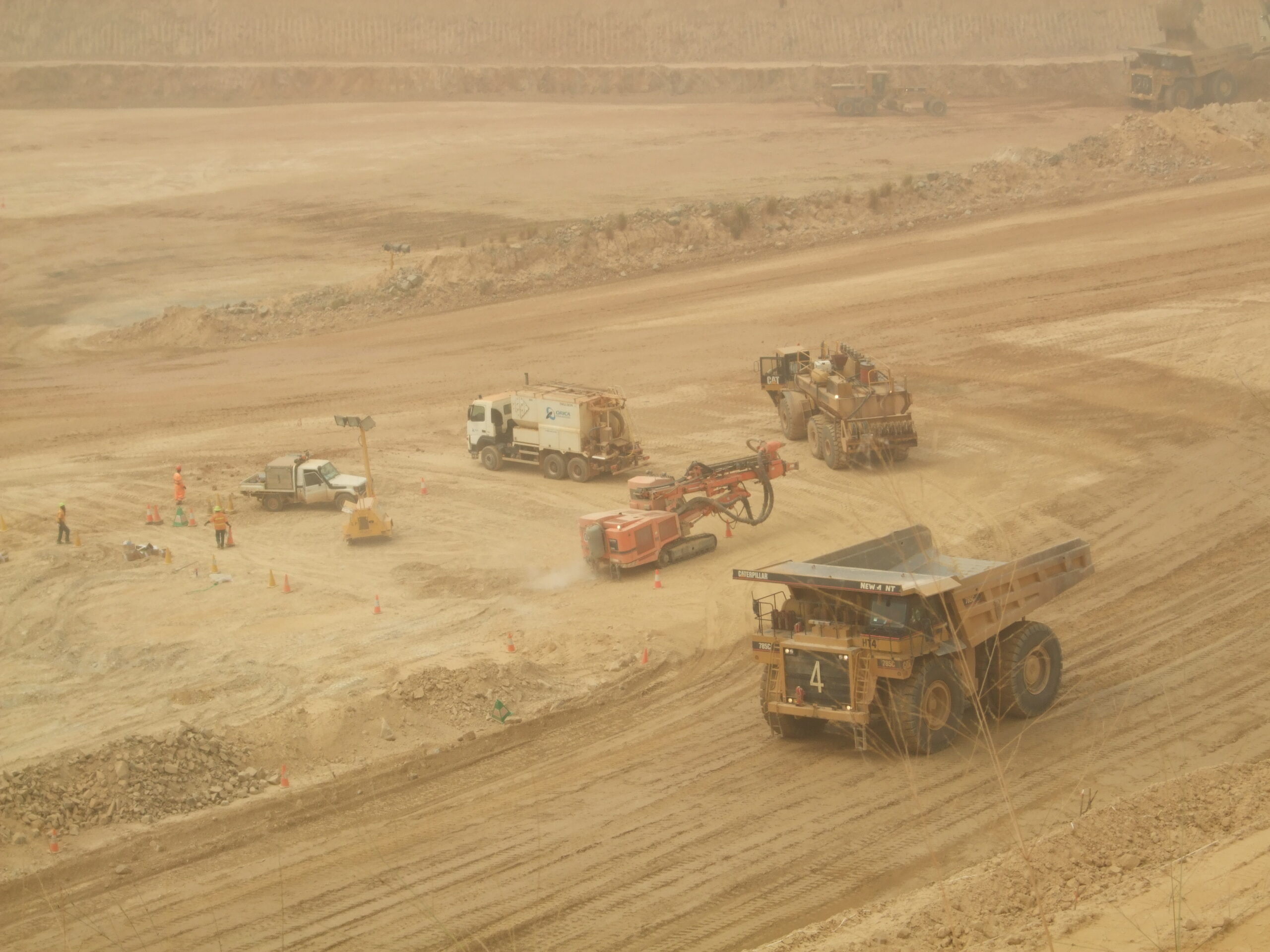
Burhan told Putin that some mineral sites are ready for development and that Sudan can offer Russia copper, gold and other metals for investment. He said no other country dictates terms to Sudan on its resources and that it controls them fully.
Gold is one of Sudan’s biggest exports, and the war has made control of mines a key question for both sides. Our earlier report on Sudan’s record gold exports explains why.
How Putin Answered
Putin called Sudan an important partner in the Arab world and Africa and marked the 70th anniversary of diplomatic ties, which fell in January 2026. He said trade between the two countries more than doubled last year and grew a further 25% from January to August 2026.
He handed Burhan a roadmap on digital development, health, education and logistics and asked Sudan’s government to choose the projects it finds most useful. Putin also said Russia backs a ceasefire and a political settlement and offered to discuss privately what more Moscow could do.
Who Was in the Room
The Kremlin listed senior Russian officials, including Deputy Prime Minister Alexander Novak, Natural Resources Minister Alexander Kozlov and Deputy Defence Minister Vasily Osmakov. The Russian ambassador to Sudan, Andrei Chernovol, also attended.
The meeting took place a day after the third Russia-Africa Summit in Moscow, where Putin met African leaders. Our reports on Burundi’s president co-chairing the summit and Mali’s leader courting Russia cover other talks.
A War That Shapes Every Offer
Sudan’s army and the Rapid Support Forces, a paramilitary group, have fought since April 2023. Putin said Russia’s data show more than 13 million refugees and displaced people, with heavy damage to Sudan’s economy and infrastructure.
Putin said Russia has given humanitarian aid through the United Nations World Food Programme. Our explainer on Sudan’s geopolitics shows how outside powers line up behind the two sides.
What It Means for US Readers
Russia has long sought a naval and trade foothold on the Red Sea, the route linking the Suez Canal to the Indian Ocean. A Russian Red Sea zone with fuel storage would matter to US shipping, energy and security planners, even though nothing is agreed.
Washington has also been in contact with Burhan, as our report on his letter to President Trump shows. A Russian Red Sea zone would complicate any US effort to broker peace or steer Sudan’s gold and ports towards Western partners.
What Is Not Known
No agreement, price or timetable has been published, and the transcript does not say where the zone would be or who would own it. Russia has not said whether it accepts the offer.
The published transcript contains no mention of a naval base, although a Deputy Defence Minister attended. The Kremlin’s published record of Burhan’s remarks is also incomplete, so further terms may have been discussed.
More: Sudan news in English, every day from The Rio Times.
Frequently Asked Questions
What did Sudan offer Russia on 30 October 2026?
Army chief Abdel Fattah al-Burhan offered a Red Sea zone, a free economic zone, for Russian fuel and wheat storage. He also offered mining sites for copper, gold and other metals.
Did Russia and Sudan sign a deal?
No. Putin handed over a roadmap of cooperation areas and asked Sudan’s government to choose projects, so the offer remains a proposal.
Why does the Red Sea matter to the United States?
It links the Suez Canal to the Indian Ocean and carries a large share of global sea trade. A new Russian presence there would concern US shipping and security planners.
Who is Abdel Fattah al-Burhan?
He is Sudan’s army commander and chairman of the Sovereignty Council, the ruling body of the army-backed government. His forces have fought the Rapid Support Forces since April 2023.
How much trade is there between Russia and Sudan?
Putin said trade more than doubled last year and rose another 25% from January to August 2026. He gave no dollar figure and placed Sudan among Russia’s top ten trading partners in Africa.
Sources: President of Russia (Kremlin), transcript of the meeting with Abdel Fattah al-Burhan, 30 October 2026; President of Russia (Kremlin), Third Russia-Africa Summit, 29 October 2026.
This article was produced by The Rio Times’ automated newsroom system. How we use AI · Report an error · Editorial responsibility: Matthias Camenzind, Editor-in-Chief
Horn of Africa and the Red Sea
- Horn of Africa 2026: Why It Matters and Who Backs Whom
- Ethiopia’s Neighbors Explained, Ports, Eritrea, Somalia
- Eritrea Explained 2026, a Red Sea Country Guide
- Somalia Explained: Al-Shabaab, Somaliland, the Ports and the Fight Over a 2026 Vote