Strongest Cities in Latin America and Africa: Buenos Aires and Cairo Lead as Eight Rankings Diverge
The strongest cities in Latin America and Africa depend on what is measured. Eight international benchmarks put Buenos Aires, Cairo, Casablanca, Mexico City, São Paulo and Johannesburg at the top of different lists.
Buenos Aires is Latin America’s highest-ranked city in Oxford Economics’ 2026 Global Cities Index, and Cairo leads Africa. No city from either region appears among the 50 cities with the most millionaires in Henley & Partners’ 2025 wealth report.
Key Facts
- Strongest cities overall. Buenos Aires ranks 138th and Cairo 255th of 1,000 cities in Oxford Economics’ 2026 index, the best in their regions.
- Richest cities. No Latin American or African city is in Henley’s 2025 global top 50 for millionaires. Johannesburg leads Africa with 11,700.
- Leading financial centres. Casablanca (38th) leads Africa and Mexico City (90th) leads mainland Latin America in the Global Financial Centres Index of September 2026.
- Most promising cities. Oxford Economics forecasts 4% yearly growth for Cairo to 2035 and names Lima, Monterrey and Accra among its cities to watch.
- What this means for readers. The richest, the most liveable and the most connected cities are rarely the same, so the right choice depends on the purpose.
Strongest Cities in Latin America and Africa: Eight Benchmarks Compared
No single ranking can name the best city on two continents, because each benchmark measures something different. Oxford Economics scores economic strength, skills, living conditions, environment and governance, while Henley & Partners counts wealthy residents.
The table below sets out six benchmarks that name a leading city in each region. Kearney and the EIU add two more views, and together the eight show which cities are strongest, richest, most liveable and most promising.
| Benchmark | Latest edition | What it measures | Leader in Latin America | Leader in Africa |
|---|---|---|---|---|
| Oxford Economics, Global Cities Index | September 2026 | Overall strength of the 1,000 largest cities | Buenos Aires (138th) | Cairo (255th) |
| Z/Yen, Global Financial Centres Index | September 2026 | Competitiveness of 117 financial centres | Mexico City (90th), after offshore Bermuda and Cayman | Casablanca (38th) |
| Henley & Partners, wealth reports | April and August 2025 | Resident millionaires | No city in the global top 50 | Johannesburg (11,700 millionaires) |
| Mercer, Quality of Living | December 2024 | Living conditions for foreign staff in 241 cities | Montevideo (92nd) | Port Louis (88th) |
| IMD, Smart City Index | March 2026 | Residents’ views of services and technology in 148 cities | Santiago (120th) | Rabat (124th) |
| Startup Genome, ecosystem report | June 2026 | Strength of startup ecosystems | São Paulo (37th worldwide) | Lagos (emerging band 61st to 70th) |
Buenos Aires and Santiago Lead Latin America’s Broadest Measure
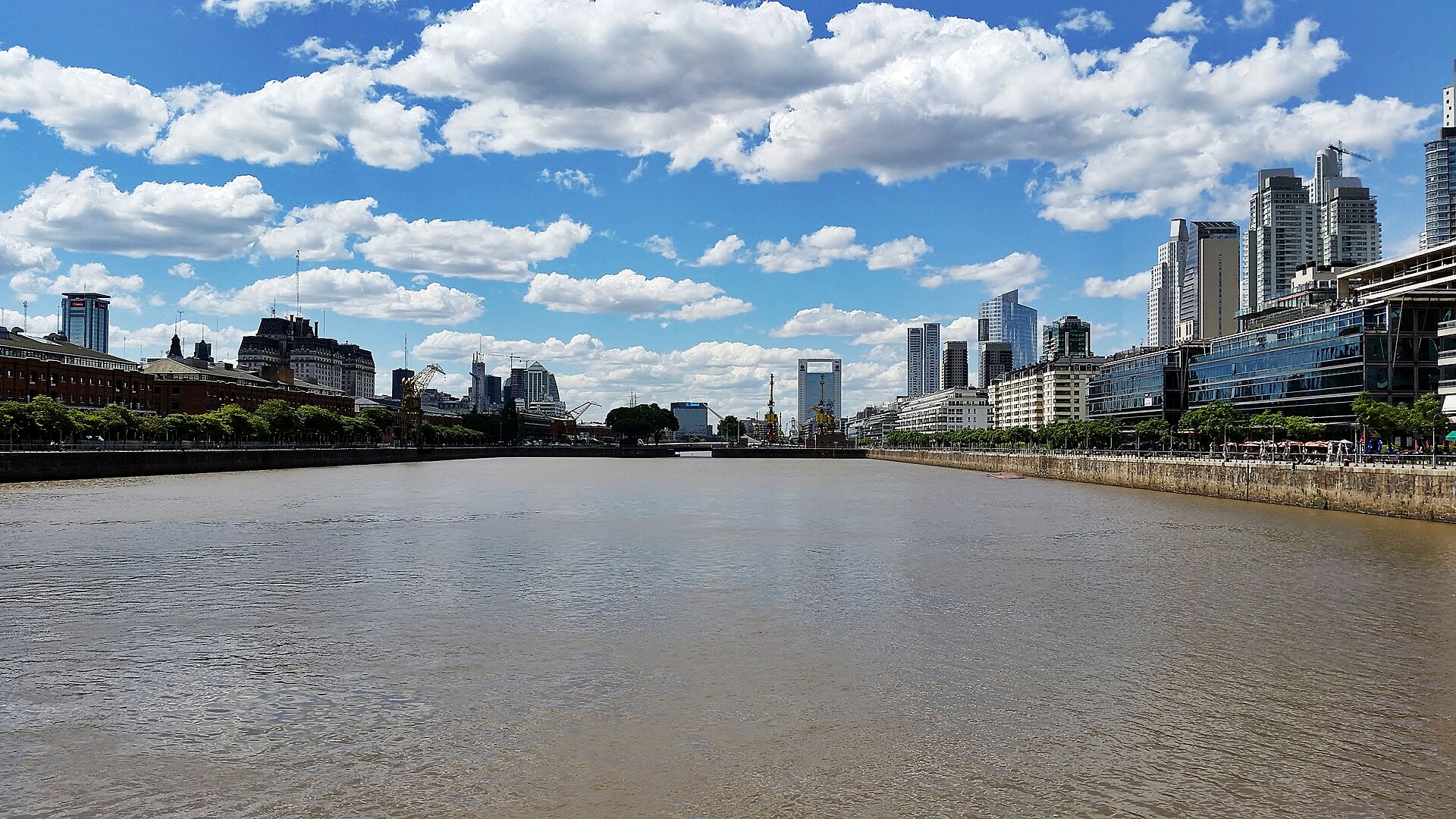
In Oxford Economics’ 2026 index, Buenos Aires ranks 138th, Santiago 155th, Lima 196th and Mexico City 221st. Panama City follows at 280th, with São Paulo at 292nd, San José in Costa Rica at 297th and Bogotá at 299th.
Buenos Aires owes its place to balance rather than to one outstanding strength. It ranks 86th in the world for human capital, 179th for economics and 197th for quality of life.
Mexico City has the region’s best economics ranking, 93rd in the world on that category alone. Its overall place is held down by quality of life at 610th and environment at 508th.
Oxford Economics notes that major Latin American cities tend to underperform their national economies, the reverse of the pattern in most regions. Lima is its named exception, a city that anchors Peru’s economy.
Rio de Janeiro ranks 487th, well below Brazil’s capital, Brasília, at 335th. Oxford Economics credits Brasília with the second-highest income per person in South America in its index, built on high-skilled formal jobs.
Cairo Leads Africa, and Scale Explains Much of It
Cairo ranks 255th of 1,000 and is the only African city in the index’s top 300. Accra follows at 302nd, Port Louis in Mauritius at 305th and Nairobi at 327th.
Oxford Economics describes Cairo as Africa’s largest city economy, with GDP of US$169 billion and 29.9 million people in 2025. That scale still means GDP per person of only US$5,700, below all five Latin American cities it profiles as ones to watch.
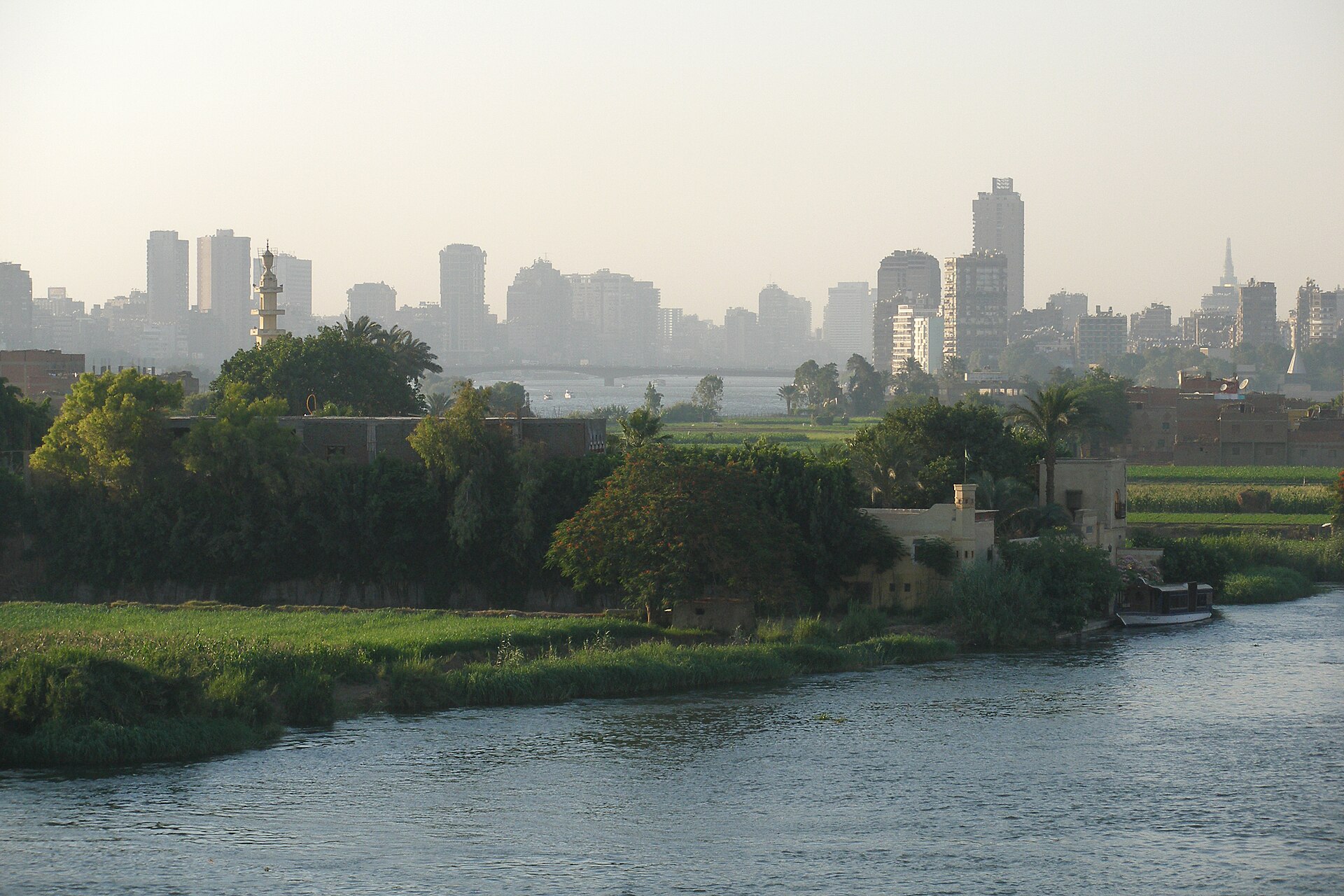
Johannesburg shows how uneven these scores can be. It ranks 25th in the world for human capital but 964th for quality of life, and 392nd overall.
Nairobi follows a similar pattern, with human capital at 26th and quality of life at 891st. Cape Town, Africa’s second-wealthiest city by millionaire count, ranks 506th overall and 963rd for quality of life.
The index’s quality-of-life category is built from income per person, income equality, housing costs, life expectancy, crime and access to culture. Those are the conditions residents feel every day, which is why a strong economy and a hard city to live in can coexist.
Where the Money Sits: No City in the Global Top 50
Henley & Partners’ World’s Wealthiest Cities Report, published in April 2025, ranks cities by resident millionaires. None of its top 50 cities is in Latin America, the Caribbean or Africa.
Its Africa Wealth Report of August 2025 counts 11,700 millionaires in Johannesburg, 8,500 in Cape Town, 6,800 in Cairo and 4,200 in Nairobi. Across the continent it counts 122,500 millionaires, 348 centi-millionaires with liquid investable wealth of US$100 million or more, and 25 billionaires.
Henley’s figures deserve a caution, since the firm advises wealthy clients on residence and citizenship by investment. Its counts are estimates built with the data firm New World Wealth, not official statistics.
Output per person gives a second view of wealth in Latin America. Oxford Economics puts GDP per person in 2025 at US$25,200 in Brasília and US$24,100 in Monterrey, well above Lima at US$13,000.
Finance: Casablanca and Mexico City Rise, Johannesburg Slips
The Global Financial Centres Index, compiled by London’s Z/Yen with the China Development Institute, ranked 117 centres on 16 September 2026. Casablanca rose 11 places to 38th, leading Africa, while Mexico City rose 16 places to 90th.
In the Latin America and Caribbean region, only the offshore centres of Bermuda and the Cayman Islands rank above Mexico City. Among African centres, Mauritius at 55th and Kigali at 80th follow Casablanca.
Johannesburg fell 15 places to 95th, and São Paulo slipped one place to 99th. Buenos Aires, at 117th, sits last in the main index despite leading Latin America in Oxford Economics’ broader ranking.
The contrast is instructive rather than contradictory, because this index combines 144 statistical measures with 39,531 ratings by finance professionals. Argentina’s long record of currency controls, most lifted only in April 2025, is one plausible reason for the gap.
São Paulo: Global Reach Without Broad Strength
Kearney’s Global Cities Index, published in October 2025, measures global influence across 158 cities. It placed São Paulo 28th, up 11 places and ahead of Buenos Aires and Mexico City.
Startup Genome’s 2026 report ranks São Paulo 37th among the world’s startup ecosystems, the only Latin American entry in its global top 40. It values the ecosystem at more than US$55 billion.
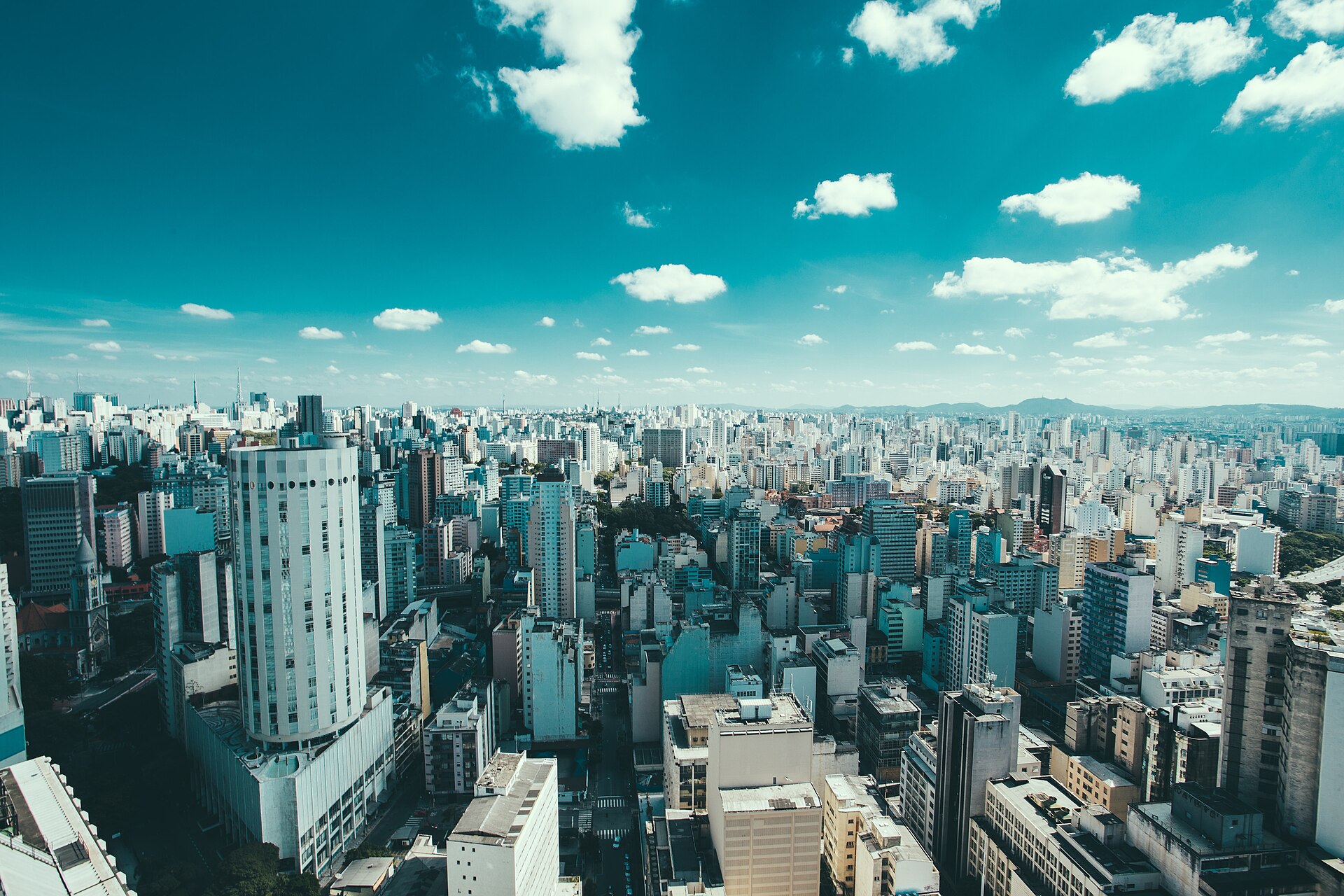
Yet São Paulo ranks 292nd in Oxford Economics’ index and 140th of 148 in the IMD Smart City Index. The city is a hub for companies, start-ups and ideas, while daily conditions for most residents lag behind.
In Africa, Lagos leads Startup Genome’s regional ranking but sits in the 61st to 70th band of its emerging ecosystems. No African ecosystem reaches the global top 40.
Liveability Tells a Different Story
Mercer’s 2024 Quality of Living ranking, its most recent, names Montevideo the top Latin American city at 92nd of 241. Port Louis in Mauritius leads Africa at 88th.
The survey is designed for companies sending staff abroad, so it weighs stability, services and housing for foreign employees. Johannesburg, at 115th, ranks one place above Mexico City.
The EIU’s 2026 Global Liveability Index, published in July, ranks 173 cities. Rio de Janeiro and Johannesburg share 108th place with 71 points out of 100.
Lagos ranks 168th, among the ten lowest cities in the index. The EIU’s regional averages are 67 for Latin America and 55 for sub-Saharan Africa, against a global average of 76.
The EIU’s free summary names only the top ten, the bottom ten and the biggest movers, so most regional placings are not public. That limits any claim about which city leads each region on its measure.
The IMD Smart City Index 2026, based on resident surveys in 148 cities, places no Latin American or African city in its top 100. Santiago leads Latin America at 120th, Rabat leads Africa at 124th and Rio de Janeiro ranks last.
The Most Promising Cities: Where Growth Is Expected
Oxford Economics lists Santiago, Lima, Monterrey, Medellín and Brasília as its Latin American cities to watch. In Africa it names Cairo, Accra, Nairobi, Dakar and Luanda.
Its Lima profile cites expected growth averaging 3.2% a year over the next decade, more than double the rate of São Paulo. The US$3.5 billion Chinese-backed Chancay megaport, opened north of Lima in November 2024, could cut shipping times to China by up to 20 days.
By 2050, Oxford Economics expects average real household income in Lima to rise by over 40%. That would lift the city above São Paulo and Bogotá, having already passed Rio de Janeiro in 2021.
Monterrey’s case rests on nearshoring, the shift of factories closer to the United States market. Oxford Economics projects real household disposable income there to rise about 71% by 2050, against a Mexican average of 55%.
For Cairo it forecasts GDP growth of 4% a year from 2026 to 2035, about 1.3 percentage points above the global urban average. Information and communication is expected to be the main engine, growing 7.8% a year.
Africa’s promise is also demographic. Oxford Economics expects 70 of the 100 fastest-growing major-city populations to 2050 to be African.
Africa’s major cities as a whole are expected to add 213 million people by 2050, and Lagos almost 10.4 million jobs. The same report warns that without higher-skilled work, African cities risk growing in size but not in average wealth.
What the Rankings Cannot See
Most of the eight benchmarks come from consultancies, think tanks or business schools in Britain, the United States or Switzerland. They rely mainly on official statistics, company and deal data, expert ratings and surveys, which capture the formal economy best.
That means they describe how a city looks to a multinational firm or a globally mobile professional. They say less about a street vendor in Lagos or a bus commuter in São Paulo.
The counter-argument is also strong. These are the lenses through which capital, companies and skilled migrants choose where to go, so the rankings shape real decisions.
Rankings also reward size, which lifts megacities such as Cairo on economic scores. Montevideo and Port Louis lead their regions in Mercer’s liveability ranking but sit at 405th and 305th for Oxford Economics.
What It Means for Residents and Investors
For investors, the finance and influence rankings point to Mexico City and São Paulo in Latin America. In Africa, the finance ranking points to Casablanca, followed by Mauritius and Kigali, while Johannesburg remains the continent’s wealthiest city.
For families, Montevideo and Port Louis lead their regions in Mercer’s ranking, and Santiago leads Latin America in IMD’s resident survey. No city leads on every measure, and the gap between wealth and liveability is wide in both regions.
The longer view is steadier than any single edition. Latin America’s big cities are mature and growing slowly, while Africa’s are young and growing fast.
The next decade will show whether Africa’s growth becomes higher incomes, the test Oxford Economics sets for the continent’s cities. Latin America’s test is to turn its skilled capitals into faster-growing economies.
More: Latin America news in English, every day from The Rio Times.
Frequently Asked Questions
Which is the strongest city in Latin America in 2026?
By Oxford Economics’ broad 2026 Global Cities Index, it is Buenos Aires at 138th of 1,000 cities. For finance, Mexico City leads the region’s mainland centres, and Kearney ranks São Paulo highest for global influence.
Which is the richest city in Africa?
Johannesburg, with 11,700 resident millionaires in Henley & Partners’ Africa Wealth Report 2025. Cape Town follows with 8,500 and Cairo with 6,800.
Why do the city rankings disagree?
Each one measures something different, from economic size and skills to finance, wealth, innovation or liveability. A city can rank high on skills while ranking low on living conditions, as Johannesburg and Nairobi show.
Which cities look most promising for the next decade?
Oxford Economics names Santiago, Lima, Monterrey, Medellín and Brasília in Latin America, and Cairo, Accra, Nairobi, Dakar and Luanda in Africa. It forecasts 4% annual growth for Cairo to 2035 and 3.2% a year for Lima over the next decade.
Connected Coverage
Oxford Economics Names Dakar and Luanda Among African Cities to Watch
The World’s Best Cities for Startups Are No Longer Where You Think
Brazil’s São Paulo Returns to World’s Top 100 Student Cities
This article was produced by The Rio Times’ automated AI newsroom. Editorial responsibility: Matthias Camenzind, Publisher and Editor-in-Chief. The Rio Times also runs Ask Rio Times, which answers from 100,000+ of our own articles, the daily Latin America Power Map, and prediction-market odds on elections and markets.. How we use AI · Report an error
The Cairo Guide
What The Rio Times publishes for foreigners in Cairo, Egypt.
This month
Coming up in Cairo
- Cairo International Film Festival 2026: 11 to 20 November 11 Nov
- Max Amini Sells Out Five Cairo Shows, Sixth Added for 12 November 12 Nov
- Amr Diab Cairo Concert at Al Manara on Thursday 3 December 3 Dec
- Ghostly Kisses Play Cairo's Zed Park on 4 December 4 Dec
Living in Cairo
Understand Egypt