
Politics: Egypt
A Cairo criminal court on Tuesday 10 November 2026 listed 35 entities and 36 individuals as terrorists for five years, including the Council of European Muslims (in Arabic, Council of Muslims of Europe) and its branches. The decision is published in Egypt’s Official Gazette and takes effect under Law 8 of 2015, Egypt’s terrorist entities law.
A ruling by an Egyptian court applies under Egyptian law, and each European state keeps its own terrorism list. It matters to readers who follow Egypt’s long campaign against the Muslim Brotherhood, an Islamist movement, and to Muslim organisations and donors in Europe with links to Egypt.
Key Facts
•Ruling. Cairo Criminal Court listed 35 entities and 36 people as terrorists on 10 November 2026.
•Term. Five years, in case 11108 of 2026 handled by Egypt’s State Security prosecution, which deals with national-security cases.
•Named. The Council of European Muslims and its branches, plus Muslim associations in France, Britain, Switzerland, Germany, Sweden and Italy.
•Effects. Bans and frozen assets for entities; travel bans and passport withdrawal for individuals, under Law 8 of 2015.
•Published. Official Gazette issue 250 (supplement), 10 November 2026.
What the Court Decided
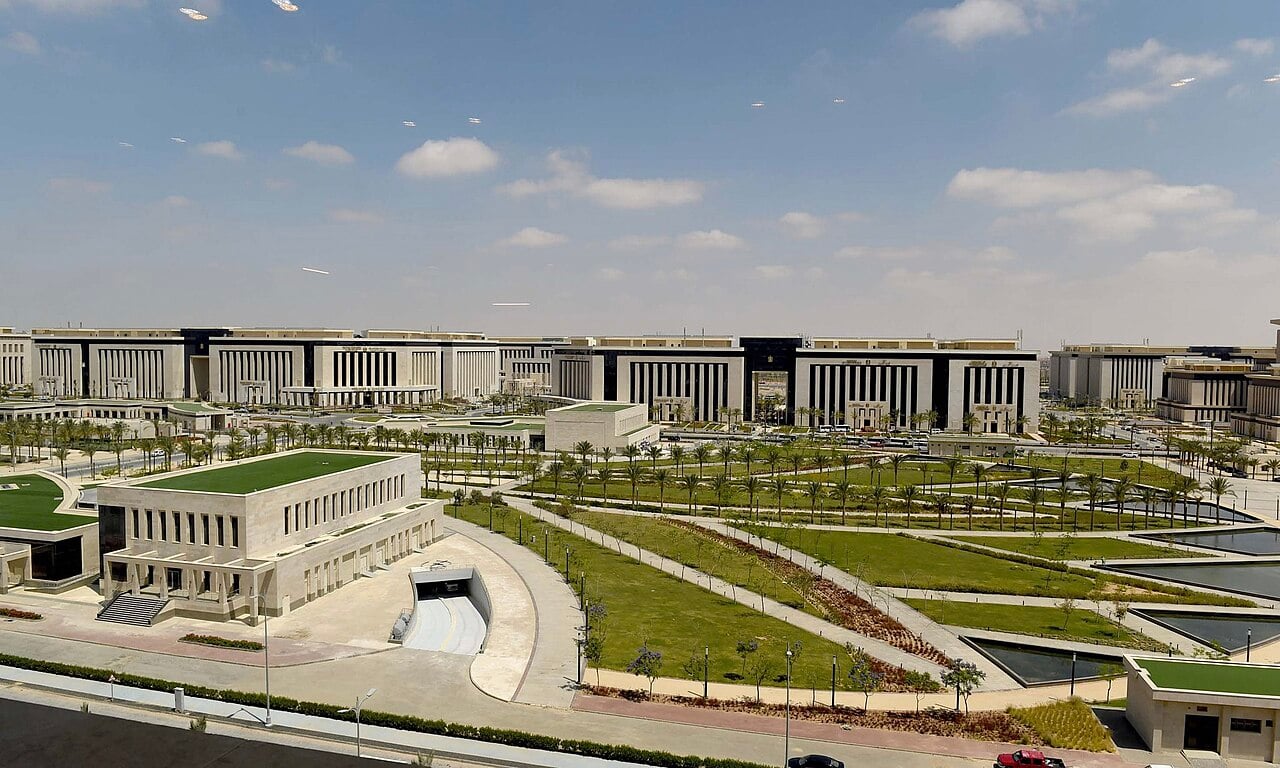
The Second Circuit of the Cairo Criminal Court, sitting in Badr, a city east of Cairo, ordered the listing in Supreme State Security case 11108 of 2026, a case file handled by the State Security prosecution. The order covers 35 entities on the terrorist entities list and 36 people on the terrorists list, for five years.
The decision was printed in issue 250 (supplement) of Al-Waqa’i al-Masriya, Egypt’s Official Gazette, dated Tuesday 10 November 2026. It follows listing request number 1 of 2026 for entities and decision number 1 of 2026 for individuals.
Who Is on the List
The entities named in Arabic and translated here, all Muslim associations, councils or institutes, include the Council of European Muslims in all its branches and the foundation Muslims of France. They also include the Islamic association in Britain, the League of Muslims of Switzerland, the Islamic Community in Germany, and the Islamic associations in Sweden and Italy.
Also listed are the European Council for Fatwa and Research, the European Council of Imams, the European Council for the Muslim Family, the European Council for the Holy Quran, the European Council for Muslim Women, the European Islamic Forum for Students and the European Institute of Human Sciences with its branches. We do not name the 36 individuals, whose spelling we could not check against the gazette text.
What the Listing Means
Under Article 7 of Law 8 of 2015, a listed entity is banned and its activities stop, its premises are closed, and its meetings, financing and fundraising are prohibited. Its funds and assets, and those of its members, are frozen, and joining it, promoting it or raising its symbols becomes an offence.
Listed individuals can be placed on travel-ban lists and on arrival-watch lists, which flag a person when they reach a border, and a foreigner can be refused entry to Egypt. Their passports can be withdrawn, cancelled or refused, and they lose the good-reputation status needed for public office, under Article 7.
They can also be barred from public posts and public-sector contracts, and their assets are frozen. Membership of professional syndicates and of boards of public-sector companies, sporting clubs and unions is suspended as well.
Background
Egypt has treated the Muslim Brotherhood as a terrorist organisation since the cabinet decision of December 2013. The reports of the new ruling do not state the grounds for listing the European bodies.
Our explainer on Egypt’s role in Africa sets out how Cairo uses security and legal tools abroad as well as at home. More stories are in our Egypt coverage and in our Africa section.
What Is Not Known
It is not known whether the listed organisations will respond or challenge the ruling. Nor is it known how European governments, banks and courts will treat an Egyptian listing.
The grounds given by the court have not been published in the reports of the decision. The identity of all 35 entities beyond those named above is also unclear.
What It Means for You
Most US readers are not directly affected, but anyone with ties to the listed organisations, or travelling to Egypt, should note the travel bans and asset freezes. Banks and charities that deal with Egyptian partners may review their links to the named bodies.
Frequently Asked Questions
What did the Cairo court decide?
On 10 November 2026 a Cairo criminal court listed 35 entities and 36 individuals as terrorists for five years. The Council of European Muslims and its branches are among the entities.
Does the listing apply in Europe?
It is an Egyptian court order and applies under Egyptian law. European states keep their own terrorism lists.
How long does the listing last?
Five years, according to the decision published on 10 November 2026. Whether it can be challenged or renewed has not been reported.
What happens to listed entities?
They are banned, their activities stop, their premises close and their assets are frozen, under Article 7 of Law 8 of 2015. Joining or promoting them also becomes an offence.
Sources: Cairo Criminal Court, Second Circuit, decision in Supreme State Security case 11108 of 2026, 10 November 2026; Official Gazette (Al-Waqa’i al-Masriya), issue 250 (supplement), 10 November 2026; Egyptian Law 8 of 2015 on terrorist entities, Article 7.
This article was produced by The Rio Times’ automated AI newsroom. Editorial responsibility: Matthias Camenzind, Publisher and Editor-in-Chief. The Rio Times also runs Ask Rio Times, which answers from 100,000+ of our own articles, the daily Latin America Power Map, and prediction-market odds on elections and markets.. How we use AI · Report an error
Living in or visiting Cairo? See this month's events and our Cairo city guide with rents, safety and upcoming concerts.