
EGYPT · POLITICS
Key Facts
- —The country About 118.4 million people in 2025, per the World Bank.
- —Head of state President Abdel Fattah el-Sisi, in office since 2014, term to 2030.
- —Head of government Prime Minister Mostafa Madbouly chaired the cabinet on 7 October 2026.
- —Parliament Speaker Hisham Badawy leads a House dominated by pro-government parties.
- —Security Lt Gen Ashraf Salem Zaher is defence and military production minister.
- —Still open No named successor; Sisi’s current term is set to be his last.
A president in his final term, technocratic ministers, a loyal parliament and a powerful military decide who runs Egypt.
Egypt politics in October 2026 revolves around one man, President Abdel Fattah el-Sisi, and the security institutions around him. Parliament, the cabinet and the courts work inside limits the presidency sets.
For US readers, Egypt matters as a long-standing security partner that runs the Suez Canal and borders Israel and Gaza. This guide sets out who holds power as of October 2026 and how the pieces fit together.
How Egypt Politics Works Under the Constitution
Egypt is a presidential republic governed by its 2014 constitution. The president is head of state, names the prime minister and sets the direction of foreign and security policy.
Day-to-day government belongs to the cabinet, led by the prime minister. Parliament has two chambers: the House of Representatives, which passes laws, and a smaller Senate.
Elections are run by the National Election Authority, an independent body the 2014 constitution created in Article 208. Its ten-member judicial board is chaired by its most senior member from the Court of Cassation, the top appeals court.
On paper, power is spread across these bodies. In practice, the presidency and the armed forces sit at the centre, and the other institutions rarely challenge them.
For the wider picture of the country, see the Rio Times explainer on Egypt and the Egypt news hub.
President Sisi and the Presidency
Abdel Fattah el-Sisi rose to power after the 2013 removal of President Mohammed Morsi of the Muslim Brotherhood. He was first elected president in 2014.
He won a third term in a December 2023 election with more than 89 percent of the vote, Al-Monitor reported. He was sworn in on Tuesday, 2 April 2024.
That six-year term runs to 2030 and is set to be his last under the current constitution. Changing that would require another constitutional amendment.
The president is also supreme commander of the armed forces, the title the cabinet uses for him. On 6 October 2026, Sisi began an Asian tour in South Korea, followed by Malaysia and Indonesia, the presidency says.
Foreign policy, including ties with the Gulf states and Gaza diplomacy, is steered by the presidency. The Egypt geopolitics explainer covers those relationships in detail.
The Prime Minister and the Key Ministers
Mostafa Madbouly is prime minister. He chaired the weekly cabinet meeting at the government headquarters in the New Administrative Capital on 7 October 2026.
His cabinet is made up of technocrats and senior officers rather than party leaders. It carries out the president’s programme.
The ministers who matter most, according to the official cabinet list as of October 2026:
- Defence and Military Production: Lt Gen Ashraf Salem Zaher, an air defence officer and former head of the Egyptian Military Academy.
- Interior: Maj Gen Mahmoud Tawfik, who rose through the National Security sector, the domestic intelligence arm.
- Foreign Affairs, International Cooperation and Egyptians Abroad: Badr Abdelatty, the country’s top diplomat.
- Finance: Ahmed Kouchouk, who runs the budget and talks with the IMF, the International Monetary Fund.
- Planning and Economic Development: Ahmed Rostom, who presents the economic programme to lenders and rating agencies.
- Transport: Lt Gen Kamel al-Wazir, an army engineer who headed the Armed Forces Engineering Authority from 2015.
- Water Resources and Irrigation: Hani Sewilam, a former negotiator on Ethiopia’s Nile dam.
- Justice: Counsellor Mahmoud Helmy El-Sherif; “counsellor” is the title of senior judges.
- Information (minister of state): Diaa Rashwan, who handles government media policy.
A deputy prime minister for economic affairs, Dr Hussein Issa, coordinates the economic ministries. The guide to who runs Egypt’s economy profiles them and the central bank.
Parliament, the Parties and the Speaker
The House of Representatives began its 2026 to 2031 term in January 2026. On 12 January 2026, it elected Hisham Badawy, a former head of the Central Auditing Organization, as speaker.
Badawy won 521 of 570 valid ballots, Egypt Today reported. His only challenger, Mahmoud Sami El-Imam of the Egyptian Social Democratic Party, received 49.
The split of committee chairs shows who controls the chamber. Of 25 committees, Nation’s Future took 12, Homeland Defenders 6 and the National Front 4, Al Manassa reported on 14 January 2026.
The main parties in brief:
- Nation’s Future (Mostaqbal Watan): the leading pro-government party, with the most committee chairs.
- Homeland Defenders (Homat al-Watan): a pro-government party, second by committee chairs.
- National Front: a newer pro-government party that holds four committee chairs.
- Republican People’s Party: a smaller party allied with the government; it holds one committee chair.
- New Wafd and Reform and Development: smaller parties that hold deputy committee posts rather than chairs.
The Senate has 300 members, 100 of them appointed by the president, as Ahram Online reported in October 2025. Counsellor Essam Farid, a member of the Supreme Judicial Council, was elected Senate president for the 2025 to 2030 term.

The Military and Security Services
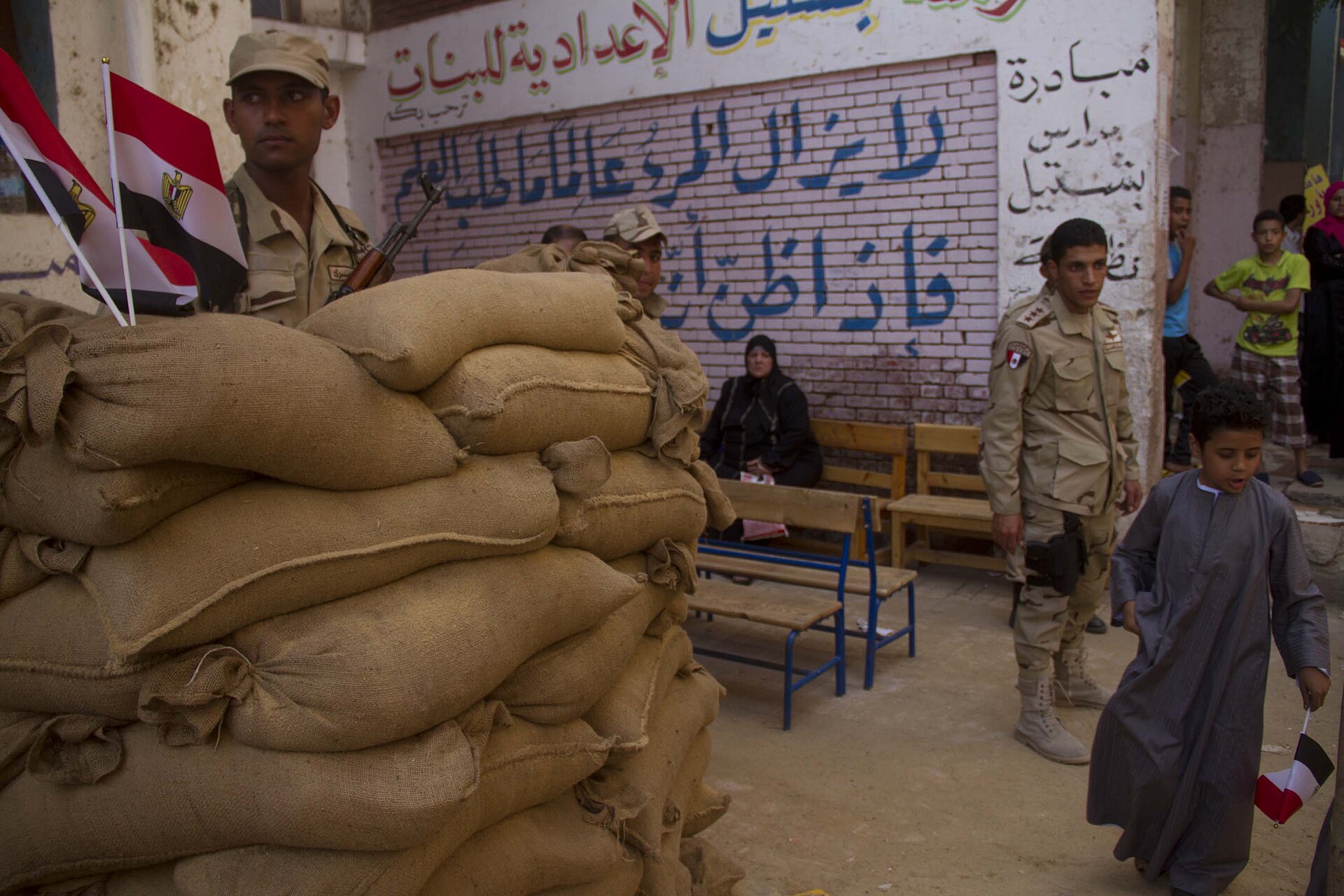
The armed forces are the most powerful institution outside the presidency. Generals also hold key civilian posts as of October 2026.
Two lieutenant generals sit in the cabinet: the defence minister and the transport minister. A minister of state for military production, Maj Gen Salah Soliman, also serves.
The army is an economic actor as well. The US State Department says state and military-owned companies compete directly with private firms, and notes resistance to selling state assets.
The interior ministry runs the police and the National Security sector. Its minister, Mahmoud Tawfik, rose through that service, whose work includes extremism cases.
Courts, Elections and Governors
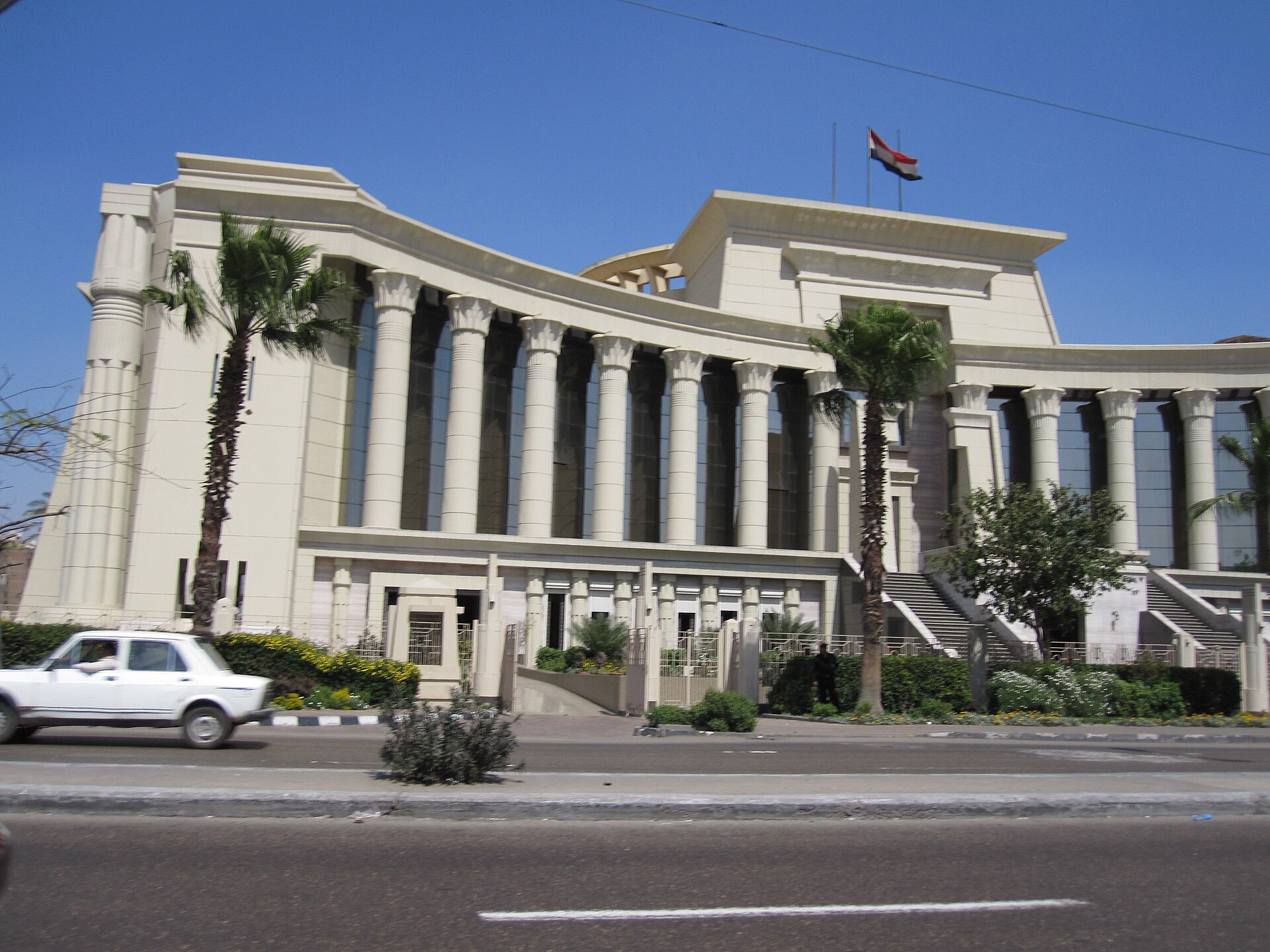
The Supreme Constitutional Court decides whether laws comply with the constitution. The Court of Cassation is the highest court for criminal and civil appeals.
Judges also play a direct role in politics. They staff the National Election Authority, and the Supreme Administrative Court hears appeals against its decisions on national elections.
The 2025 House election was a drawn-out process. The authority was still issuing final re-run results in early 2026, under its decisions No. 1 and No. 2 of 2026.
Governors run Egypt’s provinces, but they are appointed rather than elected. The president swears them in, as Ahram Online reported of a 2015 reshuffle.
They work with the local development and environment minister, Manal Awad, and meet in a cabinet governors’ council.
Opposition and the Rising Figures
Organised opposition is weak. The Muslim Brotherhood, Morsi’s movement, holds no seats and is absent from parliament.
Smaller and opposition-leaning parties won no committee chairs in January 2026. The Egyptian Social Democratic Party fielded the only rival to Badawy for speaker.
Rising figures to watch come mainly from within the system. Speaker Badawy, Prime Minister Madbouly and Defence Minister Zaher all owe their posts to the president.
Former foreign minister Sameh Shoukry now chairs a House committee as an independent, Al Manassa reported. Former housing minister Assem El-Gazzar was among the nominees for deputy speaker, Egypt Today reported.
No one has been publicly positioned as Sisi’s successor as of October 2026. The question will grow louder as 2030 approaches.
What It Means for US Readers
Egypt is a major recipient of US aid. Since 1978, the United States has provided over US$50 billion in military and US$30 billion in economic assistance, the State Department says.
That aid ties Washington to a country that controls the Suez Canal, borders Gaza and hosts the Arab League. Decisions in Cairo affect shipping costs, Gaza diplomacy and the security of Israel.
For investors, the concentration of power means policy shifts come from the presidency, not parliament. The military’s business role matters for anyone weighing a partner or a tender.
For travellers, politics rarely touches daily life in tourist areas. Visitors should still keep away from political gatherings and demonstrations.
What Is Not Known
Total House seats by party were not confirmed at a primary source; the parliament and Senate websites could not be reached. Committee chairs are used here as a measure of strength.
It is not known who would succeed Sisi, or whether the constitution will be amended again before 2030. The names of the current army chief of staff and intelligence chief were not confirmed for this guide.
The cabinet list gives no date for the most recent reshuffle. Changes after 9 October 2026 are not reflected here.
Frequently Asked Questions
Who is the president of Egypt in 2026?
Abdel Fattah el-Sisi is president as of October 2026. He was sworn in for a third six-year term on 2 April 2024, which runs to 2030.
Who is the prime minister of Egypt?
Mostafa Madbouly is prime minister as of October 2026. He chaired the cabinet meeting on 7 October 2026, according to the cabinet office.
Which party controls Egypt’s parliament?
Pro-government parties dominate the House of Representatives. Nation’s Future leads them, taking 12 of the 25 committee chairs in January 2026.
Who is the speaker of Egypt’s parliament?
Hisham Badawy, a former head of the Central Auditing Organization, was elected speaker on 12 January 2026. The Senate is led by Counsellor Essam Farid.
How powerful is the military in Egypt?
The armed forces are the strongest institution after the presidency. Generals hold the defence and transport ministries, and military-owned firms are active across the economy.
When is Egypt’s next presidential election?
Sisi’s current term ends in 2030, so the next presidential vote is due before then. No date has been set as of October 2026.
Sources: Presidency of Egypt; Egyptian Cabinet, composition; Egyptian Cabinet, news; National Election Authority; US State Department; World Bank population data; Egypt Today; Al Manassa; Ahram Online (Senate); Ahram Online (governors); Enterprise; Al-Monitor (all accessed 9 October 2026).
This article was produced by The Rio Times’ automated newsroom system. How we use AI · Report an error · Editorial responsibility: Matthias Camenzind, Editor-in-Chief
Part of our ongoing coverage
Africa: The New Scramble — the great-power contest over the continent.