At Least 26 Killed in South Sudan Tribal Clashes in Abyei
South Sudan · POLITICS
Key Facts
- —What happened At least 26 people were killed and 82 injured in clashes at the Amiet Common Market in Abyei on Sept. 17, 2026, the United Nations reported.
- —Who is involved The violence involved Ngok Dinka and Misseriya communities after two men were killed earlier that week.
- —Why it matters Abyei is a disputed border area between South Sudan and Sudan, and Amiet is an economic hub tied to trade, grazing access and oil-related power struggles.
- —The response The United Nations Interim Security Force for Abyei said it reinforced security and engaged community leaders after the killings.
- —What comes next The unresolved status of Abyei since South Sudan’s 2011 independence keeps the area a communal flashpoint and a strategic corridor between the two countries.
At least 26 people were killed in South Sudan tribal clashes at the Amiet Common Market in Abyei, a disputed border area, the United Nations reported on Sept. 17, 2026.
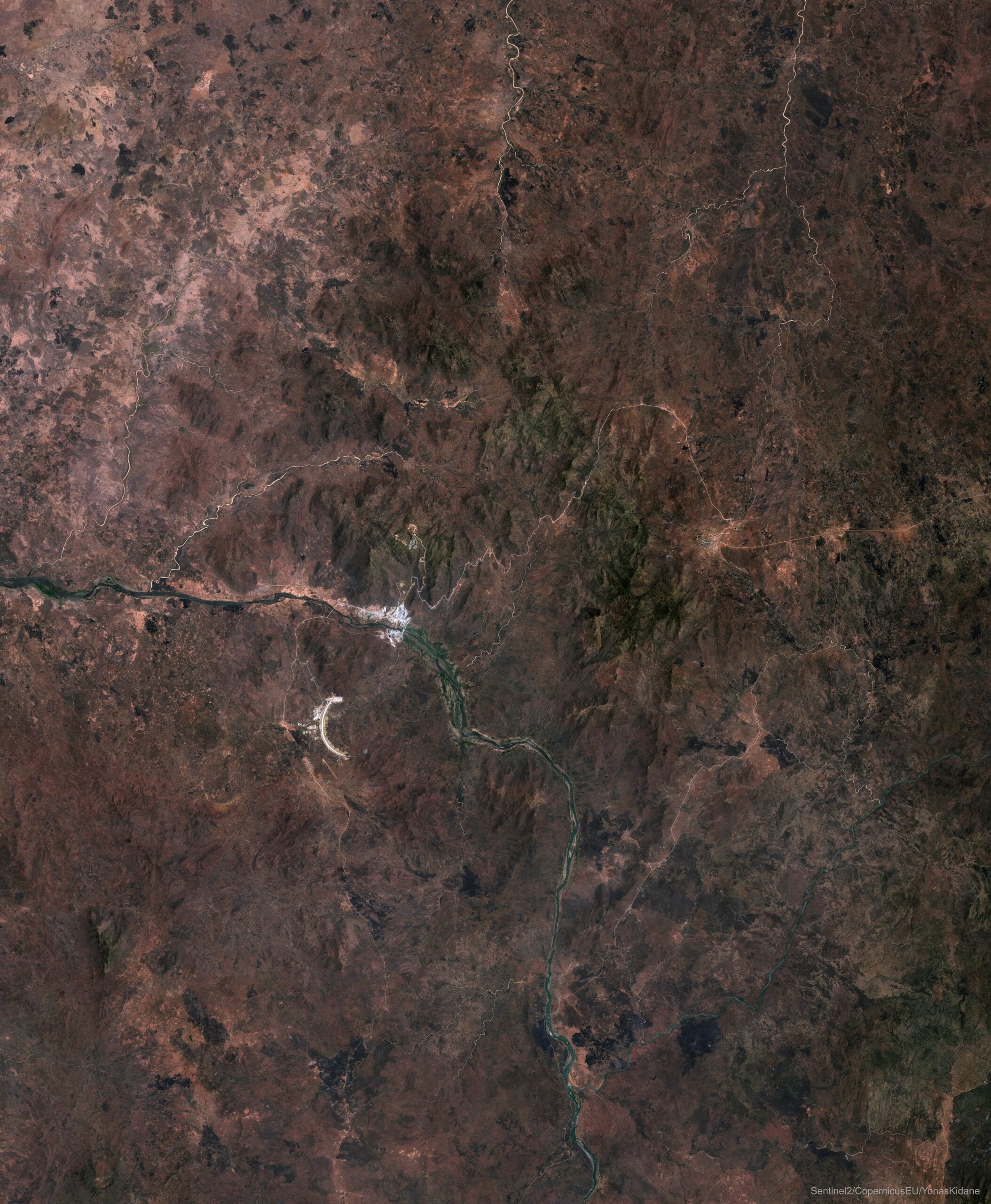
At least 26 people were killed and 82 injured in clashes at the Amiet Common Market in Abyei, the United Nations reported on Sept. 17, 2026. Abyei is a disputed border area between South Sudan and Sudan. The violence involved Ngok Dinka and Misseriya communities and followed the separate killings of two men earlier that week.
What triggered the South Sudan tribal clashes
The United Nations Interim Security Force for Abyei, known as UNISFA, said the killings of two men earlier that week escalated tensions around the key local market. The subsequent violence at Amiet left at least 26 people dead and 82 injured.
Amiet is described as an economic hub in a region tied to trade, grazing access and oil-related power struggles. The market sits inside Abyei, whose status has remained unresolved since South Sudan gained independence in 2011.
The dispute is not simply a local quarrel. It sits inside a strategic corridor between Sudan and South Sudan, where border ambiguity and resource competition have long shaped daily life.
Abyei’s unresolved status fuels the conflict
Abyei has been a flashpoint since South Sudan’s independence in 2011, because both Sudan and South Sudan claim the area. That legal vacuum leaves communities without a clear security framework and makes every local dispute harder to contain.
The Ngok Dinka and Misseriya communities have competing claims over grazing land and market access in the area. When two men were killed earlier in the week, those underlying tensions turned violent at the Amiet Common Market.
Sudan’s wider war has weakened security governance along the frontier, according to the reporting. That vacuum makes it easier for local disputes to escalate into mass-casualty events.
The money and power stakes behind the violence
Amiet is not a remote village market. It is an economic hub where trade, livestock and cross-border commerce converge, making control over the market a source of income and influence for both communities.
The area is also tied to oil-related power struggles, because Abyei sits near infrastructure and corridors that matter to both Sudan and South Sudan. Control over movement and access can translate into leverage over resources and revenue.
For investors and regional analysts, the violence is a reminder that unresolved border questions in Eastern Africa carry real commercial risk. A market that should anchor local trade has instead become a site of mass casualties.
UNISFA’s response and the security vacuum
UNISFA said it reinforced security and engaged community leaders after the killings. The force is the main international presence in Abyei, but its capacity is limited by the wider instability in Sudan.
The United Nations reported the casualty figures on Sept. 17, 2026, one day after the clashes. The speed of the escalation shows how quickly local grievances can turn deadly when state authority is absent.
Sudan’s ongoing war has pulled security attention away from the border region. That leaves UNISFA and community leaders to manage tensions that would normally require a functioning state presence.
The regional read-through for Eastern Africa
The Abyei violence fits a wider pattern of frontier instability across Eastern Africa, where colonial-era borders and post-independence disputes still shape conflict. South Sudan and Sudan have never fully resolved the status of Abyei, and the consequences are measured in lives lost.
For the broader region, the clashes are a warning about how Sudan’s internal war can spill over into neighbouring territories. The border area between the two countries is porous, and insecurity in one state quickly affects the other.
The strategic corridor through Abyei matters for trade and energy routes. As the Africa: The New Scramble pillar tracks, such corridors are increasingly contested by local actors and external powers alike.
What to watch next in Abyei
The immediate question is whether UNISFA’s reinforced security presence can prevent further violence at the Amiet Common Market. Community leaders have been engaged, but the underlying disputes over grazing access and market control remain unresolved.
Any renewed fighting would likely follow the same pattern: a local killing, a rapid escalation, and mass casualties at a site of economic importance. The two men killed earlier that week were the trigger for the latest round.
Longer term, the status of Abyei will remain a source of instability until Sudan and South Sudan reach a durable agreement. Until then, the market that should connect communities will continue to divide them.
Frequently Asked Questions
How many people were killed in the South Sudan tribal clashes?
At least 26 people were killed and 82 injured at the Amiet Common Market in Abyei, the United Nations reported on Sept. 17, 2026.
Which communities were involved in the Abyei violence?
The clashes involved Ngok Dinka and Misseriya communities after two men were killed earlier that week.
Why is Abyei disputed between South Sudan and Sudan?
Abyei’s status has remained unresolved since South Sudan’s independence in 2011, making it a communal flashpoint and a strategic corridor between the two countries.
Connected Coverage
Sources
This article was produced by The Rio Times’ automated newsroom system. How we use AI · Report an error
Read More from The Rio Times