
SUDAN’S WAR · HOW TO HELP
Sudan’s humanitarian crisis has left 33.7 million people in need of aid, and famine risk is rising again in Darfur and Kordofan; here is what the numbers show and how to help safely.
Sudan’s humanitarian crisis is the result of a war between the army and the paramilitary Rapid Support Forces (RSF) that began in April 2023, and hunger is its widest-reaching consequence. Famine was confirmed in two cities in November 2025, and on 12 October 2026 the UN-backed hunger monitor warned that the risk is growing again.
For readers in the United States and elsewhere who want to help Sudan, the choice is between UN agencies, international charities and local volunteer groups. This guide explains what each does, why aid struggles to arrive and how to check a charity before you give.
In Plain English
- RSF The Rapid Support Forces, the paramilitary group fighting Sudan's army since April 2023.
- IPC The UN-backed scale that grades hunger in five phases; the worst means famine or catastrophe.
- Severe acute malnutrition The most dangerous form of child undernutrition, which can kill without treatment.
- Emergency Response Rooms Neighbourhood volunteer groups that run kitchens and evacuations inside Sudan.
Key Facts
- —Need 33.7 million people in Sudan need humanitarian aid in 2026.
- —Hunger 19.5 million faced crisis-level hunger or worse through May 2026.
- —Famine Confirmed in El Fasher and Kadugli in November 2025; risk rising again since October.
- —Money The UN asked for US$2.9 billion for 2026; less than half has arrived.
- —Who helps UN agencies, international charities and local volunteer Emergency Response Rooms.
- —Prediction markets Polymarket: 8% chance of a ceasefire by 31 December 2026 (21 October, 10:19 a.m. ET)
How Bad the Hunger Is
The Integrated Food Security Phase Classification (IPC), the UN-backed system that grades hunger, found in May 2026 that nearly 19.5 million people faced crisis-level hunger or worse. About 135,000 of them were in Catastrophe, the most severe phase, and 14 areas of North Darfur, South Darfur and South Kordofan were at risk of famine.
Famine itself was confirmed in November 2025 in El Fasher, the capital of North Darfur, and in Kadugli, the capital of South Kordofan, after long sieges. The May 2026 analysis did not classify any area as in famine at that moment, partly because data from the worst-hit places is thin.
On 12 October 2026 the IPC warned of a growing risk of famine across Darfur and Kordofan, driven by fighting, displacement and a drought that covers more than half of the country. Surveys in two camps in Eastern Jebel Marra found acute malnutrition among children of 38% and 30.8%, above the famine threshold.
Children carry the heaviest load. The IPC’s May analysis expected 825,000 children under five to suffer severe acute malnutrition in 2026, and its October alert says only about a quarter of those who needed treatment for complications received it in August.
Why Aid Struggles to Arrive
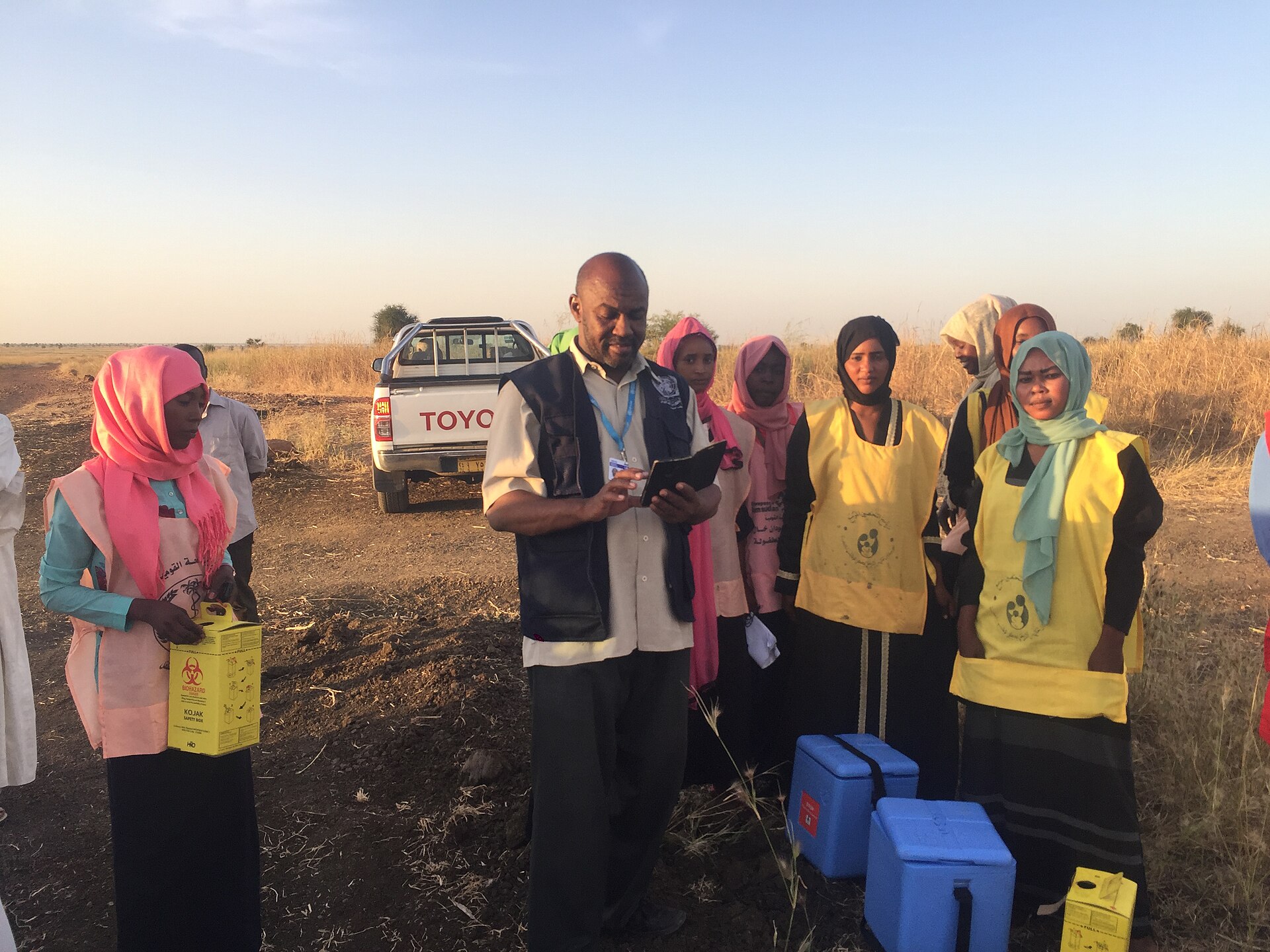
The first problem is money. The UN’s 2026 Humanitarian Needs and Response Plan asks for US$2.9 billion to reach 20.4 million people, and only 40.8% of it had been funded by 13 August, with less than half funded by 8 October.
The second problem is violence. The UN said in August 2025 that more than 120 aid workers had been killed since April 2023, nearly all of them Sudanese, and more than 170 air strikes, lootings or clashes have hit markets in Greater Kordofan this year, the IPC alert says.
Health care is under attack too. The World Health Organization (WHO) has recorded 228 attacks on health care since April 2023 that killed 2,055 people, and 37% of the country’s health facilities had stopped working by 2026.
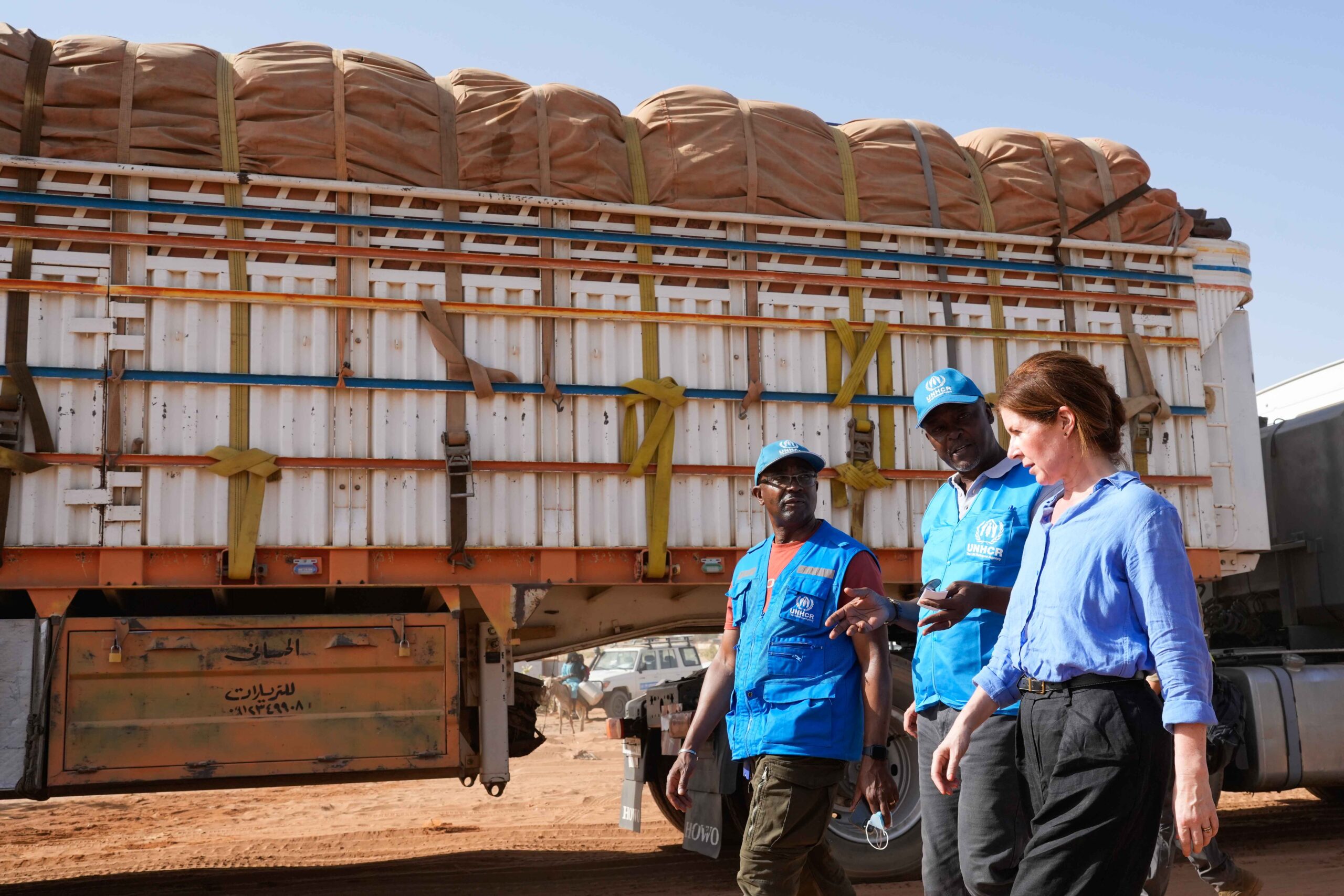
Even so, aid does reach millions of people. Humanitarian groups had reached 10.6 million people by June 2026, the UN’s coordination office says, and the World Food Programme (WFP) says it reaches about 4 million people a month and has delivered in all 18 states since the war began.
Who Is Working in Sudan
UN agencies The World Food Programme (food), UNICEF (children, nutrition, water) and the UN refugee agency UNHCR (displaced people and refugees) all run Sudan appeals.
International charities Doctors Without Borders (MSF) runs medical projects, and the International Rescue Committee (IRC) and others run Sudan emergency appeals.
Local volunteers Emergency Response Rooms, neighbourhood networks formed after the war began, run community kitchens and evacuations; they won the 2026 Balzan Prize for humanity, peace and fraternity among peoples.
How to Help Sudan Safely
Money is the most useful gift, because shipping goods into a war zone is slow and costly while cash lets groups buy food and medicine near where it is needed. Give to an organisation that names Sudan in its appeal and reports how much it spends there.
Check that a charity is registered before you give. In the United States the Internal Revenue Service’s Tax Exempt Organization Search shows whether a group can receive tax-deductible gifts, and in Britain the Charity Commission keeps a public register.
Local volunteer groups such as the Emergency Response Rooms often reach places international agencies cannot, but they usually collect money through partner organisations abroad. Give through a partner whose name and registration you can check, and be wary of personal fundraising pages that cannot show where the money goes.
Beyond money, the most effective help is attention. Writing to elected officials and sharing reliable reporting keeps Sudan on the agenda while the UN’s 2026 appeal remains less than half funded.
What Prediction Markets Say
A ceasefire would do more for aid than any donation, because it would open roads into Darfur and Kordofan. Traders on Polymarket, an online prediction-market exchange, gave an official ceasefire between the army and the RSF by 31 December 2026 a chance of about 8% on 21 October.
That price is a bet, not a forecast by experts, and it moves with the news. The live card below updates every 20 minutes.
Prediction markets · Sudan’s war
The implied chance of a ceasefire, from traders’ prices on Polymarket.
Official ceasefire in Sudan's war by...
Polymarket: US$120,000 traded on this question, US$15,000 of it on the nearest deadline. It counts only a publicly announced, mutually agreed halt to the fighting between the army and the RSF; humanitarian pauses do not count.
Earlier deadlines of 31 December 2025, 31 March 2026 and 30 June 2026 passed without a ceasefire.
As of 21 October, 10:19 a.m. ET (15:19 Lisbon), updated every 20 minutes. Prices are bets, not polls, and can move fast.
Why we show this: prediction markets turn real-money bets into a live probability that moves within minutes of the news, which is why investors, campaigns and newsrooms in the United States now follow them closely. We show them next to polls and official results, never instead of them.
What Is Not Known
Nobody knows how many people have died of hunger and disease, because surveys cannot reach many of the worst-hit areas. The IPC itself says its projections for late 2026 cover only part of the country.
It is also unclear how much more money donors will give before the end of 2026. Our explainer on what is happening in Sudan covers the war itself, and our guide to where Sudan’s refugees have gone follows those who fled.
Frequently Asked Questions
Is there a famine in Sudan?
Famine was confirmed in El Fasher and Kadugli in November 2025. In October 2026 the UN-backed IPC warned that the risk of famine is growing again across Darfur and Kordofan.
How many people in Sudan need help?
The UN’s 2026 plan counts 33.7 million people in need of humanitarian aid. It aims to reach 20.4 million of them and asks donors for US$2.9 billion.
How can I help Sudan from the United States?
Give money to a registered UN agency or charity with a Sudan appeal, or to a checked partner of local Emergency Response Rooms. Use the IRS Tax Exempt Organization Search to confirm a group’s status.
What are Sudan’s Emergency Response Rooms?
They are neighbourhood volunteer networks formed after the war began in 2023 that run kitchens, evacuations and basic services. They won the 2026 Balzan Prize for humanity, peace and fraternity among peoples.
Why is aid not reaching everyone in Sudan?
Fighting, attacks on aid convoys and markets, and a funding gap all slow it down. Less than half of the UN’s 2026 appeal had been funded by 8 October.
Sources: IPC special snapshot (14 May 2026); FAO, famine confirmed (November 2025); UN News via allAfrica, IPC alert (12 October 2026); WHO via allAfrica (12 October 2026); OCHA, Sudan key facts (13 August 2026); UN in Sudan, aid workers killed (19 August 2025); WFP, Sudan; UNICEF, Sudan emergency; UNHCR, Sudan emergency; Doctors Without Borders, Sudan; International Rescue Committee, Sudan; Balzan Foundation, 2026 prizewinners (7 September 2026); IRS Tax Exempt Organization Search; Polymarket public market data (21 October 2026). As of 21 October 2026.
More: Sudan’s War: the dossier, with every story, the live odds and the latest developments.
Editorial responsibility: Matthias Camenzind, Editor-in-Chief · Editorial standards · Report an error
Part of our ongoing coverage
Africa: The New Scramble — the great-power contest over the continent.
Horn of Africa and the Red Sea
- Horn of Africa 2026: Why It Matters and Who Backs Whom
- Ethiopia’s Neighbors Explained, Ports, Eritrea, Somalia
- Eritrea Explained 2026, a Red Sea Country Guide
- Somalia Explained: Al-Shabaab, Somaliland, the Ports and the Fight Over a 2026 Vote