SUDAN · ENERGY
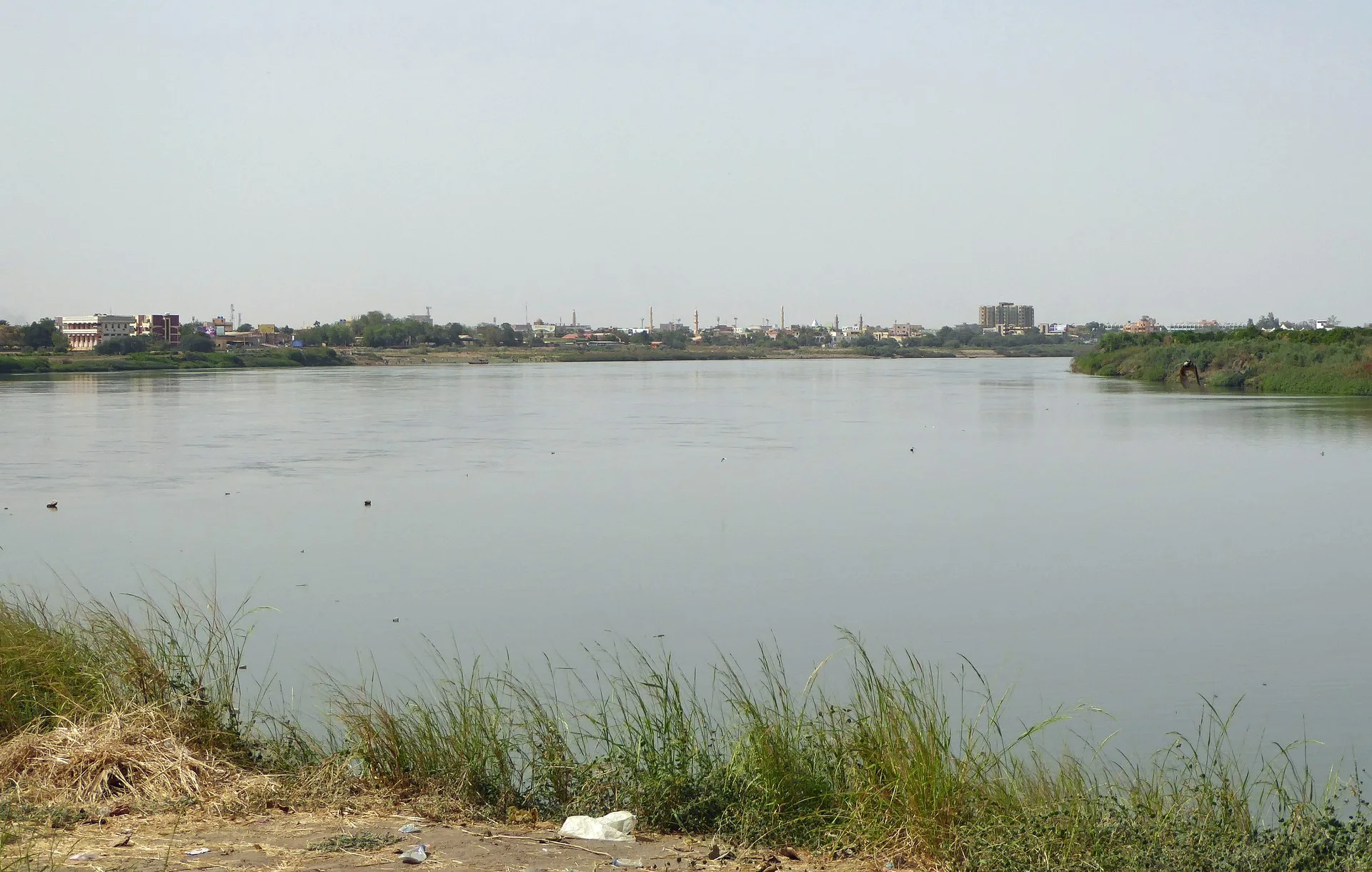
Residents of Rabak, the capital of Sudan’s White Nile State, say the city has had no electricity for 14 consecutive days, a Sudanese radio report said on 10 November 2026. Drone strikes hit power sites in the state in late October, and Sudan’s government and a rights group have blamed the Rapid Support Forces (RSF), a paramilitary group fighting Sudan’s army, for attacks on power stations in late October.
Ice, flour milling and phone charging have all become dearer, residents said. Those prices and the 14-day figure are reported, not confirmed, because we found only one report of them.
Key Facts
- Where Rabak, a city on the White Nile south of Khartoum, Sudan’s capital.
- What Residents say the city has had no power for 14 consecutive days.
- Cause Residents tie the outage to a late-October drone strike on the Mashkour substation, which supplies the city.
- Prices Residents report 60,000 Sudanese pounds (about US$7 to US$14) for an ice block; unconfirmed.
- Prediction markets Polymarket, a betting market, prices a Sudan ceasefire by 31 December 2026 at 10.5% (10 November, 4:57 p.m. Eastern Time).
Residents of Rabak say drone strikes on Sudan’s power grid have left the city dark for two weeks, raising what they pay for ice, milling and phone charging.
What Residents Report
A resident of Rabak, who asked not to be named, told the radio service that the outage has brought much of daily life to a standstill. Mills have switched to fuel-powered generators, the resident said, so people wait one or two days in queues to have grain milled.
Residents quoted in that report put a block of ice at SDG 60,000 (SDG is the code for the Sudanese pound; about US$7 to US$14), a mobile phone charge at SDG 5,000 (about US$0.60 to US$1.20) and milling 3.5 kilogrammes of grain at SDG 10,000 (about US$1.20 to US$2.40). Water reaches homes again because pumps run on generators, they said, at SDG 3,000 per container (about US$0.36 to US$0.71).
We converted at SDG 8,400 per US dollar, the parallel-market (unofficial street) rate, and SDG 4,200, a rate at Bank of Khartoum, a commercial bank, both reported on 17 September 2026. Those rates are two months old and the pound was falling quickly then, so the dollar values are rough.
The prices come from residents quoted in a single report, so they are reported, not confirmed. A mother quoted in the report said children cannot study after dark, and families press school uniforms with charcoal irons.

How the Strikes Began
The Sudan Electricity Holding Company, the state-owned power utility, said on Monday 26 October 2026 that drones hit five electricity substations, the sites that step power down for local grids, including Mashkour in White Nile State. The others were Al-Junayd in Al-Jazirah State, Singa in Sennar State, and Al-Faw and Al-Hawata in Al-Qadarif State.
Overnight on 28 and 29 October, drones hit the Um Dabakir thermal power station in White Nile State, the country’s largest thermal plant at 500 megawatts, according to an anonymous employee of the power company. The station’s director said in a statement that four transformers were knocked out and three generating units damaged, and the regional power-network director said White Nile and North Kordofan states were cut off from the grid and that the damage would be felt for months.
Emergency Lawyers, a Sudanese rights group that tracks such attacks, counted 15 substations hit since early October, it said in a report of 1 November 2026. The Sudan Doctors Network, a medical group, warned that outages endanger hospitals, dialysis centres and blood banks.
Why It Matters Beyond Rabak
Generators now power Rabak’s mills and water pumps, residents say, and generators need diesel. In Al-Dabbah, a town in Northern State hit by a strike on 1 November, a baker said there was no diesel in the city to run his generator.
Our report on the Sudan fuel shortage and hunger risk explains why diesel decides whether aid and food move. Our Sudan page and our report on a drone strike in Blue Nile show the wider war.
What Prediction Markets Say
Polymarket, a betting market, prices a Sudan ceasefire by 31 December 2026 at 10.5% (10 November 2026, 4:57 p.m. ET (Eastern Time)), with buyers offering 5% and sellers asking 16% and about US$15,100 traded on that outcome. That is a bet on a Sudan-wide ceasefire, not on the Rabak blackout.
Why we show this: prediction markets turn real-money bets into a live probability that moves within minutes of the news, which is why investors, campaigns and newsrooms in the United States now follow them closely. We show them next to polls and official results, never instead of them.
What Is Not Known
No date for restoring power in Rabak has been announced, and it is not confirmed whether the Mashkour strike, the Um Dabakir strike or both caused the outage. We could not confirm the reported prices or the 14-day figure independently.
The strikes in White Nile State are among at least 15 on Sudan’s grid since early October, according to Emergency Lawyers. The regional network director said the damage would be felt for months, and we found no repair timetable by 10 November.
Frequently Asked Questions
Why is Rabak without power?
Residents tie the outage to a drone strike on the Mashkour substation, which they say supplies the city. The Um Dabakir power station in White Nile State was also hit days later, and Sudan’s government and a rights group have blamed the RSF for attacks on power stations in late October.
Who are the Rapid Support Forces?
The Rapid Support Forces (RSF) is a paramilitary group that has fought Sudan’s army since April 2023. Sudan’s government and a rights group have blamed it for the strikes on power stations.
How much more do things cost in Rabak?
Residents report SDG 60,000 (about US$7 to US$14) for a block of ice and SDG 5,000 (about US$0.60 to US$1.20) to charge a phone. These prices are reported, not confirmed.
Sources: Statement of the Sudan Electricity Holding Company, 26 October 2026; statements of the Um Dabakir station director and the regional network director, reported 1 November 2026; Emergency Lawyers and Sudan Doctors Network statements, reported 1 November 2026; residents of Rabak quoted in a radio report, 10 November 2026; exchange rates reported on 17 September 2026; Polymarket market data, 10 November 2026.
This article was produced by The Rio Times’ automated AI newsroom. Editorial responsibility: Matthias Camenzind, Publisher and Editor-in-Chief. The Rio Times also runs Ask Rio Times, which answers from 100,000+ of our own articles, the daily Latin America Power Map, and prediction-market odds on elections and markets.. How we use AI · Report an error
Horn of Africa and the Red Sea
- Horn of Africa 2026: Why It Matters and Who Backs Whom
- Ethiopia’s Neighbors Explained, Ports, Eritrea, Somalia
- Eritrea Explained 2026, a Red Sea Country Guide
- Somalia Explained: Al-Shabaab, Somaliland, the Ports and the Fight Over a 2026 Vote