
Key Facts
- Power Index. Ecuador ranks 8th of 14 in The Rio Times Latin America Power Index, with 37.2 points (November 2026 edition).
- What. Ecuador’s fourth curfew of 2026 ended at 05:00 on Tuesday 10 November after ten nights.
- Arrests. Police and troops reported 2,503 people apprehended between 1 and 9 November.
- Where. Guayas, Manabí, Los Ríos, El Oro and Esmeraldas, all on the Pacific coast, from midnight to 05:00.
- Not known. The count for the last night, and how many arrests will lead to charges.
- As of 10 November 2026, 06:30 GMT.
Ecuador lifted its nightly curfew on the Pacific coast at 05:00 on Tuesday 10 November 2026, after ten nights in which police and soldiers apprehended 2,503 people through 9 November. It was the fourth curfew that the government of President Daniel Noboa has used this year to go after organised-crime gangs.
For US readers, the result matters because Washington has designated Ecuadorian gangs as terrorist organisations and gang violence shapes travel advice. The end of the curfew also comes less than three weeks before Ecuador votes in local elections on 29 November.
What the Curfew Delivered
Ecuador’s Interior and Defence ministries published the totals up to 9 November. The police counted 1,963 apprehensions, 813 of them for breaking the curfew and 1,150 for other offences such as carrying weapons, robbery and intimidation.
The armed forces reported another 540 apprehensions during 1,716 military operations. Together the two forces seized 242 firearms, and 1.07 tonnes of drugs were taken.
The police also carried out 32 raids and held or recovered 668 vehicles and 1,335 motorcycles. The balance also counts 980 police operations and 758 checkpoints, but it runs only to 9 November, so the final night is not included.
A Gang Raid in the Middle of the Curfew
On 5 November police detained 14 people in a raid on a faction of Los Lobos, an Ecuadorian criminal group that Washington has designated a foreign terrorist organisation. Interior Minister John Reimberg said the faction was directly responsible for sixty homicides and massacres.
The operation involved 25 simultaneous raids in six provinces. The minister said the faction had operated for more than two years, mainly in Quevedo and Buena Fe in Los Ríos province.
Why the Government Uses Curfews
Defence Minister Giancarlo Loffredo has said the curfews aim to weaken gang leadership and finances. The curfew was set by Executive Decree 519, a presidential order that amended Decree 498, the state of emergency issued on 15 September.
President Noboa declared an internal armed conflict in January 2024, which lets the military take part in domestic security work. Our earlier reports on the same measure are in the curfew start story and the September curfew.
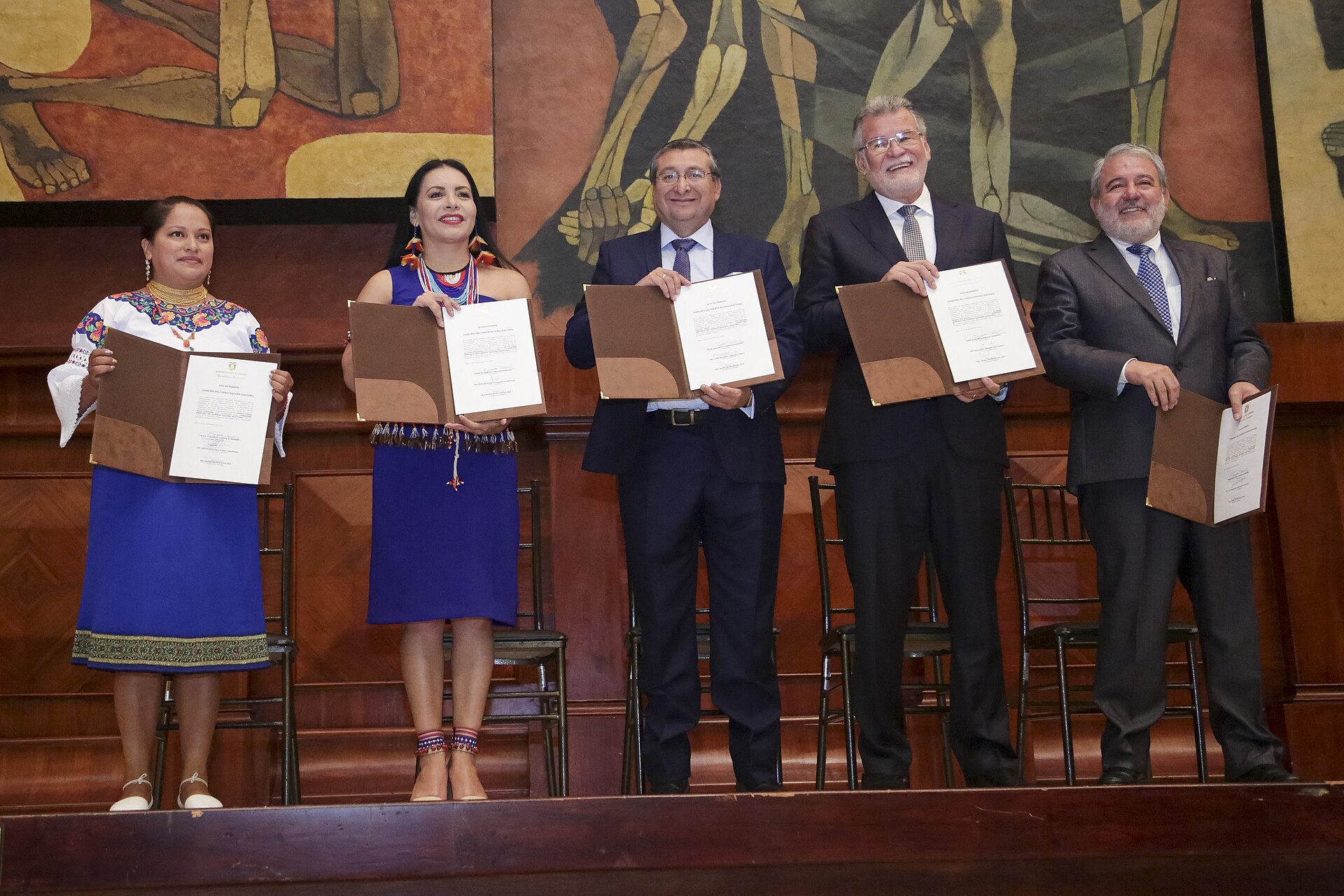
What It Means for You
The midnight-to-5 a.m. movement ban on the coast is over, but it was issued as part of a state of emergency. US travellers should check current government travel advice before visiting Guayaquil or other coastal cities.
Ecuador votes in local elections on 29 November, run by the National Electoral Council, the country’s election authority. Our guides explain the election dates and the voting weekend rules for expats.
What Is Not Known
The final count for the last night has not been published, and officials have not said how many of the 2,503 people will face charges. It is also unclear whether another curfew will follow.
Frequently Asked Questions
When did Ecuador’s curfew end?
It ended at 05:00 on Tuesday 10 November 2026. It ran each night from midnight to 05:00 from Sunday 1 November.
Which provinces were covered?
The curfew covered Guayas, Manabí, Los Ríos, El Oro and Esmeraldas. These are the coastal provinces where the government concentrates operations against organised crime.
How many people were apprehended?
Police and armed forces reported 2,503 apprehensions between 1 and 9 November. The figure for the final night had not been published.
This article was produced by The Rio Times’ automated AI newsroom. Editorial responsibility: Matthias Camenzind, Publisher and Editor-in-Chief. The Rio Times also runs Ask Rio Times, which answers from 100,000+ of our own articles, the daily Latin America Power Map, and prediction-market odds on elections and markets.. How we use AI · Report an error