Puerto Rico Politics Explained, Who Holds Power in 2026

PUERTO RICO · POLITICS
Key Facts
- —What is happening Puerto Rico, a US territory of 3.18 million people, is governed by Jenniffer González Colón of the pro-statehood PNP since January 2025, while she feuds openly with her own Senate president.
- —Why it matters Congress, not San Juan, holds the final say on the island’s status, Medicaid money and debt oversight, so local power is real but limited.
- —The numbers In the 5 November 2024 election the governor won 41.26% of the vote, Juan Dalmau of the independence party took 30.77%, and 19 of 28 senators belong to the PNP.
- —Who is who Thomas Rivera Schatz presides over the Senate, Carlos Méndez over the House, Pablo José Hernández is Resident Commissioner and PPD president, Joseph González leads the police, and Maite Oronoz Rodríguez is chief justice.
- —What to watch The PNP’s 2028 governor race, the court fight over the federal debt board, the governor’s 16 October statehood resolution, H.R. 9246 and its proposed 14 March 2027 vote, and the Medicaid cliff.
- —What it means for you Puerto Ricans are US citizens who cannot vote for president, so Washington’s budget, health and debt decisions reach 3.18 million people without their direct vote.
Puerto Rico votes for its own governor and legislature, yet Congress decides its status. Here is who holds power in October 2026.
Puerto Rico politics in October 2026 centres on one governor, a feud inside her party and a Congress with the final say. Jenniffer González Colón of the pro-statehood New Progressive Party (PNP) has governed the island since January 2025.
This guide explains who holds power in San Juan, in the courts, in the opposition and in Washington. More coverage sits on the Rio Times Puerto Rico page.
How Puerto Rico Politics Works
Puerto Rico is a US territory with an elected governor, a two chamber legislature and its own courts. Congress keeps the last word on its status, its budget rules and its debt.
In Sanchez Valle on 9 June 2016 the Supreme Court called the federal government the ultimate source of Puerto Rico’s prosecutorial power. In Vaello Madero on 21 April 2022 it ruled 8-1 that Congress need not extend SSI to Puerto Rico.
Island parties divide over status, not left and right: the PNP backs statehood and the Popular Democratic Party (PPD) defends the commonwealth. The Puerto Rican Independence Party (PIP) wants a sovereign country.
Voters elect the governor, the Resident Commissioner and the legislature every four years, and the next vote falls in November 2028. Puerto Ricans are US citizens but cannot vote for president in the November election.

The Governor and the Executive Branch
González Colón won the 5 November 2024 election with 526,020 votes, or 41.26%, on a turnout of 64.66%. She previously served as Puerto Rico’s Resident Commissioner in Washington.
She also presides over the PNP, and on 24 June 2026 she ruled out resigning that post, El Nuevo Día reported. As governor she is commander in chief of the Puerto Rico National Guard.
Rosachely Rivera Santana is Secretary of State, according to the Department of State website in October 2026. The department runs passports, the corporate registry and the island’s contacts with other governments.
Lourdes L. Gómez Torres has been Secretary of Justice since 10 June 2025, according to the department’s list of secretaries. She heads the island’s Justice Department, which runs prosecutions and gives the government legal advice.
On Tuesday, 21 July 2026 the governor said chief of staff Francisco Domenech was leaving with deputy Itza García. El Nuevo Día said OPFEI, the special independent prosecutor’s panel, is investigating both; an investigation is not a finding.
El Nuevo Día reported that the governor named Norma Burgos Andújar chief of staff on Monday, 10 August 2026, replacing Domenech. The San Juan Daily Star called her a former senator and tied his exit to unproven contract-influence allegations.
The governor’s Medicaid report of 4 October 2026 shows a 76% federal match through fiscal 2027, falling to 55% without congressional action. It says federal funding could fall by about US$3.36 billion a year.
On Monday, 28 September 2026 she ordered a federal lawsuit against NFEnergía, a New Fortress Energy unit, to activate backup gas supply. The power authority sued through its public-private partnerships authority after NFE stopped supplying gas to two San Juan units on 16 September.
A separate inquiry into the Family Department is covered in the Rio Times Family Secretary probe report. Its later steps appear in a follow-up article.
The Legislature and the Senate Feud
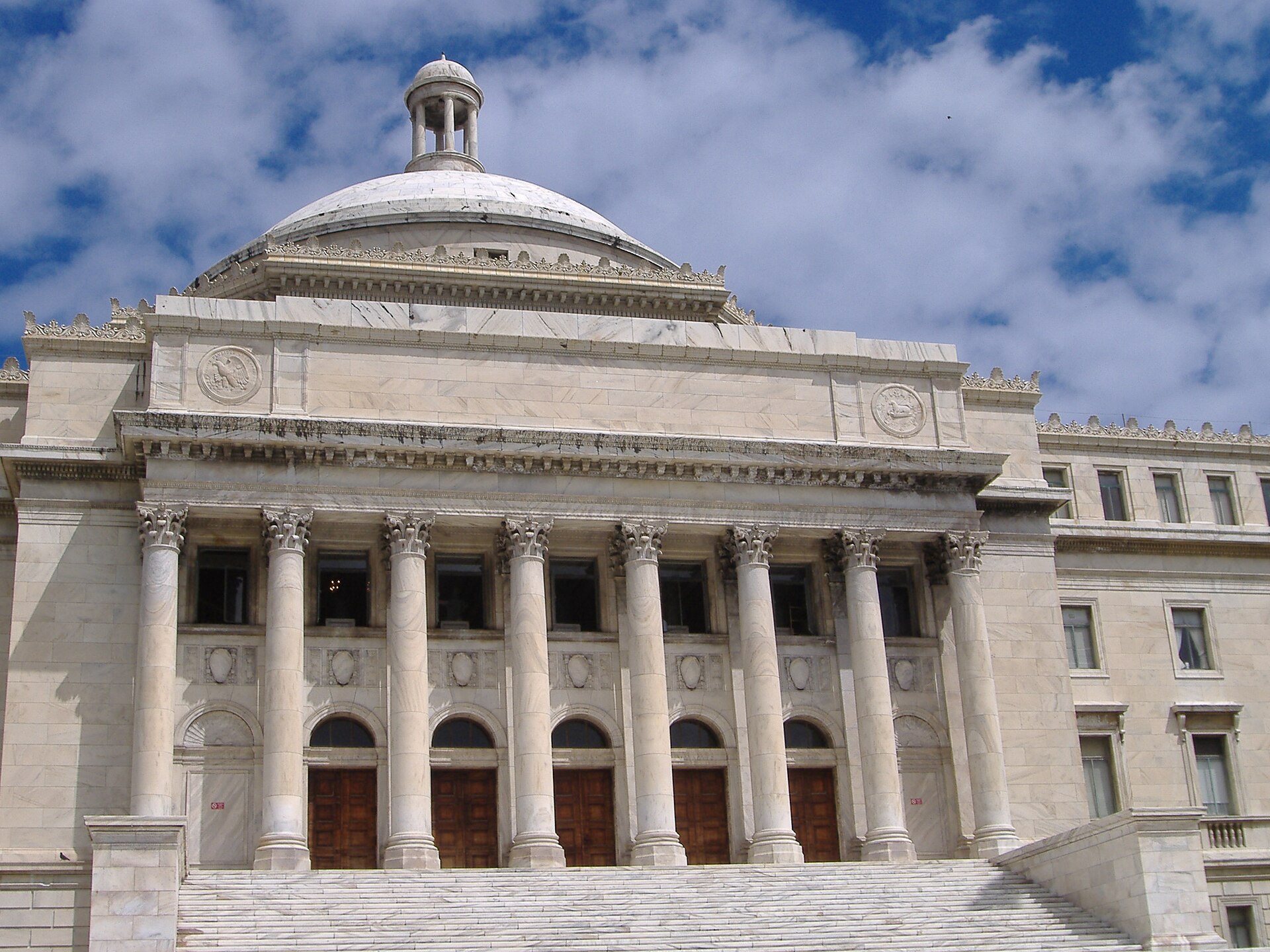
The Senate website lists 28 members as of 23 October 2026. Thomas Rivera Schatz of the PNP presides, with 19 PNP, 5 PPD, 2 PIP and 2 independent senators.
Rivera Schatz presides over the Senate and is the governor’s main rival inside the PNP, according to Metro Puerto Rico. The Senate website names Gregorio Matías Rosario as PNP spokesman and Luis Javier Hernández Ortiz as PPD spokesman.
Carlos “Johnny” Méndez of the PNP presides over the House of Representatives, and he signed the statehood resolution with Rivera Schatz. House seat totals by party were not confirmed from an official source, so only the Senate split is given.
Metro Puerto Rico reported that on 19 June 2026 Rivera Schatz told PNP members he would head the party’s 2028 ballot. He has not confirmed a campaign in the sources read for this guide.
On 24 June 2026 the governor said it confirmed her warning that he wants a primary challenge, El Nuevo Día reported. The date of any 2028 PNP primary is not set in the sources read.
Rivera Schatz and 18 other PNP senators filed Senate Joint Resolution 204 on Thursday, 20 August 2026, seeking statehood. El Nuevo Día reported that the Senate and the House each approved the measure that day.
The governor signed it as Joint Resolution 66-2026 on Friday, 16 October 2026 and sent a copy to President Donald Trump. El Nuevo Día said Rivera Schatz and Méndez had signed earlier but skipped her press event.
On Thursday, 22 October 2026 the Senate accepted House changes to Senate Bill 1096, a new Judiciary Act by Rivera Schatz. It would repeal the 2003 law and end the municipal judge category going forward.
The Resident Commissioner and the Opposition
Pablo José Hernández Rivera of the PPD is the Resident Commissioner, the island’s single non-voting member of the US House. Born in 1991, he is the youngest person to hold the post.
He won 530,540 votes, or 43.50%, in 2024, ahead of PNP rival William Villafañe with 452,615. He also presides over the PPD, whose open vote on Sunday, 11 October 2026 chose a new governing board, Primera Hora reported.
On Wednesday, 10 June 2026 Hernández introduced H.R. 9246, the Puerto Rico Democratic Self Determination Act, with Democratic co-sponsors. It sets a status vote on Sunday, 14 March 2027 with four options and a runoff on Sunday, 16 May 2027.
The GovInfo status file, last updated 30 June 2026, shows the bill only referred to the House Natural Resources Committee. It records no other action.
Jesús Manuel Ortiz, the PPD’s 2024 candidate for governor, took 273,649 votes, or 21.47%. Hernández now presides over the PPD, as Primera Hora described him on 11 October 2026.
Juan Dalmau of the PIP finished second for governor with 392,185 votes, or 30.77%. El Nuevo Día called him secretary general of the party on 18 October 2026, with Rubén Berríos Martínez as party president.
On Sunday, 18 October 2026 Dalmau said in Ponce that the PIP will again build alliances for 2028, El Nuevo Día reported. He gave no details, and Metro Puerto Rico noted that no formal alliance with the MVC was announced.
Proyecto Dignidad, a socially conservative party, won 81,369 votes, or 6.38%, with candidate Javier Jiménez Pérez. The MVC, a newer party, took only 1,522 votes for governor.
The Courts and the Federal Debt Board
The island’s Supreme Court has nine justices, and Chief Justice Maite Oronoz Rodríguez has led it since 22 February 2016. The judiciary’s website lists all nine as of October 2026.
The associate justices are Rafael Martínez Torres, Mildred Pabón Charneco, Erick Kolthoff Caraballo and Roberto Feliberti Cintrón. Four more sit with them: Luis Estrella Martínez, Ángel Colón Pérez, Camille Rivera Pérez and Raúl Candelario López.
Congress created a seven member Financial Oversight and Management Board in 2016 under PROMESA to supervise the island’s budget and debt. The President appoints all seven, six from congressional leaders’ lists and one at his discretion, and the governor sits without a vote.
The board says a plan effective 15 March 2022 cut Commonwealth debt service from US$90.4 billion to US$34.1 billion. The figures include COFINA senior bonds, and the board’s page carries no date.
On Friday, 1 August 2025 President Donald Trump sent dismissal notices to five of the seven members, the Congressional Research Service reports. Andrew Biggs later received one too, and three members sued.
A San Juan federal judge granted a restraining order on 3 October 2025 for the three plaintiffs. Metro Puerto Rico reported that the First Circuit reopened the case on 1 July 2026.
El Nuevo Día reported that on Monday, 31 August 2026 the Justice Department accepted a permanent injunction. It covers Arthur González, Betty Rosa and Biggs, and does not bar future removals carried out in line with the law.
The board’s website lists Arthur J. Gonzalez as chair with Andrew Biggs, John Nixon and Betty Rosa, and the non-voting governor. It does not list Cameron McKenzie, Juan Sabater or Luis Ubiñas, whom the research service names among those dismissed.
That leaves the board’s membership tied to court rulings rather than new appointments. For the wider federal picture, read the Rio Times Puerto Rico geopolitics guide.
Security Forces and the Federal Presence
Brigadier General Carlos J. Rivera Román is the Guard’s adjutant general, and the governor is commander in chief. At a Heroes Day event on Saturday, 12 September 2026 at Camp Santiago she thanked Guard soldiers and airmen.
More than 800 Guard members were serving on missions outside Puerto Rico at that date, her office said. Others were helping to deliver water inside the island.
Joseph González is superintendent of the Puerto Rico Police, according to the bureau’s website in October 2026. He told Metro Puerto Rico in June 2026 that the force had between 10,800 and 10,900 officers.
On Tuesday, 29 September 2026 the governor opened a Ponce base shared by Customs and Border Protection and the Coast Guard. Her office put the investment at US$23.4 million, and those forces answer to federal agencies, not the island government.
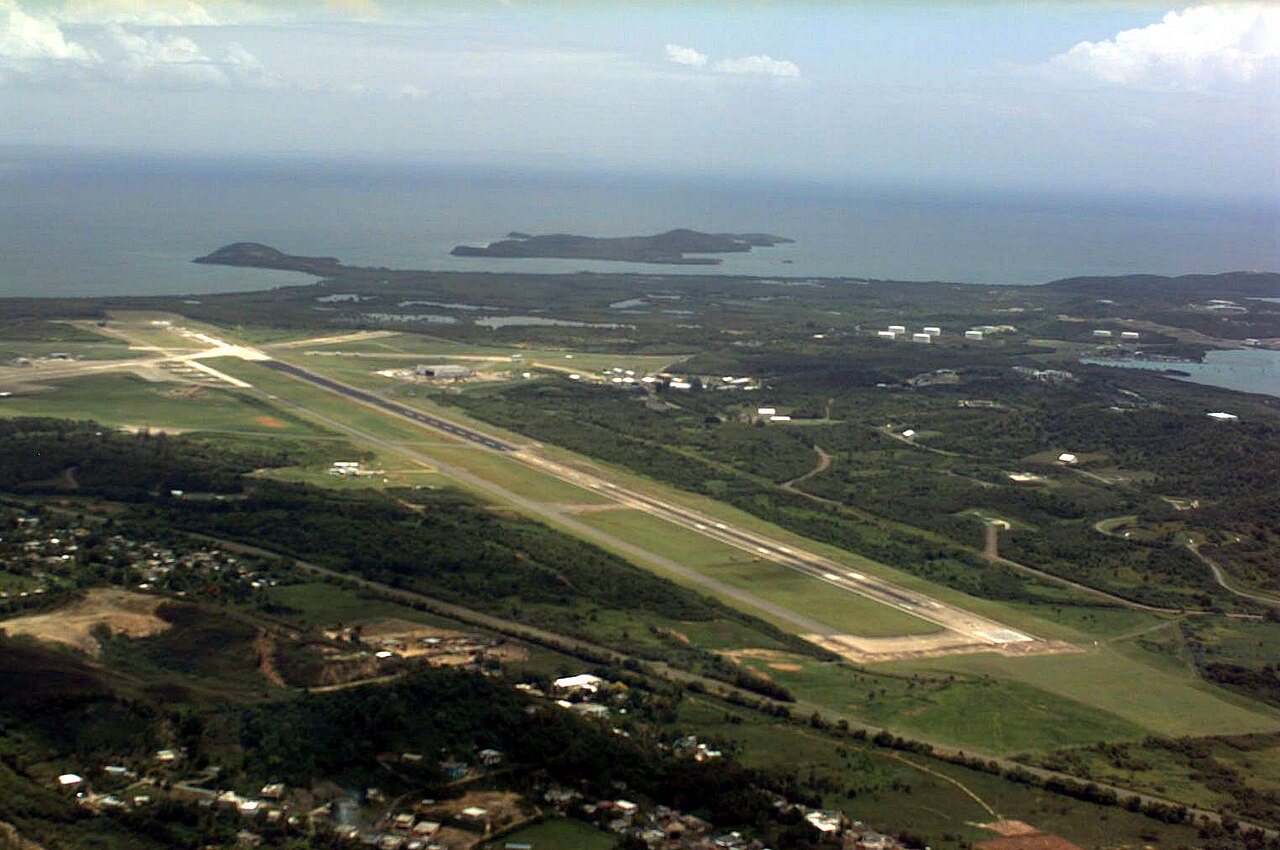
On Sunday, 13 September 2026 the governor’s office announced demolition of old Coast Guard pier structures at Roosevelt Roads, Ceiba. The old naval base is to host a marine research centre, with a tender planned for early 2027 and completion by 2029.
The Status Question and the 2024 Vote
A non-binding plebiscite held alongside the 5 November 2024 election offered three options and counted 1,059,212 votes. Statehood won 620,782 votes, or 58.61%.
Free association with the United States took 313,259 votes, or 29.57%, and independence took 125,171, or 11.82%. Commonwealth, the current status, was not on that ballot.
The US House passed a status bill, H.R. 8393, by 233-191 on Thursday, 15 December 2022. The Senate received it the same day, and the GovInfo record shows no further action.
The governor and Rivera Schatz both back statehood, while Hernández argues for a new vote with four options. The Senate has a committee on federal relations and the status mandate, with a hearing set for 28 October 2026.
What It Means for US Readers
Puerto Ricans are US citizens, so island politics touches federal policy on Medicaid, disaster aid, taxes and the military. The Resident Commissioner can speak in committee but cannot vote on final passage of bills.
Medicaid covers about 40% of the island’s population, according to the governor’s report. The federal match is set to fall from 76% to 55% after fiscal 2027 unless Congress acts.
Bondholders and banks remember the debt restructuring, and the board’s legal fate shapes how Washington can oversee the island’s budget. The 2022 Vaello Madero ruling shows Congress may treat island residents differently on benefits such as SSI.
The island uses the US dollar, so no currency conversion applies. For background, read the Rio Times Puerto Rico explained and economy key players guides.
What Is Not Known
The Oversight Board’s website carries no date for its member list or its debt figures. The outcome of the First Circuit case after the 31 August agreement is not confirmed.
Whether the governor has signed the new Judiciary Act is unknown. Domenech’s response to the allegations and the status of the OPFEI inquiries were not confirmed here.
The date of the 2028 party primaries is unknown, and whether Rivera Schatz will run for governor is his own decision. House seat totals by party are also unconfirmed.
Several party and personnel events rest on single regional outlets, named in the text, rather than on official records. Treat them as reported, not established.
Frequently Asked Questions
Who is the governor of Puerto Rico?
Jenniffer González Colón of the PNP has been governor since January 2025. She won the 5 November 2024 election with 41.26% of the vote.
Is Puerto Rico a state or a country?
Neither: it is a US territory with its own constitution, governor and legislature. Congress has the final say on any change of status.
Can people in Puerto Rico vote for president?
Not in the November general election, although they are US citizens. They elect a non-voting Resident Commissioner to the US House.
Who is Puerto Rico’s Resident Commissioner?
Pablo José Hernández Rivera of the PPD, who won 43.50% of the vote in 2024. He also leads his party and filed H.R. 9246 on a status vote.
What is the federal oversight board?
Congress created the Financial Oversight and Management Board in 2016 under PROMESA to supervise the island’s budget and debt. Its membership is the subject of court cases over presidential removals.
When is the next Puerto Rico election?
The next general election for governor and the legislature falls in November 2028. Party primaries are expected before then, but no dates were confirmed.
Sources: State Elections Commission, 2024 statistical report; Senate of Puerto Rico; Puerto Rico Judiciary; La Fortaleza press office; Puerto Rico Police; Oversight Board members page; Sanchez Valle opinion; Vaello Madero opinion; Senate Joint Resolution 204; Primera Hora; Department of Justice of Puerto Rico; Department of State of Puerto Rico; Resident Commissioner Pablo José Hernández; H.R. 9246, GovInfo; H.R. 8393, GovInfo; Congressional Research Service IN12598; Oversight Board debt page; US Census Bureau; Metro Puerto Rico; El Nuevo Día (all accessed 23 October 2026).
This article was produced by The Rio Times’ automated newsroom system. How we use AI · Report an error · Editorial responsibility: Matthias Camenzind, Editor-in-Chief
Expat Guide to Puerto Rico
What The Rio Times publishes for foreigners who live in or move to Puerto Rico.
Start here
Coming up in Puerto Rico
Understand Puerto Rico