Nigeria’s Palm Oil Giants Post Records as Prices Soar
Presco and Okomu closed 2025 with record profits and earned N72.86bn in Q1 2026, betting billions on a Nigerian market that can't grow enough of its own oil.
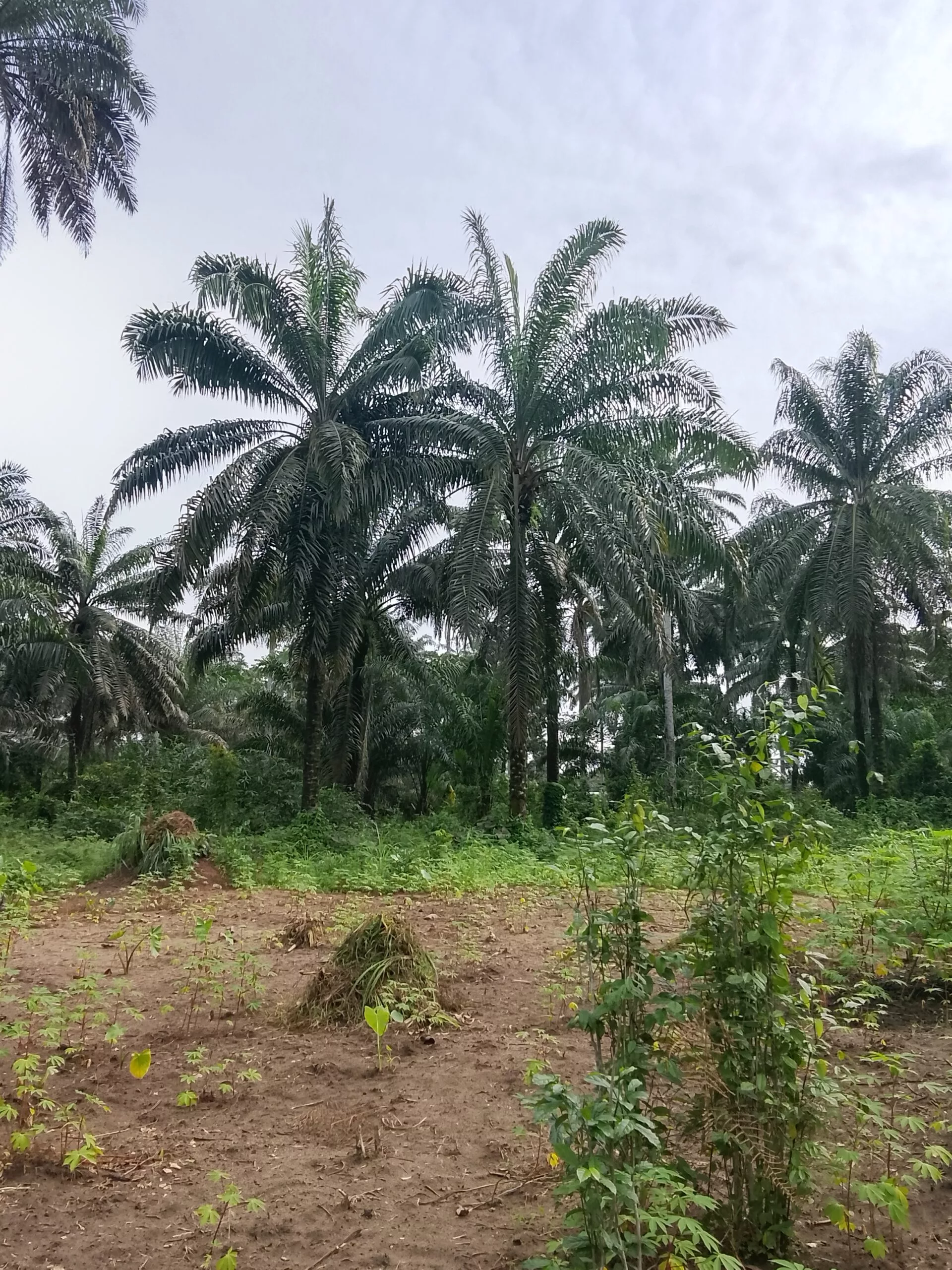
NIGERIA · AGRIBUSINESS
Key Facts
Record year: Presco’s 2025 pre-tax profit jumped 57.3 percent to 178.56 billion naira (about $130 million); Okomu’s rose 63.6 percent to 87.3 billion (about $64 million) — records for both.
Strong start: The two palm oil champions earned a combined 72.86 billion naira (about $53 million) in the first quarter of 2026.
Home market: Okomu’s Q1 revenue reached 58.9 billion naira (about $43 million), with almost 93 percent of sales made inside Nigeria.
The gap: National output of about 1.57 million tonnes still trails Nigerian demand, keeping prices — and margins — elevated.
The bet: Both companies held back dividends-heavy payouts, retaining earnings to plant more and press their expansion.
The history: Nigeria was the world’s top palm oil producer in the 1960s; the industry is now rebuilding that lost ground.
Nigeria palm oil has become one of the continent’s quiet money machines. Presco and Okomu closed 2025 with record profits and earned a combined 72.86 billion naira (about $53 million) in early 2026, betting billions more on a market that still cannot grow enough of its own oil.
Two companies, one very good year
Presco Plc reported a pre-tax profit of 178.56 billion naira (about $130 million) for 2025, up 57.3 percent from the year before. Okomu Oil Palm, its neighbour and rival, posted 87.3 billion naira (about $64 million), a 63.6 percent jump.
Both figures are company records. And the momentum carried into the new year, with the pair earning a combined 72.86 billion naira (about $53 million) in the first three months of 2026.
Okomu’s first quarter shows the texture of the boom. Pre-tax profit rose 5.9 percent to 34.09 billion naira (about $25 million) on revenue of 58.9 billion (about $43 million), with local demand taking almost 93 percent of sales.
Both companies paid final dividends for 2025 while holding back the bulk of their earnings. The message to shareholders was patience over payout.
The listed duo also serve as a proxy for investors seeking African food-security exposure without venturing into unlisted farmland. Few other listings on the Lagos bourse offer it as directly.
Inside the Nigeria palm oil boom
The engine is a stubborn imbalance, because Nigeria consumes far more palm oil than it grows. National output stands at roughly 1.57 million tonnes, and the shortfall keeps domestic prices firm even when world markets wobble.
Elevated global prices have amplified the effect, lifting the value of every tonne the plantations press. For producers whose costs are mostly in naira, the arithmetic has been generous.
The naira’s long slide has been a quiet ally, because palm oil prices track import parity while plantation costs stay largely local. Each devaluation widened the gap between the two.
Demand is not just kitchens, either. Food processors, noodle makers and soap manufacturers pull from the same pool, and industrial buyers prize local supply that dodges port delays.
Industry reporting by Nairametrics and Businessday describes producers betting billions of naira on closing the national edible-oil deficit. Rather than pay out their windfalls, both companies retained earnings to finance new planting and capacity.
From world leader to net importer, and back?
The irony is historical. Nigeria was the world’s largest palm oil producer in the 1960s, before crude oil, neglect and smallholder decline handed the market to Malaysia and Indonesia.
Today’s rebuild is corporate rather than colonial-era smallholder, centred on the plantation belt of Edo State where both companies operate. Expansion there is measured in tens of thousands of hectares.
Both champions are anchored by international agro-industrial groups — Presco within Belgium’s SIAT family, Okomu under the Socfin group. That gives them technical depth most local farms lack.
Smallholders still press most of Nigeria’s palm oil in villages far from any exchange. The corporate estates sit atop that vast informal base, not instead of it.
The gap remains wide enough that imports still fill part of the national cooking pot. That is precisely the opportunity the two champions are spending to capture.
What could turn the palms
The risks are the familiar ones of Nigerian agribusiness. They include currency swings that inflate input costs, insecurity in rural areas, and the chance that world palm prices retreat from their highs.
A stronger naira would also trim the value of dollar-linked pricing. Climate adds a slower threat, as yields depend on rainfall patterns that are shifting.
Both companies are investing in irrigation and higher-yield seedlings in response. Policy is the wild card to watch.
Import rules, foreign-exchange access and any duty change on crude palm oil can move the sector’s economics overnight. Regional demand adds another layer, as West African neighbours run edible-oil deficits of their own.
Exporting refined products across the ECOWAS market is the industry’s next ambition. For now, though, the sector is that rare Nigerian story: a home-grown industry, selling to its own market, making record money.
The palms, patient as ever, are paying out.
More: Brazil news in English, every day from The Rio Times.
The big picture: Nigeria explained — economy, politics, society and daily life in one read.
Frequently Asked Questions
Who are Nigeria’s biggest palm oil producers?
Presco Plc and Okomu Oil Palm dominate the formal industry, both rooted in Edo State’s plantation belt and listed in Lagos. Both closed 2025 with record profits.
How profitable was 2025 for them?
Presco posted a pre-tax profit of 178.56 billion naira (about $130 million), up 57.3 percent. Okomu reported 87.3 billion naira (about $64 million), up 63.6 percent — records for both companies.
How is 2026 going so far?
The two companies earned a combined 72.86 billion naira (about $53 million) in the first quarter of 2026. Okomu’s pre-tax profit rose 5.9 percent to 34.09 billion naira (about $25 million) on revenue of 58.9 billion (about $43 million), with almost 93 percent sold locally.
Why is Nigeria still short of palm oil?
Nigeria was the world’s largest producer in the 1960s, but output now stands at around 1.57 million tonnes and still trails demand. Producers are spending billions of naira in retained earnings to close that deficit.
Connected Coverage
Palm oil is a South-South story The Rio Times tracks on both shores of the Atlantic: compare Colombia’s palm boom and its EU deforestation deadline and the investor view in Africa’s fastest-growing economies of 2026.
This article was produced by The Rio Times’ automated AI newsroom. Editorial responsibility: Matthias Camenzind, Publisher and Editor-in-Chief. The Rio Times also runs Ask Rio Times, which answers from 100,000+ of our own articles, the daily Latin America Power Map, and prediction-market odds on elections and markets.. How we use AI · Report an error
LatAm Markets: Live Signals → — real-time movers, turnover leaders and FX across Latin America.