
Politics: Brazil
A Brazilian campaign says the country’s Supreme Court has never had a Black woman among its justices, and it wants President Luiz Inácio Lula da Silva to name one to the open seat. The group held a banner action in Rio de Janeiro on Sunday 15 November 2026 and is collecting signatures.
The seat has stood empty since October 2025, so Lula’s choice will shape the court that settles Brazil’s biggest legal disputes. For readers abroad, it shows how Latin America’s largest economy treats race and gender at the top of its judiciary.
Key Facts
- What. Campaign Mulheres no STF (Women on the Supreme Court) asks Lula to name a Black woman.
- Numbers. The campaign says over 96% of 172 justices in 135 years were white men.
- Prediction markets. Polymarket bets give 65% to a nominee by 31 December (19 Nov, 12:51 ET).
- Power Index. Brazil ranks 1st of 14 in The Rio Times Latin America Power Index, with 74.2 points (November 2026 edition).
- As of. 19 November 2026, 06:00 GMT.
A campaign says no Black woman has ever sat on Brazil’s Supreme Court, and Lula can pick the next justice, but the Senate must approve.
The Big Picture
The campaign, called Mulheres no STF, is led by the Instituto de Defesa da População Negra (IDPN), a Black-rights advocacy group. It works with Coalizão Negra por Direitos, a Black-rights coalition, and more than 40 entities in all.
Its banner action took place in Rio de Janeiro on Sunday 15 November 2026, and its goal is 1 million signatures. The demand is that the next four Supreme Court seats go to women, at least two of them Black, starting with the open seat.
The campaign cites its own data: of 172 justices in 135 years, over 96% were white men. Only three were women, it says, and never a Black woman, while Black women are 28% of the population.
Justice Cármen Lúcia, appointed in 2006, is the only woman among the court’s 10 sitting justices. The court has 11 seats in all, and the vacant one is the only seat Lula can fill now.
What the Campaign Says
Fani Santos, communications coordinator at the IDPN, said on 18 November that the judiciary is “a white, elitist branch of power that does not look at the whole Brazilian population.” The translation from Portuguese is ours.
She added that “it is not possible to speak of full democracy if the places of power keep reproducing this historical inequality.” On 17 November she said that “the president can make history again” and that “we want a competent, qualified Black woman.”
What the Census Shows
IBGE, Brazil’s national statistics institute, reported in December 2023 that its 2022 Census counted pardos, people who describe themselves as mixed-race, at 45.3% of Brazilians. It counted pretos, people who describe themselves as Black, at 10.2%.
Together they make 55.5%, up from 50.7% in 2010, and the census records race as people declare it themselves. The 28% share for Black women is the campaign’s own figure.
How a Justice Is Chosen
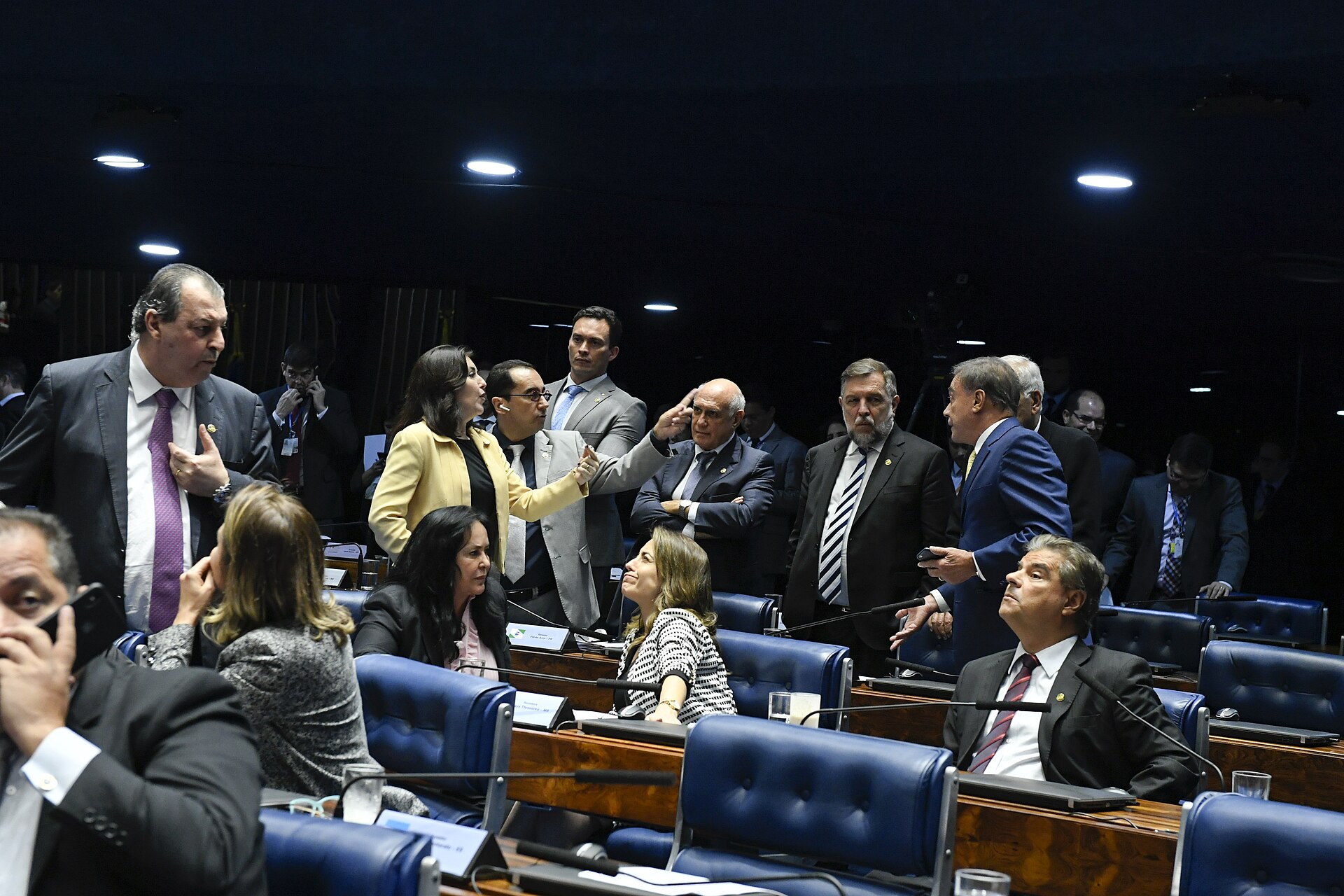
The president nominates a candidate, and the Senate Constitution and Justice Committee, known as the CCJ, holds a hearing. Then senators vote in secret, and the nominee needs 41 of the 81 votes.
The seat has been empty since Luís Roberto Barroso, a former justice, retired on 18 October 2025. On 29 April 2026 the Senate rejected Lula’s previous nominee, Jorge Messias, the government’s chief legal adviser, with 42 votes against and 34 in favour, the first such rejection in 132 years.
Lula appoints and the Senate approves, so both must agree on the same name. As of 18 November, no nominee has been named, and a planned meeting between Lula and Senate president Davi Alcolumbre had been postponed.
What Prediction Markets Say
Polymarket, a real-money prediction market, shows a 65.0% price for “Yes” on whether Lula will announce a Supreme Court nomination by 31 December, on volume of about US$15,600 for this contract (US$38,900 across all deadline contracts of the market), as of 00:51 ET (05:51 UTC) on 19 November 2026. These prices are bets, not polls, and they say nothing about who Lula will choose.
Why we show this: prediction markets turn real-money bets into a live probability that moves within minutes of the news, which is why investors, campaigns and newsrooms in the United States now follow them closely. We show them next to polls and official results, never instead of them.
Why It Matters
A seat is filled only when the president and the Senate agree, and this one has stood empty for more than a year. The Senate’s 42 to 34 vote against Messias on 29 April 2026 shows that a nomination can fail even after Lula has made his choice.
What to Watch
A meeting between Lula and Senate president Davi Alcolumbre, planned for 18 November, had been postponed with no new date. The campaign’s tally against its goal of 1 million signatures is the other figure to follow.
What Is Not Known
It is not known whether Lula will name a woman, or who the nominee will be. The date of any Senate hearing is also unknown.
What It Means for You
For anyone following Brazil, this nomination will show who the president and the Senate want at the top of the court system. The facts to follow are simple: one open seat, a nominee not yet named, and 41 Senate votes needed.
Frequently Asked Questions
What is the “Women on the Supreme Court” campaign?
Mulheres no STF is a campaign led by the Black-rights group IDPN with more than 40 entities. It wants the next four Supreme Court seats to go to women, at least two of them Black, starting with the open seat.
Has Brazil ever had a Black woman on its Supreme Court?
According to the campaign, no: of 172 justices in 135 years, only three were women and never a Black woman. Justice Cármen Lúcia, appointed in 2006, is the only woman among the 10 sitting justices.
Who picks the next Supreme Court justice?
The president nominates, and the Senate Constitution and Justice Committee holds a hearing. Senators then vote in secret, and the nominee needs 41 of 81 votes.
Has Lula named a nominee yet?
No nominee had been named as of 18 November 2026. Polymarket gave “Yes” 65.0% on Lula announcing one by 31 December, as of 19 November.
Sources
Published Thursday 19 November 2026 · Source: Instituto de Defesa da População Negra and campaign statements; Polymarket market data as of 00:51 ET, 19 November 2026; Instituto Brasileiro de Geografia e Estatística · Supremo Tribunal Federal · Agência Senado
Connected Coverage
Brazil news · Brazil Campaign Presses for a Black Woman Justice · Lula and the Senate Chief on the Court Pick · Latin America Power Map
In depth
This article was produced by The Rio Times’ automated AI newsroom. Editorial responsibility: Matthias Camenzind, Publisher and Editor-in-Chief. The Rio Times also runs Ask Rio Times, which answers from 100,000+ of our own articles, the daily Latin America Power Map, and prediction-market odds on elections and markets.. How we use AI · Report an error
Brazil runoff, Sunday, October 25: Brazil runoff date. Latest: Brazil runoff polls, Flávio 51%, Lula 49%.