Mali · Expat Guide
American citizens face a suspension of entry and visas for Mali, which the country’s government announced on Tuesday, 30 December 2025. The US State Department also rates Mali Level 4, Do Not Travel, its highest warning, in an advisory reissued on Monday, 8 June 2026.
This guide covers what the rules say for anyone with a Malian family tie, a business need or an existing Malian visa or residency. It is written for US readers, who need to read the entry rules before anything else.
Key Facts
- Advisory. The US State Department rates Mali Level 4, Do Not Travel, reissued on 8 June 2026.
- US citizens. Mali has suspended entry for US nationals since 30 December 2025, with reported exemptions.
- Residency. Mali’s 2004 law provides a stay visa of up to one year and a five-year resident card.
- Cash. Cards are rarely accepted outside a few major hotels, and ATMs are limited outside the capital, Bamako.
- Health. Care is limited and paid in cash, and entry requires a yellow fever vaccination certificate.
Mali has suspended entry for US citizens with reported exceptions, and four Western governments advise against travel. Here is what the law, health care and cash access mean for anyone with a valid reason to be there.
The US Advisory and What It Says
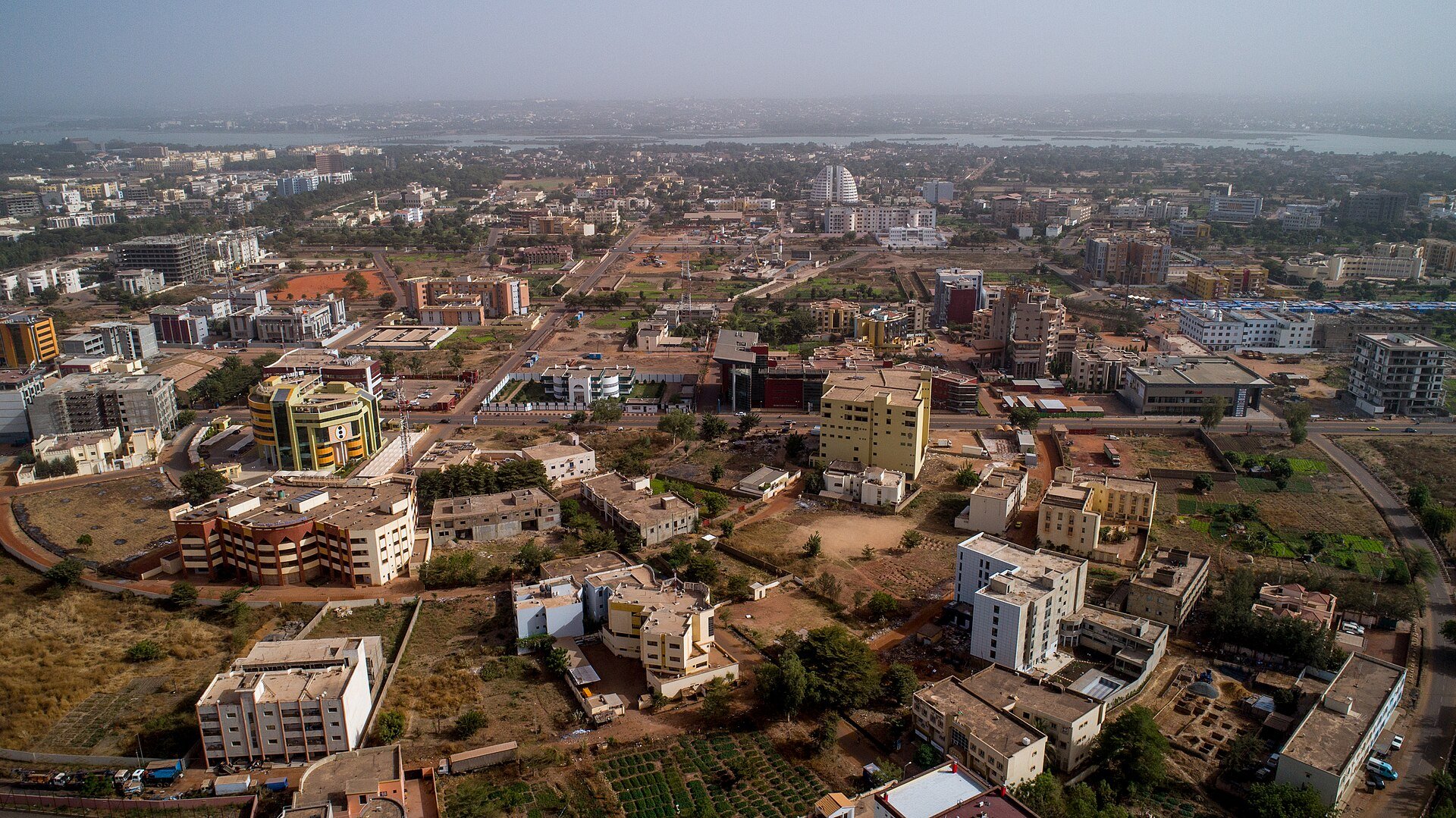
The State Department’s Level 4 advisory tells Americans not to travel to Mali for any reason and says family members cannot join US government employees who work there. It lists violent crime including kidnapping, armed robbery and carjacking, roadblocks set up by armed groups, and attacks on highways.
The advisory says terrorists may strike without warning at hotels, restaurants, night clubs, places of worship and other spots frequented by foreigners anywhere in the country. US government employees in Mali are not allowed to travel outside the capital, Bamako, and the US embassy has enhanced security measures.
The Federal Aviation Administration (FAA), the US aviation regulator, has issued a notice on risks to civil aviation in or near Mali. The UK Foreign, Commonwealth and Development Office (FCDO) advises against all travel to Mali in a notice still current on 17 November 2026, and the Government of Canada’s advice of 9 October 2026 says the same.
Who Can Enter Mali Now
On 30 December 2025 Mali’s Ministry of Foreign Affairs said it would apply to US nationals, with immediate effect, the same conditions and requirements that Washington imposes on Malian citizens. Burkina Faso, Mali’s neighbour, announced a similar step the same day.
The move answers a US presidential order, Proclamation 10998 of 16 December 2025, which suspends entry of Malian nationals as immigrants and nonimmigrants, including visitors, from 1 January 2026 if they hold no valid visa on that date. The order cites armed conflict between the Malian government and armed groups, and terrorist groups operating freely in parts of Mali.
EY, a global accounting and advisory firm, said in a January 2026 alert that Mali had suspended visa issuance to US nationals in response to the US order. Regional reports say a ministry clarification in October 2026 confirmed the suspension is in full effect and exempts holders of a valid Malian visa, US citizens with permanent residency in Mali, diplomats, athletes and people whose presence serves a clearly established national interest.
We could not read the ministry’s October text itself, so treat those exemptions as reported, not confirmed. Nobody should book a trip before the Malian embassy or consulate has confirmed their own case in writing.
In Plain English
Level 4: Do Not Travel is the State Department’s highest warning, meaning the risks to Americans are judged too severe for any trip.
Reciprocity means one government answers a rule against its citizens by applying the same rule to the other side.
JNIM is Jama’a Nusrat ul-Islam wa al-Muslimin, an armed group that the UK government calls terrorist and names as the force behind fuel blockades.
CFA franc (XOF) is Mali’s currency, worth about 596 to the US dollar on 17 November 2026 at the market rate.
Why the Border Is Closed to Americans
In October 2025 the US listed Mali for visa bonds due to start on 23 October, and Mali announced matching bonds for Americans in mid-October. Reports say Washington removed Mali from the list on 23 October.
The December order went much further, and it is the one Mali answers today. The wider setting is a Mali that the US, UK, Canadian and French governments all describe as unsafe for foreigners; for the background, see our Mali explainer and our guide to Mali and its neighbours.
How Visas and Residency Work
Mali’s law on foreigners, Law 04-058 of 25 November 2004, requires every foreigner to hold an entry visa, valid for at most 90 days from issue and renewable once. A multiple-entry visa valid for six months to one year can also be issued.
After three months in the country, an adult must obtain a temporary stay authorisation, issued as a stay visa valid for up to one year and renewable. A foreigner who settles permanently receives a resident card valid for five years and renewable.
A foreigner married for at least three months to a Malian national is entitled to the temporary stay authorisation by right, and the same applies to a foreign parent who exercises authority, even partly, over or supports a Malian child living in Mali. Salaried work needs a separate authorisation, and working, paid or not, without a stay permit carries three months to three years in prison, a fine of 200,000 to 500,000 CFA francs (about US$336 to US$839), or both.
The UK government says visa applications and payment are made online through the Malian foreign ministry’s website, and that a yellow fever vaccination certificate is required. A Malian embassy or consulate is the place to confirm any individual case.
We found no official fee schedule for visas or resident cards, so we give no price. The 2004 text is as published in the Official Journal, Mali’s government gazette, of 10 January 2005, and we did not check later amendments or the implementing decree.
Housing, Health and Safety
We found no reliable published rent data for Bamako, so we give no price range for housing. The Canadian advice notes that establishments in Bamako frequented by foreigners have been attacked in the past, and that a state of emergency is in effect across Mali with random identity checks and roadblocks.
The State Department says medical care for routine and emergency needs is limited, public clinics lack basic supplies, and patients pay all costs of transfers between hospitals. Canada adds that services usually need immediate cash payment and advises insurance that covers medical evacuation.
Since September 2025, the Government of Canada says, terrorist groups have targeted fuel tankers and set up roadblocks on supply routes, causing long queues at petrol stations. The FCDO says blockades by JNIM include Bamako, and warns against leaving by road because of attacks on national highways.
Canada reports that armed groups attacked several places, including Kidal and Gao in the north, Kati and the area near Bamako International Airport, on 25 April 2026, and that the airport could temporarily close. France’s foreign ministry, in an update of 10 September 2026, advises against travel for any reason and tells French citizens to leave temporarily as soon as possible by commercial flight.
Money, Banking and Connectivity
Canada says credit cards are rarely accepted outside a few major hotels, and access to ATMs is limited outside Bamako. The Central Bank of West African States runs a foreign exchange bureau on Koulikoro Road in Bamako, though exchange facilities are often slow and quote outdated rates.
Canada also warns that power cuts can last more than eight hours and can disrupt water supply, telecommunications and banking transactions. We found no verified data on mobile or internet prices, so we give none.
What It Means for You
For a US citizen, the entry suspension comes first, the Level 4 advisory second, and the practical limits on help in a crisis third. The State Department says its own staff cannot leave Bamako, and the UK government says its support is severely limited, so no one should assume a rescue.
A US citizen who holds Malian residency or a valid Malian visa, or has a Malian spouse or child, should get written confirmation from a Malian embassy before any plan. Malian relatives who want to visit the United States face the mirror-image problem under Proclamation 10998; our explainer on the US entry ban sets out its exemptions.
What to Watch Next
The US proclamation requires the Secretary of State to report to the President every 180 days on whether to keep, change or end the limits, and by our count the next report is due by Friday, 11 December 2026. That report only recommends changes, so it does not itself decide anything.
Mali’s ministry has said the suspension will be reviewed regularly and that any change will come through official channels, with no date given. The date of the next Malian review is not confirmed; our coverage of the Sahel states’ plans shows how closely Bamako ties its choices to its neighbours.
What Is Not Known
The text of Mali’s October 2026 clarification could not be read, so its exemptions rest on reports, and it is unclear whether they date from December 2025. Visa and resident card fees, current rents and mobile prices could not be confirmed from official sources.
Frequently Asked Questions
Can US citizens visit Mali in 2026?
Mali has suspended entry for US nationals since 30 December 2025, with reported exemptions for valid visa holders, residents and diplomats. The State Department also advises Americans not to travel to Mali for any reason.
How long does a Mali resident card last?
Under Law 04-058 of 2004, a resident card is valid for five years and renewable. A stay visa, which comes first, is valid for at most one year.
Can I use cards and ATMs in Bamako?
Cards are rarely accepted outside a few major hotels, according to the Government of Canada. ATM access is limited outside Bamako, so cash in CFA francs is needed.
Sources: US State Department, Mali Travel Advisory (reissued 8 June 2026), travel.state.gov; White House, Proclamation 10998 of 16 December 2025, whitehouse.gov, and Federal Register, 90 FR 59717 (19 December 2025); UK FCDO, Mali travel advice (updated 10 July 2026), gov.uk/foreign-travel-advice/mali; Government of Canada, Mali travel advice (updated 9 October 2026), travel.gc.ca/destinations/mali; French Ministry for Europe and Foreign Affairs, Mali advice (10 September 2026), diplomatie.gouv.fr; Republic of Mali, Law 04-058 of 25 November 2004, Official Journal of 10 January 2005, sgg-mali.ml; Mali Ministry of Foreign Affairs statements of 30 December 2025 and October 2026, as reported.
This article was produced by The Rio Times’ automated AI newsroom. Editorial responsibility: Matthias Camenzind, Publisher and Editor-in-Chief. The Rio Times also runs Ask Rio Times, which answers from 100,000+ of our own articles, the daily Latin America Power Map, and prediction-market odds on elections and markets.. How we use AI · Report an error