
Africa: Sahel
Key Facts
—Who. Ministers of the Alliance of Sahel States (Mali, Burkina Faso, Niger) met in Ouagadougou, Burkina Faso, on 11 and 12 November 2026.
—Guinea. They regretted “massive and not coordinated” expulsions of African nationals from Guinea.
—Europe. They condemned “persistent acts of interference” by the European Union, naming no specific decision.
—Numbers. Guinea says 1,263 people were arrested; Burkina’s emergency relief council, CONASUR, has received 26,624 returnees.
—Stand. As of 14 November 2026, 07:00 GMT
Three military-led Sahel states rebuked Guinea over mass expulsions of gold miners, while Guinea defends its crackdown on environmental grounds.
Sahel alliance ministers regretted Guinea’s mass expulsions of African nationals and condemned European Union interference at a two-day meeting. They met in Ouagadougou, the capital of Burkina Faso, on 11 and 12 November 2026.
The row matters to US readers because Guinea exports gold and bauxite, and a senior US general met Mali’s leader this week. The Alliance of Sahel States (AES) groups Mali, Burkina Faso and Niger, three military-led West African countries that left the regional bloc ECOWAS (the Economic Community of West African States) and formed their own confederation.
What the Ministers Said
The AES Confederation’s Council of Ministers held an extraordinary session to review its “Year II roadmap,” a work plan for the alliance’s second year. General Célestin Simporé, Burkina Faso’s Minister of State for War and Patriotic Defence, chaired it.
Mali’s delegation was led by Alousséni Sanou, Minister of State for Economy and Finance, and Niger’s by General Salifou Mody, Minister of State for National Defence. The communiqué says the ministers acknowledged that states must enforce their laws, yet regretted expulsions of African nationals by Guinean authorities that they called “massive and not coordinated”.
Burkina’s delegation head thanked Mali’s authorities for receiving Burkinabe nationals turned back from Guinea. The ministers also condemned “persistent acts of interference” by the European Union in African states’ internal affairs, citing no specific EU decision in the reports we have.
They sent a motion of thanks to Captain Ibrahim Traoré, Burkina’s president and current chair of the alliance. They also offered condolences to Niger’s leader, General Abdourahamane Tiani, over the death of his father.
Why Guinea Expelled the Miners
On 2 November 2026, Guinea banned artisanal gold mining, meaning small-scale digging and panning by hand, in several zones of Siguiri in the north-east. The ban covers rivers, riverbanks, classified forests and protected areas, and our earlier report explains why Guinea expelled foreign gold miners.
Guinea’s defence and security ministries said on 7 November that 1,263 people had been arrested, a count that included Guinean, Burkinabe, Malian and other nationals. Foreign Minister Morissanda Kouyaté defended the crackdown on state television, saying environmental protection cannot be sacrificed in the name of African brotherhood.
A joint communiqué of four Guinean ministries (Mines, Territorial Administration, Defence and Environment), issued on 2 November, cites pollution and silting of the Niger and Tinkisso rivers. That is the environmental case the government puts forward, and the Sahel ministers themselves accepted that states may enforce their laws.
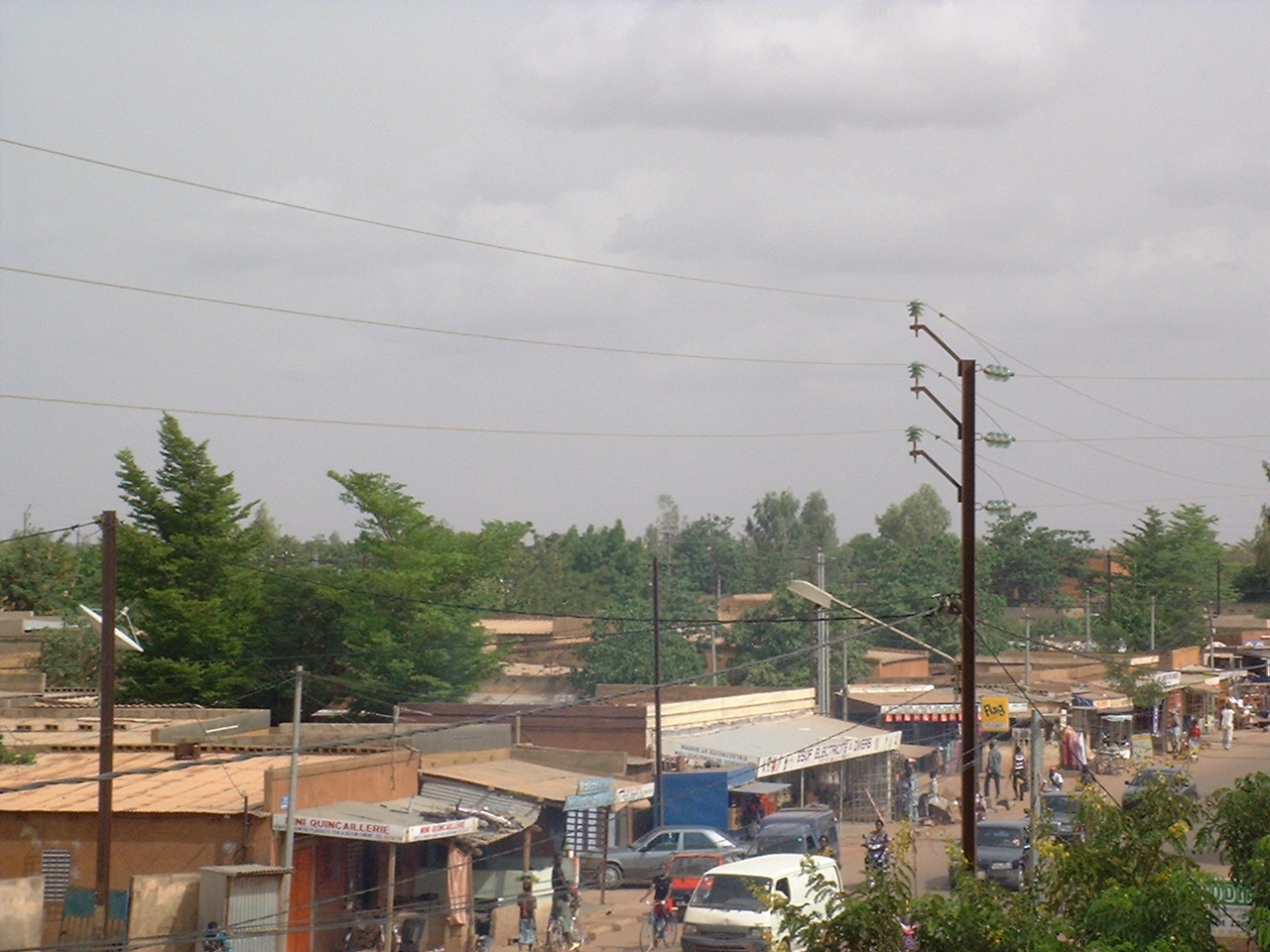
What We Know About the Numbers
Figures differ between sources and are not reconciled. Mali’s government said on 7 November (figures as of that day) that it had received roughly 160,000 people sent back from Guinea, which is not confirmed, and other reports speak of tens of thousands.
Burkina’s national emergency relief council, CONASUR (Conseil national de secours d’urgence et de réhabilitation), said, in a statement reported on 11 November 2026, that it had received 26,624 people returned from Guinea at Bobo-Dioulasso (a city in south-western Burkina Faso) by 10 November. It lists 26,021 men and 603 women, including 5,458 children and 772 people of other nationalities.
Burkina’s government launched an inter-ministerial return operation in the first week of November 2026, after it protested the expulsions. The arrest count and the relief count measure different things.
Why It Matters for US Readers
Guinea exports gold and bauxite, the ore used to make aluminium, so mining disruption there matters to investors in West African gold. We have not confirmed any gold price move tied to the crackdown.
Sahel stability also shapes US security policy in West Africa. On 10 November 2026, General Dagvin Anderson, commander of US Africa Command, met Mali’s leader, General Assimi Goïta, in Bamako to discuss security cooperation, and no deal has been announced.
What Is Not Known
The communiqué names no EU decision, so what the ministers mean by interference is unclear. No next AES or Guinea date is confirmed, and the true number of people expelled is unconfirmed.
In Plain English
—AES. The Alliance of Sahel States, a confederation of Mali, Burkina Faso and Niger.
—ECOWAS. The Economic Community of West African States, the regional bloc the three left.
—Artisanal mining. Small-scale mining done by hand or with simple tools.
—Siguiri. A gold-mining area in north-east Guinea.
What It Means for You
If you follow West African gold or bauxite, watch Guinean mining rules and how the three Sahel states respond. The expulsions also strain Burkina Faso and Mali, which must receive returnees.
Frequently Asked Questions
Why did the Sahel ministers criticise Guinea?
They regretted what they called “massive and not coordinated” expulsions of African nationals by Guinean authorities, while acknowledging that states must enforce their laws. They made the point in a communiqué issued at the close of their 11–12 November session.
What did the ministers say about the European Union?
They condemned “persistent acts of interference” by the European Union in the internal affairs of African states. The reports we have show no specific EU decision named.
Why did Guinea expel foreign gold miners?
Guinea banned artisanal gold mining in parts of Siguiri on 2 November 2026. Foreign Minister Morissanda Kouyaté said environmental protection cannot be sacrificed in the name of African brotherhood, and the government also cites pollution and silting of the Niger and Tinkisso rivers.
How many people were turned back from Guinea?
The figure is reported, not confirmed. Mali’s government has put it at roughly 160,000, while Burkina’s relief agency CONASUR said it had received 26,624 returnees at Bobo-Dioulasso (a city in south-western Burkina Faso) by 10 November 2026.
Sources: AES Confederation communiqué issued after the 11–12 November session; Guinea’s defence and security ministries, 7 November 2026; CONASUR, 11 November 2026; Guinea’s Foreign Ministry.
This article was produced by The Rio Times’ automated AI newsroom. Editorial responsibility: Matthias Camenzind, Publisher and Editor-in-Chief. The Rio Times also runs Ask Rio Times, which answers from 100,000+ of our own articles, the daily Latin America Power Map, and prediction-market odds on elections and markets.. How we use AI · Report an error