Mali and Its Neighbours in the Sahel Explained 2026

MALI · SAHEL NEIGHBOURS
Key Facts
- What it is Mali’s relations with Burkina Faso, Niger, Algeria, Senegal, Guinea, Côte d’Ivoire, Mauritania and the regional bodies around them.
- Why it matters Bamako is the capital of the Alliance of Sahel States, which Mali formed with Burkina Faso and Niger before leaving ECOWAS in January 2025.
- The numbers The Dakar–Bamako railway is 1,286 km long, and UNHCR counted about 14,402 refugees identified in Mauritania’s Hodh Chargui region since the current influx began on 24 October 2025, according to its 21 May 2026 update.
- The catch The al-Qaeda-linked group JNIM has blockaded fuel routes since 3 September 2025, and the blockade was reimposed in late April 2026.
- What it means for you Visitors need a visa in advance, and the US State Department rates Mali Level 4, Do Not Travel.
Mali neighbours shape almost everything in the country, from the fuel in its tanks to the alliances of its generals. This guide explains who Mali’s partners and rivals are, how the links work, and what could change.
Mali is a Sahel state governed by a military-led transition and surrounded by countries that supply its ports, its trade routes and some of its threats. We cover the alliance it leads, the bodies it left, each key neighbour, and what it all means for foreigners.
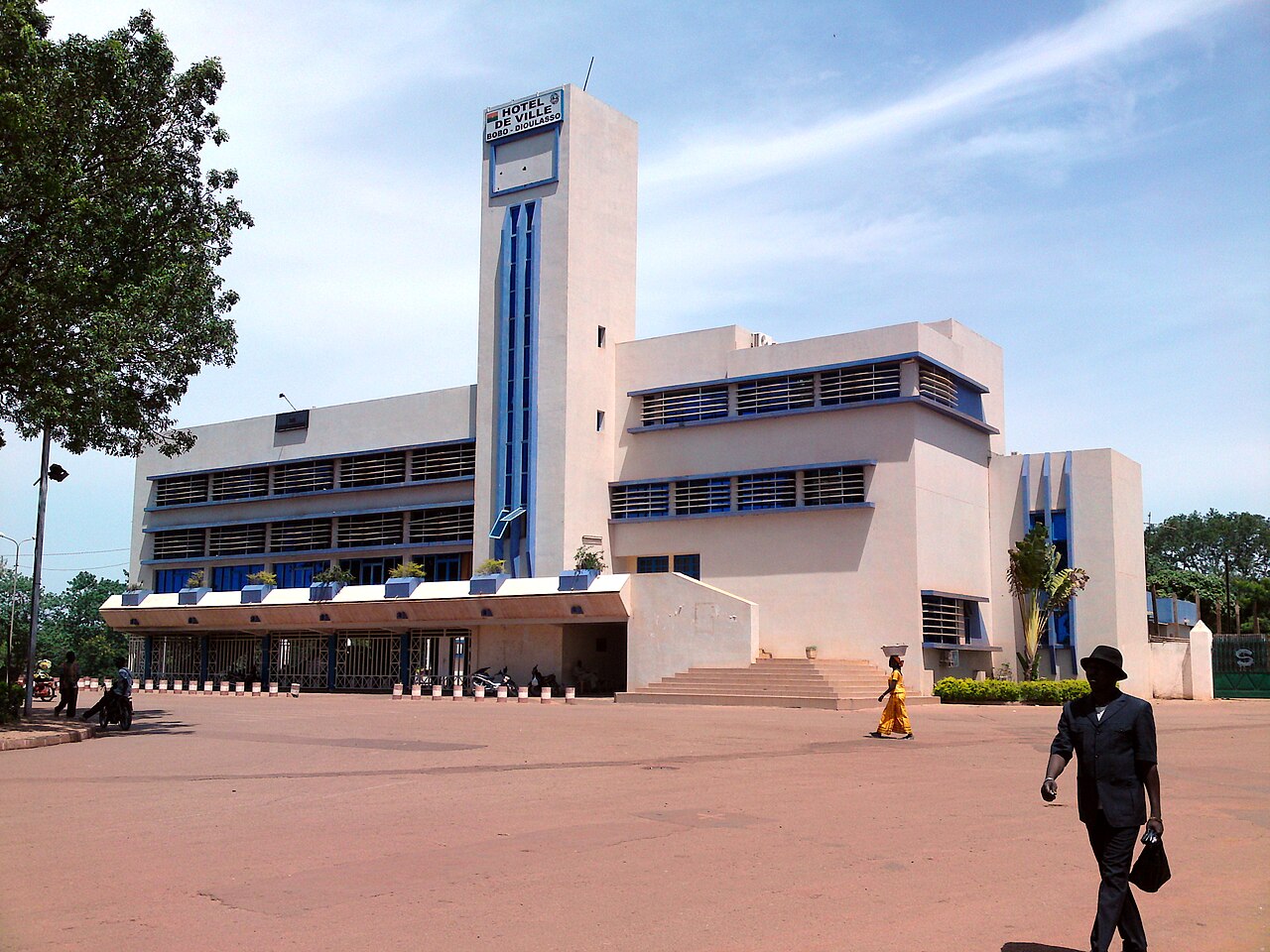
How Mali Fits Into Its Neighbourhood
Mali depends on roads and rails through other countries to reach the sea. According to press reports, about 95% of its fuel arrives by road, much of it from Senegal, Côte d’Ivoire and Guinea.
Power sits with General Assimi Goïta, the transition president, whose mandate was extended by a revised Transition Charter that he promulgated on 8 July 2025. The Prime Minister is General Abdoulaye Maïga, in post since 21 November 2024, and Abdoulaye Diop is foreign minister.
Goïta took the defence portfolio himself after General Sadio Camara was killed in an attack on his home in Kati on 25 April 2026, as Al Jazeera reported.The political frame matters for neighbours.Al Jazeera reported in July 2025 that the revised Transition Charter gave Goïta a five-year presidential mandate, renewable, without an election, and no national vote is scheduled as of November 2026.
The Alliance of Sahel States: Where Mali Leads
The Alliance of Sahel States (AES) groups Mali, Burkina Faso and Niger, all governed by military leaders. Its roots lie in the Liptako-Gourma charter signed in Bamako on 16 September 2023.
The three governments signed a confederation treaty in Niamey on 6 July 2024 and left the Economic Community of West African States (ECOWAS) in January 2025. At the Bamako summit of 23 to 25 December 2025, Burkina Faso’s Captain Ibrahim Traoré took the rotating chair from Goïta for one year.
Africanews reported that the summit inaugurated an AES television channel and the BCID-AES bank. The AES investment bank, BCID-AES, was activated in Bamako on 23 December 2025 with reported capital of CFA 500bn, according to AllAfrica and Ecofin.
The bloc charges a 0.5% levy on imports from outside its territory, including from ECOWAS countries, AllAfrica reported in 2025. Trade among the three remains modest, and Apanews describes the integration as fragmented.
The joint force was first reported at 5,000 troops and later at 15,000 in mid-April 2026.
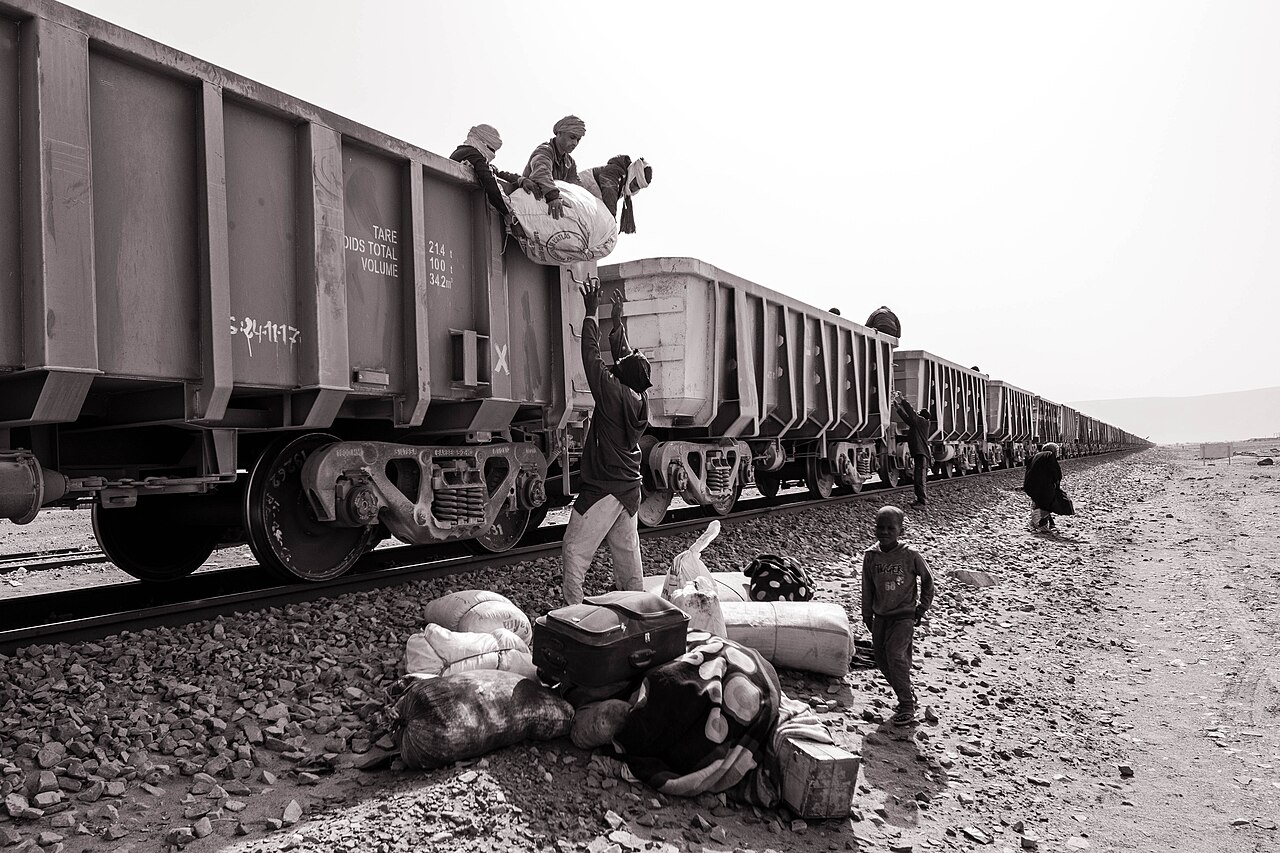
ECOWAS and the Currency Union: A Split, Then Talks
Leaving ECOWAS did not cut every tie. We could not confirm the three AES states’ current status in the West African Economic and Monetary Union (WAEMU, or UEMOA in French).
ECOWAS said on 29 January 2025 that it would keep the free-trade zone and visa-free movement for AES citizens “until further notice”, Ecofin reported. That decision kept ordinary trade and travel moving while politics cooled.
Senegal’s President Bassirou Diomaye Faye was elected chair of the ECOWAS Authority on 19 July 2026 and made a one-day working visit to Bamako on 28 July. AllAfrica reported that he told Goïta “nothing that could weaken Mali would come from Senegal” and urged dialogue, including on security along the Dakar–Bamako corridor.
Daily Trust reported a first ministerial meeting between ECOWAS and the AES in Dakar on 17 October 2026. It set up joint working groups to negotiate a cooperation deal on trade, movement of people and security, and no date was set for the next meeting.
Two other office holders are worth knowing. General Birame Diop of Senegal became ECOWAS Commission president around 31 August 2026, while the WAEMU Commission is led by a different Abdoulaye Diop, also Senegalese and not Mali’s foreign minister.
Neighbour by Neighbour
Algeria and Morocco
The rift with Algeria began on 31 March 2025, when Algeria shot down a Malian drone near Tinzaouaten, according to Hespress. Mali, Niger and Burkina Faso then recalled their ambassadors.
Mali filed a case at the International Court of Justice in September 2025, and the court said it could proceed only if Algeria accepted its jurisdiction, Asharq Al-Awsat reported. On 10 July 2026 the two countries announced they would restore ambassadors and reopen airspace after more than a year, according to AllAfrica, and we found no report that the case was withdrawn.
On 10 April 2026, Diop ended Mali’s recognition of the Sahrawi Arab Democratic Republic, the claim to independence for Western Sahara. AllAfrica reported that Mali now backs Morocco’s autonomy plan, and no source we reviewed links this move to the Algeria dispute.
Senegal, Guinea and Côte d’Ivoire
Seneweb reported on 7 May 2026 that about 20% or more of the goods passing through the Port of Dakar are bound for Mali. Fuel, food and construction materials flow to Mali, while Mali sends out cotton, livestock and gold.
In January 2026, Mali and Guinea signed transit agreements for an alternative route to the sea, AllAfrica reported. The aim is to reduce reliance on Dakar and Abidjan.
Financial Afrik reported that Côte d’Ivoire’s President Ouattara received Guinea’s General Mamadi Doumbouya on 13 September 2026. We found no specific 2026 report on Mali’s relations with Côte d’Ivoire.
Mauritania, Niger and Burkina Faso
UNHCR, the UN refugee agency, counted about 14,402 refugees identified in Hodh Chargui in Mauritania since the current influx began on 24 October 2025. Only 484 arrived in the three weeks to 21 May 2026, because of movement restrictions inside Mali.
With Niger, led by General Abdourahamane Tchiani, and Burkina Faso, led by Traoré, Mali’s ties run mainly through the AES. We found no separate bilateral facts beyond the bloc, so we do not describe them here.
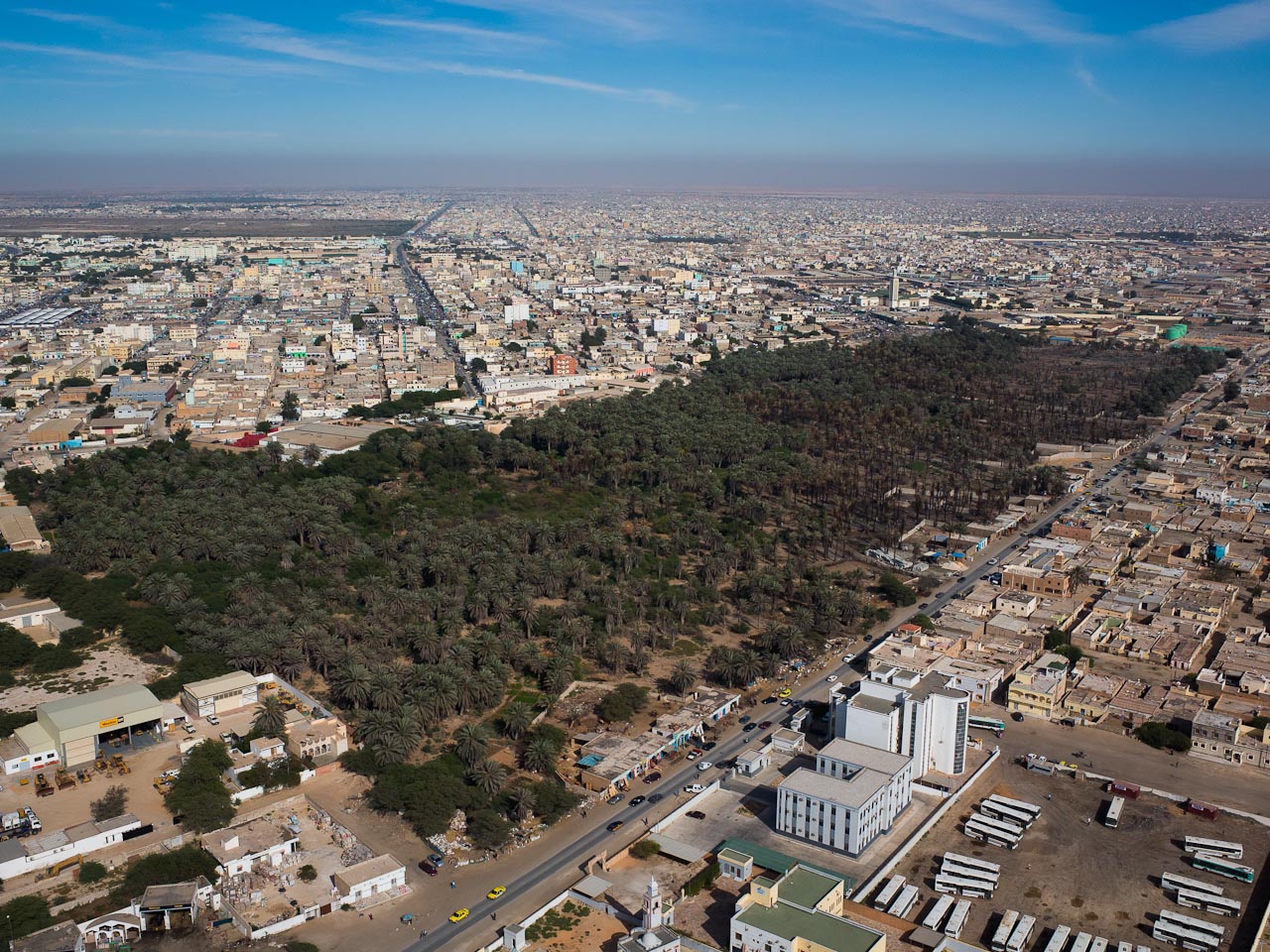
Security That Crosses Borders
Since 3 September 2025, the al-Qaeda-linked Jama’at Nusrat al-Islam wal-Muslimin (JNIM) has blockaded fuel from Senegal, Côte d’Ivoire and Guinea, burning more than 300 tankers. Escorted convoys reached Bamako from late October 2025, the blockade eased early in 2026, and it was reimposed in late April.
On 25 April 2026, JNIM and the Tuareg-led Azawad Liberation Front (FLA) attacked Bamako, Kati, Kidal, Gao, Mopti, Sévaré and Bourem, according to Al Jazeera. Russia’s Africa Corps withdrew from Kidal, Aguelhok, Tessalit and other northern posts between 27 April and 1 May, and Algeria reportedly mediated the Kidal withdrawal.
The army and Africa Corps re-entered Kidal on 6 October 2026 after the FLA left, according to Afrique Confidentielle and Studio Tamani. The FLA described its exit as a temporary withdrawal.
Fighting continued after the April offensive. The 2026 in Mali reference page lists attacks at Anéfis from 4 July, an ambush in Gao region that killed 50 or more soldiers and Africa Corps personnel, and an August garrison attack at San that killed about 40 militants and 10 soldiers.
Rails, Rivers and Gold
China Railway Construction Corporation (International) holds contracts to rebuild the 1,286 km Dakar–Bamako line, according to Railway Gazette. They are worth US$1.26bn on the Senegal side and US$1.47bn on the Mali side, and Ecofin reports the Dakar–Tambacounda section is about 90% rehabilitated.
In 2018 DP World, the port operator, signed a 20-year concession for a 1,000-hectare logistics hub outside Bamako. If the line and hub both work, Mali gains a second route that does not depend only on trucks.
The Niger Basin Authority covers nine countries and a 4,200 km river, according to Renewable Energy World. Sélingué dam sits on the Sankarani in Mali, Taoussa (25 MW) is in Mali, and Fomi (about 102 MW) is in Guinea, though we could not confirm dates or status from primary sources.
Mali also belongs to the OMVS, the Senegal River basin body, which Faye and Goïta discussed in Bamako. The river carries risk as well: a ferry disaster on the Niger in Timbuktu region in January 2026 killed 38 or more people.
Gold accounts for close to 80% of Mali’s exports, according to the IMF. Barrick and Mali reached an agreement in November 2025 to reopen the Loulo-Gounkoto mine, near the Senegal border on the Falémé River.
The Numbers That Matter
The table gathers the main figures with their owners and dates. Growth forecasts predate the April 2026 attacks and the renewed blockade, so they may prove too high.
| Indicator | Figure | Owner and period |
|---|---|---|
| Mali GDP growth forecast | 5.5% for 2026, from 4.9% in 2025 | IMF, via Bloomberg, December 2025 |
| WAEMU-wide growth forecast | 6.1% for 2026 | BCEAO, via Financial Afrik, September 2026 |
| Mali consumer prices | Up 1.0% year on year | INSTAT, April 2026 |
| WAEMU-wide inflation | 1.2% in July, 1.7% in August 2026 | BCEAO, via Financial Afrik, September 2026 |
| Main policy rate | 3.00%, unchanged | BCEAO, 9 September 2026 |
| Gold share of exports | About 80% | Mining.com |
| Dakar–Bamako rail contracts | US$1.26bn (Senegal), US$1.47bn (Mali) | Railway Gazette |
| Malian refugees in Hodh Chargui | About 14,400 | UNHCR, 21 May 2026 |
The Banque Centrale des États de l’Afrique de l’Ouest (BCEAO) is the common central bank for WAEMU, so Mali sets no monetary policy of its own. Its committee is expected to meet again in December 2026, though the date is unconfirmed.
What It Means for Foreigners, and What to Watch
A visa is required and must be obtained in advance at a Malian embassy or consulate, and we found no e-visa. Third-party sites quote fees of about US$100, US$131 and US$165, so check the embassy’s own schedule.
In October 2025, Mali imposed a US$10,000 bond on US citizens, in reciprocity for a US bond list, according to buch-dein-visum.de. The US later removed Mali from that list, and we found no announcement that Mali ended its own bond.
The US State Department rates Mali Level 4, Do Not Travel, according to search summaries of its advisory. Investors should note that fuel, rail and port plans all run through neighbouring territory, so a blockade or a border dispute reaches Bamako quickly.
Several dates are worth tracking. Traoré’s year as AES chair ends in December 2026, the BCEAO committee meets in December, and INSTAT, the national statistics office, publishes prices around the 10th of each month.
The open questions are whether ECOWAS and the AES set a date for their next round, whether the Algeria thaw holds, and whether the Dakar–Bamako corridor stays open. A conservative reading is that cooperation on trade is advancing faster than cooperation on security.
Related reading: Idrissa Gueye Explained 2026: From Everton to Saudi Club Diriyah; Central African Republic Explained, a Fragile Peace in 2026; Chad Explained, the Landlocked Central African Power in 2026; more from Africa.
Frequently Asked Questions
Which countries are Mali’s closest partners?
Burkina Faso and Niger, which form the Alliance of Sahel States with Mali. Bamako is the bloc’s capital, and Burkina Faso’s Captain Ibrahim Traoré has chaired it since December 2025.
Is Mali still in ECOWAS?
No. Mali, Burkina Faso and Niger left ECOWAS in January 2025. ECOWAS and the AES held a first ministerial meeting in Dakar on 17 October 2026 to prepare a cooperation deal.
Why did Mali and Algeria fall out?
The rift began when Algeria shot down a Malian drone near Tinzaouaten on 31 March 2025, according to Hespress. On 10 July 2026 the two countries announced they would restore ambassadors and reopen airspace after more than a year.
How does Mali get its fuel and goods?
Mostly by road through Senegal, Côte d’Ivoire and Guinea, with about 95% of fuel arriving that way. The Dakar–Bamako railway, a 1,286 km line being rebuilt, is meant to offer another route.
How many Malian refugees are in Mauritania?
UNHCR counted about 14,402 refugees identified in Hodh Chargui since the current influx began on 24 October 2025. Only 484 arrived in the three weeks to 21 May 2026, because of movement restrictions inside Mali.
Do foreigners need a visa for Mali?
Yes, and it must be obtained in advance at a Malian embassy or consulate, as we found no e-visa. The US State Department rates Mali Level 4, Do Not Travel, so check current advice before planning a trip.
Sources: en.wikipedia.org, en.wikipedia.org, en.wikipedia.org, en.wikipedia.org, africanews.com, africanews.com. Retrieved 2 November 2026.
This article was produced by The Rio Times’ automated newsroom system. How we use AI · Report an error · Editorial responsibility: Matthias Camenzind, Editor-in-Chief