Healthcare in the Bahamas 2026 — What Expats Pay and What NHI Covers
GUIDES · CARIBBEAN
Key Facts
- —What it is A public hospital system, a private sector, and National Health Insurance covering primary care only.
- —Who it’s for Citizens and legal residents holding a National Insurance Board smart card may enrol in NHI.
- —What it costs NHI primary care is free at the point of care, while private care is paid up front.
- —Why it matters The scheme excludes hospital care, so serious illness lands on your insurance or your savings.
- —The catch Complex cases can need air evacuation to Florida, which costs tens of thousands of dollars.
Healthcare in the Bahamas is strongest in Nassau and thinnest on the Family Islands, and your insurance decides which version you get.
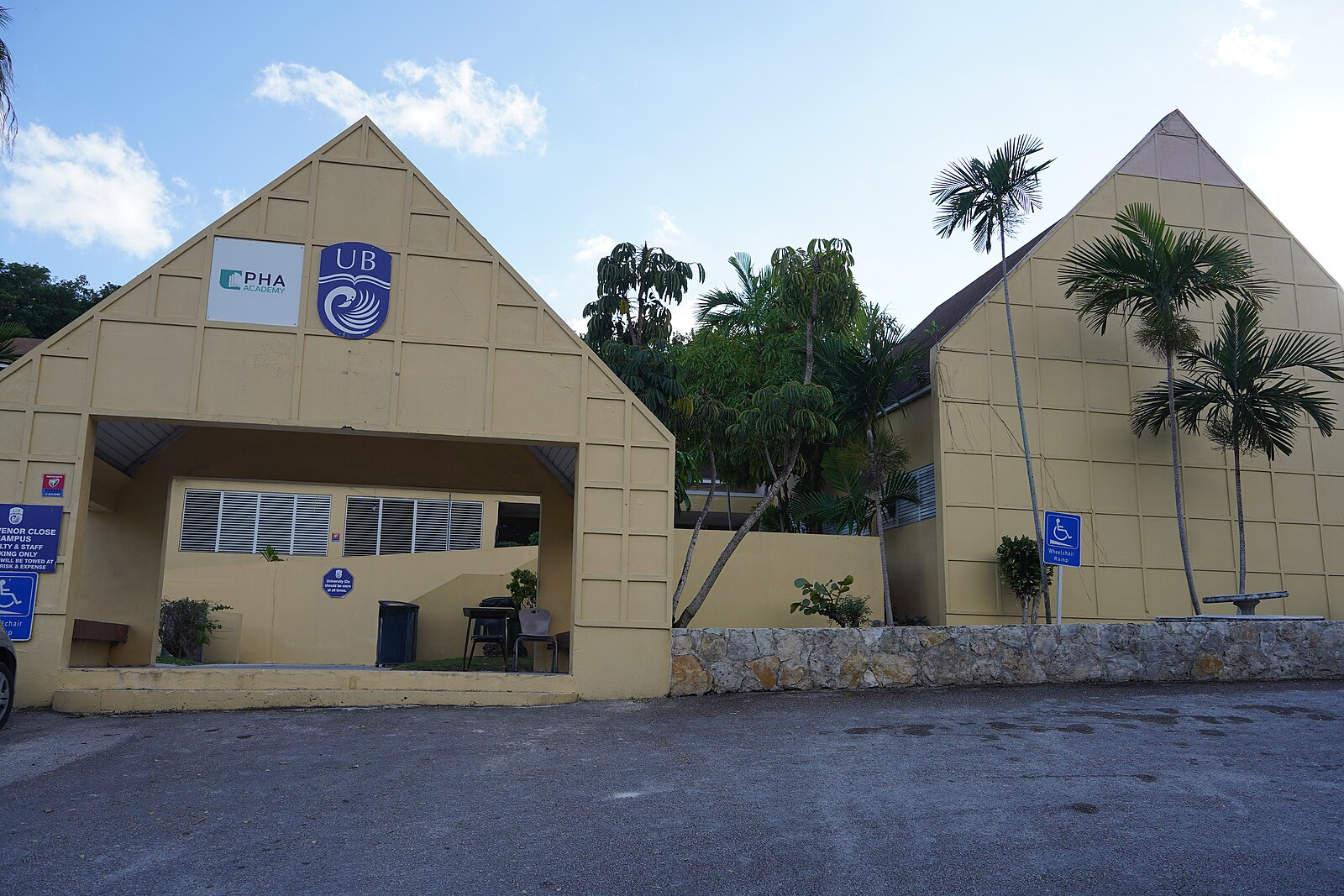
Healthcare in the Bahamas runs on two tracks — a public system for residents and a private one that bills you directly. The National Health Insurance scheme covers primary care only, so private insurance still decides what serious treatment you can reach.
Two Systems Sharing One Small Country
The Bahamas splits healthcare between a public service and a substantial private sector. Both are concentrated in Nassau, with Grand Bahama a distant second.
The public side is split in two. The Public Hospitals Authority, established in 1998, runs the hospitals, while the Department of Public Health runs the clinics.
The government lists about ten public clinics on New Providence and more than fifty across the other islands. That network handles routine care, not surgery.
Private care sits on top of that base. Doctors Hospital in Nassau describes itself as the only privately owned hospital in the country with international accreditation.
For most foreign residents, healthcare in the Bahamas means private clinics for daily care and public hospitals for emergencies. Cover, not geography, decides which door opens first.
National Health Insurance and Who Can Enrol
The one public healthcare entitlement open to foreigners in the Bahamas is the National Health Insurance scheme. It admits citizens and legal residents who hold a National Insurance Board smart card.
Visitors fall outside both categories. Short stays rely on travel insurance instead.
Holding the card is not the same as being enrolled. You submit an application, choose a primary care doctor from the network, and wait for confirmation.
The authority quotes ten business days for that confirmation. Enrolment costs nothing, and the scheme is funded from general government revenue rather than member premiums.
What you get is primary care. Covered services include doctor visits, screening, some laboratory tests and prenatal care, at no cost at the point of care.
What you do not get is the expensive half of medicine. The published package excludes hospital stays, surgery, emergency care, scans such as MRI, and pharmacy.
Dental treatment, vision, physiotherapy, oncology and childbirth also sit outside the package. So does any care you receive outside the country.
A draft National Health Insurance Bill is out for public consultation. It would require private insurers to match a standard health benefit and make the authority the insurer of last resort.
Public Hospitals in Nassau and Grand Bahama
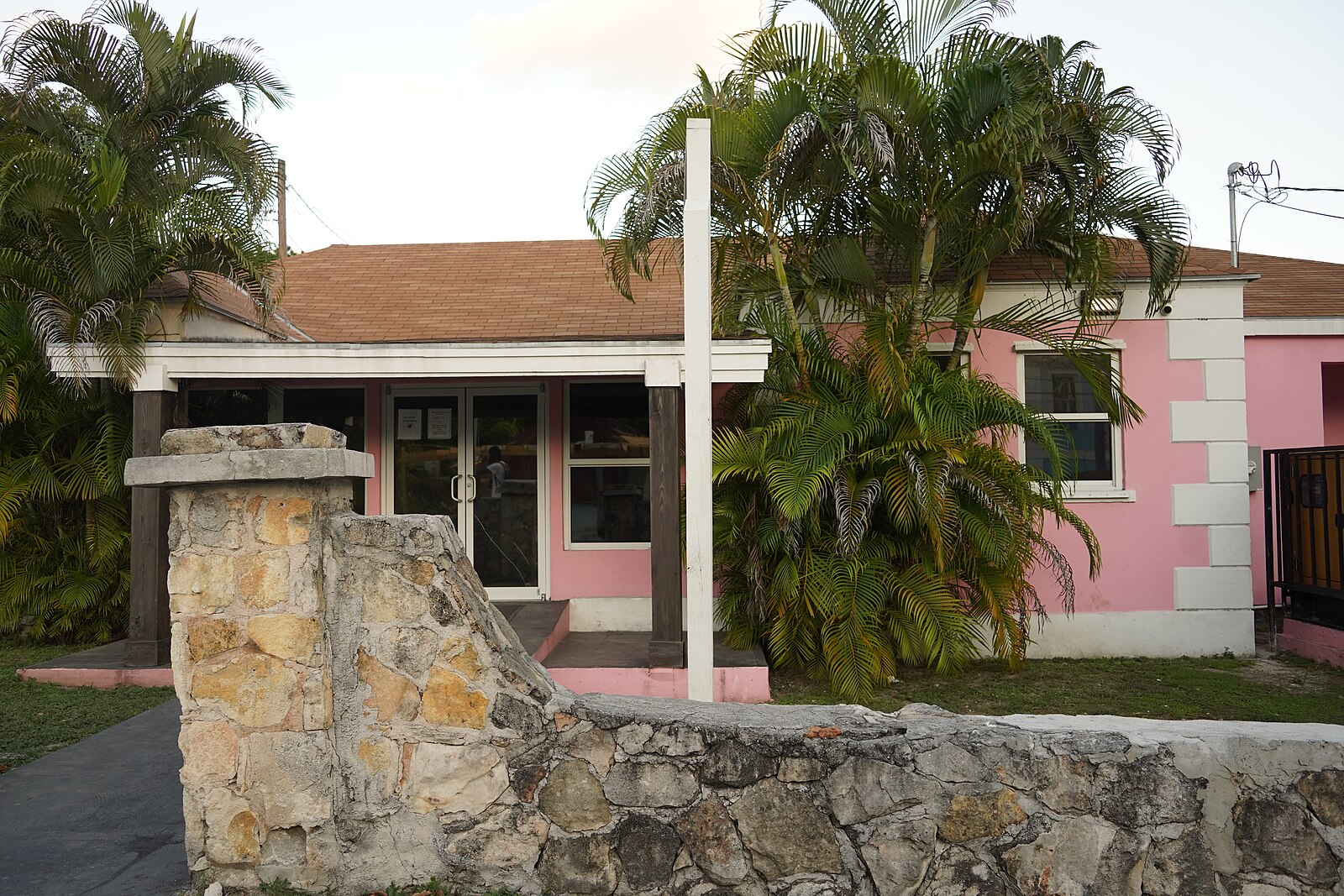
The Public Hospitals Authority manages three government hospitals. Princess Margaret Hospital and Sandilands Rehabilitation Centre are in Nassau, and Rand Memorial Hospital is in Freeport.
Princess Margaret is the national referral point. The government calls it an acute care hospital providing primary, secondary and tertiary care, and the trauma centre for the country.
The same authority also runs the national emergency medical service, the national drug agency and central supply. One organisation therefore carries hospitals, ambulances and medicines.
Grand Bahama is served by Rand Memorial. The authority commissioned two modular units there in August 2024, adding a fifteen-bed unit and a rehabilitation space.
The Bahamas concentrates public hospital healthcare on those two islands. Everywhere else the public presence is a clinic or a health centre, and serious cases move to Nassau.
Princess Margaret is officially described as treating patients without discrimination or regard to ability to pay. It does not publish a price list for foreign patients.
What Healthcare in the Bahamas Costs Without Insurance
There is no published national tariff for healthcare in the Bahamas. Neither the hospitals authority nor the government posts a general fee schedule for patients.
The currency question at least is simple. The Bahamian dollar trades one to one with the US dollar, at 23 September 2026 exchange rates.
A price quoted locally is therefore a US dollar price. That removes the exchange-rate guesswork and makes comparison with Florida bills straightforward.
Value added tax reaches private bills. The standard rate is ten percent, and private medical services are generally taxable, while free care to public patients is exempt.
Some relief exists on supplies. Since 1 September 2025 a reduced five percent rate has applied to selected medical supplies under an amendment to the tax act.
The United States State Department warns that hospitalisation or evacuation can cost tens of thousands of dollars up front. Its country page also states that United States Medicare does not apply abroad.
For a foreign resident the practical rule is blunt. Expect to pay at the point of service in private care, and expect a hospital to ask who is covering the bill.
Private Insurance and What to Check Before You Sign
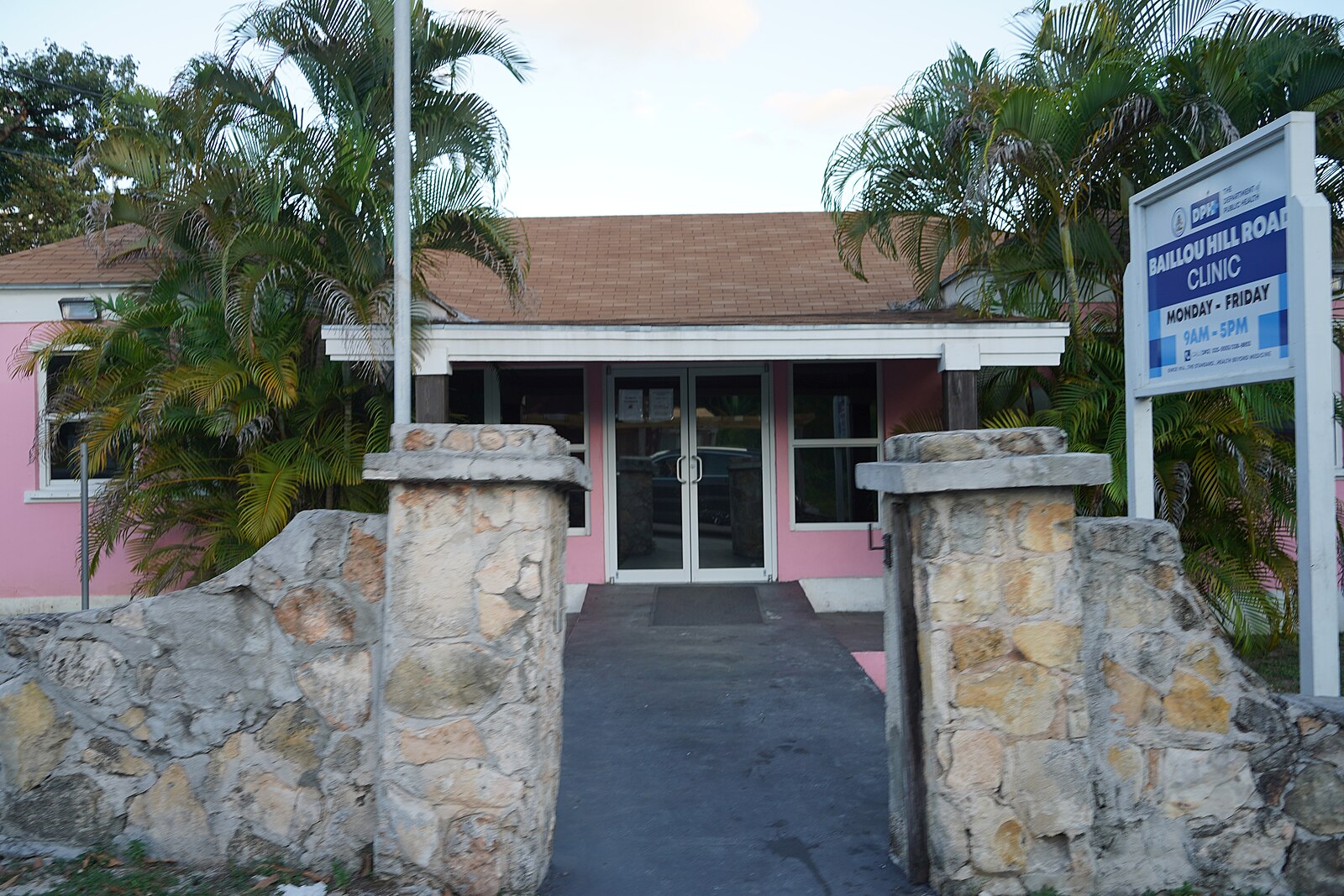
Private insurance is the real healthcare system for most foreign residents in the Bahamas. The public scheme covers the cheap end of medicine, not the expensive end.
Check the network first. Ask in writing whether the plan pays providers directly in Nassau and Freeport, including the private hospital you would actually use.
Check evacuation second. A policy that excludes air ambulance leaves you exposed to precisely the cost the State Department describes.
Check the annual limit third. Treatment in Florida is billed in US dollars, and a low ceiling can be spent inside a single hospital admission.
Employer cover, where it exists, usually ends with the job. A personal policy follows you between employers, islands and countries.
Immigration rules do not close this gap for you. A permit to reside asks for a medical certificate and evidence of financial support, not proof of health insurance.
That leaves the decision entirely with you. Nobody at the border will tell you that your policy has no evacuation clause.
Evacuation to Florida and the Family Islands Reality
The State Department states plainly that serious illness or injury may not be treatable locally. That single sentence explains the evacuation habit.
Its country page adds that the outer islands have only small clinics and limited care. Ambulance services exist on the major islands, where traffic can still slow them.
Florida is the default destination because it is close and well equipped. No authority publishes a tariff for the flight, and price follows aircraft, crew and distance.
The official warning is about order of magnitude rather than a quoted fare. Hospitalisation or evacuation to the United States can cost tens of thousands of dollars before treatment starts.
On the Family Islands the nearest clinic may be the only medical facility. Routine care is local, while scans, specialists and inpatient care mean a flight.
The emergency numbers are 911 and 919. The police force lists both for police and for ambulance, and 919 for fire.
Pharmacies, Storms and How the Bahamas Compares
Medicines sit outside the public healthcare package in the Bahamas. A separate national prescription drug plan covers listed chronic illnesses for defined groups, free of charge to them.
The plan names pensioners, citizens aged sixty five and over, students under twenty five, and several public service and public assistance groups. Employed and self-employed people are listed for later phases.
Fourteen chronic conditions are on that list, from diabetes and hypertension to asthma and certain cancers. Everything else is an ordinary pharmacy purchase.
The Atlantic hurricane season runs from 1 June to 30 November and peaks around 10 September. Storms close clinics, delay shipments and interrupt transfers between islands.
That season is the practical reason to keep a medication buffer. A repeat prescription is worth collecting before a storm warning, not during one.
Against its neighbours the country sits in the middle. Barbados gives free hospital treatment to citizens and permanent residents, and may charge everyone else.
Turks and Caicos makes residents contribute to a national plan that can fund approved treatment abroad. The Bahamian scheme stops at primary care, which is the gap you insure.
The direction of travel is toward wider cover, since the draft bill would push private insurers to a common minimum. Nothing in it removes the need for hospital and evacuation cover today.
The honest summary is that healthcare in the Bahamas rewards planning and punishes improvisation. Routine care is easy to arrange, and the rare expensive event is the one to insure.
Connected Coverage
Bahamas Visa and Residency 2026 — Entry, Permits, Property and Tax
Cost of Living Nassau Bahamas 2026: Where the Bills Bite Hardest
Bahamas Has No Income Tax, but a 10% Value-Added Tax Applies
What Is Not Known
The authority does not publish how many people are enrolled in the scheme or how many doctors are in its network. Enrolment figures quoted in commercial guides are not official.
No public fee schedule exists for public hospital treatment of foreign patients. What a non-resident is billed at Princess Margaret Hospital is not published anywhere.
Air ambulance prices to Florida are not published by any authority. Quotes vary with aircraft type, medical crew, distance and the hour of the call.
The draft National Health Insurance Bill was still out for consultation when this guide was checked. Whether it becomes law, and in what form, is not yet known.
Sources: Checked against the National Health Insurance Authority, the Public Hospitals Authority and the Government of The Bahamas, the Royal Bahamas Police Force, the Department of Inland Revenue, the National Prescription Drug Plan and the United States State Department.
- nhibahamas.gov.bs
- nhibahamas.gov.bs
- bahamas.gov.bs
- travel.state.gov
- bahamas.gov.bs
- royalbahamaspolice.org
- inlandrevenue.finance.gov.bs
- nibdrugplan.com
Frequently Asked Questions
Can expats enrol in National Health Insurance in the Bahamas?
Enrolment is open to citizens and legal residents who hold a National Insurance Board smart card. Holding the card is not enough on its own, because you must also apply and choose a primary care doctor. The authority quotes ten business days for confirmation.
What does National Health Insurance cover in the Bahamas?
It covers primary care, including doctor visits, screening, some laboratory tests and prenatal care, at no cost at the point of care. It excludes hospital stays, surgery, emergency care, scans, pharmacy, dental treatment and any care outside the country. That exclusion list is why private insurance still matters.
Do you pay up front for healthcare in the Bahamas?
In private care, expect to pay at the point of service, and expect a hospital to ask who is covering the bill. There is no published national fee schedule, so ask for written prices first. Value added tax at ten percent generally applies to private medical services.
When are patients evacuated from the Bahamas to Florida?
Evacuation happens when the treatment needed is not available locally, which the State Department warns can be the case for serious illness or injury. Florida is the default destination because it is close and well equipped. No authority publishes a price, but the official warning is tens of thousands of dollars up front.
What is the emergency number in the Bahamas?
The emergency numbers are 911 and 919, and the police force lists both for police and for ambulance. The number 919 is also listed for fire. Ambulance services operate on the major islands, and advanced response is thinner on the Family Islands.
This article was produced by The Rio Times’ automated newsroom system. How we use AI · Report an error
Read More from The Rio Times