Bahamas Visa and Residency 2026 — Entry, Permits, Property and Tax
GUIDES · CARIBBEAN
Key Facts
- —What it is a permit system where entry, residence and the right to work are three separate approvals.
- —Who it’s for retirees, property owners, self-funded people and employees sponsored by a Bahamian employer.
- —What it costs from US$200 in processing fees to US$20,000 or more for a residence certificate.
- —Why it matters no income tax and no capital gains tax, but high import-driven living costs.
- —The catch residence does not bring citizenship, and almost no route includes the right to work.
Bahamas visa and residency rules reward planning: entry is easy for many passports, but every long stay runs on a purpose-built permit.
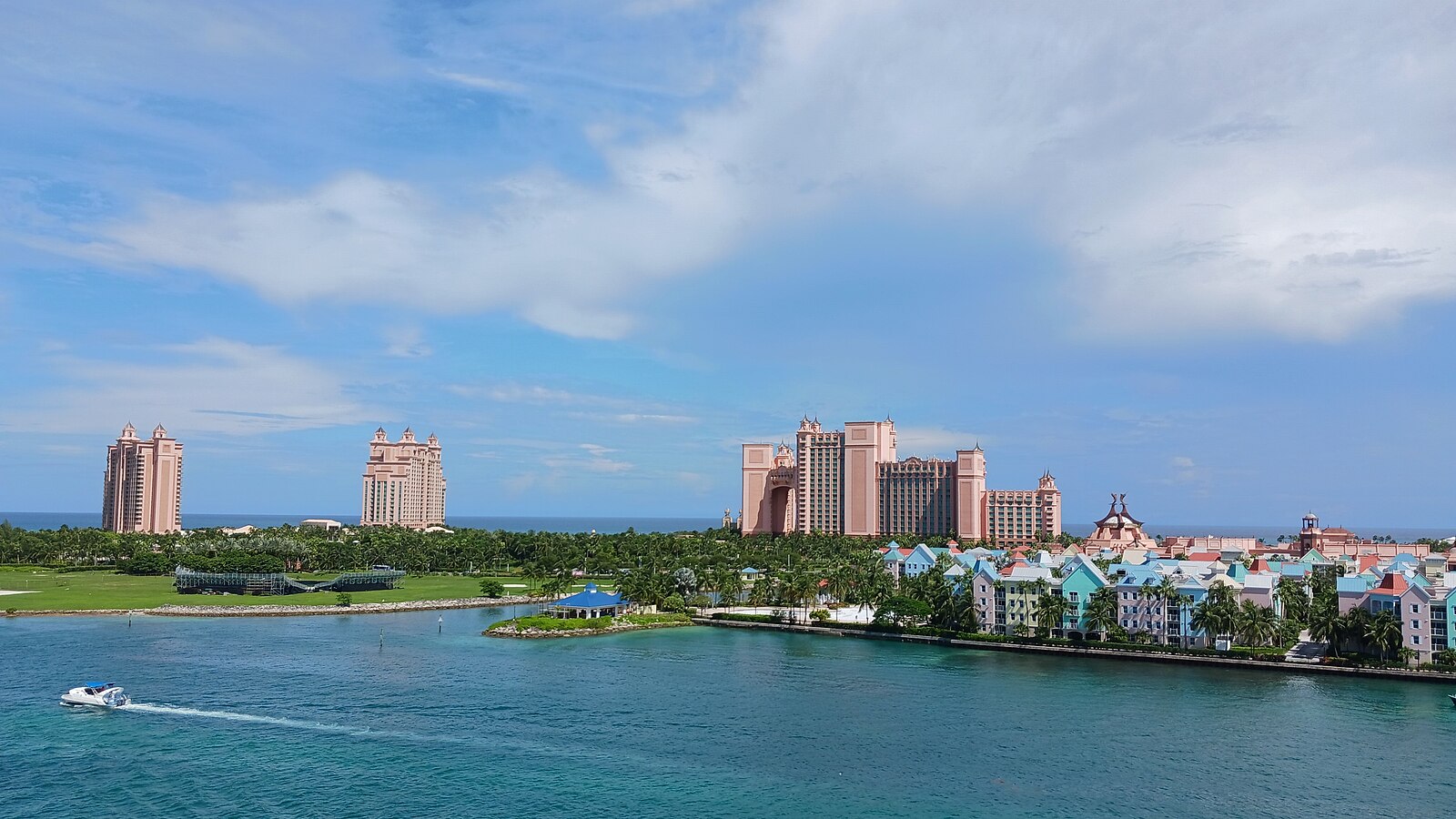
Bahamas visa and residency rules in 2026 are generous at the border and strict beyond it. Many nationalities enter the Bahamas without a visa, yet living, owning and working each need a separate permit.
Bahamas visa and residency in 2026: how the system is built
Bahamas visa and residency questions almost always come down to one distinction. Entry, the right to live here and the right to work are three separate approvals.
A tourist stamp is not a residence permit, and a residence permit is not a work permit.
For anyone planning a life here, that structure sets both the budget and the timetable. Savings make the path simple, while plans that depend on local earnings make it complex.
The Bahamian dollar is pegged at one to the US dollar. Fees therefore read the same in both currencies, at 21 September 2026 exchange rates.
The direction of travel is steady rather than dramatic. Fees have risen and investment thresholds have tightened, while the welcome for visitors has stayed broad.
Entry first: what a visitor stay allows
The country grants visa-free entry to citizens of many nations, including the United States, Canada and the United Kingdom. Permitted lengths differ by nationality, so check the Department of Immigration list before you book.
The department states that visitors may remain for a maximum period of eight months. The actual stay written into your passport depends on the immigration officer at the port of entry.
Expect to show a passport, a return or onward ticket and evidence of enough money to support yourself.
Visitors may not take up any form of gainful occupation. That single rule explains most of the trouble foreigners run into here.
Bahamas visa and residency work as two separate systems. A visitor stamp does not convert into a residence permit, so you apply for the permit you actually need.
Remote work and the BEATS question
The Bahamas Extended Access Travel Stay, or BEATS, let remote workers and students live here for a year. Its official site still describes the permit and links to the immigration portal.
That site sets the permit at twelve months from issue, with renewals considered up to three years. Published fees are US$1,000 plus a US$25 application fee for a professional.
The status of the scheme is the real problem. Independent trackers report that BEATS was halted in January 2022 and cannot confirm any formal reinstatement.
No current public notice settles the question either way. Treat the published terms as historical and confirm availability with the department before planning around them.
The annual residence permit for retirees and people of independent means
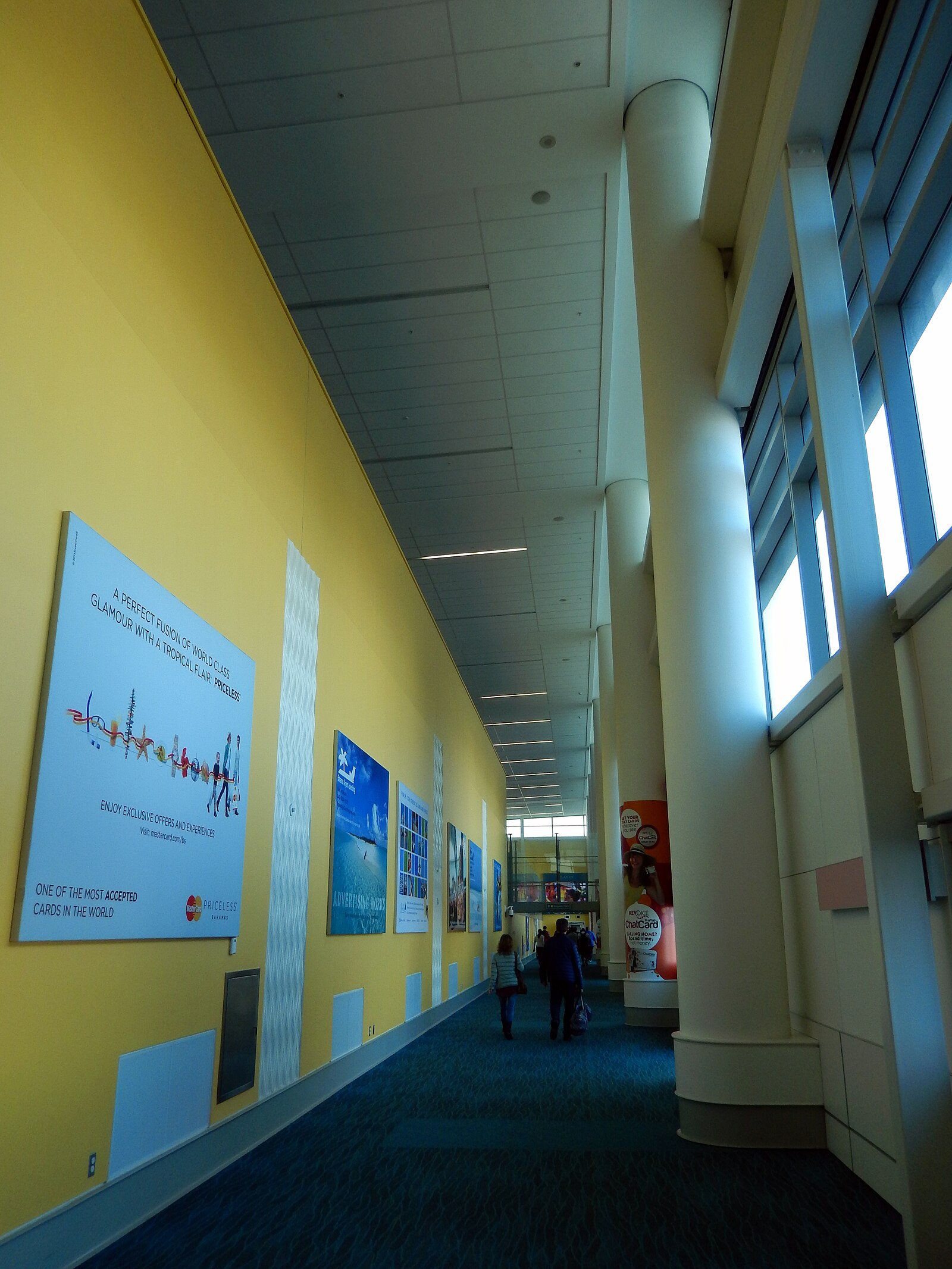
For retirees, Bahamas visa and residency planning starts with the Permit to Reside. This annual residence permit is the standard route for living here without working.
The published fee scale sets 3,000 Bahamian dollars (US$3,000) a year for the main applicant. Each dependent pays 300 Bahamian dollars (US$300) a year.
Retired people who held work permits for twenty years or more pay 250 Bahamian dollars (US$250).
Documents include a letter to the Director of Immigration and a medical certificate no older than thirty days. A police certificate covering five years, issued within the past six months, is also required.
Character references, bank or accountant letters and passport photographs complete the file. The department asks applicants to allow eight to twelve weeks before requesting an update.
The home-owner’s card and the property route
Any non-Bahamian who owns property here may apply for a home owners resident card. It is a travel convenience rather than a grant of residence, and approval is not automatic.
Government guidance lists a non-refundable processing fee of 100 Bahamian dollars (US$100), plus 500 Bahamian dollars (US$500) on approval.
The card does not appear on the department’s current published fee scale. Confirm the figure with Immigration before you apply, because the pages do not agree.
Holders, their spouse and endorsed minor children travelling with them may enter and remain for the life of the card. Guidance describes stays of up to one year, renewed each year.
The separate investment route is economic permanent residence. Since 1 January 2025 it requires a qualifying investment of at least one million Bahamian dollars (US$1 million), held for ten years.
Law firm guidance describes accelerated consideration where the purchase exceeds 1.5 million Bahamian dollars (US$1.5 million). Do not confuse the card with the certificate — they are different things.
Permanent residence, with and without the right to work
In Bahamas visa and residency terms, permanent residence is a certificate rather than a stamp. It does not by itself allow you to work, so most holders need separate authorisation.
The published fee for a standard permanent residence certificate is 15,000 Bahamian dollars (US$15,000). Spouses of citizens and long-resident permit holders pay less, on a scale starting at 1,000 Bahamian dollars (US$1,000).
Economic permanent residence carries its own certificate fees. They are 20,000 Bahamian dollars (US$20,000) without business rights and 25,000 Bahamian dollars (US$25,000) with them.
The right to work in your own company is applied for separately and decided by the National Economic Council.
A 2026 amendment to the Nationality Act added one more door. Someone refused citizenship may now apply for a residence certificate on payment of 500 Bahamian dollars (US$500), subject to conditions.
Work permits, the labour certificate and the 2026 changes
A work permit is tied to an employer, who applies and pays for it. Foreign nationals cannot simply buy one for themselves.
The department is explicit that labour certificates and newspaper advertisements are key to judging the prospects of qualified Bahamians. Most positions require both documents.
Top-level roles in fee Scale 1, plus owners’ representatives and consultants in Scale 2, are exempt from that step. Since 1 September 2025, Scale 8 applications need a valid labour certificate every two years.
Fees rise with the seniority of the post. The 2026 fee regulations lifted the Scale 1 annual work visa to 16,275 Bahamian dollars (US$16,275).
A separate 2026 amendment created a trusted traveller route for short business visits. It lets listed professionals enter for up to three days without a work permit.
That route covers board meetings and business events only. It is not a back door into paid local work.
Documents, fees and timelines
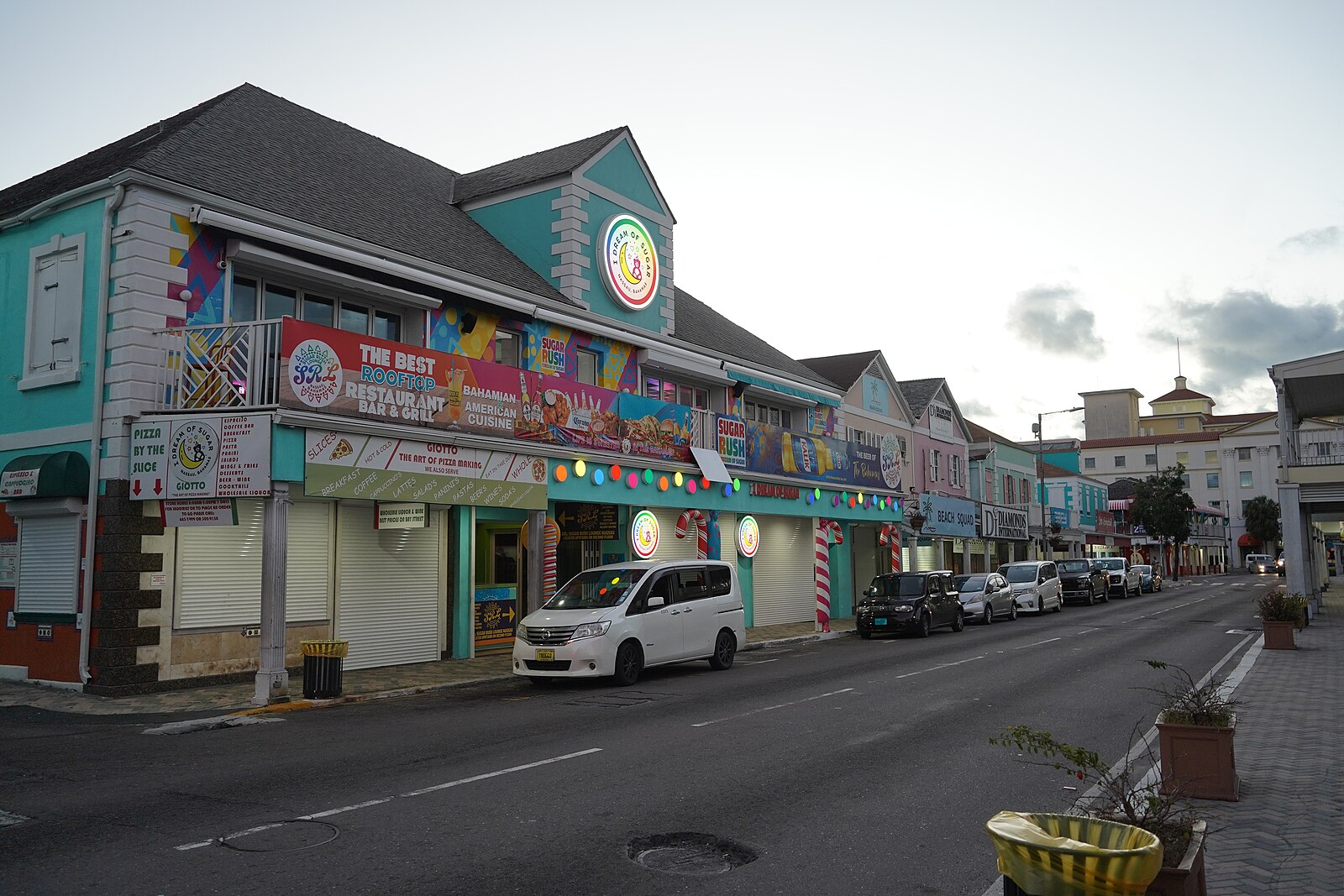
The same document set recurs across nearly every Bahamas visa and residency application. Expect a police certificate, a medical certificate, character references, bank or accountant letters and passport photographs.
Property-linked applications add a recorded conveyance and proof that property tax has been paid. Economic residence applications add evidence of the qualifying investment and the ten-year commitment.
Processing fees are modest beside the certificate fees. The standard charge is 200 Bahamian dollars (US$200), with 400 Bahamian dollars (US$400) for expedited handling in fourteen business days.
Published timelines are guidance, not guarantees. The department asks residence and work permit applicants to wait eight to twelve weeks before chasing an answer.
Apply early and keep certified copies of everything. A lapsed permit costs far more to repair than to prevent.
Tax is light, but the cost of living is not
Bahamas visa and residency decisions often turn on tax, and there is currently no personal income tax. There are also no capital gains, inheritance, estate, gift or net wealth taxes.
The state raises money through consumption and property instead. Value added tax stands at 10%, with a reduced 5% rate on medical and hygiene products.
Since 1 April 2026, unprepared foods sold in food stores have been exempt from value added tax.
Real property tax on owner-occupied homes exempts the first US$300,000 of assessed value. The next US$200,000 is taxed at 0.625%, and value above US$500,000 at 1%.
National insurance applies to covered employment. Employers pay 6.65% and employees 4.65%, while the self-employed pay 10.3%, all capped at weekly pay of 830 Bahamian dollars (US$830).
Most of what a household buys arrives by ship, so duty and freight are built into shelf prices. Light taxation and cheap living are not the same thing in Nassau.
On 18 September 2026 a cabinet minister said draft legislation for a tax residency certificate was ready. Under the plan, ninety days in the country in a calendar year would make a person eligible.
Parliament has not passed that bill, so nothing in it binds anyone today.
Common mistakes that cost time and money
The biggest Bahamas visa and residency mistake is working on a visitor stamp. Visitors may not take up gainful occupation, and the rule does not bend because the employer sits abroad.
The second mistake is treating residence as permission to work. Almost every route separates the two, and the work side moves more slowly.
The third is assuming that years of residence turn into citizenship. Permanent residence does not confer it, although some residents may later apply to naturalise.
The fourth is leaving renewal to the last month. Published timelines are estimates, and an expired permit creates problems that no fee fixes quickly.
How the Bahamas compares with Barbados and the Cayman Islands
Barbados runs an open remote-work route. Its Welcome Stamp lasts twelve months and costs US$2,000 for an individual, or US$3,000 for a family.
Applicants must expect to earn at least US$50,000 during that year. This country has no equivalent route that is confirmed open in 2026.
The Cayman Islands sell residence rather than market it. A certificate for persons of independent means on Grand Cayman needs one million Cayman Islands dollars (about US$1.22 million) invested.
At least half of that must sit in developed property, and the certificate runs for twenty-five years. Cayman also levies no income tax, so the contrast is one of price and process.
For most readers the Bahamas visa and residency choice comes down to proximity and property. It is the easiest of the three to visit and the least certain for remote workers.
Connected Coverage
Cost of Living Nassau Bahamas 2026: Where the Bills Bite Hardest
Frequently Asked Questions
Frequently Asked Questions
Can I work remotely from the Bahamas on a visitor stamp?
Visitors may not take up any form of gainful occupation in the country. Whether remote work for a foreign employer counts is not settled in published guidance. Ask the Department of Immigration before you rely on it.
Is the BEATS remote-work permit open in 2026?
The official BEATS site still describes a twelve-month permit costing US$1,000 plus a US$25 application fee. Independent trackers report the scheme was halted in January 2022 and cannot confirm any formal reinstatement. Confirm current availability with the Department of Immigration before planning around it.
How much does the annual residence permit cost in 2026?
The published immigration fee scale sets 3,000 Bahamian dollars (US$3,000) a year for the main applicant. Each dependent pays 300 Bahamian dollars (US$300) a year. A non-refundable processing fee of 200 Bahamian dollars (US$200) applies as well.
What investment does economic permanent residence require?
Since 1 January 2025 the minimum qualifying investment is one million Bahamian dollars (US$1 million). It must be held for at least ten years, or the status can be revoked. The certificate costs 20,000 Bahamian dollars (US$20,000) without business rights and 25,000 Bahamian dollars (US$25,000) with them.
Do residents of the Bahamas pay income tax?
There is currently no personal income tax, capital gains tax or inheritance tax in the country. Residents pay value added tax at 10%, real property tax and, in covered employment, national insurance contributions. A tax residency certificate was proposed in September 2026 but has not been enacted.
Sources: Figures come from the Department of Immigration entry, fee and permit pages, the Department of Inland Revenue, the Ministry of Foreign Affairs service pages, the official BEATS site, PwC tax summaries, Fragomen and Higgs & Johnson immigration notes, and The Tribune.
- immigration.gov.bs
- immigration.gov.bs
- immigration.gov.bs
- immigration.gov.bs
- immigration.gov.bs
- inlandrevenue.finance.gov.bs
- mofa.gov.bs
- taxsummaries.pwc.com
This article was produced by The Rio Times’ automated newsroom system. How we use AI · Report an error
Read More from The Rio Times