Buying Property in the Bahamas for Foreign Buyers in 2026
Guides · Bahamas
—The rule. Foreigners may buy freehold homes and condominiums. A single-family purchase is registered with the Investments Board, not approved in advance.
—The five-acre line. Undeveloped land giving a foreign buyer five or more contiguous acres, and any commercial purchase, needs a discretionary permit.
—The cost. Transfers to foreign buyers carry 10 per cent VAT, customarily split with the seller, plus legal fees of about 2.5 per cent plus VAT.
—The residency. Since 1 January 2025, economic permanent residence requires at least US$1 million in property or Central Bank bonds, held for ten years.
—The catch. Foreign-owned vacant land is taxed at 2 per cent a year, and understating the price can bring a penalty of up to the full unpaid tax, or forfeiture.
Foreigners can own Bahamian homes outright, and most purchases need only a registration. The real costs are a flat 10 per cent transfer tax and the carrying charges that follow.
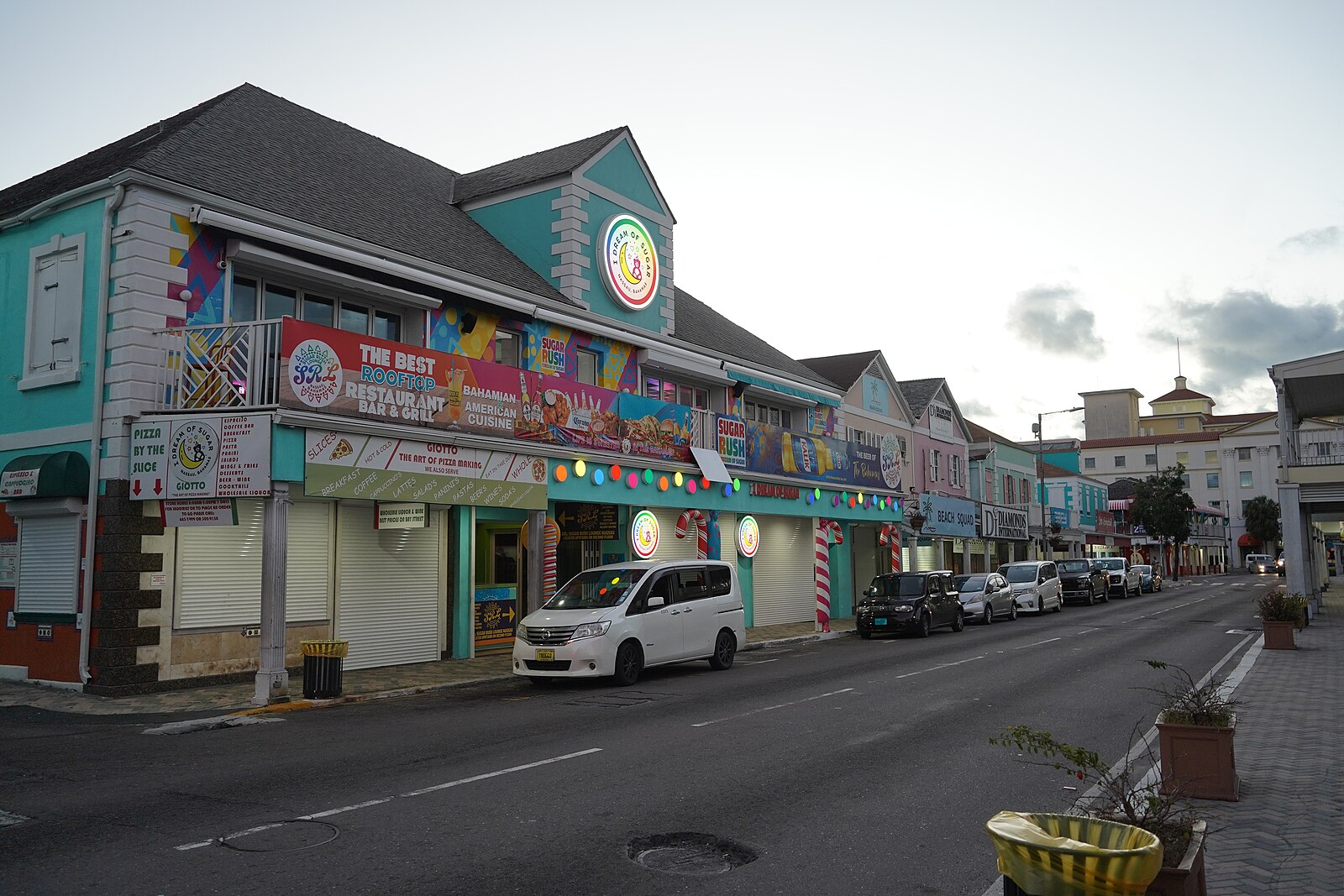
Buying property in the Bahamas as a foreigner is legally open and, for an ordinary home, procedurally light. The friction sits in three places: a registration step, a flat 10 per cent transfer tax and a title search built on recorded deeds.
This guide sets out the rules as of September 2026. The Bahamian dollar is pegged at par to the US dollar by the Central Bank of The Bahamas, so every figure here is given in US dollars.
What the law lets a foreigner own
The governing statute is the International Persons Landholding Act of 1993, known as the IPLA. It took effect on 1 January 1994 and repealed a stricter law that required approval before most foreign purchases.
Foreigners may hold freehold land, including waterfront lots, without citizenship or residence. The Act regulates how a purchase is recorded and approved, not who may buy a home.
The Act defines a non-Bahamian widely. It covers any person who is not a citizen, any company formed abroad, and any Bahamian company in which a non-citizen owns even one share.
Buying through a company therefore does not take a purchase outside the Act. Holding structures still matter for succession planning, which is a question for a Bahamian attorney.
Registration or permit: the five-acre line
Section 3 of the Act covers the ordinary case. A non-Bahamian buying a condominium, a house to use as a single-family home, or land to build one on applies to register the purchase.
Registration is made with the Secretary to the Investments Board, who issues a certificate of registration. It is an administrative filing rather than a discretionary approval, and the buyer’s attorney normally handles it.
The exception is size. If the property is undeveloped land and the purchase would make the buyer the holder of five or more contiguous acres, registration is not available.
Section 4 then applies, as it does to anything outside the single-family description, such as commercial property or a development site. Those purchases need a permit, which the Board may grant or refuse in its absolute discretion.
Skipping the step is costly. A purchase that needed a permit and lacked one is null and void, although the buyer may recover the price less legitimate deductions.
A conveyance recorded without its certificate or permit is also void for recording purposes. If the use stated in a permit changes later, the owner must apply to vary it or the permit ceases to be valid.
Permanent residents and people who inherit Bahamian land register their holdings too, but need no permit. Some marketing guides quote a two-acre threshold; the statute says five contiguous acres of undeveloped land.
Who runs the process
The Investments Board is chaired by the Prime Minister and includes other ministers he appoints. Its day-to-day work is done by the Bahamas Investment Authority (BIA), which operates from the Office of the Prime Minister.
The government describes the BIA as a one-stop shop and the administrative arm of the National Economic Council and the Investments Board. Permit applications for larger or commercial projects go through it.
Money runs through a second channel. Under exchange control rules applied by the Central Bank, a non-resident who buys real property must register the investment and obtain Approved Investment Status.
That status guarantees that sale proceeds and rental income can be sent abroad on application. Non-residents are not normally allowed to borrow Bahamian dollars, so any local borrowing is generally arranged in foreign currency.
The 10 per cent transfer tax
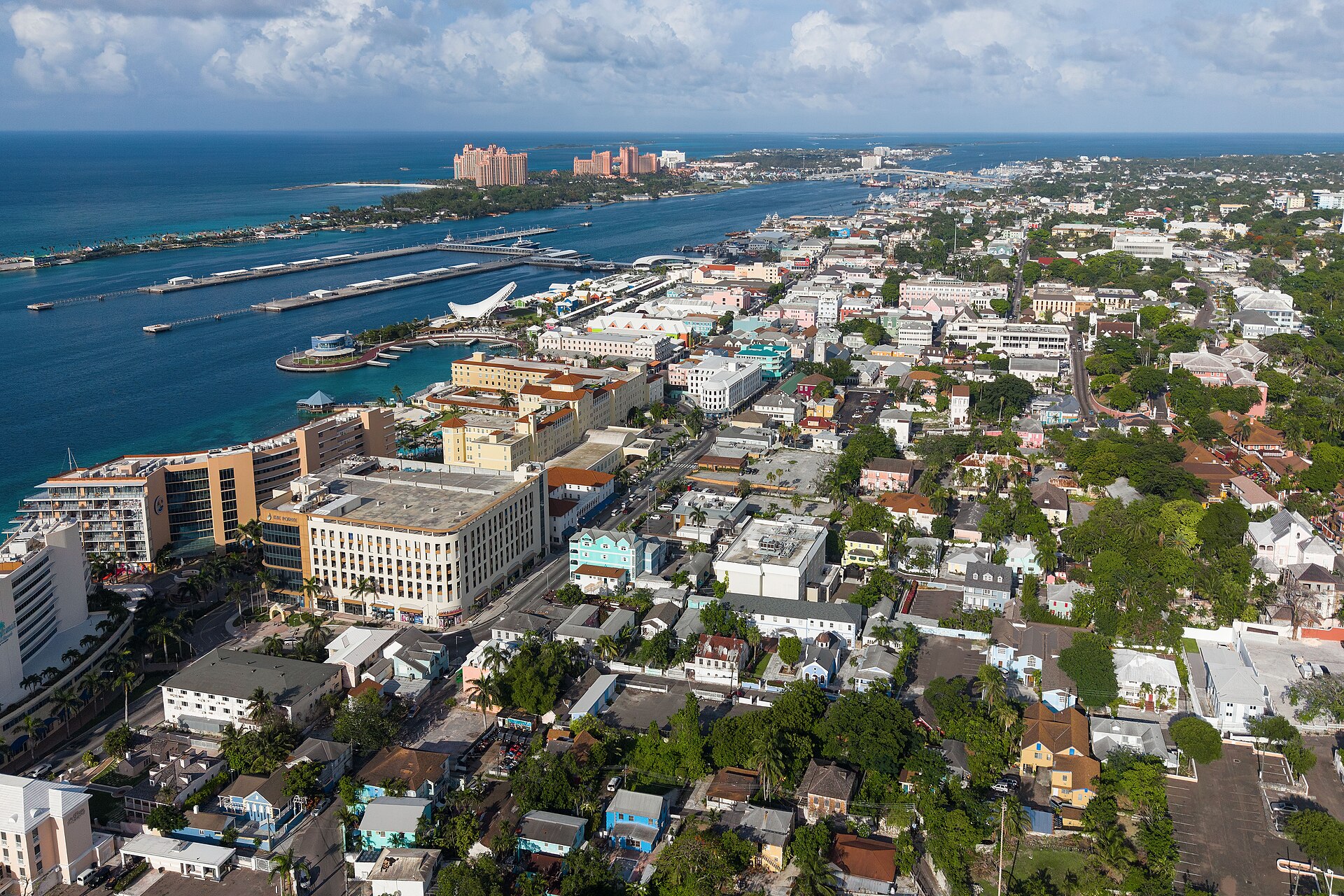
The largest closing cost is value added tax (VAT) on the conveyance, which has replaced stamp duty on most land transfers. Since 1 July 2023 a transfer of real property to a foreign person is charged at a flat 10 per cent, whatever the price.
Bahamian individuals pay a sliding scale from 2.5 per cent to 10 per cent, rising with value. The IPLA’s old promise that foreigners pay the same stamp duty as Bahamians does not extend to this VAT charge.
A foreign person, for this purpose, is anyone who is neither a citizen nor a permanent resident with the right to work. Companies with any non-Bahamian ownership also pay the flat rate.
By custom the tax is split equally between buyer and seller, though contracts can say otherwise. In a net sale the buyer bears all closing costs, so the wording of the agreement matters.
The Comptroller of VAT may assess the tax on the higher of the price and an appraisal. A mortgage attracts a further 1 per cent of the loan amount.
Enforcement has tightened. Since 1 July 2025 the seller must declare each conveyance to the Comptroller within 30 days of signing. Where an estate agent is involved the agent files it, and a missed filing makes agent and seller jointly liable for 3 per cent of the price.
Understating the value brings a penalty of the greater of US$1,000 and 25 to 100 per cent of the tax left unreported. Where more than half the tax was unreported, the Comptroller may ask the Supreme Court to order the property forfeited.
Late stamping or payment carries a fine of 10 per cent of the tax, rising to 15 per cent after six months on properties above US$300,000. IPLA approvals are also treated as rescinded if the VAT stays unpaid for 18 months.
Unpaid VAT on a property transfer also bears interest at the prime rate plus 1 per cent, about 5.25 per cent, from 21 days after it falls due. Inland Revenue announced in September 2026 that it will start charging this interest in early October, counting from the date the conveyance is signed.
The rest of the closing bill
For anyone buying property in the Bahamas, the attorney is the next cost. Buyer and seller each pay their own. Fees commonly run at about 2.5 per cent of the price, and VAT at 10 per cent is added to the fee.
The seller normally pays the estate agent’s commission. Standard rates published by agents are 6 per cent on developed property and 10 per cent on vacant land, plus VAT.
Take a house bought by a foreign individual for US$800,000 on a gross basis, with VAT split. The buyer’s half of the VAT is US$40,000, and legal fees of about US$20,000 carry US$2,000 of VAT.
That puts the buyer’s core costs near US$62,000, or about 7.75 per cent, before surveys, insurance and filing fees. On a net basis the buyer also carries the seller’s half of the VAT, lifting the total to at least US$102,000.
Title, searches and timing
When buying property in the Bahamas, title is proved through recorded deeds, so the search is the core of the transaction. The buyer’s attorney traces the chain of documents, raises requisitions on any gaps and gives a legal opinion on title.
The sequence starts with an agreement for sale and a deposit, often 10 per cent, held by an attorney. Then come the title search, requisitions, regulatory filings and completion, when funds move and the deed is signed.
After completion the VAT is paid, the conveyance is stamped and it is recorded at the Registry of Records with the IPLA certificate. A Nassau law firm puts the whole process at three to six months.
The VAT department will not stamp a conveyance until all real property tax owed on the land is paid. Arrears therefore surface at closing, and the contract should say who clears them.
Real property tax after purchase
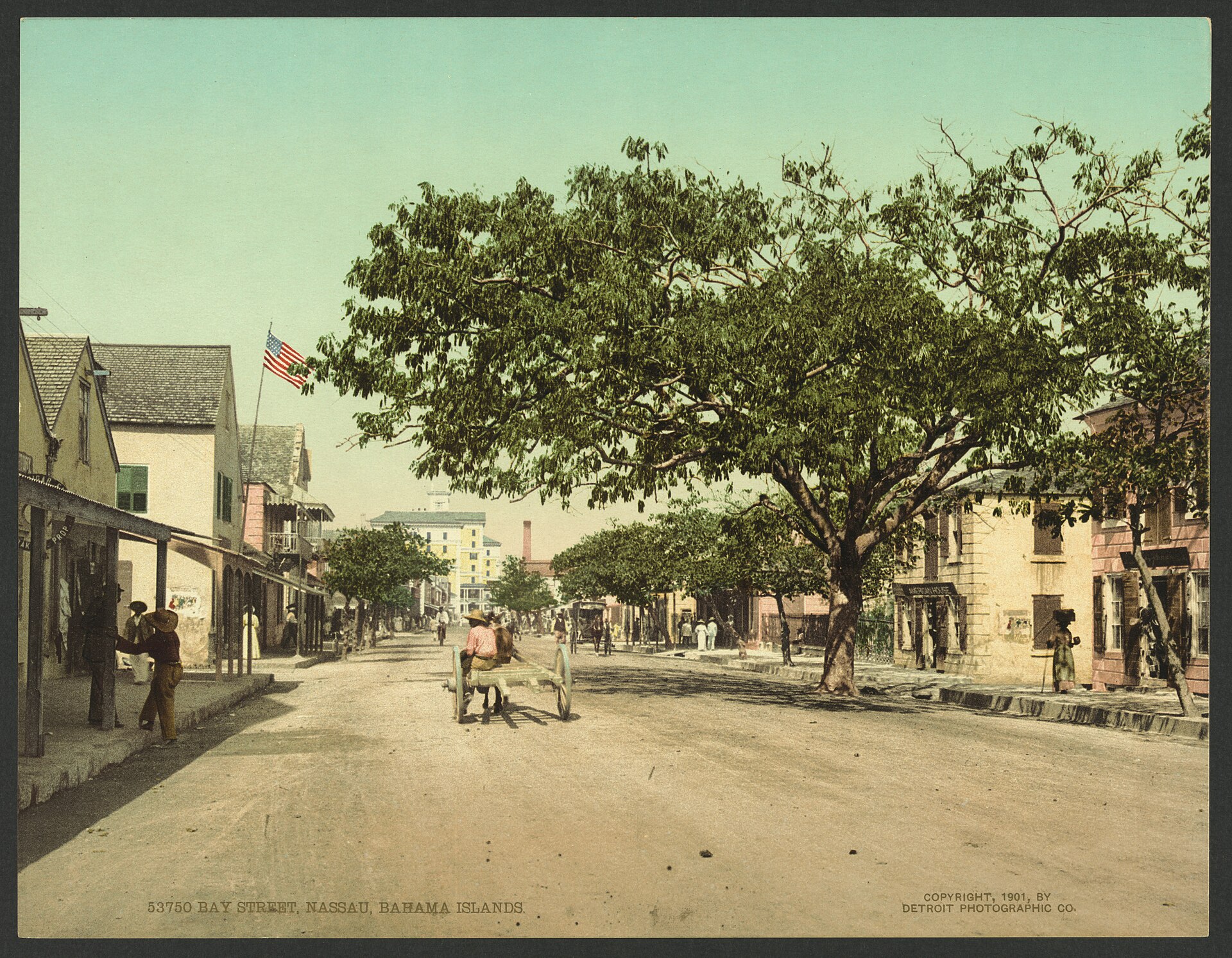
Ownership brings an annual real property tax, assessed by the Department of Inland Revenue and due by 31 March. Paying in full by that date earns a 10 per cent discount, and a 5 per cent surcharge applies to bills unpaid at 31 December.
The Real Property Tax (Amendment) Bill, 2026, tabled with the 2026-27 budget and written to take effect on 1 July 2026, reshapes the rules for foreign owners. It creates a class of foreign-owned owner-occupied property taxed at a flat 0.625 per cent of full assessed value, capped at US$200,000 a year.
According to the finance minister’s budget statement, the test for the new class is whether the home is used as a residence. That replaces the former test of 180 days a year in the country.
The same bill limits the ordinary owner-occupied class, with its tax-free first US$300,000 of value, to Bahamians and permanent residents. Estate agents asked for changes while it was before Parliament, and Inland Revenue’s online rate guide dates from 2023. Ask the department in writing how your home is classed, because the category drives the bill.
Foreign-owned rental and commercial property pays 0.75 per cent up to US$500,000, 1 per cent on the next US$1.5 million and 1.5 per cent above. Vacant land owned by foreigners pays a flat US$100 on the first US$7,000 of value and 2 per cent on the rest.
The vacant-land rate is the one that surprises buyers of lots. A foreign-owned lot valued at US$400,000 would owe roughly US$8,000 a year until a house is built on it.
Residency through property
Owning a home does not by itself confer residence. It does open three routes, each a separate application to the Department of Immigration.
The first is the Home Owner Resident Permit, issued under the IPLA to owners of a habitable Bahamian home who keep a primary home abroad. It carries a US$200 processing fee and needs the recorded conveyance, the IPLA certificate and a paid property-tax receipt.
The second is the annual Permit to Reside, which costs US$3,000 a year for the main applicant. The third is economic permanent residence, a certificate issued for life unless revoked.
Since 1 January 2025 the economic route requires an investment of at least US$1 million, up from US$750,000. The asset must be Bahamian real estate or zero-coupon bonds issued by the Central Bank, held for at least ten years.
The change came through the Immigration (Amendment) (No. 2) Act, 2024. It also excluded property received by deed of gift and requires the property-tax assessment number as proof of the investment.
On approval the certificate costs US$20,000 without the right to work, or US$25,000 with the right to work in one’s own business. A permanent resident with the right to work falls outside the VAT definition of a foreign person, which changes the rate on later purchases.
What this means for your plans
For a house or condominium on a normal lot, buying property in the Bahamas as a foreigner is a registration exercise rather than an approval process. The time goes into the attorney’s title search, not into waiting for the government.
The money goes into the 10 per cent VAT, so read who pays it before signing. On a gross sale a foreign buyer should plan for core closing costs of 7 to 8 per cent, and about 13 per cent on a net sale.
Anyone buying raw land should count the acres and the carrying cost. Five contiguous acres triggers a discretionary permit, and foreign-owned vacant land is taxed at 2 per cent a year above a small base.
Agree with your attorney, before signing, who pays any interest if the VAT is not settled within 21 days of the conveyance. Closings that wait on a mortgage lender or on documents signed abroad can overrun that window.
Anyone buying partly for residence should decide early whether the US$1 million economic route fits. Property received by gift does not count, and the asset must stay in place for a decade.
Finally, register the investment with the Central Bank at the start. Approved Investment Status is what lets sale proceeds and rent leave the country later without dispute.
More: Latin America coverage from The Rio Times.
Sources: International Persons Landholding Act, 1993 (official text), Government of The Bahamas on the Bahamas Investment Authority, Value Added Tax (Amendment) Act, 2023 on the 10 per cent rate for foreign persons, Value Added Tax (Amendment) (No. 2) Act, 2025 on declarations and penalties, Value Added Tax (Amendment) Act, 2024 on late-stamping fines, Department of Inland Revenue on real property tax rates, Real Property Tax (Amendment) Bill, 2026, Central Bank of The Bahamas on Approved Investment Status, Fragomen on the higher economic permanent residence threshold (November 2024), Department of Immigration on economic permanent residence, Department of Immigration fee scale, Tribune Business on the new foreign owner-occupied property tax class, Tribune Business on interest on late property VAT
This article was produced by The Rio Times’ automated newsroom system. How we use AI · Report an error
Read More from The Rio Times