
BAHAMAS · ROYAL VISIT
Key Facts
- The country Island nation off Florida’s coast whose head of state is King Charles III, acting through a Governor-General.
- Why it matters The King’s first official visit in 53 years renewed calls for an apology and reparations for slavery.
- Why now The King left on Thursday 29 October, ending a three-day visit that began on Tuesday 27 October.
- What happened A national reparations committee judged his words on past injustices too weak and wants a formal apology.
- What it means for you The business chamber cites downtown closures, and the apology debate heads to the Commonwealth summit.
In Plain English
The Bahamas governs itself but keeps the King as head of state, with Governor-General Dame Cynthia Pratt acting for him. It became independent from Britain on 10 July 1973, and the then Prince Charles represented Queen Elizabeth II at the ceremony.
The Commonwealth is a group of countries, most of them former British territories, and the King is its head. Its leaders meet about every two years at a summit called CHOGM, and reparations are payments or other steps meant to repair the harm done by slavery and colonial rule.
King Charles III left The Bahamas on Thursday 29 October after his first official visit as monarch, and a national reparations committee says his acknowledgment of slavery fell short of the formal apology it wants. The visit began on Tuesday 27 October and was the first official visit by the King to the islands in 53 years.
For readers in the United States, the story is mainly about the Caribbean, because a close neighbor of Florida faces calls from some citizens for an apology from its former colonial power and for debt relief. The local business chamber says some downtown firms closed for up to three days, but no change to entry rules for American travelers has been announced.
What Happened During the Visit
The King arrived at Lynden Pindling International Airport on Tuesday 27 October, where Governor-General Dame Cynthia Pratt and Prime Minister Philip Davis welcomed him. He then went to Clifford Park, the park where independence was marked on 10 July 1973, for a youth rally.
On Wednesday 28 October he laid a wreath at the HMBS Flamingo memorial at the Royal Bahamas Defence Force base at Coral Harbour, visited the Bahamas Boxing Academy and planted a tree at Bonefish Pond National Park. He also took part in a cultural festival with Junkanoo, a street parade of costumes and brass music, at Parliament and Rawson Squares in downtown Nassau.
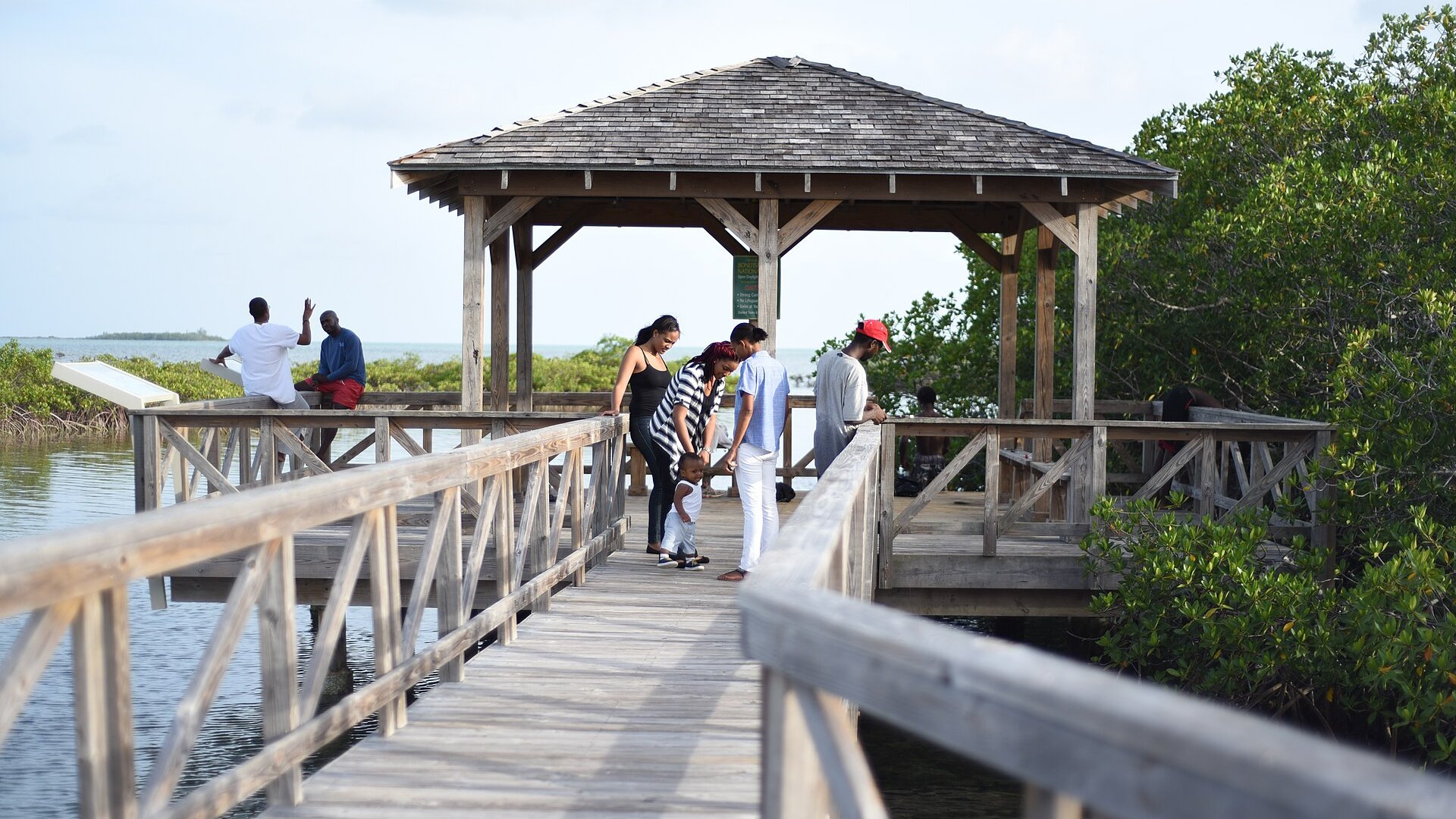
The program also listed a garden reception at Government House and audiences, and the King left on Thursday 29 October. The next stops on the nine-day Autumn Tour are Guyana and then Antigua and Barbuda, where the Commonwealth leaders meet from 1 to 4 November.
What the King Said
At the Clifford Park rally on 27 October the King said some of the best of Bahamian culture was “born out of darkness” and acknowledged “the great suffering and injustices of the past”. He said leaders of affected Commonwealth countries would discuss these matters in Antigua and Barbuda the following week, and he praised Junkanoo and encouraged young Bahamians to protect their environment.
The Reparations Response
The Bahamas National Reparations Committee criticized the speech within minutes, saying the darkness “did not just drop from the sky” and that the Royal Family and the British government were responsible. It called for “a full and formal apology”.
Committee chair Dr Niambi Hall Campbell-Dean later said the King “acknowledged, but he didn’t acknowledge that his family are the people responsible”, and she asked what the country had gained from the visit. She also named debt cancellation as one form of reparations, arguing that debt from storms the country did not cause should be wiped out.
Rastafarian activists protested opposite the Clifford Park entrance on Tuesday 27 October, calling for reparations and a formal apology, until police moved them on. Prime Minister Davis met Rastafarian representatives during the visit and, according to his office, promised to convey their concerns to the King.
Cost and Business Impact
The Bahamas Chamber of Commerce and Employers’ Confederation says some downtown businesses closed for between half a day and three days because notice of the road closures was too short. The Chamber says the lost revenue has not been estimated and that some firms may also have gained from the visit.
Foreign Affairs Minister Fred Mitchell said on Monday 26 October that the spending on the visit was appropriate and would not “break the bank”. No cost figure had been given by the time the King left.
What It Means for You
The visit brought no announced change to entry rules or services for American travelers, though some downtown businesses closed for up to three days at short notice. Americans who follow the Caribbean should watch the Commonwealth leaders’ meeting in Antigua and Barbuda from 1 to 4 November, where the King attends as head of the Commonwealth.
A Bahamian committee now wants a formal apology from the Royal Family and the British government, its chair asks for debt cancellation, and Rastafarian activists protested for reparations. For travelers and investors, the practical effect so far is limited to the short closures and the political debate.
What Is Not Known
The cost of the visit has not been published, and the Government has not said how much it spent on security and logistics. The revenue lost by downtown businesses is also unknown, because the Chamber has given no estimate.
No response from the Royal Household or the British government to the committee’s call for an apology has been published. It is also not known whether the Bahamian Government will take up the call for an apology or debt relief at the Commonwealth meeting.
Whether the visit will lead to new commitments on climate finance, conservation or youth programs in The Bahamas has not been announced. The number of people who attended the public events has not been given in official figures.
Frequently Asked Questions
Why did King Charles visit the Bahamas?
It was his first official visit as monarch and the first by the King in 53 years, the opening leg of a nine-day tour. As Prince Charles he represented his mother, Queen Elizabeth II, at the 1973 independence ceremony.
What did the King say about slavery in the Bahamas?
At Clifford Park on 27 October he said some of the best of Bahamian culture was “born out of darkness” and acknowledged “the great suffering and injustices of the past”. The reparations committee said that fell short of an apology.
What does the Bahamas reparations committee want?
It wants a full and formal apology from the Royal Family and the British government. Its chair, Dr Niambi Hall Campbell-Dean, also named debt cancellation as a form of reparations.
Did the royal visit disrupt travel to Nassau?
Some downtown businesses closed for up to three days during the visit, according to the local business chamber. No change to entry rules for American visitors has been announced.
Sources: Government of The Bahamas, King Charles III returns to The Bahamas after 53 years, 28 October 2026; Royal Household, The King and Queen will visit Antigua and Barbuda, and His Majesty will visit The Bahamas and Guyana, 2 October 2026; statements by the Bahamas National Reparations Committee and the Bahamas Chamber of Commerce and Employers’ Confederation, 28 and 29 October 2026.
This article was produced by The Rio Times’ automated newsroom system. How we use AI · Report an error · Editorial responsibility: Matthias Camenzind, Editor-in-Chief