Cost of Living Nassau Bahamas 2026: Where the Bills Bite Hardest
BAHAMAS · COST OF LIVING
Key Facts
- —What rent costs A one-bedroom in the centre averages about US$1,490 a month.
- —The inversion Outside the centre the same flat averages US$2,000, above the downtown figure.
- —The catch Utilities average US$397.50 a month, several times what the same bill costs in Central America.
- —What people earn The average net salary after tax is about US$3,356 a month.
- —What eating out costs An inexpensive restaurant meal averages US$38.75, close to six times the Antigua figure.
- —What comes next The data rests on 11 contributors, so every figure here is indicative.
Cost of living nassau bahamas is high in the way island economies are high. The electricity bill is where it shows.
Where This Fits
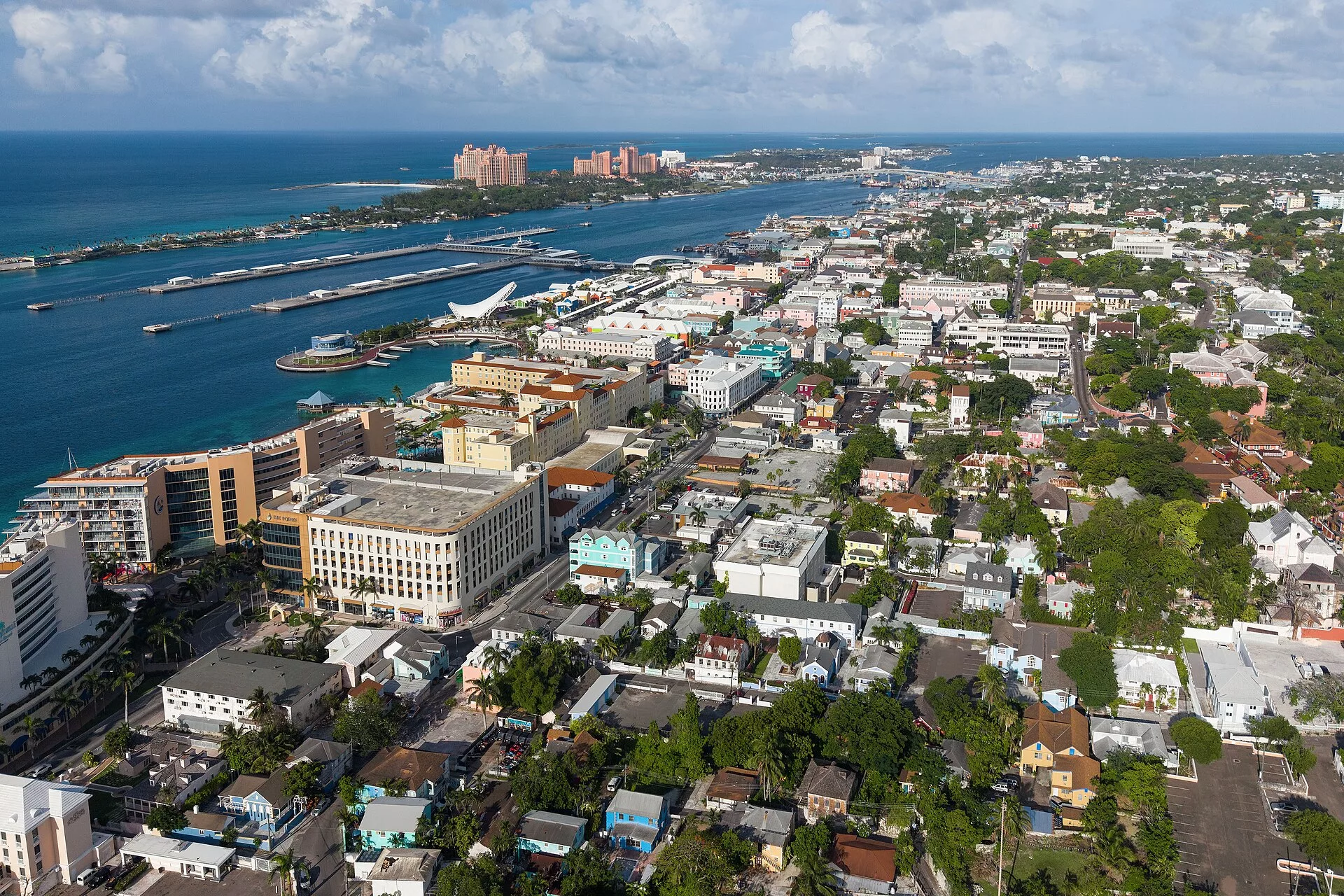
Cost of living nassau bahamas is the most expensive entry in this series of city guides. That is worth stating before any individual figure.
The Bahamas is an island economy that imports most of what it consumes. Prices reflect freight, duty and a small domestic market.
The headline that catches most newcomers is not rent. It is the monthly utility bill, which behaves unlike anywhere else covered here.
This guide separates the lines that are merely high from the one that is genuinely unusual.
The Currency Question Does Not Arise
The Bahamian dollar is held at parity with the United States dollar. One buys one.
For a foreign resident that removes exchange-rate risk from the budget entirely. Prices quoted locally are already in the currency most readers think in.
It also means the figures below need no conversion or dating against a rate. They are directly comparable with the dollar figures elsewhere in this series.
That is a genuine simplification. It is also the end of the good news on cost.
What Housing Costs, and the Inversion
A one-bedroom apartment in the city centre averages about US$1,490 a month. That is roughly double the Lima figure and three times the Curitiba one.
Outside the centre the same flat averages about US$2,000. That is the detail worth pausing on.
In almost every city, moving out of the middle lowers the rent. In Nassau the reported average moves the other way.
The explanation is what lies outside downtown on New Providence. Waterfront and gated developments sit away from the commercial centre, and they are not cheap housing.
So the usual strategy of trading location for space does not work here in the same form. The cheaper stock is downtown, not beyond it.
Anyone budgeting should treat neighbourhood rather than distance as the variable. The centre-and-outskirts framing borrowed from mainland cities misleads on this island.
The Utility Bill Is the Real Story
Basic utilities for a standard apartment average US$397.50 a month. That figure covers electricity, heating, water and rubbish.
Set it against the same line elsewhere in this series. Curitiba runs about US$99, and both Antigua Guatemala and Boquete sit near US$58.
Nassau therefore costs roughly four times the Brazilian figure and close to seven times the Central American ones. The gap is larger than the gap on rent.
The cause is structural rather than seasonal. Electricity on the islands is generated largely from imported fuel, and air conditioning runs most of the year.
For a household budget that single line is worth more attention than the choice between two flats. A US$300 monthly difference outweighs most rent negotiations.
It is also the line most often omitted from relocation estimates. Rent is advertised and power is discovered.
Eating and Everyday Prices
A meal at an inexpensive restaurant averages US$38.75. In Antigua Guatemala the same line is US$6.81, and in Boquete US$6.50.
That is close to a six-fold difference for the cheapest category of restaurant meal. It is not a comparison between fine dining and street food.
The mechanism is the same as for utilities. Food is largely imported, and the domestic market is too small to spread fixed costs.
For a resident this pushes cooking at home from a preference to an economy. The saving is proportionally far larger than in a mainland city.
It also changes how a visitor’s impression translates. Prices that feel like holiday prices are simply prices here.
Rent Against Wages
The average monthly net salary in Nassau is about US$3,356. That is the highest average wage in this series by a wide margin.
A central one-bedroom at US$1,490 takes about 44% of it. Adding the average utility bill brings housing and power to roughly 56% of the average net wage.
That is a heavy load, though not the extreme seen in the small towns covered earlier. In Antigua Guatemala and Boquete, central rent alone exceeds the average wage.
The Bahamas pays more and charges more, and the two move roughly together. That is a different structure from a town where foreign money has outrun local income.
For someone arriving on a foreign salary, the practical reading is that Nassau is expensive but not distorted. You are paying island prices in an economy that also pays island wages.
How Thin the Data Is
The figures here come from crowd-sourced reporting, and the Nassau base is small. It rests on 133 price entries from 11 different contributors.
The data was last updated on 19 June 2026. Eleven contributors is among the thinnest samples in this series.
That matters most for the rent inversion described above. A reported average built on few observations can be moved by a handful of expensive listings.
The utility and restaurant figures are more robust as a signal, because the gap to other cities is so large. An error of thirty percent would not change the conclusion.
The safest use of this page is directional. Nassau is expensive, power is the standout line, and the specific rent figures should be checked against current listings.
What We Could Not Price
Three items are not stated here because no reliable figure was available.
The first is property purchase prices, which the source did not carry for this city. The second is health cover, which varies by provider and age.
The third is the cost of shipping household goods to the island, which for a relocation is a one-off but substantial figure.
Each of those can exceed a year of the rent difference between two flats.
What Cost of Living Nassau Bahamas Comes Down To
Rent is high, and it is the number most people plan around. It is not the number that will surprise them.
The utility bill is the line that separates Nassau from every other city in this series. At about US$397.50 a month it is a second rent.
The second surprise is that moving out of the centre does not reliably save money. The cheaper housing is downtown.
Against that, wages are the highest recorded in this series. The ratio of rent to income is less punishing than in the small expat towns.
Read cost of living nassau bahamas as an import bill rather than a property market. What you pay for is distance from a mainland, and it shows up in the power bill first.
This article was produced by The Rio Times’ automated newsroom system. How we use AI · Report an error
Read More from The Rio Times