Ghana Diesel Margin Cut by US$0.13 to Cap Transport Costs
GHANA · ENERGY & COST OF LIVING
Key Facts
—The measure: a GH¢2 reduction in the regulatory margin on a litre of diesel, directed by President John Dramani Mahama.
—The window: one month, effective Tuesday 4 August 2026.
—Who announced it: Minister of State for Government Communications and presidential spokesperson Felix Kwakye Ofosu, in Accra on Monday 3 August 2026.
—Who implements it: the National Petroleum Authority, instructed to act immediately after Cabinet approval.
—Not the first: it is the second such reduction this year, after one in April.
—The stated aim: holding transport fares stable as international petroleum prices move.
Ghana has cut the diesel regulatory margin by GH¢2 a litre for one month from 4 August 2026, in an effort to keep transport fares stable. President John Dramani Mahama ordered the reduction and the National Petroleum Authority was told to implement it immediately, Graphic Online reported on 3 August 2026.
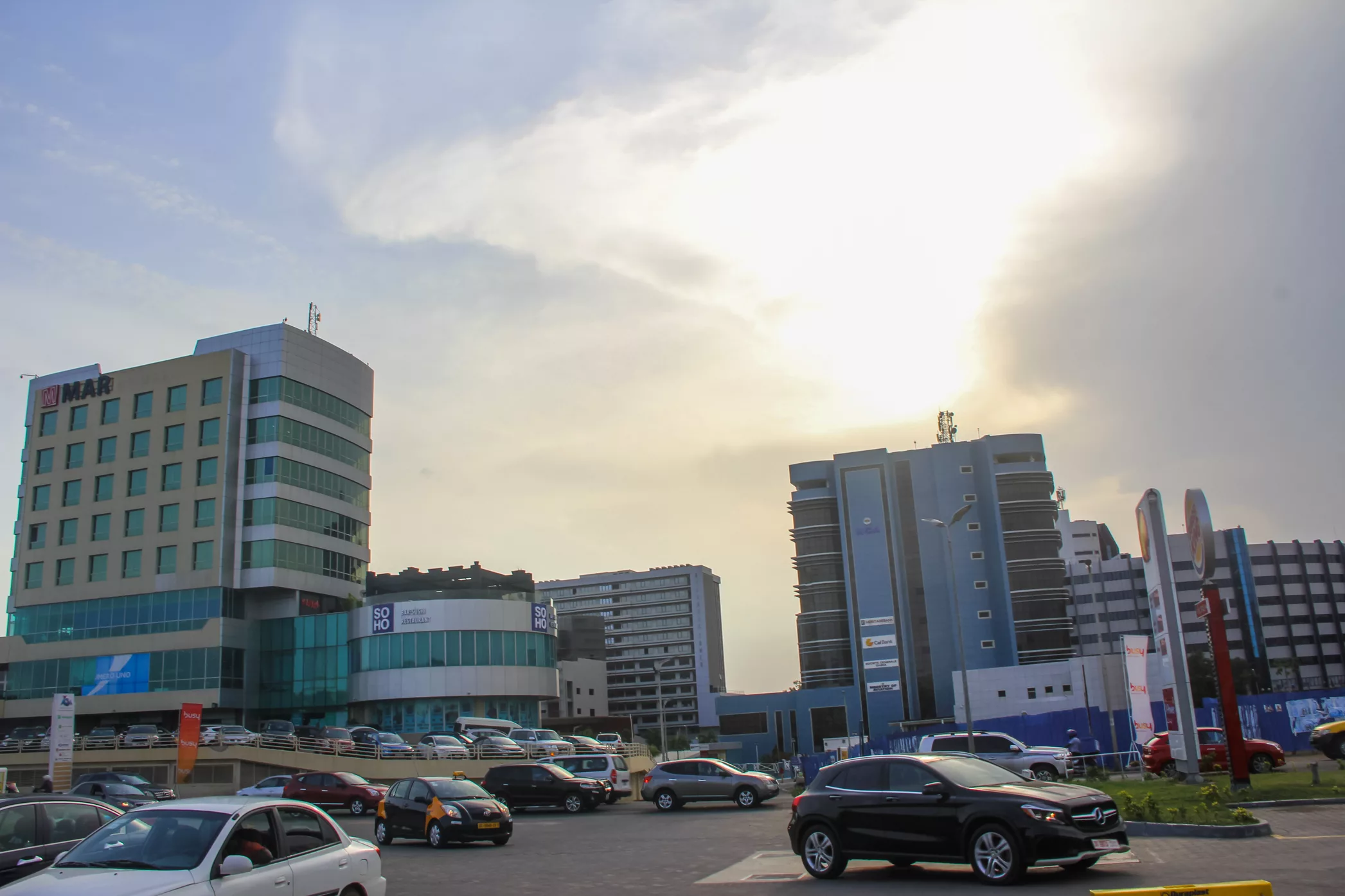
What the Ghana diesel regulatory margin cut changes
The instrument here is precise, and the precision matters. Ghana has not introduced a consumer subsidy in the classic sense, where the treasury pays part of the pump price.
It has reduced a regulatory margin — one of the levies and margins built into the price build-up that the National Petroleum Authority oversees. Removing GH¢2 of that stack lowers the ex-pump price without a direct cash transfer.
The effect for a driver is the same. How the cost is carried on the government’s books has not been set out, and Ghana has published no figure for it.
What is clear is that margins sit inside a price build-up the National Petroleum Authority reviews each pricing window. That is why the change could take effect within a day.
Why diesel rather than petrol
Diesel is the fuel that sets prices for everyone else. It moves trucks, buses, tro-tros and the generators that fill gaps in grid supply.
A diesel increase therefore reaches food prices and transport fares faster than a petrol increase does. Targeting it is the cheapest way to slow a cost-of-living spiral.
The government did not set out a diesel-versus-petrol rationale of its own. It said only that it acted after assessing developments in the international petroleum market and their likely local impact, and that further measures would follow if conditions required them.
The measure applies to diesel alone. No reduction was announced for petrol.
Raise, then partly reverse
The comparison with Côte d’Ivoire is inviting but the two cases are not identical. Both countries import refined fuel into the same crude rally, yet Ghana carries a currency problem its neighbour does not.
The cedi weakened about 9.5% against the dollar by the end of July, according to Bank of Ghana figures. The CFA franc used in Abidjan is pegged to the euro.
Abidjan passed the cost straight through, raising petrol, gasoil and kerosene prices from 1 August. Accra did both things at once.
The National Petroleum Authority lifted the diesel price floor by 18.3% on 1 August, from GH¢14.35 to GH¢16.97 a litre. The GH¢2 reduction announced three days later gives back about three-quarters of that increase.
Diesel therefore still ends the week dearer than it was in late July. This is a softened increase, not a cut in absolute terms.
What it means for businesses and residents
For anyone running logistics, fleet or generator-dependent operations in Ghana, the immediate read is a one-month reprieve rather than a new price level. Planning on GH¢2 persisting beyond early September would be optimistic.
For households, the intended effect is on fares rather than at the pump. Transport operators price on diesel, so the measure only works if fare schedules hold.
There is a second-round question worth watching. Margin reductions are easier to introduce than to withdraw, and April’s precedent suggests the tool is becoming routine.
What to watch over the next month
The first marker is whether the cut survives at the pump. The revised floor for the window beginning 4 August puts diesel GH¢2 below the level set on 1 August, with petrol unchanged, so the mechanism has reached the ceiling price.
Whether retailers hold there is the open part. Diesel was selling at roughly GH¢18 to GH¢19.50 a litre across Accra forecourts on 3 August.
The second is whether transport unions accept it as sufficient to hold fares. That is the outcome the policy is aimed at.
The third is early September, when the month expires. Extending it would signal that Accra expects elevated crude prices to persist.
Ghana has not published a cost estimate for the measure. Until it does, the fiscal size of this decision remains an open question.
More: Ghana news in English, every day from The Rio Times.
Frequently Asked Questions
What exactly did Ghana cut on diesel?
The government reduced the regulatory margin on a litre of diesel by GH¢2. It is a reduction in the built-in price components, not a classic consumer subsidy paid from the treasury.
How long does the Ghana diesel margin cut last?
One month, effective from Tuesday 4 August 2026. The government said further measures would follow if needed.
Who ordered and who implements it?
President John Dramani Mahama directed the reduction and Cabinet approved it. The National Petroleum Authority was instructed to implement it immediately.
Has Ghana done this before?
Yes. This is the second such reduction in 2026, following one in April.
How does this compare with Côte d’Ivoire?
Côte d’Ivoire raised petrol, gasoil and kerosene prices from 1 August 2026, its second increase in four months after a rise on 1 May and two frozen months. Ghana also raised its diesel price floor on 1 August, then clawed GH¢2 back three days later, so it did both.
Connected Coverage
We reported the underlying increase in Ghana’s August fuel price rise. More from West Africa, and the wider contest for the continent’s resources and energy routes in Africa: The New Scramble.
Sources: Ghana’s National Petroleum Authority (NPA); Bank of Ghana figures.
This article was produced by The Rio Times’ automated newsroom system. How we use AI · Report an error
LatAm Markets: Live Signals → — real-time movers, turnover leaders and FX across Latin America.
Read More from The Rio Times