
HAITI · SANCTIONS
The Council of the European Union, the bloc’s governments acting together, added four Haitian armed gangs to its human rights sanctions list on Monday, 16 November 2026, which freezes their assets in the EU. Council Implementing Regulation (EU) 2026/2569 of that date, published in the EU’s official gazette, the Official Journal, the same day, took effect on publication.
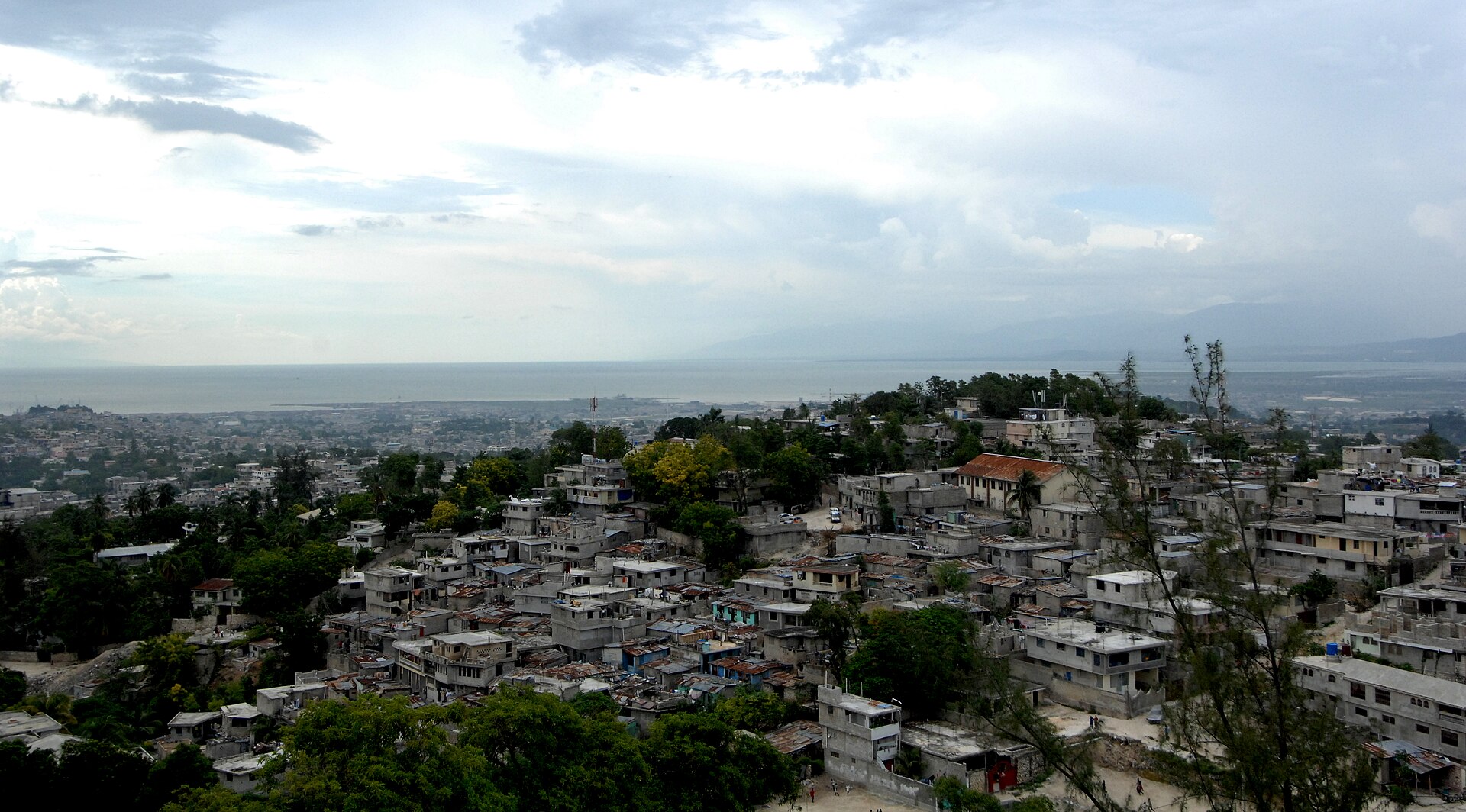
The four groups are 5 Segond, 400 Mawozo, Gran Ravine and Krazé Baryè, all based in or around Port-au-Prince, the capital. Haiti is in the Caribbean, near the United States, and these gangs operate in and around its capital.
Key Facts
- What happened EU listed four Haitian gangs on 16 November 2026 under its human rights sanctions regime.
- Who 5 Segond, 400 Mawozo, Gran Ravine and Krazé Baryè, armed gangs around Port-au-Prince, Haiti’s capital.
- What it does Freezes their EU assets and bars EU citizens and firms from supplying funds.
- Why Entries cite killings, rape and kidnapping, and two cite recruiting children.
- As of 16 November 2026, 18:30 GMT
Four Haitian gangs now face an EU asset freeze over abuses that include attacks on children. How much it will hurt them is not yet known.
The Big Picture
The listing uses the EU Global Human Rights Sanctions Regime, set up in December 2020 under Regulation (EU) 2020/1998. The regime lets the EU sanction people and groups for serious human rights abuses anywhere in the world.
Under the 2020 regulation, listed entities have their funds and economic resources frozen. The new regulation only adds the four names to its annex.
The Council’s recital notes that the Union told the UN Security Council, the UN’s top security body, on 24 June 2026 that it was gravely concerned about the rise in grave violations against children in armed conflict. That statement is recorded in the third recital of the regulation.
Our earlier reports cover the police retaking a stadium from gangs and the deadly toll of gang violence over three months. Both give the setting for the Council’s decision.
What the Regulation Says
Under Council Implementing Regulation (EU) 2026/2569 of 16 November 2026, the four gangs fill entries 46 to 49 of Annex I, the list attached to the regulation for legal persons and entities. Each is described as a “non-State armed criminal gang”, and the text was signed in Brussels on behalf of the Council.
The entry for 5 Segond, based in Village de Dieu in Port-au-Prince, lists killings, rape, kidnapping, extortion and arms and drug trafficking. It says members were identified as responsible for the rape of two girls at a displacement site in March 2024.
The entry for 400 Mawozo, based in Croix-des-Bouquets in the Port-au-Prince area, cites the recruitment and exploitation of children, killings and kidnapping. It also lists rape including of minors, looting, truck hijackings and forced displacement.
The entry for Gran Ravine, in the west of Port-au-Prince, lists killings, rape, kidnapping and attacks on civilians and property. It names Renel Destina, known as “Ti Lapli”, as the gang’s leader.
The entry for Krazé Baryè, active around Pétion-Ville, a Port-au-Prince suburb, and surrounding communes, cites the recruitment and exploitation of children and the killing and maiming of children. It also lists kidnapping, attacks on civilians and forced displacement.
What the Listing Does
Listing under this regime means an EU-wide asset freeze, so any funds or economic resources of the four gangs inside the EU must be frozen. It also bars EU citizens and companies from making funds or economic resources available to them, directly or indirectly.
These duties apply from publication on 16 November 2026. The four gangs are entries 46 to 49 in the regulation’s list of entities.
Why It Matters
Under the regime, EU banks and firms must freeze any funds of the four gangs that they hold, and may not supply them. For the gangs, the practical effect depends on whether they hold anything in the EU, which the regulation does not say.
What to Watch
No dated checkpoint is confirmed in the regulation. Further listings, if any, would appear in the Official Journal.
What It Means for You
For a US reader, this is an EU decision, so it binds EU banks and firms, not American ones. The entries describe attacks on civilians, kidnapping and forced displacement around Port-au-Prince, and EU banks and companies must freeze any assets they find.
Background on the country is in our Haiti geopolitics explainer. A political thread is in Martine Moïse’s registration for the presidential race.
What Is Not Known
The regulation states no amounts and does not say how much money, if any, the four gangs hold in the EU. The effect of the freeze on their finances is therefore not known.
Frequently Asked Questions
What did the EU do on 16 November 2026?
The Council added four Haitian armed gangs to its Global Human Rights Sanctions Regime. Implementing Regulation (EU) 2026/2569 took effect on publication that day.
Which Haitian gangs are listed?
The gangs are 5 Segond, 400 Mawozo, Gran Ravine and Krazé Baryè, entries 46 to 49 of Annex I. All operate in or around Port-au-Prince.
What does an EU asset freeze do?
It freezes the listed groups’ funds and economic resources in the EU. It also bars EU citizens and companies from making funds available to them, directly or indirectly.
How much money do the gangs hold in the EU?
That is not known. The regulation states no amounts and does not say whether the groups hold any money in the EU.
Sources: Council of the EU, Implementing Regulation (EU) 2026/2569 of 16 November 2026 (Official Journal of the European Union, 16 November 2026).
This article was produced by The Rio Times’ automated AI newsroom. Editorial responsibility: Matthias Camenzind, Publisher and Editor-in-Chief. The Rio Times also runs Ask Rio Times, which answers from 100,000+ of our own articles, the daily Latin America Power Map, and prediction-market odds on elections and markets.. How we use AI · Report an error
Haiti
- What Is Happening in Haiti?
- What Is Happening in Haiti?
- Haiti Gang Crisis Explained 2026 Gangs and the UN Force
- Haiti’s July 2027 Vote, What US Travellers Need to Know