
Key Facts
—Who. Justice Minister Hana Arayaselassie says Ethiopia has drafted laws to deal with abuses from past wars.
—When. She spoke on Friday 23 October 2026 and promised publication “in the coming days”.
—Proposed. A truth and social cohesion commission, a special prosecutor’s office and a reform commission.
—Unconfirmed. We could not confirm that the drafts had been published by 12 November 2026.
—As of 12 November 2026, 08:00 GMT.
Ethiopia’s justice minister says the government has finished drafting the laws to deal with abuses from past wars, after delays. We could not confirm that the drafts had been published by 12 November 2026.
What the Minister Said
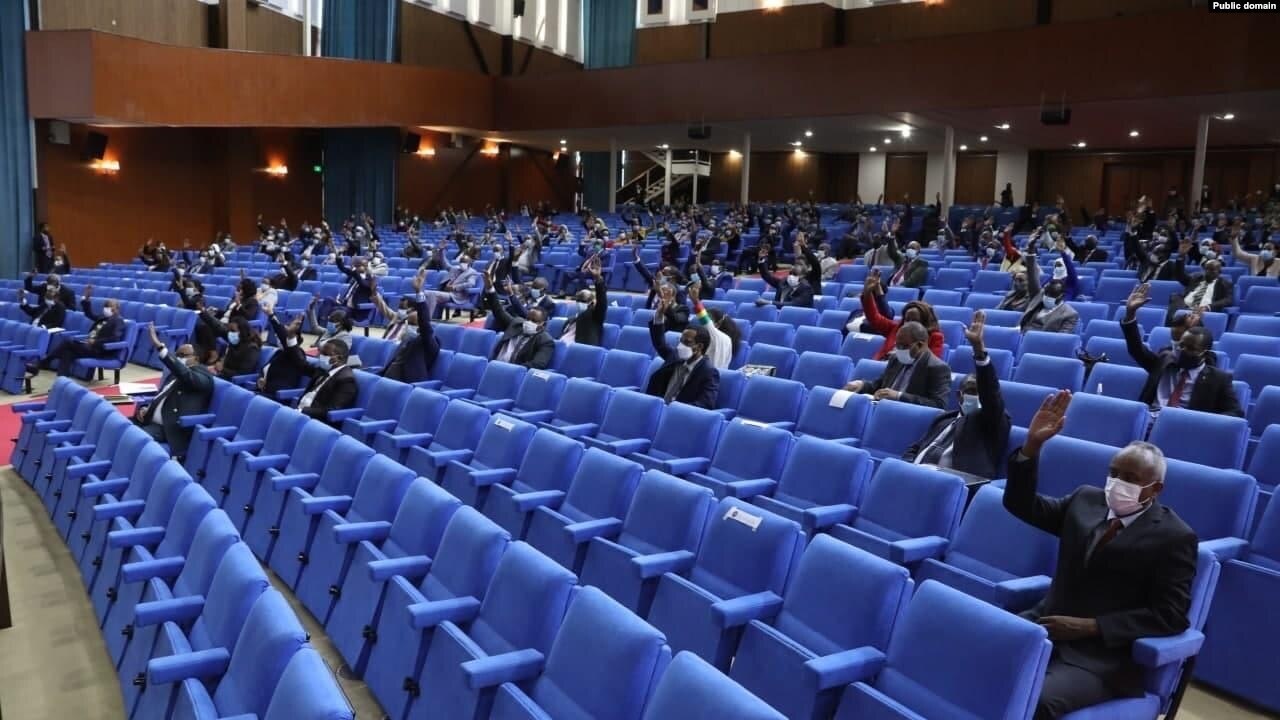
Justice Minister Hana Arayaselassie said on Friday 23 October 2026 that the legal frameworks for Ethiopia’s transitional justice policy have been drafted. She spoke at the launch of a joint forum of the government and civil society groups.
She said the drafts will be published for public review “in the coming days”, after minor refinements based on feedback from the National Dialogue, Ethiopia’s national consultation on political disputes. That is the minister’s own account, and we could not confirm that the drafts had been published by 12 November 2026.
She said the drafting drew on more than 80 public and stakeholder forums nationwide. It also used recommendations of the National Dialogue Commission, the national body that gathered views on settling Ethiopia’s political disputes.
What the Drafts Propose
As described at the launch, the frameworks propose a Truth and Social Cohesion Commission for truth-seeking, reconciliation, amnesties and reparations. They also propose an independent Special Prosecutor’s Office with a dedicated court bench for serious human rights violations.
A third body, an Institutional Reform Commission, would sit alongside rules on the sequencing of the phases. As described at the launch, the Council of Ministers, Ethiopia’s cabinet, approved the underlying policy in 2024.
In Plain English
Transitional justice means the steps a country takes to deal with past abuses, such as finding the truth, prosecuting crimes and compensating victims. The Pretoria agreement, signed in South Africa on 2 November 2022 by the federal government and the Tigray People’s Liberation Front (TPLF), the then governing party of the northern Tigray region, to end the war there, commits Ethiopia to such a policy.
Why It Matters
The Institute for Security Studies (ISS), a pan-African policy institute, said in an analysis of 26 October 2026 that the process stalled in April 2025. It reads the 23 October launch as a sign that work has resumed.
Ethiopia hosts the African Union’s headquarters and is a regional diplomatic hub, as our explainer on Ethiopia’s role in Africa shows. Accountability for wartime abuses in Tigray is a long-standing international concern.
Who Runs the Civil Society Platform
As described at the launch, the Ministry of Justice chairs the platform, and the Authority for Civil Society Organizations, the state regulator of civil society groups, is vice-chair. A seven-member coordinating committee of civil society representatives was named at the forum.
Awol Sultan, director of the ministry’s Human Rights Directorate, said groups keep full operational independence and that the ministry’s role is to facilitate. He added that the ministry has neither the intent nor the legal basis to interfere.
Solomon Ambaye, executive director of Safer Ethiopia, a civil society group, asked how the government will guarantee Tigray’s participation. The ISS author, senior researcher Tadesse Simie Metekia, argues that civil society should not be confined to government-controlled structures.
What to Watch Next
Public consultations are expected in Addis Ababa, the capital, in Dire Dawa, a federal city in eastern Ethiopia, and in the regional states, as described at the forum. The ISS says the National Dialogue Commission’s recommendations went to Parliament on 3 October and are not yet public.
The ISS argues consultations should start only after those recommendations are considered. For wider coverage, see our Ethiopia news hub, a rights group’s findings on civilian violence and reports of youth arrests in Addis Ababa.
What Is Not Known
It is not known when the drafts will be published or what the final text will say. It is also unclear whether amnesty terms will cover serious crimes.
Nobody has said whether the Tigray region will take part. It is also not known how the commissions would be funded.
Frequently Asked Questions
What did Ethiopia’s justice minister announce?
Hana Arayaselassie said on 23 October 2026 that the legal frameworks for the transitional justice policy have been drafted. She said they would be published for public review “in the coming days”.
What would the new laws create?
As described at the launch, they propose a Truth and Social Cohesion Commission, a Special Prosecutor’s Office with a dedicated court bench, and an Institutional Reform Commission. They also set rules on sequencing the phases.
Have the drafts been published?
We could not confirm that they had been published by 12 November 2026. The minister had promised publication “in the coming days”.
Sources: Statements by Ethiopia’s Justice Minister and the Ministry of Justice’s Human Rights Directorate at the joint forum launch of 23 October 2026, as reported; Institute for Security Studies analysis of 26 October 2026; Pretoria Agreement of 2 November 2022.
This article was produced by The Rio Times’ automated AI newsroom. Editorial responsibility: Matthias Camenzind, Publisher and Editor-in-Chief. The Rio Times also runs Ask Rio Times, which answers from 100,000+ of our own articles, the daily Latin America Power Map, and prediction-market odds on elections and markets.. How we use AI · Report an error
Horn of Africa and the Red Sea
- Horn of Africa 2026: Why It Matters and Who Backs Whom
- Ethiopia’s Neighbors Explained, Ports, Eritrea, Somalia
- Eritrea Explained 2026, a Red Sea Country Guide
- Somalia Explained: Al-Shabaab, Somaliland, the Ports and the Fight Over a 2026 Vote