
ETHIOPIA · ECONOMY
Heat at work could cost Ethiopia US$33.3 billion a year in lost output by 2040, the International Labour Organization (ILO), the United Nations agency for work and workers’ rights, said in studies published in late October 2026. It is the largest loss of the six countries studied, and it assumes a low-emissions pathway, a scenario in which greenhouse gas emissions stay low.
The ILO also estimates that heat will take away working time equal to about 1.78 million full-time jobs a year by 2040. That counts lost hours, not people laid off.
Key Facts
- What The ILO puts Ethiopia’s annual heat-related output loss at US$33.3 billion by 2040.
- Scenario Low-emissions pathway, measured against a past reference period.
- Jobs Lost working time equal to about 1.78 million full-time jobs a year by 2040.
- Scope Six countries: Ethiopia, Ghana, Lebanon, the Maldives, Senegal and Sri Lanka.
- Unknown How large US$33.3 billion is against Ethiopia’s expected 2040 economy.
What the ILO Studies Found
The ILO published six country studies on heat stress in late October 2026, covering Ethiopia, Ghana, Lebanon, the Maldives, Senegal and Sri Lanka. The Climate Vulnerable Forum, a partnership of countries at high risk from climate change, and the Vulnerable 20 Finance Ministers (V20), its finance ministers’ group, supported the work through a joint fund.
The ILO combined climate projections, labour market data and economic modelling. Under a low-emissions pathway, annual losses by 2040 range from US$575.5 million in the Maldives to US$33.3 billion in Ethiopia.
Ghana’s loss is US$23.2 billion a year and Senegal’s US$10.5 billion. Ethiopia’s figure is the top of the ILO’s range for the studied countries.
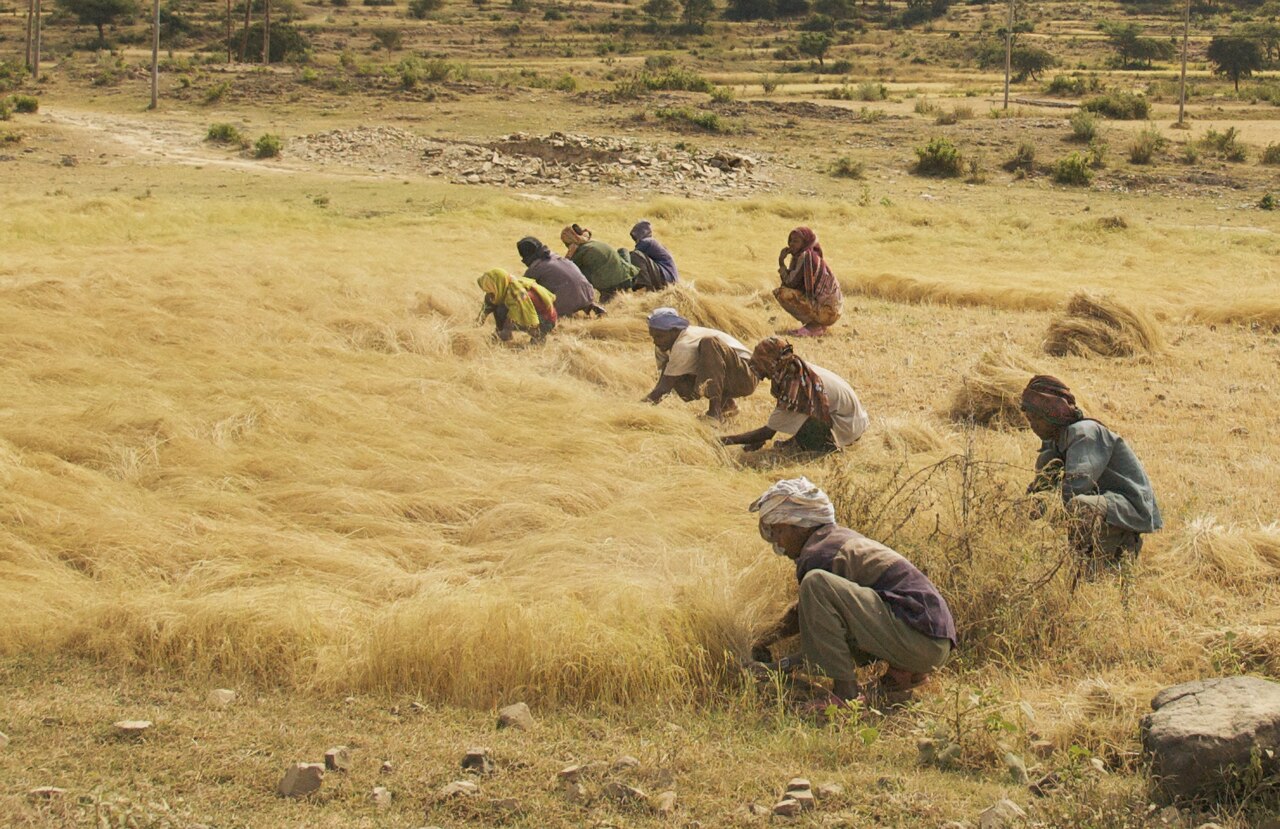
How Heat Turns Into Lost Jobs
The ILO measures employment effects in full-time job equivalents, meaning the hours workers lose to heat added up as if they were whole jobs. It is not a count of workers expected to lose their jobs.
For Ethiopia the estimate is about 1.78 million such jobs a year by 2040 under the low-emissions pathway. Under higher-emissions scenarios, the studies project by 2060 an annual loss of US$79.4 billion to US$310.3 billion and 5 million to 6 million job equivalents.
Fanfan Rwanyindo Kayirangwa, the ILO’s regional director for Africa, said heat stress is “not only an environmental issue”. The studies were released in late October 2026.
Farming accounted for about three-quarters of Ethiopia’s heat-related working-time losses in 2023, the ILO says. The ILO counts these losses as working time, not as jobs destroyed.
What It Means for You
For investors and aid groups, the studies measure climate risk in one of Africa’s biggest economies; they are not a forecast of Ethiopia’s economic output, known as gross domestic product (GDP). The ILO frames the US$33.3 billion as a loss measured against a past reference period.
Readers who follow the country can compare the figure with our report on how Ethiopia’s economy was revalued as Africa’s fifth largest. More reports are in our Ethiopia coverage.
What Is Not Known
We could not open the ILO’s Ethiopia brief itself, so the figures rest on press reports of its release. Reports of the release differ slightly on the exact date.
The ILO has not, in what we found, given the US$33.3 billion as a share of Ethiopia’s 2040 economy, so we state no percentage. It is also unknown how much of the loss Ethiopia could avoid with rest breaks, shade or changed work hours.
Frequently Asked Questions
How much could heat cost Ethiopia?
The ILO estimates US$33.3 billion a year in lost output by 2040 under a low-emissions pathway. The loss is measured against a past reference period.
Does that mean 1.78 million people will lose their jobs?
No. The ILO converts lost working hours into full-time job equivalents, about 1.78 million a year by 2040, which is not a count of layoffs.
Which countries did the ILO study?
The ILO studied Ethiopia, Ghana, Lebanon, the Maldives, Senegal and Sri Lanka. Ethiopia has the largest projected loss in US dollars.
What is heat stress at work?
Heat stress is the strain on the body from working in high temperatures. It cuts productivity and can harm health.
Sources: International Labour Organization, heat stress brief for Ethiopia, October 2026; International Labour Organization, Ethiopia factsheet, October 2026.
This article was produced by The Rio Times’ automated AI newsroom. Editorial responsibility: Matthias Camenzind, Publisher and Editor-in-Chief. The Rio Times also runs Ask Rio Times, which answers from 100,000+ of our own articles, the daily Latin America Power Map, and prediction-market odds on elections and markets.. How we use AI · Report an error
Horn of Africa and the Red Sea
- Horn of Africa 2026: Why It Matters and Who Backs Whom
- Ethiopia’s Neighbors Explained, Ports, Eritrea, Somalia
- Eritrea Explained 2026, a Red Sea Country Guide
- Somalia Explained: Al-Shabaab, Somaliland, the Ports and the Fight Over a 2026 Vote