Analysis · Egypt
Key Facts
- —The country. Egypt has about 118 million people. Its economy, about US$365 billion in 2025, is roughly the size of Portugal’s, World Bank data show.
- —Why it matters. It runs the Suez Canal, a shortcut for Asia–Europe trade. It is also a major borrower from the International Monetary Fund (IMF), which lends to countries in difficulty.
- —Why now. The US$8 billion IMF programme expires on 15 December 2026. The Central Bank of Egypt (CBE) held rates for a fifth time on 24 September.
- —What happened. Urban inflation eased to 14.5% in August and reserves hit a record US$57.2 billion. The pound weakened to about 52.3 per US$ by 1 October.
- —The numbers. Suez Canal revenue rose 23% to US$4.67 billion in the year to June 2026. That is far below the US$10.25 billion of 2023.
- —What it means for you. Local interest rates near 19% attract investors, but the pound can fall fast. Visitors get more pounds per dollar than in February.
- —Still open. Whether the final IMF review releases about US$2.3 billion in time, and whether Egypt seeks a new IMF arrangement after December.
The Egyptian economy is stabilising but not yet healthy. Inflation is easing and reserves are at a record. Yet the pound has weakened again, and the IMF programme ends in ten weeks.
Egypt is the most populous Arab country and controls the Suez Canal, a key route for trade between Asia and Europe. The main actors are the Central Bank of Egypt (CBE), the government in Cairo and the International Monetary Fund (IMF), which lends to countries in difficulty.
For readers abroad, the numbers matter beyond Cairo. The Egyptian economy offers some of the highest local interest rates in the world and attracts dollar investors and tourists. Here is where the data stand on 4 October 2026.
Egypt’s Economy in 2026: The Numbers at a Glance
The table collects the main indicators. Each comes from the latest official release. Dates differ because agencies publish on different schedules.
| Indicator | Latest reading | Source and date |
|---|---|---|
| Urban inflation (annual) | 14.5%, down from 14.9% in July | CAPMAS, August 2026 |
| Core inflation (annual) | 14.9%, up from 14.7% in July | CBE, August 2026 |
| CBE overnight deposit / lending rate | 19% / 20%, unchanged | CBE, 24 September 2026 |
| Pound per US$ | About 52.3 (CBE closing rate) | CBE via Ahram Online, 1 October 2026 |
| Net international reserves | US$57.214 billion, a record | CBE, end-August 2026 |
| Suez Canal revenue | US$4.67 billion, up 23% | Suez Canal Authority, fiscal 2025/26 |
| IMF programme | US$8 billion, expires 15 December 2026 | IMF, 1 October 2026 |
| External debt | About US$164.8 billion, up 5.2% on a year | CBE, released August 2026 |
| Budget deficit (11 months) | 5.3% of GDP, against 6.5% a year earlier | Finance Ministry, July 2025 to May 2026 |
Inflation: Easing, but Still Above 14%
Annual urban inflation slowed to 14.5% in August from 14.9% in July, the statistics agency CAPMAS reported on 10 September. Prices rose 0.1% on the month.
Economists polled before the release had expected about 15.5%, according to Enterprise, a Cairo business newsletter. The surprise came from food.
Food and beverage inflation was only 6.3% a year, and food prices fell for a third month in a row. That matters because food takes a large share of Egyptian household budgets.
The detail is less comfortable. Core inflation, which strips out volatile items, edged up to 14.9% from 14.7%, the CBE said.
Housing, water, electricity, gas and fuel prices were 42.8% higher than a year earlier. Enterprise linked this to a household electricity increase of about 12% from late July.
The CBE aims to bring inflation down to 7%, plus or minus two points, in the second half of 2027. The September figure is due in the second week of October.
Interest Rates: Five Holds in a Row
On Thursday, 24 September, the CBE’s Monetary Policy Committee kept the overnight deposit rate at 19% and the lending rate at 20%. The main operation rate stayed at 19.5%.
It was the fifth straight hold, after meetings on 2 April, 21 May, 9 July and 20 August. The last move was a cut of 100 basis points in February 2026, or one percentage point.
The committee said the current degree of tightening gives enough room to contain risks while keeping inflation on a downward path. It named regional hostilities and global energy and food prices as upside risks.
With inflation at 14.5%, the deposit rate leaves a real return of about 4.5 points. That is high by global standards and helps keep foreign money in Egyptian pound debt.
It also makes borrowing expensive for Egyptian firms and for the state. Growth in the Egyptian economy depends partly on how soon rates can fall.
The Pound: Shock in March, Wobble in September
The pound is the most visible stress gauge. At the end of February it traded near 47.9 per US$. In March, during the regional war, it fell to about 54.4 by month’s end.
It then recovered, closing June near 49.2. September brought another slide, and the CBE’s closing rate on 1 October was about 52.3, according to Ahram Online.
That leaves the pound about 8% weaker in dollar terms than at the end of February. It lost about 1.2% in the week to 1 October alone.
Egypt let the currency float in March 2024 as part of its IMF-backed reform. The IMF wants that exchange-rate flexibility maintained while reserves are rebuilt.
The IMF Programme: US$8 Billion and a December Deadline
Egypt’s Extended Fund Facility (EFF), a 48-month IMF loan, is worth US$8 billion and expires on 15 December 2026. On 30 July the IMF board completed its seventh review.
That released about US$1.8 billion. Roughly US$1.5 billion came under the EFF and US$272 million under a climate fund, the Resilience and Sustainability Facility (RSF).
The IMF said the lagged effects of the war, including weaker investment and higher input costs, were slowing growth. It projected growth of 4.6% for fiscal 2025/26 and 4.4% for 2026/27.
On 1 October IMF spokesperson Julie Kozack said the final EFF review and a third RSF review are planned for the fourth quarter. Together they would make about US$2.3 billion available.
The sticking point is state asset sales. The IMF said in July that divestment had progressed more slowly than anticipated, with about US$520 million raised so far.
The final review will test whether that has changed. The Rio Times’ earlier coverage of the December deadline tracks the detail.
Reserves and the Suez Canal: Recovery With Caveats
Net international reserves reached a record US$57.214 billion at the end of August, the CBE said. The September figure is usually published in the first week of the month. See the record reserves report.
Read the mix, though. Gold holdings rose by US$1.919 billion to US$19.058 billion, while foreign currency fell by US$1.158 billion to US$37.553 billion. A higher gold price flattered the total.
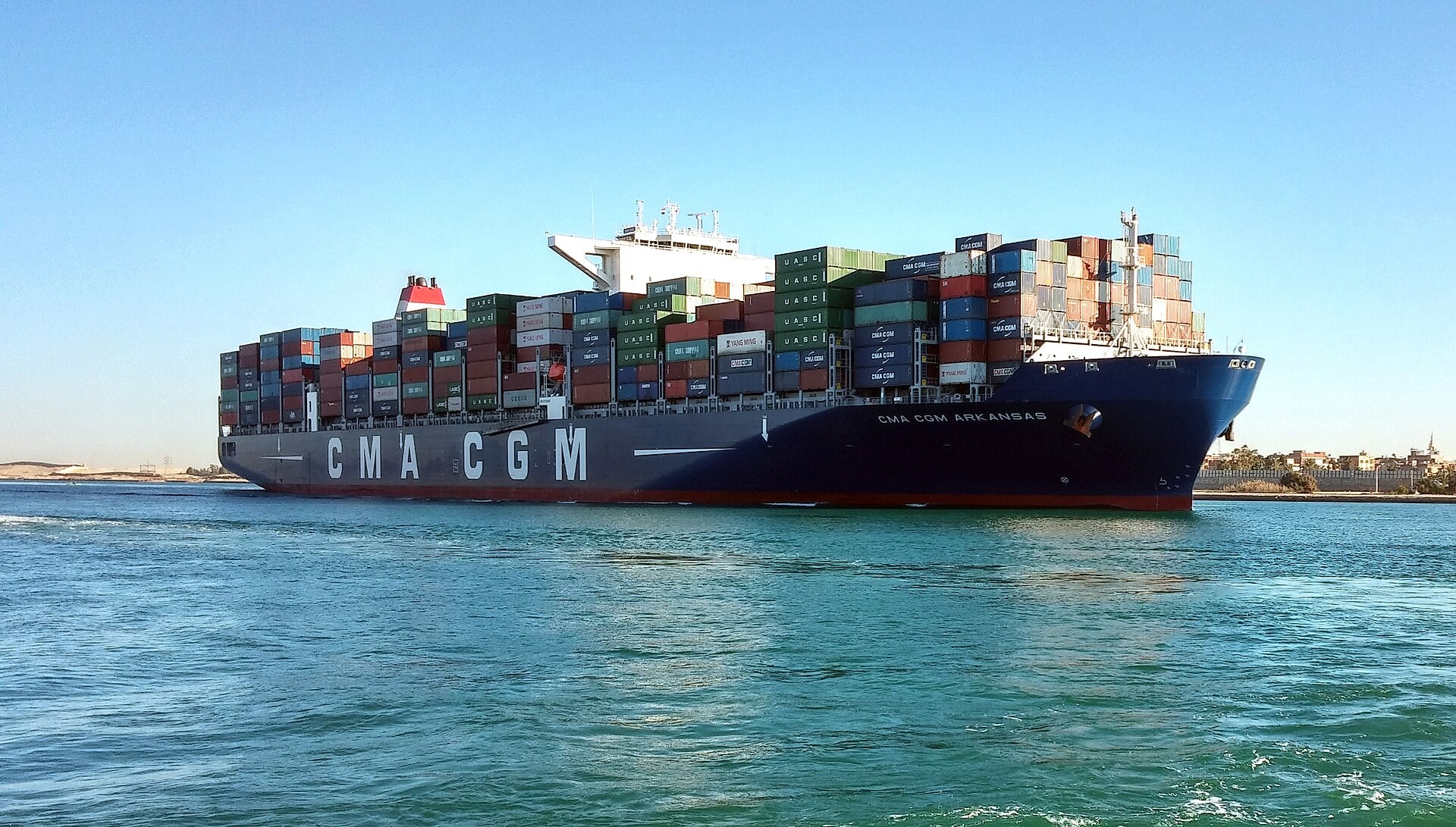
Suez Canal revenue rose 23% to US$4.67 billion in fiscal 2025/26, which ended in June. Transits climbed 10% and cargo tonnage 22%, according to Canal Authority chairman Osama Rabie.
August revenue reached US$567.1 million, up 56.7% on a year earlier, with transits up 27%, Rabie said on 20 September.
Context is essential. The canal earned a record US$10.25 billion in 2023, before attacks on Red Sea shipping diverted vessels around Africa. It is recovering, but has not returned to its old level.
Our second-quarter Suez revenue report shows the trend.
Debt, Growth and the Budget
Egypt’s external debt was about US$164.8 billion in the latest CBE figures, released in August. That was 5.2% more than a year earlier.
The Finance Ministry reported a budget deficit of 5.3% of GDP for July 2025 to May 2026, against 6.5% a year earlier. The primary surplus, which excludes interest payments, rose to 4.6% of GDP.
Debt service is the weak spot. It consumed 71.2% of state revenue in those eleven months, according to the ministry’s figures reported by Ahram Online.
Growth held up better than feared. The CBE cited average growth of 5.1% for fiscal 2025/26, with 4.7% in the April–June quarter. The IMF projects a lower 4.6%.
Risks: What Could Go Wrong
Four risks stand out for the Egyptian economy. First, the regional war could disrupt Red Sea traffic again and cut Suez income.
Second, a weaker pound would push up import prices just as inflation is easing. Third, slow asset sales could complicate the final IMF review.
Fourth, the reserves total depends on gold prices. If gold falls, the headline number falls with it.
There is a counterweight. Reserves are far above where they were a year ago, and the budget shows a growing primary surplus. These stabilisers have not yet been tested by a second major shock.
What It Means for You
Investors. Egyptian pound debt pays high nominal yields, but currency risk is real. The pound lost about 12% of its dollar value in March alone.
Watch the September inflation figure, the September reserves data and the final IMF review before drawing conclusions about the Egyptian economy.
Travellers. At about 52.3 per US$, dollar holders get roughly 9% more pounds than at the end of February. Prices in shops still rise by about 14% a year.
Shipping and oil. Suez traffic is rebuilding. More transits mean shorter routes between Asia and Europe and lower freight costs. A new Red Sea disruption would push shipping rates back up.
What Is Not Known
Several questions remain open. Neither Cairo nor the IMF has announced a new arrangement after December. It is also unclear how fast the canal can recover without lasting security in the Red Sea.
The pound level differs slightly between the central bank and commercial banks on any given day. Growth estimates also differ between the CBE and the IMF, so readers should treat them as a range.
The Egyptian economy points to slow repair, not a clean recovery. The coming IMF review will show whether the repair can continue without outside support.
See also the September economy update and the Egypt hub.
How is Egypt’s economy doing in 2026?
The Egyptian economy is stabilising but fragile. Urban inflation eased to 14.5% in August and reserves hit a record US$57.2 billion. The pound, however, has weakened to about 52.3 per US$, and the IMF programme expires on 15 December.
What is Egypt’s inflation rate?
Annual urban inflation was 14.5% in August 2026, down from 14.9% in July, according to CAPMAS, the statistics agency. Core inflation rose to 14.9%. The September figure is due in the second week of October.
What are Egypt’s interest rates?
The Central Bank of Egypt kept its overnight deposit rate at 19% and its lending rate at 20% on 24 September 2026. It was the fifth hold in a row. The last change was a 100 basis point cut in February.
How much is Egypt’s IMF programme worth?
The Extended Fund Facility is worth US$8 billion and expires on 15 December 2026. The seventh review, completed on 30 July, released about US$1.8 billion with a climate facility. A final review could release about US$2.3 billion.
Sources
Daily News Egypt (CBE rate decision, 24 September) · Ahram Online (August inflation) · Enterprise (inflation detail) · Ahram Online (pound, 1 October) · IMF press release 26/271 · IMF press briefing, 1 October 2026 · Daily News Egypt (reserves) · Ahram Online (Suez Canal, August) · Ahram Online (Suez Canal, fiscal year) · Ahram Online (external debt) · Ahram Online (budget, 11 months) · World Bank (population, GDP)
Frequently Asked Questions
This article was produced by The Rio Times’ automated newsroom system. How we use AI · Report an error · Editorial responsibility: Matthias Camenzind, Editor-in-Chief
LatAm Markets: Live Signals → — real-time movers, turnover leaders and FX across Latin America.