
GUIDES · EGYPT
Key Facts
- —Egypt in context Egypt had 118.4 million people in 2025 and an economy of about US$365 billion, per the World Bank. It runs the Suez Canal.
- —Who decides As of October 2026, President Abdel Fattah El-Sisi sets direction. Prime Minister Mostafa Madbouly runs the cabinet and Hassan Abdalla the central bank.
- —Currency The Central Bank of Egypt quoted the dollar at EGP 52.39 (selling) on 1 October 2026. That is about 9 percent weaker than before the Iran war.
- —Biggest dollar source Remittances from Egyptians abroad hit a record US$47.3 billion in the year to June 2026, central bank data show.
- —IMF About US$7.3 billion paid out under the current IMF loans by July 2026; the 48-month programme ends in December 2026.
- —US link US goods exports to Egypt reached US$9.4 billion in 2025, per the US Trade Representative. Houston-based APA is the largest acreage holder in the Western Desert.
The Egypt economy key players are a short list. They are the presidency and cabinet, the central bank, the army’s business arm, a few private groups and Gulf funds. Together they decide where dollars go in a country of 118 million people that controls the Suez Canal. For a US reader, they shape the pound, the yields on Egyptian debt and the fate of American oil and gas money.
This guide names who holds each lever as of October 2026, what the latest filings show, and where the power is shifting. Pound amounts use the central bank’s selling rate of EGP 52.39 per US dollar on 1 October 2026, per Ahram Online.
The State at the Top: Presidency and Economic Cabinet
President Abdel Fattah El-Sisi sits above the economy. He appoints the cabinet, signs the decrees that create or abolish ministries and meets the central bank governor regularly. In May 2026 he told the central bank to keep building reserves and containing inflation, according to the presidency.
Prime Minister Mostafa Madbouly runs day-to-day policy. He has led the government since 2018, and Parliament approved his reshuffled cabinet on 10 February 2026. The reshuffle added a Deputy Prime Minister for Economic Affairs and new ministers for planning, investment and industry, Ahram Online reported.
The ministers who matter most for money are these:
- Hussein Eissa, Deputy Prime Minister for Economic Affairs since February 2026. He previously coordinated the presidency’s Specialized Council for Economic Development.
- Ahmed Kouchouk, Minister of Finance since the 2024 reshuffle. He runs the budget and the tax reforms the IMF tracks.
- Mohamed Farid Saleh, Minister of Investment and Foreign Trade. He chaired the Egyptian Exchange from 2017 and then the Financial Regulatory Authority.
- Ahmed Rostom, Minister of Planning. He spent about 15 years at the World Bank before joining the cabinet.
- Karim Badawi, Minister of Petroleum and Mineral Resources since 2024. He deals with US oil companies and the gold-mining push.
- Sherif Fathy, Minister of Tourism and Antiquities, who oversees one of the country’s biggest sources of dollars.
The same decree abolished the Ministry of Public Business Sector. The government said 40 state companies were being prepared for transfer to the Sovereign Fund of Egypt, which readies assets for sale. Another 20 are set for listing, Al-Ahram Weekly reported.
The Central Bank and the IMF: Who Sets the Money Rules
Hassan Abdalla is governor of the Central Bank of Egypt (CBE), the regulator that sets interest rates and manages the pound. He has served on one-year mandates since 2022, EnterpriseAM reported. On 4 October 2026 he spoke at the Alamein Africa Forum as governor, the bank said.
Since March 2024, the CBE has let the pound float and targeted inflation, Abdalla said in February 2026. He described the bank’s job as building a resilient system, not pushing the currency up or down. Net international reserves reached a record US$57.2 billion at the end of August 2026.
The International Monetary Fund (IMF), the Washington lender to countries in difficulty, is the other referee. On 30 July 2026 its board completed the seventh review of Egypt’s 48-month loan. That released about US$1.8 billion and took total payouts under two IMF arrangements to about US$7.3 billion.
The IMF said record remittances, tourism and canal income cushioned the war shock. It added that state asset sales were slower than expected. Divestment had raised only about US$520 million, it said. Madbouly has said Egypt sees no need for a new programme after this one ends in mid-December 2026, Ahram Online reported.
The State and the Army as Business Owners
A preliminary state inventory covers some 561 state-owned companies, EnterpriseAM reported in February 2026. Its big banks include National Bank of Egypt and Banque Misr. The Suez Canal Authority, chaired by Osama Rabie, is a state body that earns dollars directly.
The army’s National Service Projects Organization (NSPO) runs civilian businesses from fuel stations to bottled water. In April 2025 the Sovereign Fund of Egypt began preparing five NSPO companies for sale. They are Wataniya, Safi, Silo Foods, Chill Out and the National Roads Company. Earlier attempts to sell Wataniya had repeatedly stalled.
The first deal came in June 2026. A new company, Quick Fuel, took over 172 Wataniya fuel stations, and Taqa Arabia bought 10 percent of it, the cabinet said. Taqa Arabia, a Qalaa Holdings unit led by gas businessman Khaled Abu Bakr, may buy another 15 percent when Quick Fuel lists on the Egyptian Exchange.
The deal is a partial exit, not a full sale. The NSPO itself has held 20 percent of Taqa Arabia since 2023, EnterpriseAM reported.
The Biggest Listed Companies and the Families Behind Them
Several listed private groups stand out on the Egyptian Exchange (EGX) in Cairo. Their first-half 2026 results, published in July and August, show who has scale. Pound figures below are converted at the October 2026 rate.
Commercial International Bank (CIB)
CIB is the largest private-sector bank, by its own account. It earned a consolidated net profit of EGP 39.3 billion (about US$750 million) in the first half of 2026, up 18 percent. Total assets were EGP 1.69 trillion (about US$32.3 billion) at the end of June.
CIB’s global depositary receipts trade in London, giving foreign investors a way in outside Cairo. It reported deposits of EGP 1.30 trillion (about US$24.8 billion) and a capital adequacy ratio of 28.4 percent.
Talaat Moustafa Group (TMG)
TMG is a property developer run by chief executive Hisham Talaat Moustafa. Its projects include Madinaty and Celia. First-half 2026 net profit rose 23 percent to EGP 9.9 billion (about US$189 million). Revenue was EGP 30.2 billion (about US$576 million).
Contracted sales reached EGP 219.1 billion (about US$4.2 billion) in the half year, the group said. That figure counts signed future deals, not cash received.
Elsewedy Electric
Elsewedy Electric makes cables and builds power projects in Egypt and abroad. Revenue rose to EGP 163.3 billion (about US$3.1 billion) in the first half of 2026. Net profit attributable to shareholders was EGP 9.9 billion (about US$189 million), up 14 percent, its filing shows.
EFG Holding
EFG Holding owns the investment bank EFG Hermes, the lender BANK NXT and the consumer-finance platform valU. Group revenue was EGP 13.1 billion (about US$250 million) in the first half of 2026. Net profit fell 10 percent to EGP 1.8 billion (about US$35 million) after losses on investments.
The Sawiris Name and New Money in Gold
Billionaire Naguib Sawiris chairs In2Metals and is pushing into gold. In September 2026 he met the head of the mining authority to discuss more exploration in the Eastern Desert. He has said he wants to join future bidding rounds, Egypt Oil & Gas reported.
The Gulf Money: Ras El Hekma and Alam El Roum
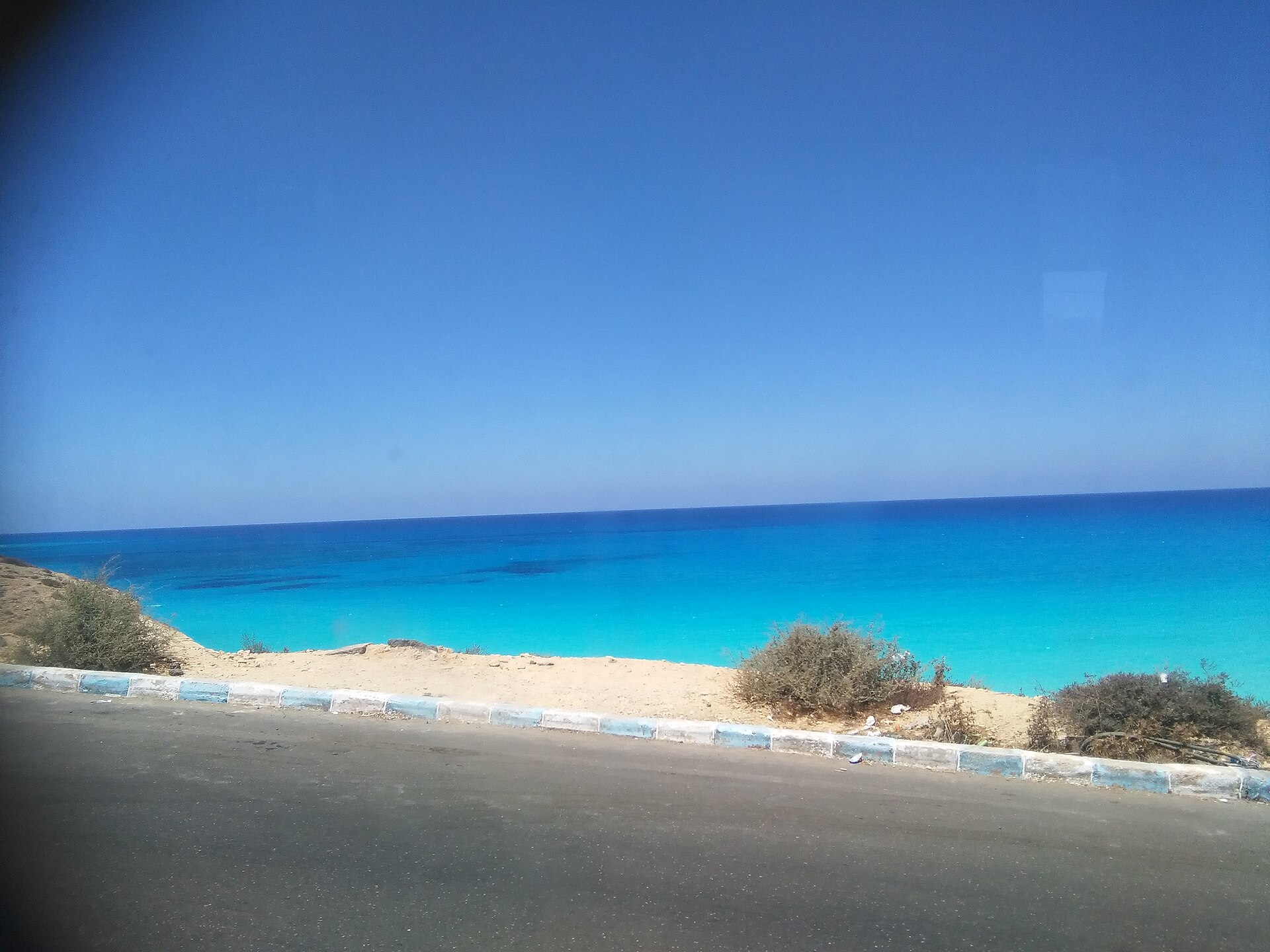
Gulf sovereign funds have become major outside investors. In February 2024 Abu Dhabi’s fund ADQ signed a US$35 billion deal to develop Ras El Hekma on the Mediterranean coast. Egypt keeps 35 percent of the project’s profits.
In November 2025 Qatari Diar, owned by the Qatar Investment Authority, signed a US$29.7 billion project at Alam El Roum in Matrouh. It pays US$3.5 billion in cash for the land, the Qatari side said. Egypt’s New Urban Communities Authority also gets 15 percent of profits once costs are recovered.
Together, the two deals add up to close to US$65 billion of pledged Gulf investment. EnterpriseAM counts Ras El Hekma among the external buffers behind the record reserves.
Oil, Gas and the American Stake
Energy is the clearest US corporate link. Houston-based APA Corporation, through its Apache unit, is the largest acreage holder in the Western Desert, its 2025 annual report says. It held 7.5 million gross acres at the end of 2025.
Egypt supplied 31 percent of APA’s 2025 production, including Sinopec’s share. China’s Sinopec holds a one-third minority stake in those operations, a direct Chinese link inside a US company’s business. Gross Egyptian gas output reached 539 million cubic feet a day in the second quarter of 2026, APA said.
The state side is run by the petroleum ministry and the Egyptian General Petroleum Corporation (EGPC), which buys most of APA’s gas. In its July 2026 review the IMF urged Egypt to contain fiscal risks from state firms and EGPC. Badawi’s ministry also licenses gold and mineral blocks.
Where the Dollars Come From
Beyond goods exports, Egypt relies on four main dollar earners. The biggest is people, not companies. Remittances from Egyptians working abroad hit a record US$47.3 billion in the year to June 2026, up 29.6 percent, the CBE said.
- Remittances: US$47.3 billion in fiscal 2025/26. In the nine months to March 2026 they reached US$34.9 billion, the largest single source of foreign currency.
- Tourism: about US$14.4 billion in the nine months to March 2026, up 14.9 percent, per central bank data presented to the cabinet.
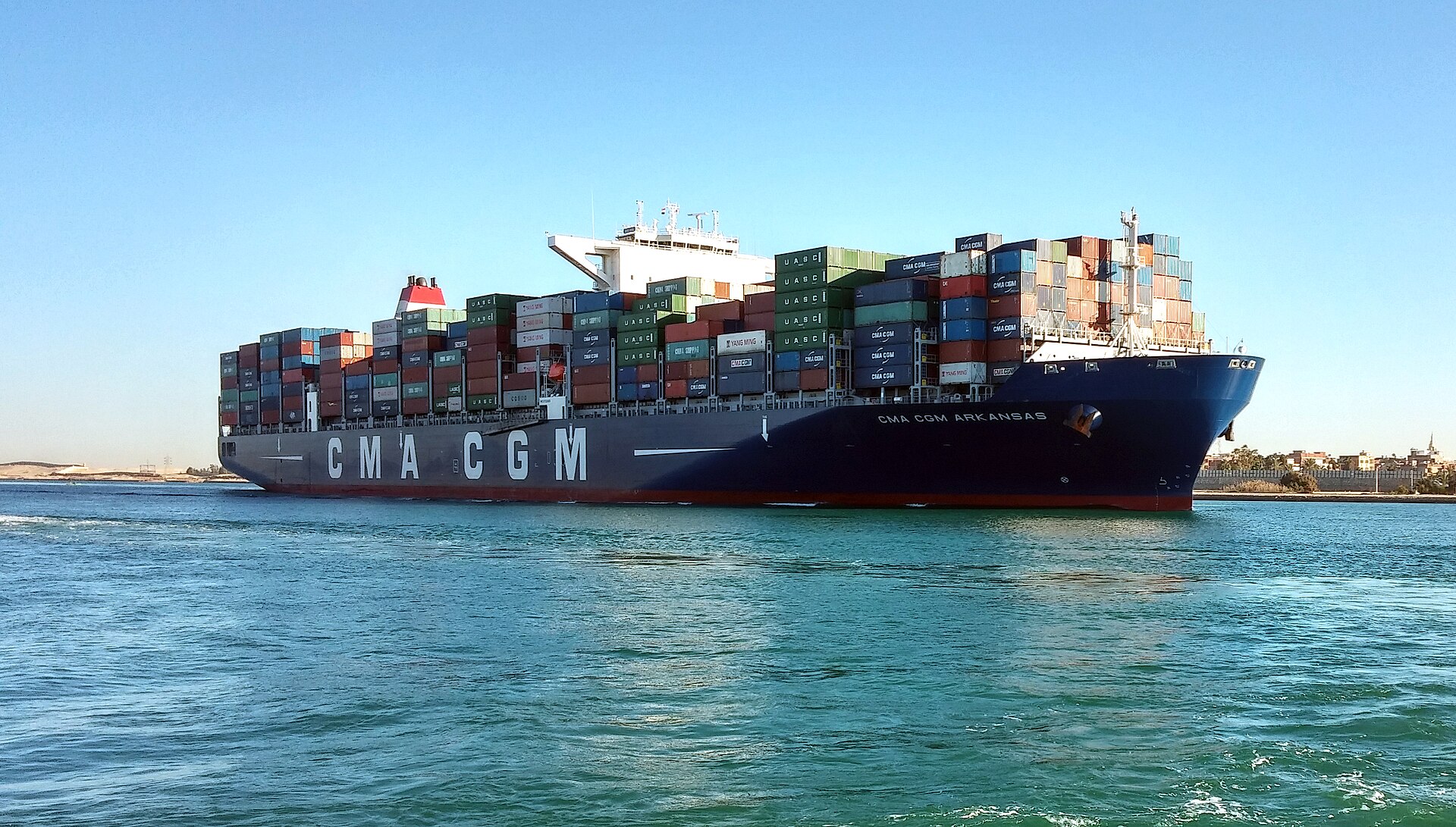
- Suez Canal: US$4.67 billion in fiscal 2025/26, up 23 percent, said canal chief Rabie. That is still far below about US$10.2 billion in 2023, before attacks on Red Sea shipping.
- Portfolio money: foreign buyers of Egyptian treasury bills, attracted by high local interest rates, who can leave quickly.
The IMF expects growth of about 4.6 percent in fiscal 2025/26, slowing to 4.4 percent in fiscal 2026/27, citing the lagged effects of the Iran war.
What It Means for US Readers
For investors, the simplest ways in are CIB’s London-traded receipts, Egyptian treasury bills and US-listed APA. High local yields come with currency risk. The pound is about 9 percent weaker than its pre-war level of EGP 47.99, Ahram Online calculated. Check the IMF’s final review and the next central bank decision before adding exposure.
For US exporters, Egypt is a surplus market. US goods exports reached US$9.4 billion in 2025, against imports of US$2.8 billion, the US Trade Representative says. Total goods and services trade was about US$16.1 billion.
For travellers and expats, the weak pound makes Egypt cheaper in dollar terms. Prices in pounds still rise fast, with inflation in the mid-teens. State and army-linked firms are active in fuel, construction and land, so local partners matter for anyone setting up a business.
More: Egypt news, every day from The Rio Times.
Background: Egypt’s 2026 Economy Has Record Reserves, Weaker Pound.
Background: Egypt Sees No Need for New IMF Programme.
Background: Suez Canal Revenue Still Far Below Peak, Egypt Says.
Background: Egypt and Chevron Sign US$88 Million Lotus Block Exploration Deal.
Background: Egypt Geopolitics Explained 2026.
Background: Egypt Explained: The Country, Sisi’s Egypt and What to Watch.
What Is Not Known
Whether the final IMF review closes on time. The programme ends in December 2026, and the Fund wants faster asset sales first. Madbouly says no new programme is needed, and no follow-up arrangement with the Fund has been announced.
How far the army will really step back. Only a 10 percent stake in part of Wataniya has changed hands so far. Prices, valuations and listing dates for Safi, Silo Foods, Chill Out and the roads company have not been published.
Whether the Suez Canal recovers fully. Revenue depends on Red Sea security, which Cairo does not control. The canal authority has projected higher income for 2026/27, but shipping lines decide route by route.
How long the central bank leadership stays. Abdalla’s mandate has been renewed one year at a time, so his position comes up for review every August.
Frequently Asked Questions
Who are the key players in Egypt’s economy?
The state side is President Abdel Fattah El-Sisi, Prime Minister Mostafa Madbouly, his economic ministers and Central Bank Governor Hassan Abdalla. Beyond them are the army’s business arm, Gulf sovereign funds and listed groups such as CIB, Talaat Moustafa Group and Elsewedy Electric.
Who is Egypt’s finance minister in 2026?
Ahmed Kouchouk, who has held the post since the 2024 reshuffle and kept it in the February 2026 reshuffle. Hussein Eissa became Deputy Prime Minister for Economic Affairs at the same time.
What is Egypt’s biggest source of dollars?
Remittances from Egyptians working abroad. They reached a record US$47.3 billion in the year to June 2026, the Central Bank of Egypt says. In the nine months to March 2026 alone they reached US$34.9 billion.
What is Egypt’s largest private bank?
Commercial International Bank (CIB), by its own account. It reported a first-half 2026 net profit of EGP 39.3 billion, about US$750 million, and its depositary receipts trade in London.
Does the army own businesses in Egypt?
Yes. The army’s National Service Projects Organization owns companies such as Wataniya fuel stations and Safi water. In June 2026 Taqa Arabia bought 10 percent of a new company holding 172 Wataniya stations, the first such sale.
Which US oil company is the main acreage holder in Egypt’s Western Desert?
APA Corporation, through Apache, is the largest acreage holder there. It held 7.5 million gross acres at the end of 2025. Egypt supplied 31 percent of APA’s 2025 production, including Sinopec’s share.
Sources: World Bank, Egypt GDP and population, data.worldbank.org; Presidency of Egypt, swearing-in of new ministers, 11 February 2026, www.presidency.eg; Ahram Online, reshuffled economic cluster, english.ahram.org.eg; Central Bank of Egypt, governor at Alamein Africa Forum, 4 October 2026, ebs.publicnow.com; Ahram Online, CBE exchange rate, 1 October 2026, english.ahram.org.eg; IMF press release 26/271, 30 July 2026, www.imf.org; CIB 2Q26 earnings release, www.ticker.app; TMG Holding H1 2026 results (Zawya), www.zawya.com; Elsewedy Electric H1 2026 (Arab Finance), www.arabfinance.com; EFG Holding board report 2Q26, efgholding.com; APA Corporation 2025 Form 10-K, www.sec.gov; US Trade Representative, Egypt, ustr.gov; Ahram Online, remittances FY2025/26, english.ahram.org.eg; Ahram Online, Suez Canal revenue FY2025/26, english.ahram.org.eg; Gulf Times, Alam El Roum agreement, www.gulf-times.com; Mada Masr, Wataniya transfer, www.madamasr.com; Al-Ahram Weekly, end of the public business sector, english.ahram.org.eg; EnterpriseAM, Sovereign Fund and state enterprises, enterpriseam.com; Central Bank of Egypt balance of payments July to March 2025/26 (Daily News Egypt), www.dailynewsegypt.com; EnterpriseAM, Taqa Arabia and Wataneya, enterpriseam.com; Egypt Oil & Gas, Sawiris and gold, egyptoil-gas.com. All accessed 6 October 2026.
This article was produced by The Rio Times’ automated newsroom system. How we use AI · Report an error · Editorial responsibility: Matthias Camenzind, Editor-in-Chief
Part of our ongoing coverage
Africa: The New Scramble — the great-power contest over the continent.