Salmonella Outbreak Hits Costa Rica Hospital

COSTA RICA · PUBLIC HEALTH · TRAVEL SAFETY
Costa Rica’s Ministry of Health is investigating 66 suspected salmonella cases among workers at Hospital CIMA in Escazú, and the US Embassy issued a health alert on Friday, 23 October, advising its personnel to consider other places for medical care.
Key Facts
- —Cases 66 suspected, 2 confirmed by laboratory tests, 2 hospitalized and no deaths, as of 21 October.
- —Who Workers at Hospital CIMA in Escazú, San José province; the first alert came on 16 October.
- —Cause Salmonella spp. was found in the cases investigated, but the source of infection is not confirmed.
- —US alert Embassy personnel were advised on 23 October to consider other medical facilities.
- —Symptoms Diarrhea, abdominal pain, nausea, vomiting, fever and general malaise.
- —Power Index Costa Rica ranks 9th of 14 in The Rio Times Latin America Power Index, with 36.5 points (October 2026 edition).
Costa Rica’s Ministry of Health is investigating a Salmonella outbreak among workers at Hospital CIMA in Escazú, in San José province, and the US Embassy has issued a health alert about it. In its latest update, dated Wednesday, 21 October 2026, the ministry counted 66 suspected cases, two confirmed by laboratory tests, two hospitalized people and no deaths.
The alert matters to US readers because the embassy told its own personnel on Friday, 23 October, to consider alternative places for medical care until the outbreak is resolved. It also stresses that the source of infection has not been confirmed, that food is only a preliminary hypothesis and that public reports so far describe cases among hospital workers.
In Plain English
- Hospital CIMA: a hospital in Escazú, in San José province; La Nación spells out the name as Centro Internacional de Medicina Avanzada.
- Salmonella spp.: a group of bacteria that cause foodborne illness; the laboratory named the genus, and no strain has been published.
- Suspected and confirmed cases: a suspected case has matching symptoms, and a confirmed case also has a positive laboratory test; the ministry has not published its exact case definition.
- Ministry of Health: Costa Rica’s health authority, which investigates outbreaks of illness carried by food and water; Christian Valverde is its Director General of Health.
What the Health Ministry and the Hospital Have Said
The ministry says the alert reached it on Friday, 16 October, and that it then activated its procedures for monitoring and responding to outbreaks of illness carried by food and water. In its update on Wednesday, 21 October, it described a preliminary food-borne outbreak affecting hospital workers, with 66 suspected cases, two laboratory-confirmed cases, two hospitalizations and no deaths.
The reported symptoms are diarrhea, abdominal pain, nausea, vomiting, fever and general malaise, and laboratory analysis identified Salmonella spp. in the cases investigated. The ministry says it is still reviewing epidemiological and laboratory data to find the exposure that the affected people share and the way the bacteria spread.
“We are maintaining the analysis of the epidemiological and laboratory information to identify the common exposure factor and determine the possible transmission mechanism. These actions are fundamental to advancing the investigation and clarifying the origin of the outbreak.”
Christian Valverde, Director General of Health, Ministry of Health, 21 October 2026 (translated from Spanish)
Hospital CIMA told the news site El Observador on Wednesday that it detected the outbreak among its staff last week, activated its protocols and notified the ministry, whose officials then inspected the facilities. The hospital said its follow-up and containment measures let it control the situation early, but it did not say how many workers were affected, what the source might be or whether any hospitalized patients were infected.
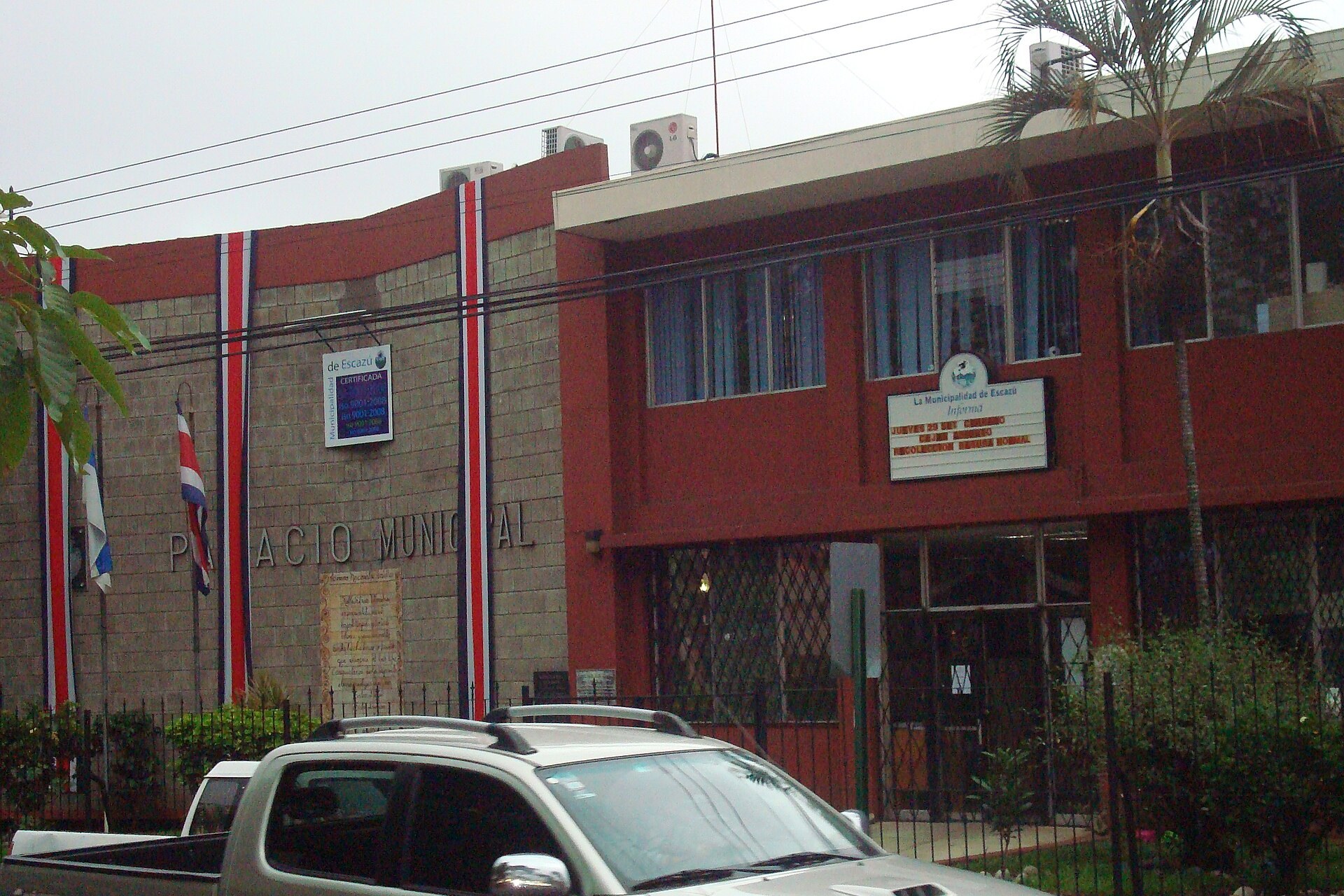
What the US Embassy Alert Says
The embassy’s Health Alert, dated Friday, 23 October 2026, repeats the ministry’s figures of 66 suspected cases, two laboratory-confirmed cases and two hospitalized patients. It says the embassy has advised its personnel to consider alternative locations for medical care until the outbreak has been resolved, and it points readers to a non-exhaustive list of hospitals and medical providers on its website.
The alert adds that the ministry is working to identify the exposure common to those affected and the mechanism of transmission. It calls foodborne transmission a preliminary hypothesis only, with no specific food identified and the source of contamination not confirmed.
The Embassy’s Advice at a Glance
- Hygiene: wash hands with soap and water after using the restroom and before preparing or eating food.
- Food: keep raw and cooked foods apart, cook eggs, poultry and meat thoroughly, refrigerate perishables promptly, wash produce and avoid unpasteurized dairy.
- If you are sick: drink fluids, contact a medical provider, and do not prepare food for others while you have symptoms.
- Urgent care: persistent vomiting, dehydration, bloody stools, high or persistent fever, or symptoms lasting more than a few days.
- Earlier evaluation: infants, young children, older adults, pregnant people and people with weakened immune systems.
Costa Rican outlets reported the alert on Saturday, 24 October, with La Nación noting that it restates data the ministry released on Wednesday. El Observador added that the alert does not say whether the two hospitalized people are the same two whose tests confirmed the infection.
How the Outbreak Unfolded
The ministry says it received the alert on Friday, 16 October, and published its update on Wednesday, 21 October. The embassy followed on Friday, 23 October, and Costa Rican outlets reported the embassy alert on Saturday, 24 October.
Timeline
- Friday, 16 October: the Ministry of Health receives the alert and starts its outbreak procedures.
- Wednesday, 21 October: the ministry publishes the figure of 66 suspected cases, and the hospital confirms to El Observador an outbreak among its staff.
- Friday, 23 October: the US Embassy publishes its Health Alert.
- Saturday, 24 October: La Nación and El Observador report the embassy alert.
- Sunday, 25 October: the ministry’s news page shows no newer statement on the outbreak.
Because the embassy repeated the ministry’s numbers without adding new ones, the count of 66 suspected cases dates from 21 October. The ministry’s news page showed no later statement on the outbreak by Sunday morning, 25 October, so today’s true count may differ.
Two confirmed cases out of 66 suspected is about 3%, which means the public figures link only a small share of the cases to a laboratory result. The ministry has not said how many workers have been tested.
What Salmonella Is and How It Spreads
Salmonella is one of four key global causes of diarrheal disease, according to the World Health Organization, and most cases are mild. Symptoms begin 6 to 72 hours after the bacteria are swallowed, usually 12 to 36 hours, and the illness lasts 2 to 7 days.
Most patients recover without specific treatment, but dehydration can become severe and life-threatening, particularly in children and older people. People usually catch the infection by eating contaminated food of animal origin, mainly eggs, meat, poultry and milk, although other foods can carry it, and it can also pass from person to person through the fecal-oral route.
A positive laboratory test shows which germ made someone ill, not where the germ came from, which is why the ministry is still searching for the exposure the patients share. The routes above are the general pattern for Salmonella and do not identify the cause of the Hospital CIMA outbreak.
What It Means for You
For US citizens living in or visiting Costa Rica, the embassy’s alert reads as a precaution rather than a ban: it does not tell the public to avoid Escazú, Hospital CIMA or the country, and its advice to consider alternative places for medical care is addressed to embassy personnel. Neither the ministry’s update nor the alert announces a closure or restriction at the hospital.
Anyone with an appointment at Hospital CIMA can ask the hospital which infection-control measures are in place, and anyone with diarrhea, vomiting or fever should follow the embassy’s guidance on fluids and urgent care. The embassy’s separate medical-assistance page recommends travel insurance, warns that Medicare does not cover hospital or medical costs outside the United States and says that many foreign doctors and hospitals require payment in cash before service.
That page also says a medical evacuation back to the United States can cost US$10,000 and up, depending on location and medical condition. Travelers and residents who rely on hospitals in the San José area should check what their policy covers before they need it.
What Is Not Known
The source of the infection is not known, because the ministry has not identified the exposure the patients share and no specific food has been named. The embassy calls foodborne transmission a preliminary hypothesis only.
No update after Wednesday, 21 October, had been published by Sunday morning, so it is unknown whether the number of suspected or confirmed cases has grown. It is also unknown whether the two hospitalized people are the same two whose tests confirmed Salmonella, a gap El Observador pointed out.
The hospital’s statement on Wednesday did not say how many workers were affected or whether any patients caught the infection, and no strain of Salmonella has been published. The ministry has not said how many workers have been tested or when its investigation will end, and the embassy has not defined when the outbreak will count as resolved.
Connected Coverage
- Costa Rica Explained: The Country, Its Politics, Its Economy and What to Watch
- Where to Live in Costa Rica: Six Regions Compared on Rent, Internet and Hospitals
- San José City Guide for Expats and Visitors
- Costa Rica Politics Explained, Who Holds Power in 2026
- Costa Rica Red Drought Alert Hits 10 Areas
Frequently Asked Questions
What is happening at Hospital CIMA in Costa Rica?
The Ministry of Health is investigating a Salmonella outbreak among workers at Hospital CIMA in Escazú. On 21 October it counted 66 suspected cases, two laboratory-confirmed cases, two hospitalizations and no deaths.
Has the US Embassy issued a warning?
Yes, the embassy published a Health Alert on Friday, 23 October. It advised its own personnel to consider alternative locations for medical care until the outbreak is resolved.
Is it known how the workers were infected?
Not yet. The ministry calls the outbreak preliminarily foodborne, but no specific food has been identified and the source of contamination is not confirmed.
What symptoms should travelers watch for?
The reported symptoms are diarrhea, abdominal pain, nausea, vomiting, fever and general malaise. The embassy says to seek urgent care for persistent vomiting, dehydration, bloody stools, high fever or symptoms lasting more than a few days.
How long does a Salmonella illness last?
Symptoms begin 6 to 72 hours after infection and the illness lasts 2 to 7 days, the World Health Organization says. Most people recover without specific treatment, but dehydration can become severe.
Does this affect travel to Costa Rica?
Neither the ministry’s update nor the embassy’s alert restricts travel to Costa Rica or Escazú. The advice to find alternative care is for embassy personnel, and the alert gives food-safety steps for everyone.
Sources: Costa Rica Ministry of Health, outbreak update, 21 October 2026, US Embassy San José, Health Alert, 23 October 2026, US Embassy San José, medical assistance page, El Observador, hospital statement, 21 October 2026, El Observador, ministry figures, 21 October 2026, El Observador, embassy alert, 24 October 2026, La Nación, embassy alert, 24 October 2026, World Health Organization, Salmonella (non-typhoidal) fact sheet. All opened on 25 October 2026. The ministry’s figures are those of 21 October, and no newer count had been published by Sunday morning. No prediction market on this topic was found.
This article was produced by The Rio Times’ automated newsroom system. How we use AI · Report an error · Editorial responsibility: Matthias Camenzind, Editor-in-Chief