Costa Rica Reopens Turrialba Volcano Park and Guayabo Ruins After Rain Closures
Travel Alerts
Key Facts
- Reopened. Wednesday, August 26, 2026 — both sites returned to normal visitor service.
- Why they closed. Heavy rainfall from Tropical Wave 33 and an orange alert raised landslide and falling-material risks from August 18.
- Inspections. Officials found no significant damage from the two most recent tropical waves; access roads are cleared.
- Guayabo. Costa Rica’s most important protected archaeological site: pre-Columbian stone structures, roads and aqueducts from roughly 1000 BC to 1400 AD.
- Caveat. SINAC warns conditions can change quickly in rainy season — confirm opening hours before traveling.
Costa Rica reopened Turrialba Volcano National Park and the Guayabo National Monument on August 26, after inspections found that the heavy rains tied to Tropical Wave 33 had caused no significant damage — both sites had been closed since August 18.
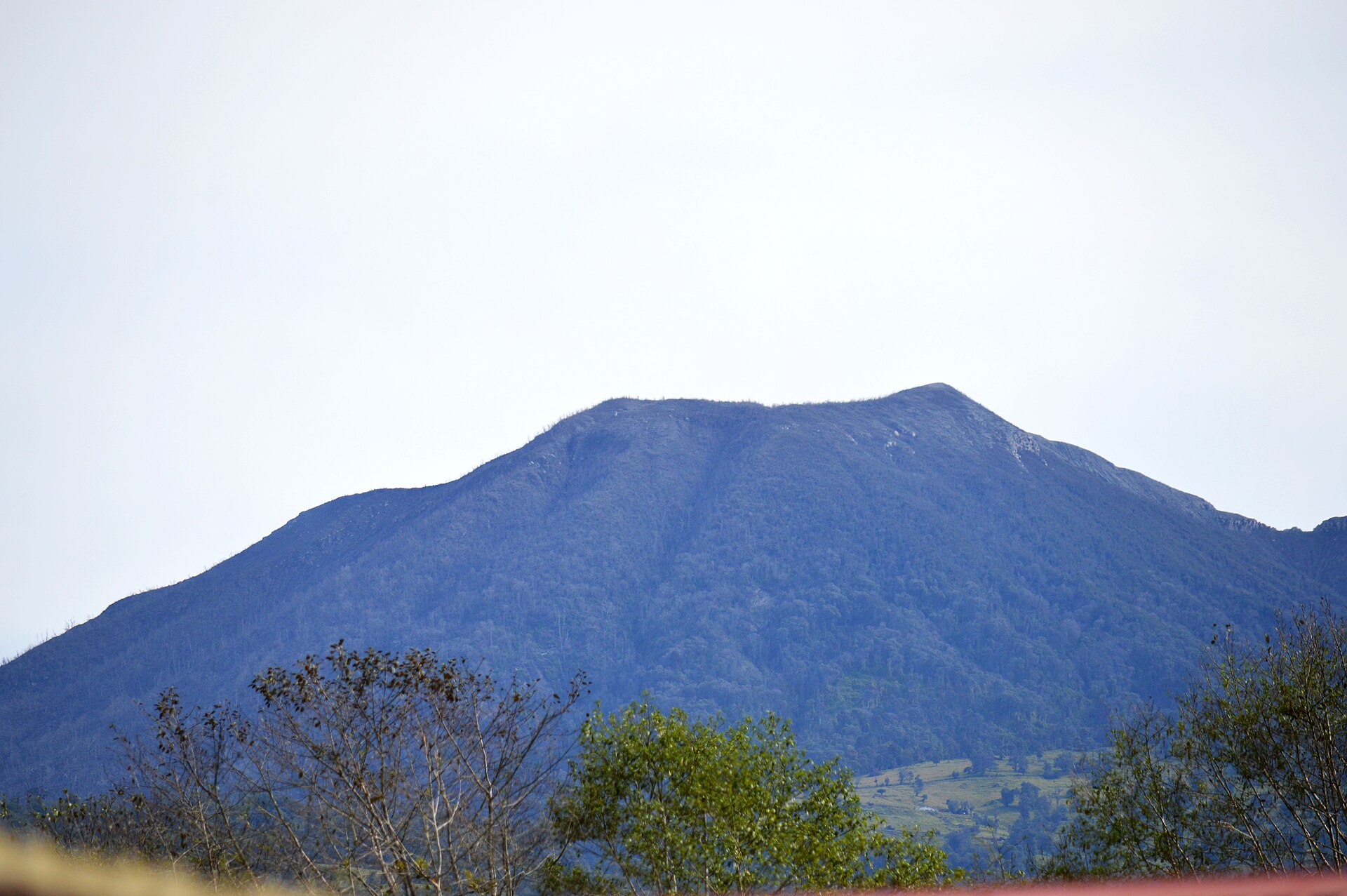
Eight days after saturated soils and an orange weather alert shut them down, two of the Turrialba region’s signature attractions are back: the volcano park and Costa Rica’s most important archaeological site both reopened Wednesday.
An Eight-Day Pause
The Ministry of Environment and Energy and the National System of Conservation Areas (SINAC) closed both sites on August 18 as Tropical Wave 33 dropped heavy rain on the Caribbean slope and the Turrialba region.
With soils saturated, the concern was landslides and falling debris on trails and access roads — the standard rainy-season calculus for Costa Rica’s mountain parks.
What Inspectors Found
Pre-reopening inspections determined the two most recent tropical waves had not caused significant damage in the area, and roads to both attractions were cleared for traffic.
The reopening is particularly welcome in Turrialba, among the regions hit hardest by an unusually active rainy season in recent weeks.
Why Guayabo Matters
Guayabo National Monument protects Costa Rica’s most significant pre-Columbian site: around 20 hectares of stone mounds, causeways, petroglyphs and aqueducts from a city occupied roughly between 1000 BC and 1400 AD.
Its still-functioning aqueducts earned it designation as an International Historic Civil Engineering Landmark — a rarity in Central America and the strongest reason to build a Turrialba day around it.
The Volcano Side of the Trip
Turrialba Volcano National Park gives access to the slopes of one of Costa Rica’s best-known active volcanoes; the park only returned to regular tourism in recent years after long closures driven by volcanic activity.
Together, volcano and ruins make Turrialba one of the country’s best two-for-one excursions — about two hours from San José.
Rainy-Season Reality Check
SINAC cautions that operating conditions can change quickly if heavy rain returns; visitors should follow park staff instructions and confirm the day’s hours before setting out.
For expats and travelers, the practical rule of Costa Rica’s green season applies: go early in the day, watch the weather bulletins, and keep plans flexible.
Frequently Asked Questions
Are Turrialba Volcano and Guayabo open again?
Yes. Both Turrialba Volcano National Park and Guayabo National Monument reopened on August 26, 2026, after being closed since August 18 due to heavy rains from Tropical Wave 33.
What is the Guayabo National Monument?
Guayabo is Costa Rica’s most important archaeological site — pre-Columbian stone structures, roads, petroglyphs and aqueducts dating from roughly 1000 BC to 1400 AD, recognized as an International Historic Civil Engineering Landmark.
Do I need to check anything before visiting Turrialba Volcano?
Yes. SINAC advises confirming the day’s opening hours before traveling, especially in rainy season, since conditions can change quickly with new heavy rain.
Connected Coverage
Costa Rica’s parks open and close with the rains — we track the alerts so your trip survives the season.
Sources: The Tico Times; SINAC; MINAE.
This article was produced by The Rio Times’ automated newsroom system. How we use AI · Report an error
Read More from The Rio Times