
COSTA RICA · STATE-LINKED FUNDS
Key Facts
- The country Costa Rica is a Central American country whose state-owned Banco de Costa Rica (BCR) controls a fund manager that handled US$1.39 billion for investors at the end of March 2026.
- Why it matters A regulator forced a state-bank subsidiary to buy a warehouse park from its own investment fund, a live test of how far oversight of state-linked finance reaches in Costa Rica.
- Why now The transfer was completed and filed with the securities regulator on Tuesday 27 October 2026, almost two years after the order and after a string of lost appeals.
- What happened BCR SAFI took the Parque Empresarial del Pacífico out of a real estate fund and paid US$89.36 million in total, of which US$87.05 million was credited to the fund.
- The numbers The total of US$89,364,007.20 adds US$87,054,983.78 for the fund and US$2,309,023.42 in legal costs, against a 2020 purchase price of US$70.8 million.
- What it means for you The case shows that a Costa Rican regulator can force a state-bank group to compensate a dollar fund, with no direct effect on US travel or trade.
- Still open How the money is used inside the fund, what BCR SAFI does with the park, and how the lawsuit and the criminal investigation end.
- Power Index Costa Rica ranks 9th of 14 in The Rio Times Latin America Power Index, with 36.5 points (October 2026 edition).
In Plain English
BCR SAFI is a sociedad administradora de fondos de inversión, a company licensed to run investment funds. The fund involved is a closed-end real estate fund priced in US dollars, which pools money from many investors to buy and rent out buildings, according to Moody’s Local Costa Rica.
SUGEVAL, the Superintendencia General de Valores, is Costa Rica’s securities regulator, created by the 1998 securities law, and CONASSIF is the national council that governs it and three other financial superintendencies. A hecho relevante is a mandatory market notice that a regulated company files when something affects its business or a fund.
The BCR SAFI Pacific Park deal closed on Tuesday 27 October 2026, when the fund manager of Costa Rica’s state-owned Banco de Costa Rica (BCR) took a warehouse complex out of a fund it runs and paid US$89.36 million in total. Of that sum, US$87.05 million was credited to the fund and US$2.31 million covered the legal costs of the transfer, according to the manager’s own filing with the securities regulator.
The property is the Parque Empresarial del Pacífico, a 540,400 square meter site of industrial warehouses near the Pacific port of Caldera, and the regulator SUGEVAL ordered the park’s exit from the fund in October 2024 to undo a 2020 purchase that investors and auditors had challenged. For US readers, the fund is priced in US dollars and had 1,505 investors in March 2026, and the case tests how far oversight reaches into the state-owned banks of Costa Rica.
Who BCR SAFI Is
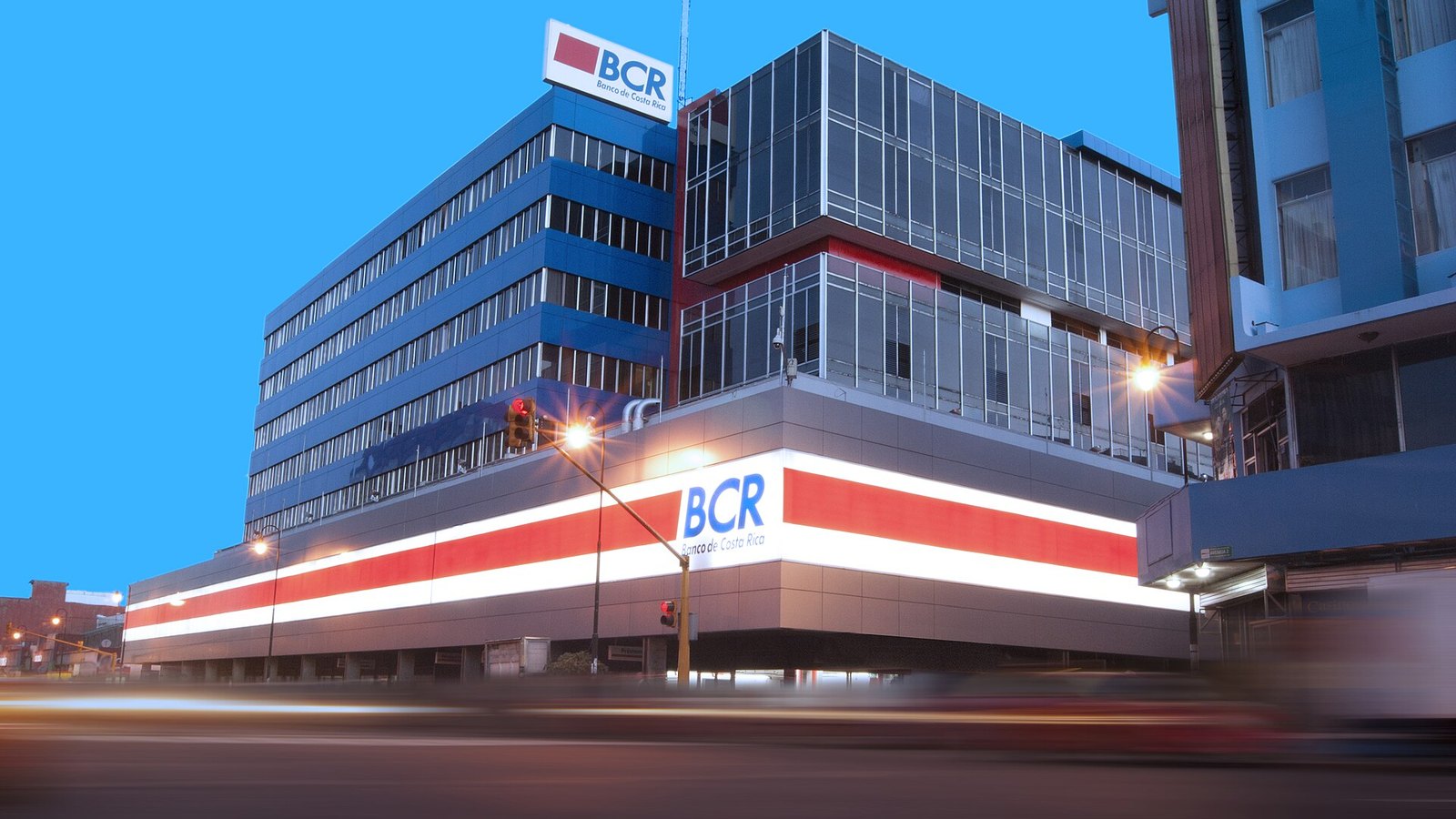
BCR SAFI was founded in 1999 and is owned entirely by Banco de Costa Rica, according to Delfino.cr, and La Nación describes BCR as a state bank (see the Banco de Costa Rica profile and who runs Costa Rica’s economy). At 31 March 2026 it managed US$1.39 billion across its funds, about 18% of the market, according to the rating agency Moody’s Local Costa Rica.
The fund at the center of the deal held US$378.08 million in assets on 31 March 2026, and its occupancy of 42.07% was the lowest among Costa Rican real estate funds, Moody’s Local said in a rating report dated 20 July 2026. The park made up half of the fund’s leasable area, and the agency said its exit could lift the fund’s occupancy.
What the Pacific Park Is
The Parque Empresarial del Pacífico is a complex of industrial warehouses in Espíritu Santo de Esparza, in Puntarenas province, 4.5 kilometers from the port of Caldera, La Nación reported. Its site covers 540,400 square meters, about 134 acres, while a 2024 survey filed by BCR SAFI counted 201,433 square meters as leasable, El Observador reported.
A company linked to former lawmaker Humberto Vargas Corrales sold the complex to the fund in 2020 for US$70.8 million, according to La Nación and El Financiero, and El Financiero added that the seller had built it. La Nación reported that the regulator’s 2024 order treats the property as unfinished when bought, which securities rules do not allow for a real estate fund.
Occupancy has fallen sharply since the purchase, from 97% and six tenants in December 2022 to below 50% a year later, according to BCR Fondos reports cited by El Financiero and CRHoy. Moody’s Local listed the park as 100% vacant in March 2026 and said a health order blocks the marketing of the available space.
How the BCR SAFI Pacific Park Deal Works
SUGEVAL ordered the park’s exit from the fund in resolution SGV-R-179-2024 of 29 October 2024, which required a plan to return the fund to its position before the 2020 purchase. BCR SAFI and BCR filed that plan on 29 July 2025, and under it BCR SAFI bought the park from the fund it manages, so buyer and seller answer to the same manager inside one state-owned bank group.
BCR and BCR SAFI lost their appeals at SUGEVAL and at the council CONASSIF, which rejected them on 23 June 2025, and their bids to suspend the order in court on 29 April and 10 August 2026, according to the filing. Their boards and shareholders then approved the purchase on 17 and 18 August 2026, and the record says it was done under protest and with all legal rights reserved.
BCR announced the deal on 18 August at US$70.8 million, the 2020 price, but the filing sets the total at US$89,364,007.20, made up of US$87,054,983.78 for the fund and US$2,309,023.42 in legal costs. The fund’s share covers the property’s exit value plus financial costs and other items set by the order, without a breakdown, and the press figures of US$87 million (Delfino.cr), US$89 million (Diario Extra) and US$89.3 million (La Nación) describe the same deal.
The regulator asked BCR SAFI to raise fresh capital of 22,000 million colones (US$48.3 million) in July 2024 and 19,260 million colones (US$42.3 million) in December 2025, and its shareholders approved both, according to the filing, with amounts converted at the Central Bank of Costa Rica’s reference selling rate of 455.53 colones per US dollar on 27 October 2026. BCR said in August that the deal would not affect its profits or equity, and La Nación reported that the 2024 order says the money should repay the fund’s liabilities.
Why the State Link Matters
The US$87.05 million credited to the fund includes financial costs, while valuations of the property itself are far lower, at US$27.4 million in a 2023 appraisal by the construction firm Cocosa (Delfino.cr) and US$24.2 million for 2026 (El Observador). Investors, an internal audit and prosecutors have all examined the 2020 price.
An internal audit of the BCR group found an overpricing of about US$35 million, La Nación reported, and prosecutors were investigating 14 people, officials and former officials of BCR among them, over the allegedly overpriced purchase of the park and eight other properties, La Nación said in August. El Observador noted that an investigation is not a finding of criminal responsibility, and the coverage reviewed reports no charges.
The regulator’s order also holds BCR, as controlling bank, answerable for its subsidiary, La Nación reported in 2024, after BCR had told a group of investors that it bore no tangible responsibility. The deal is a related-party transfer, since the same group stands on both sides, but the amount was set under the regulator’s order and not by a market price.
What It Means for You
For US investors, the case shows that a Costa Rican regulator can order a state-bank group to compensate a dollar fund, a signal about governance risk in state-linked funds across Latin America. The filing does not say whether any US-based investor holds the fund, so no direct effect on US holders can be stated.
For US companies looking for warehouse space near the Pacific port of Caldera, the park is now an asset of BCR SAFI, and BCR said in August that the group will define a plan to use it. Travelers, importers and exporters face no direct effect, because the deal changes who owns the buildings, not the port or any trade rule.
What Is Not Known
It is not known how the US$87.05 million will be used inside the fund or how much will reach investors, because the filing does not describe the SUGEVAL letter of 24 March 2026 that governs the use of the money. The breakdown of the payment’s financial costs and other items has not been published either.
It is not known what BCR SAFI will do with the park, who occupies it today, or how to read the third capital increase, since the filing words that amount ambiguously. The outcome of BCR’s lawsuit against the Central Bank of Costa Rica, filed on 27 April 2026, and of the criminal investigation also remains open, and a separate look at what happens next follows those decisions.
Frequently Asked Questions
What is the BCR SAFI Pacific Park deal?
BCR SAFI, the fund manager of state-owned Banco de Costa Rica, took the Parque Empresarial del Pacífico out of its real estate fund on 27 October 2026. It paid US$89.36 million in total, of which US$87.05 million went to the fund.
Why did BCR SAFI buy the Pacific Park?
Costa Rica’s securities regulator SUGEVAL ordered the park’s exit in October 2024 to return the fund to its position before the 2020 purchase. BCR and BCR SAFI lost their appeals and complied under protest.
How much did BCR SAFI pay for the Pacific Park?
The filing sets the total at US$89,364,007.20, made up of US$87.05 million for the fund and US$2.31 million in legal costs. Press reports of US$87 million, US$89 million and US$89.3 million describe the same deal.
Who owns Banco de Costa Rica?
Banco de Costa Rica is a state-owned bank, and BCR SAFI is its fund-management subsidiary. Delfino.cr reports that BCR owns all of BCR SAFI’s capital.
Are US investors affected by the Pacific Park deal?
The filing does not say whether US-based investors hold the fund, which is priced in US dollars and had 1,505 investors in March 2026. No effect on US travel, trade or tariffs has been reported.
Sources: SUGEVAL, hecho relevante CHR-9250 filed by BCR SAFI (entry 117257), 27 October 2026; SUGEVAL, institutional history; Banco de Costa Rica, press release, 18 August 2026; Moody’s Local Costa Rica, BCR Fondo de Inversión Inmobiliario No Diversificado rating report, 20 July 2026; La Nación, 27 October 2026; La Nación, 18 August 2026; La Nación, 30 October 2024; El Observador, 27 October 2026; El Observador, 25 September 2024; Delfino.cr, 28 October 2026; Diario Extra, 27 October 2026; El Financiero, 19 August 2026; El Financiero, 3 March 2023; CRHoy, 13 May 2024.
This article was produced by The Rio Times’ automated newsroom system. How we use AI · Report an error · Editorial responsibility: Matthias Camenzind, Editor-in-Chief