
GUIDES · COSTA RICA
Key Facts
- —Country Costa Rica is a Central American republic of beaches, volcanoes and rainforest. It received 2,943,991 international visitors in 2025, 1,627,807 of them from the United States, per the tourism board ICT.
- —Entry US citizens need no visa for tourist stays of under 180 days, but must show a return or onward ticket. The immigration officer sets the length of stay (State Department and ICT, accessed 11 October 2026).
- —Money The colón trades at ₡455.60 per US dollar, the central bank’s reference selling rate for 11 October 2026. US dollars and major cards are widely accepted.
- —Fees The airport departure tax is US$29, usually built into the airline ticket. Foreign adults paid US$21 a day for Chirripó National Park as of October 2025.
- —Safety The US State Department rates Costa Rica Level 2, Exercise Increased Caution, in an advisory issued on 2 April 2026, citing crime.
Costa Rica travel costs run higher than most first-time visitors from the United States expect, because the country prices tourism in dollars while its own currency has climbed. A strong colón, a 13 percent sales tax and paid park entry all add up. This guide sets out the entry rules, the regions worth the money and realistic daily budgets in US dollars.
The country is still the closest rainforest-and-beach trip for many Americans, with direct flights to San José and Liberia. More than half of its 2025 visitors came from the United States, per the Costa Rican Tourism Institute (ICT), the state tourism board.
Costa Rica Travel Costs at a Glance
Costa Rica travel costs are shaped first by the exchange rate. The central bank’s reference selling rate stood at ₡455.60 per US dollar on 11 October 2026, as published by the Finance Ministry. At the start of Easter week 2026 the dollar bought ₡466, against ₡657 at Easter 2022, Teletica reported.
That shift matters because hotels and tour operators charge visitors in dollars but pay wages and suppliers in colones. They have raised dollar prices to cover the gap, said Flora Ayub, executive director of the Costa Rican Chamber of Hotels (CCH), the main hotel lobby, in March 2026. Víctor Umaña, director of the Centre for Tourism Studies (CET), a research body, put it the same way: tourism charges in dollars and pays almost all its costs in colones.
The result shows in the data. The average foreign visitor stayed 10.3 nights in 2025, down from 13.5 nights in 2022, according to a CET analysis reported by La República in September 2026. The same analysis of the World Economic Forum’s 2026 travel index ranks Costa Rica 86th of 110 countries on price.
- Average tourism receipts: about US$1,892 per arrival in the World Economic Forum’s 2026 index, roughly US$180 for each night of an average 10.3-night stay.
- Sales tax: 13 percent, included in the final price of goods and services, per ICT.
- Restaurant and hotel bills: include the 13 percent tax and a 10 percent tip, per ICT; extra tips are optional.
- Departure tax: US$29 per person by air, usually included in the ticket.
Entry Rules for US Citizens
US passport holders do not need a visa for tourist stays of less than 180 days, according to the State Department’s Costa Rica page. The stay is not guaranteed: the immigration officer at the border decides how many days to grant. Overstaying can lead to fines, deportation or a future entry ban.
Bring a passport valid for the whole stay and in good condition, because immigration may refuse a damaged one. Travellers must also show a return ticket or proof of onward travel to another country. ICT accepts a pre-paid bus or flight out of the country, or a cruise ticket, as proof.
ICT also lists a proof-of-funds rule: at least US$100 for each month or part of a month of legal stay, which officers may ask to see. The State Department lists US$10,000 as the cash limit on exit. Costa Rican minors, including children born in Costa Rica to US parents, need an immigration exit permit to leave.
Driving is allowed on a valid home licence for three months, according to ICT. The State Department advises carrying a passport and a US driver’s licence or an international driving permit. That three-month limit is shorter than the 180-day tourist stay, so longer visitors should plan around it.
Best Regions: Beaches, Rainforest and Family Trips
The ICT website groups the country into seven tourism regions. Most first trips combine one beach base with one inland base, because distances are short on the map but roads are slow. Two international airports serve visitors: Juan Santamaría near San José and Daniel Oduber in Liberia, Guanacaste.
Guanacaste and the Central Pacific for Beaches
Guanacaste, in the dry north-west, is the classic beach region and is closest to Liberia airport. The Central Pacific holds Manuel Antonio National Park near Quepos and the surf town of Jacó.
Arenal and the Caribbean for Rainforest
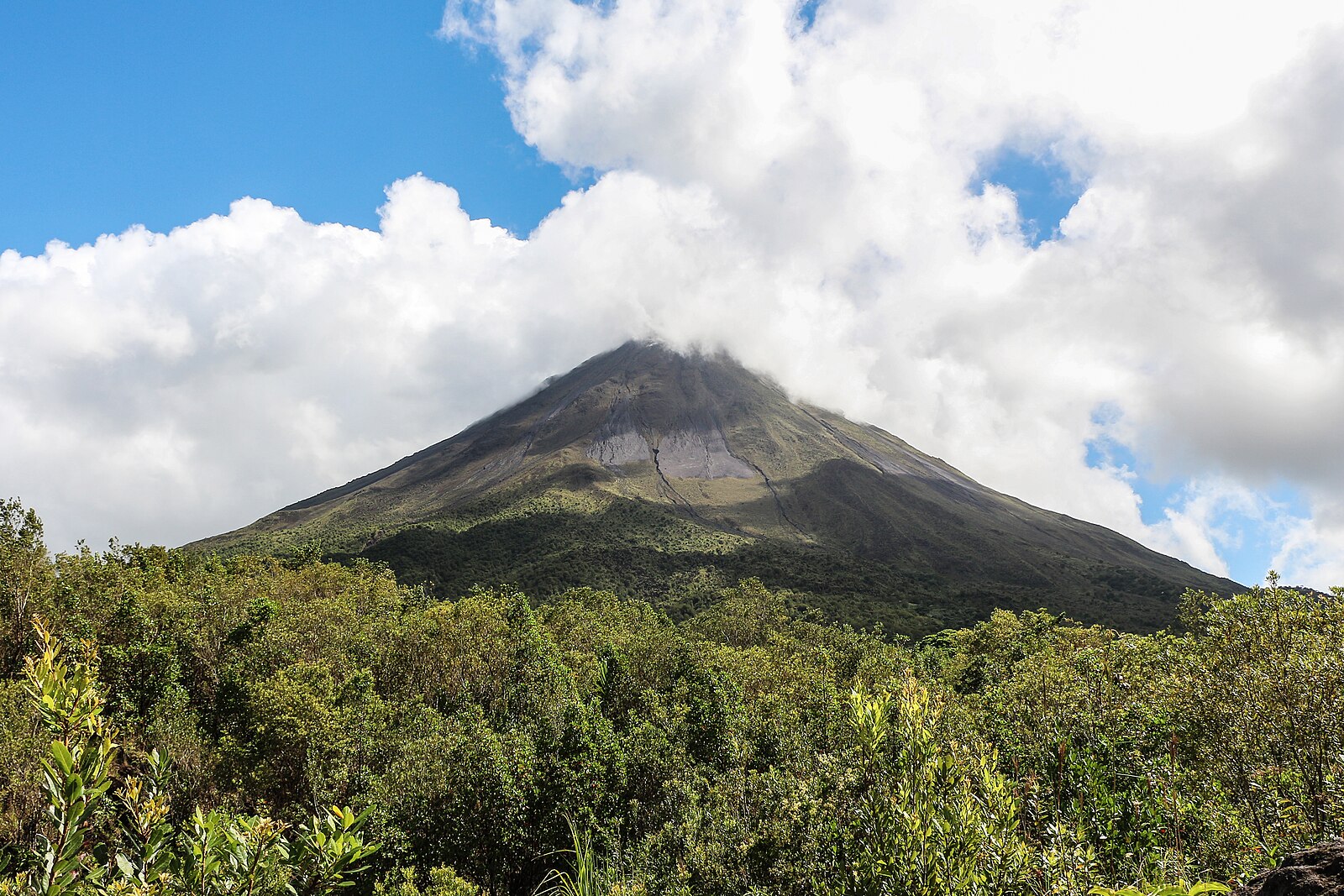
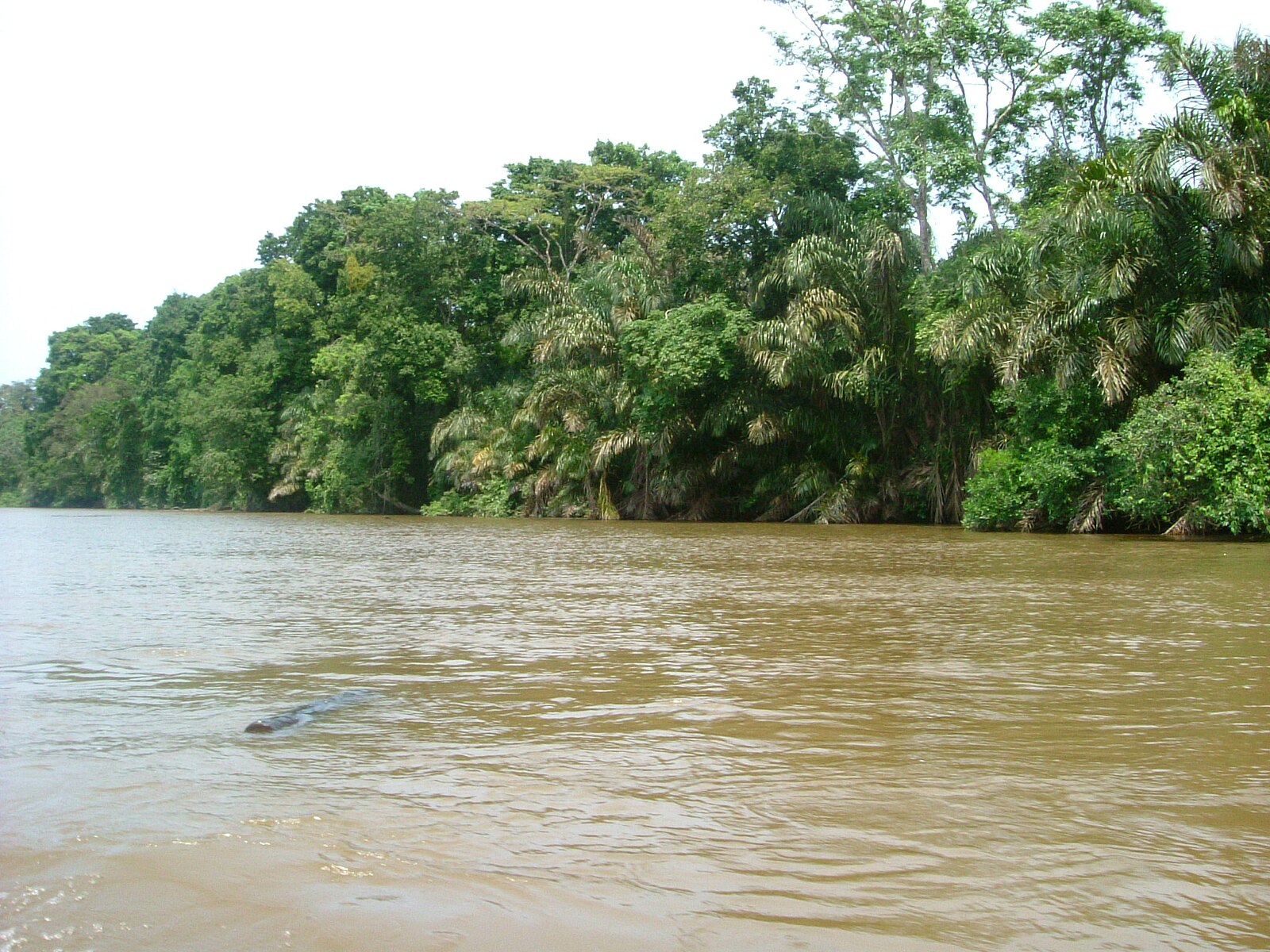
The Northern Plains centre on La Fortuna and Arenal Volcano National Park, about 15 kilometres from town. The park opens daily from 8 a.m. to 4 p.m., with trails over old lava flows. On the Caribbean side, Tortuguero National Park can be reached only by small boat and protects the largest green turtle nesting beach in the Western Hemisphere, per ICT.
The South Pacific for Wilderness
The Osa Peninsula holds Corcovado National Park, which ICT says protects 41,788 hectares of lagoons, mangroves and wet forest. Entry is only with an authorised guide, so visitors must budget for a guide as well as the ticket. For families, Arenal’s marked trails, rated medium and about 1.2 kilometres long by ICT, make an easier wildlife day.
Realistic Daily Budgets in US Dollars
Lodging is the biggest line. In 2023, ICT price monitoring put an average night at US$74 in one- and two-star hotels and US$125 in three-star hotels, El Observador reported. Four-star rooms averaged US$286 and five-star rooms US$370 a night.
Those 2023 averages are a floor rather than a ceiling, since hotels have raised dollar prices as the colón strengthened. They also exclude meals, tours and transfers. The receipts figure gives a useful check: the average visitor leaves about US$180 a night across all spending.
- Budget traveller: a one- or two-star room from about US$74 a night (2023 average), plus public buses, simple meals and one park day.
- Mid-range couple: a three-star room from about US$125 a night (2023 average), a rental car or shuttles, and a guided tour on most days.
- Comfort trip: four- and five-star resorts averaged US$286 to US$370 a night in 2023, before taxes on extras and private transfers.
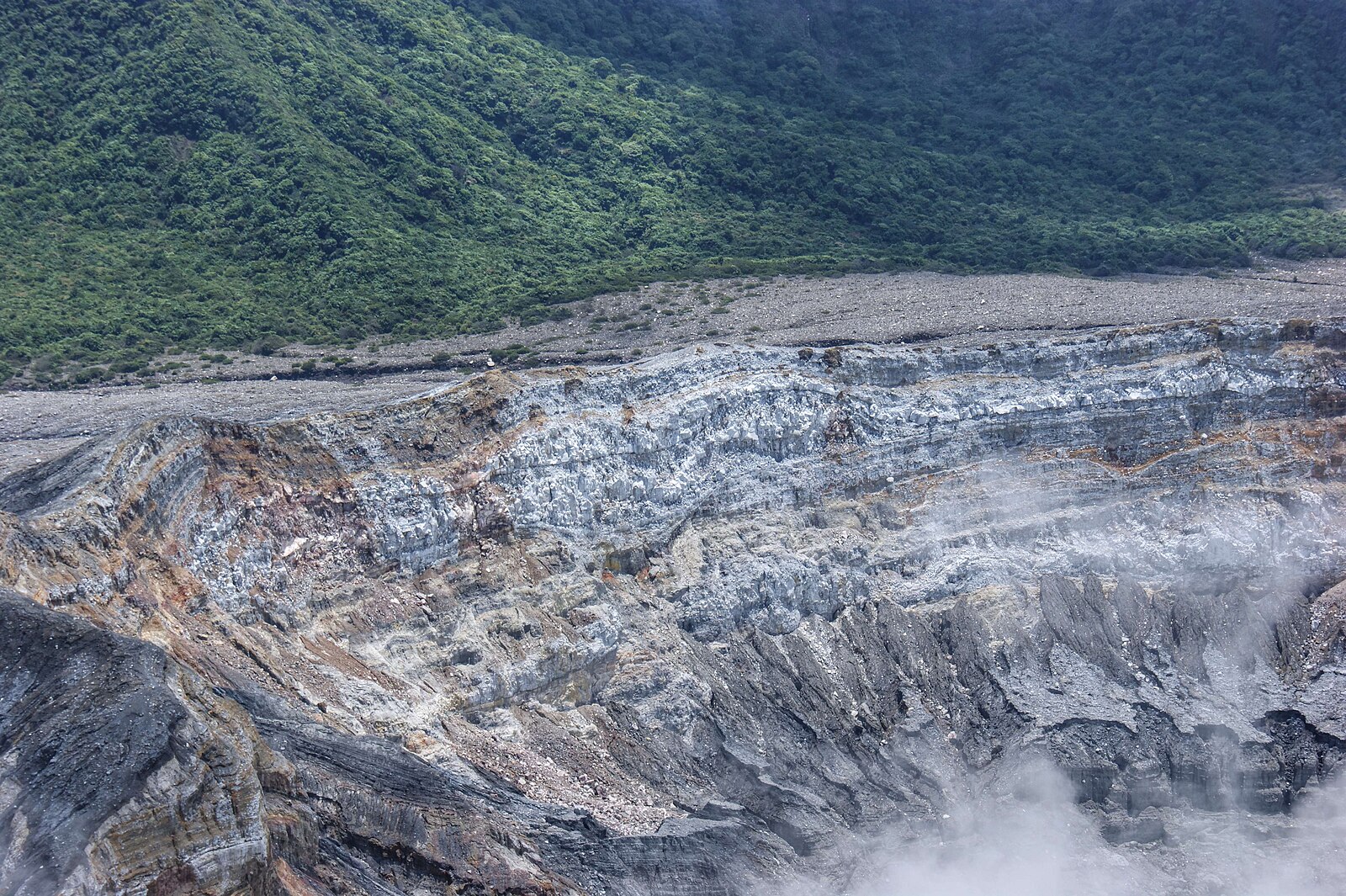
Local transport is cheap on fixed routes and expensive on long private rides. In October 2026, The Tico Times priced an UberX ride from Alajuela to Poás Volcano at ₡10,590 (about US$23). A red licensed taxi booked through the same app cost ₡26,686 (about US$59) for that trip.
Short city rides are modest. The same comparison found a 3-kilometre trip from the National Theatre to the University of Costa Rica at ₡1,890 (about US$4) by UberX and ₡3,655 (about US$8) by red taxi.
National Park Fees and Tickets
More than 25 percent of Costa Rica’s territory is reserved for conservation, according to ICT. Parks are run by the National System of Conservation Areas (SINAC), part of the environment ministry. Non-resident foreigners pay a separate, higher dollar rate than Costa Ricans.
Foreign adults paid US$21 a day to enter Chirripó National Park as of October 2025, Delfino reported. Mountain lodging there cost ₡20,847 (about US$46) and meals ₡22,000 (about US$48). A bill filed by a deputy of the Social Christian Unity Party (PUSC), a centre-right party, would add 50 percent to that fee. It was filed in October 2025 and was then awaiting a committee.
At the smaller Los Quetzales National Park, non-residents over 13 pay US$11.30 including tax, and children aged two to 12 pay US$5.65. Since 1 May 2025, tickets there are sold online only.
Manuel Antonio National Park sells tickets only through SINAC’s online system, SICORE, according to ICT. Visitors show a passport and reservation number at the gate. The park opens from 7 a.m. to 4 p.m., Tuesday to Sunday, so plan around Mondays.
Rules inside parks have tightened. A law in force from 30 April 2026 fines anyone entering closed or restricted sectors three base salaries, ₡1,386,600 (about US$3,040). Guides or operators who take visitors into high-risk zones face ₡4,622,000 (about US$10,100) and loss of equipment. SINAC also warned in March 2026 about a fake website selling park tickets.
Getting Around and Departure Tax
The departure tax of US$29 per person is included in most airline tickets, ICT says. Where it is not, it can be paid in dollars, colones or by card at the airport.
Dollars and major cards are widely accepted and ATMs are found throughout the country. ICT advises changing money only at banks and approved exchange offices, which require an original passport, not a copy. Some ATMs close from 11 p.m. to 5 a.m.
Power outlets are 110 volts with standard US two-prong plugs, so American chargers work without an adapter. ICT recommends official transport only.
Weather affects both prices and roads. On the Pacific side the dry season runs from December to March, April is a transition month, and the rainy season lasts from May to October. The Caribbean has no well-defined dry season, but February to March and September to October are relatively dry, per ICT.
Safety and the State Department Advisory
The State Department rates Costa Rica Level 2, Exercise Increased Caution, in an advisory issued on 2 April 2026. It says petty crime is common across the country and that violent crime, including armed robbery, homicide and sexual assault, also affects tourists.
The practical advice is specific. Do not resist an armed robber, keep valuables out of sight and avoid walking alone in isolated areas at night. Thieves may use electronic jammers to block key fobs, so check that a parked car is actually locked.
Robberies, including armed robberies, have been reported at short-term rentals, the State Department adds, so confirm that a rental has good locks. ICT advises against leaving passports, cards or cash in a car. The emergency number is 911.
What It Means for US Readers
For travellers, the main lesson is to budget in dollars and expect prices closer to a US resort than to the rest of Central America. Book Manuel Antonio and other online-only parks ahead, carry a printed onward ticket and check whether the departure tax is in the fare.
For investors, the strong colón is squeezing the tourism trade. Ayub of the hotel chamber said in March 2026 that the low exchange rate had cost about 22,000 tourism jobs, including about 2,000 in hotels. US arrivals grew only 0.4 percent in 2025, to 1,627,807, per ICT figures reported by La Nación.
For expats and long-stay visitors, the 180-day visa-free stay is generous, but the three-month limit on a foreign licence is not. Anyone planning a longer stay should read up on residence and living costs before committing.
Connected Coverage
- Costa Rica News in English
- Seven Costa Rica National Parks and What Each One Costs
- Costa Rica Ecotourism Explained: Parks, Forest Payments and 2.9 Million Visitors
- Cost of Living in San José, Costa Rica for Expats
- Best Places to Live in Costa Rica for Expats 2026
- Costa Rica Religion and Culture Guide
What Is Not Known
SINAC sells most tickets through its online system, and a full current fee list for every park could not be confirmed from a public primary page. Fees at parks other than Chirripó and Los Quetzales should be checked at booking.
The hotel price averages date from 2023, and no newer ICT breakdown by category was found. It is also unclear whether the Chirripó surcharge bill will pass, and how long the colón will stay this strong.
Frequently Asked Questions
How much does a trip to Costa Rica cost per day?
The average visitor leaves about US$1,892 per trip, roughly US$180 a night over an average 10.3-night stay. In 2023, hotel rooms averaged US$74 a night at one and two stars and US$125 at three stars, before meals, tours and transport.
Do US citizens need a visa for Costa Rica?
No, not for tourist stays of under 180 days. Travellers need a passport valid for the whole stay and a return or onward ticket. The immigration officer decides how many days to grant, and ICT says visitors may be asked to show US$100 for each month of stay.
Is the US$29 departure tax included in my ticket?
Usually yes. ICT says the US$29 departure tax is included in most airline tickets. Where it is not, it can be paid in dollars, colones or by card.
How much are national park entrance fees?
Foreign adults paid US$21 a day for Chirripó as of October 2025 and US$11.30 at Los Quetzales, including tax. Manuel Antonio tickets are sold only online through SINAC’s SICORE system, and Corcovado requires an authorised guide.
Is Costa Rica safe for American tourists?
The State Department rates Costa Rica Level 2, Exercise Increased Caution, in an advisory issued on 2 April 2026. Petty crime is common and violent crime also affects tourists, so keep valuables hidden and avoid isolated areas at night.
When is the best time to visit Costa Rica?
On the Pacific side the dry season runs from December to March, with April a transition month. On the Caribbean coast, February to March and September to October are relatively dry, per ICT.
Sources: US State Department, Costa Rica travel advisory, https://travel.state.gov/content/travel/en/traveladvisories/traveladvisories/costa-rica-travel-advisory.html; US State Department, Costa Rica country information, https://travel.state.gov/content/travel/en/international-travel/International-Travel-Country-Information-Pages/CostaRica.html; ICT entry requirements, https://www.visitcostarica.com/en/costa-rica/planning-your-trip/entry-requirements; ICT FAQs, https://www.visitcostarica.com/faqs; ICT travel tips, https://www.visitcostarica.com/planning-your-trip/tips; ICT climate, https://www.visitcostarica.com/planning-your-trip/climate; ICT national parks, https://www.visitcostarica.com/things-to-do/ecoturism/national-parks; Finance Ministry exchange-rate service (BCCR reference rate), https://api.hacienda.go.cr/indicadores/tc/dolar; La Nación on 2025 arrivals, https://www.nacion.com/economia/visitacion-turistica-en-costa-rica-cierra-2025-con/XWCETNHXI5GZRFGWEE7SEXD62Q/story/; La República on stays and prices, https://www.larepublica.net/supercolon-limita-cantidad-de-noches-de-turistas-en-el-pais/; Teletica on hotel prices, https://www.teletica.com/nacional/hoteles-y-turismo-suben-precios-ante-caida-del-dolar_404848; El Observador on 2023 hotel rates, https://observador.cr/costo-de-alojamiento-en-costa-rica-subio-en-el-2023-y-seguiria-el-mismo-camino-durante-proximo-ano/; Delfino on Chirripó fees, https://delfino.cr/2025/10/diputado-del-pusc-propone-aumento-del-50-a-la-entrada-al-chirripo; Delfino on Los Quetzales tickets, https://delfino.cr/2025/04/entradas-al-parque-nacional-los-quetzales-se-compraran-unicamente-via-web; Delfino on park fines, https://delfino.cr/2026/04/multas-millonarias-por-ingresos-ilegales-a-parques-nacionales-se-aplicaran-a-partir-del-30-de-abril; The Tico Times on ride prices, https://ticotimes.net/2026/10/08/uber-taxi-red-taxi-price-vs-uberx-costa-rica; all accessed 11 October 2026.
This article was produced by The Rio Times’ automated newsroom system. How we use AI · Report an error · Editorial responsibility: Matthias Camenzind, Editor-in-Chief