Costa Rica and the US Move to Deepen Security Cooperation as Immigration Goes Digital
Costa Rica · Security
Key Facts
- —The call On 14 August 2026, US Secretary of State Marco Rubio phoned Costa Rican President Laura Fernandez, not the foreign minister.
- —The message The State Department readout said the two agreed to deepen security cooperation and keep strong trade and investment ties.
- —The caveat The brief readout announced no new agreement, funding package or joint operation, so the details remain open.
- —The leader Fernandez became Costa Rica’s 50th president on 8 May 2026, after winning on a promise to fight organized crime.
- —The digital shift Costa Rica processes immigration cases online through the Tramite Ya platform and is rolling out biometric e-gates at its main airport.
The push follows a phone call, not a signed deal. And it lands just as San Jose switches on biometric gates and files residency cases online.
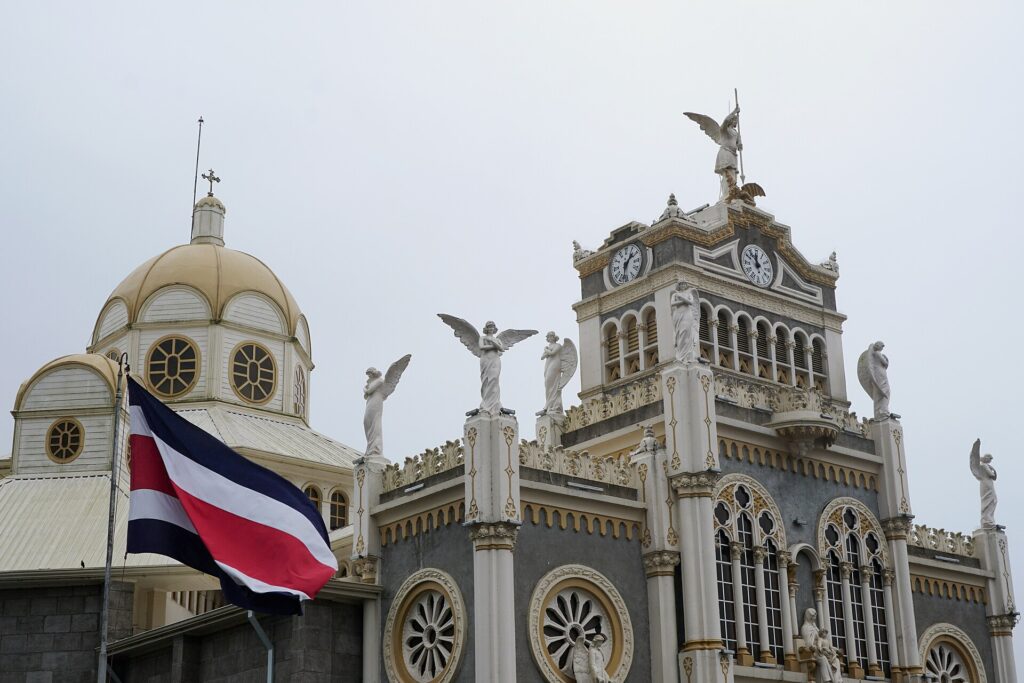
Costa Rica and the United States say they want to deepen their security cooperation. Following a phone call between US Secretary of State Marco Rubio and Costa Rican President Laura Fernandez.
The call took place on 14 August 2026. It reaffirmed a long alliance, but stopped short of any new signed agreement.
What the call between Costa Rica and Rubio actually was
It helps to be precise, because the event is easy to overstate. This was a phone call between Rubio and President Fernandez, not a treaty signing.
It was also with the president, not the foreign minister. So there was no ceremony, no new fund and no fresh joint operation attached to it.
What the State Department said the two sides discussed
The official US readout was short and careful. It said Rubio called to reaffirm the strong partnership between the two countries.
The two then discussed opportunities to deepen security cooperation while keeping a strong trade and investment relationship. Notably, that language stopped there, with no specific programs named.
Who Laura Fernandez is
Fernandez is Costa Rica’s 50th president. She was sworn in on 8 May 2026 for a four-year term that runs to 2030.
She reached office after winning the February 2026 election. Because she campaigned on a promise to wage war on crime, the security theme fits her agenda closely.
The crime backdrop pushing Costa Rica toward Washington
Costa Rica has long marketed itself as Central America’s calm, army-free democracy. Yet in recent years it has struggled with rising homicides tied to drug trafficking.
The country sits on a busy cocaine transit route between South America and the United States. As a result, regional outlets framed the Rubio call around drug trafficking and organized crime.
Even though the official text did not name them.
Costa Rica turns immigration processing digital
Separately, Costa Rica has been moving its immigration paperwork online for several years. The main tool is a platform called Tramite Ya, run by the immigration agency DGME with the state firm RACSA.
The platform lets foreigners open a case, upload documents and pay fees from a browser. Because it runs around the clock, applicants can file at any hour and track progress without visiting an office.
How the digital residency route works
The clearest example is the digital nomad, or remote worker, permit. Applicants must register on the platform first, even if they later finish the process in person.
For in-person steps, they book a slot through the DGME web appointments portal. Once a complete application is filed, the agency has 15 calendar days to issue a written decision.
Biometric e-gates arrive at San Jose airport
The digital push is now reaching the border itself. In July 2026, DGME director Omer Badilla said biometric e-gates at Juan Santamaria International Airport were in final testing.
Aeris, the airport operator, installed two gates in departures and four in arrivals. At first they serve Costa Ricans with biometric passports, before expanding to US and Canadian travelers.
Cutting checks to about 10 to 15 seconds each.
Where the foreign minister fits in
Costa Rica’s foreign minister is Manuel Tovar Rivera, who has led the ministry of foreign affairs since President Laura Fernandez took office on 8 May 2026. His predecessor, Arnoldo Andre Tinoco, held the post under President Rodrigo Chaves. Neither was the official on the 14 August call, which went straight to the president.
Rubio had spoken with Andre, then Costa Rica’s foreign minister, during 2025, so the two governments already had a working channel. Still, the latest contact went straight to the presidential level, which signals its weight.
Why the two threads point the same way
On the surface, a security call and an immigration app have little in common. In fact, both show Costa Rica leaning into closer, more modern ties with Washington.
One thread hardens cooperation against cross-border crime. The other makes it easier and faster for foreigners, many of them American, to live and work in Costa Rica legally.
More: Costa Rica news in English, every day from The Rio Times.
Frequently Asked Questions
Did Costa Rica sign a new security agreement with the US?
No. The 14 August 2026 contact was a phone call between Rubio and President Fernandez. The State Department readout said they agreed to deepen security cooperation but announced no new signed deal.
Did Rubio speak with Costa Rica’s foreign minister?
No. He spoke with President Laura Fernandez. Costa Rica’s current foreign minister is Manuel Tovar Rivera, in office since 8 May 2026; neither he nor former minister Arnoldo Andre Tinoco was on the call. Rubio had spoken with Andre, the then-foreign minister, during 2025.
How is Costa Rica digitalizing immigration?
The DGME immigration agency runs an online platform called Tramite Ya for filing and tracking cases. Costa Rica is also installing biometric e-gates at San Jose’s main airport.
How long does a digital nomad permit decision take?
For the remote worker stay, the agency has 15 calendar days from a complete filing to issue a written decision. With set periods to fix any missing documents.
Connected Coverage
Sources: U.S. Department of State; The Tico Times; Reuters; La Nacion; Visit Costa Rica (DGME).
This article was produced by The Rio Times’ automated newsroom system. How we use AI · Report an error
Read More from The Rio Times