Cost of Living Antigua Guatemala 2026: Rent Above the Local Wage
GUATEMALA · COST OF LIVING
Key Facts
- —What rent costs A one-bedroom in the centre averages about US$877 a month, and US$523 outside it.
- —What people earn The average net salary after tax is about US$622 a month.
- —The catch Central rent is roughly 41% higher than the average local wage, before any other bill.
- —What food costs A meal at an inexpensive restaurant is about US$6.81, against US$38.75 in Nassau.
- —What bills cost Basic utilities run about US$58 a month, with broadband at roughly US$45.
- —What comes next The figures rest on 30 contributors over 18 months, so treat them as indicative.
Cost of living Antigua Guatemala reads cheap on food and expensive on housing. The two numbers describe different economies.
Where This Fits
Cost of living Antigua Guatemala is one of the most searched questions about Central America. It is also one of the most misleading to answer with a single number.
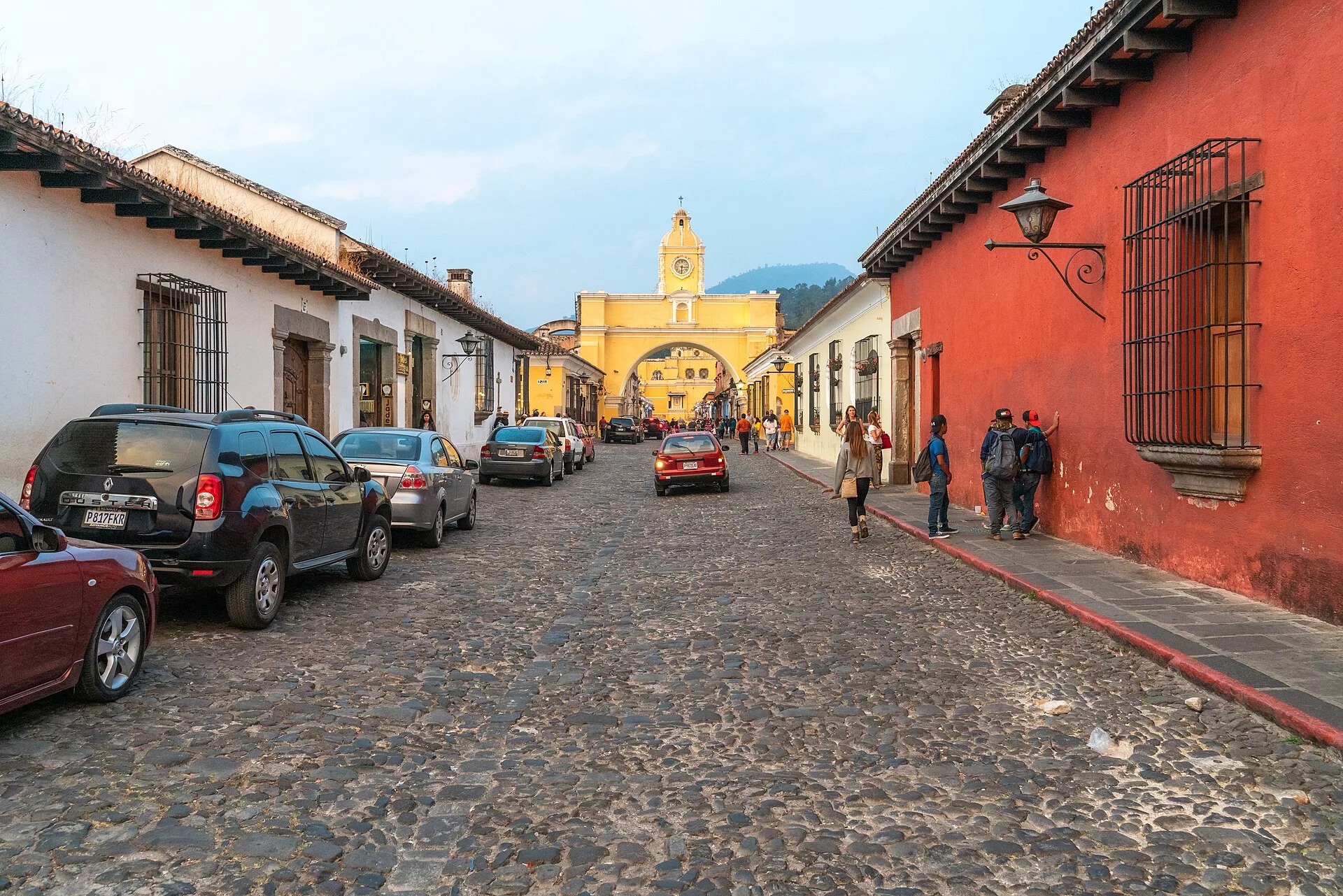
Antigua is a small colonial town, not a capital. Its prices do not behave like a small town’s prices.
Food and bills sit at Guatemalan levels. Housing sits at a level set by people who are not paid in Guatemala.
This piece separates the two, because budgeting on an average of them produces the wrong answer.
What a Flat Costs
A one-bedroom apartment in the centre averages 6,699.84 quetzales a month. That is about US$877.
All conversions here use a rate of 7.64 to the dollar, published by open.er-api.com on 18 September 2026. Quetzal prices move against the dollar, so the equivalents drift.
Outside the centre the same flat averages 3,995.03 quetzales, about US$523. That is a discount of roughly 40% for a short walk.
A three-bedroom in the centre averages 14,501.20 quetzales, or about US$1,898. Family housing inside the grid is priced like a capital city.
For comparison, a central one-bedroom in Medellín or Mexico City sits below the Antigua figure. Antigua has a population under 50,000.
The premium is not mysterious. A UNESCO-listed colonial centre with a fixed building stock and steady foreign demand produces exactly this pattern.
The Gap Between Rent and Wages
The average monthly net salary in Antigua is 4,750.00 quetzales, about US$622. That figure is the one that reframes everything above.
A central one-bedroom costs more than the average worker earns after tax. The gap is roughly 41%, before utilities, food or transport.
This is the structural fact behind the town’s housing market. Central rents are not set by local wages, and they have not been for some time.
For a foreign resident the practical consequence is straightforward. You are competing in a market priced in dollars while shopping in one priced in quetzales.
It also explains why the outside-centre discount is so large. The two markets barely overlap, and the boundary between them is a few streets wide.
The same gap shows up in what residents can absorb. A local household on the average wage cannot outbid a foreign budget for a central flat.
That is not a judgement about anyone. It is the arithmetic that decides who lives inside the grid and who lives beyond it.
Food, Bills and Getting Around
Daily costs are where Antigua looks genuinely inexpensive. A meal at an inexpensive restaurant averages 52 quetzales, about US$6.81.
A mid-range dinner for two runs around 400 quetzales, roughly US$52. Groceries follow the same pattern.
Milk is about 15.62 quetzales a litre, around US$2.04. A dozen eggs run 18.20 quetzales, close to US$2.38.
Chicken fillet is about 32.63 quetzales a pound, near US$4.27. These are ordinary Central American grocery prices.
Basic utilities for a standard apartment come to about 440.02 quetzales, roughly US$58 a month. Broadband adds around 347.51 quetzales, close to US$45.
A mobile plan averages 223.15 quetzales, about US$29. Local transport is 20 quetzales a trip, roughly US$2.62.
Petrol runs about 9.23 quetzales a litre, near US$1.21. For a town this compact, fuel is a small line in most budgets.
Put together, a single person outside the centre can cover bills, food and transport well below what the flat costs. Housing is the decision that sets the budget.
Buying Rather Than Renting
Purchase prices show the same split as rents, only wider. Property in the centre averages 2,141.68 quetzales per square foot, about US$280.
Outside the centre the average falls to 856.67 quetzales per square foot, roughly US$112. That is a gap of about two and a half times.
The centre is a conservation area with a finite number of buildings. Supply there cannot respond to demand in the ordinary way.
That is worth knowing before treating central Antigua property as a yield play. The scarcity that supports the price also limits what can be done with the asset.
Anyone buying should check the heritage rules attached to a specific property. They govern what may be altered and are not uniform across the grid.
How Reliable These Numbers Are
The figures here come from crowd-sourced price reporting rather than official statistics. That is the only continuous source for a town this size.
The Antigua entry rests on 30 different contributors over 18 months. Some individual line items are estimated rather than directly reported.
That is a thin base by the standards of a capital city. It is normal for a small town and it argues for treating the numbers as a range.
The rent figures are the ones to verify locally before committing. They are also the ones that move most between seasons.
Food and utility figures are more stable. They are unlikely to be wrong by enough to change a decision.
The salary figure deserves the same caution. It is an average across a small sample, and it is reported rather than drawn from a payroll survey.
What We Could Not Price
Three things are not stated here because no reliable source covered them.
The first is short-term and furnished rent, which is a large part of the local market. The averages above describe unfurnished long lets.
The second is health cover, which varies by provider and age and has no published average for the town. The third is the seasonal swing in rents around the main festivals.
Each of those can move a monthly budget by a wide margin. None of them is guessed at here.
What Cost of Living Antigua Guatemala Comes Down To
Two budgets exist in the same town, and which one you live in is decided by rent. Everything else is broadly Guatemalan.
A single person renting outside the centre, cooking at home and using local transport can live modestly. The dominant cost is still the flat.
A single person renting in the centre is paying more for housing than an average local household earns in total. That is the number to plan around.
The practical route is to treat the centre as a premium choice rather than a default. The discount for moving a few streets out is the largest saving available.
Read cost of living Antigua Guatemala as two questions. What does daily life cost, and what does an address cost, because the answers are not close.
Connected Coverage
- Cost of Living in Guatemala City for Expats in 2026: Zones, Rent and Real Budgets
- Taxes in Guatemala for Expats: A Territorial System Explained
- Safety in Guatemala 2026: Where the Violence Is, and Where Foreigners Live
More: Latin America news in English, every day from The Rio Times.
Frequently Asked Questions
What does rent cost in Antigua Guatemala?
A one-bedroom in the centre averages about US$877 a month, and about US$523 outside the centre.
How does rent compare with local wages?
The average net salary is about US$622 a month, so central rent runs roughly 41% above the average local wage.
What do food and bills cost?
A meal at an inexpensive restaurant is about US$6.81. Basic utilities run about US$58 a month, with broadband at roughly US$45.
How reliable are these figures?
They rest on 30 contributors over 18 months, so they are indicative rather than precise.
This article was produced by The Rio Times’ automated newsroom system. How we use AI · Report an error · Editorial responsibility: Matthias Camenzind, Editor-in-Chief
The Antigua Guatemala Guide
What The Rio Times publishes for foreigners in Antigua Guatemala, Guatemala.
Understand Guatemala