Safety in Guatemala 2026: Where the Violence Is, and Where Foreigners Live
GUATEMALA · EXPAT GUIDE
Key Facts
- —The trend 3,139 killings in 2025, up 9.4 percent. The first seven months of 2026 are down 6.2 percent.
- —The rate 17.2 for every 100,000 people in 2025. Sololá, on the lake, records 4.1.
- —The concentration Half of all killings happen in fourteen municipalities. The capital alone had 608.
- —The real problem Extortion complaints reached 26,082 in 2025. Sacatepequez ranks second in the country.
- —The advisory The United States moved to its third of four levels in March 2026.
- —The catch Tourists are rarely victims of violent crime. They are robbed on the roads between the sights.
Half of all killings in the country happen in fourteen municipalities. Almost none of them are the places foreigners choose to live, which makes the usual advice close to useless.
Guatemala recorded 3,139 killings in 2025, a rate of 17.2 for every 100,000 people. That was a rise of 9.4 percent on the year before.
The direction has since reversed. Between January and July 2026 there were 1,752 killings against 1,868 in the same months of 2025, a fall of 6.2 percent.
Two years earlier the count was 2,942. So the country is running roughly where it was, after a bad 2025.
The Concentration Is the Story
Violence in Guatemala is not spread evenly. Half of all killings in 2025 happened in just fourteen municipalities.
Guatemala City recorded 608, nearly a fifth of the national total. Villa Nueva had 208 and Mixco 141.
Two departments, Guatemala and Escuintla, accounted for more than 57 percent between them. The rest of the country is a different place statistically.
Departmental rates to July 2026 show the spread. Escuintla stood at 41.8 and Chiquimula at 34.2, while Totonicapan recorded 0.6.
Where Foreigners Actually Live
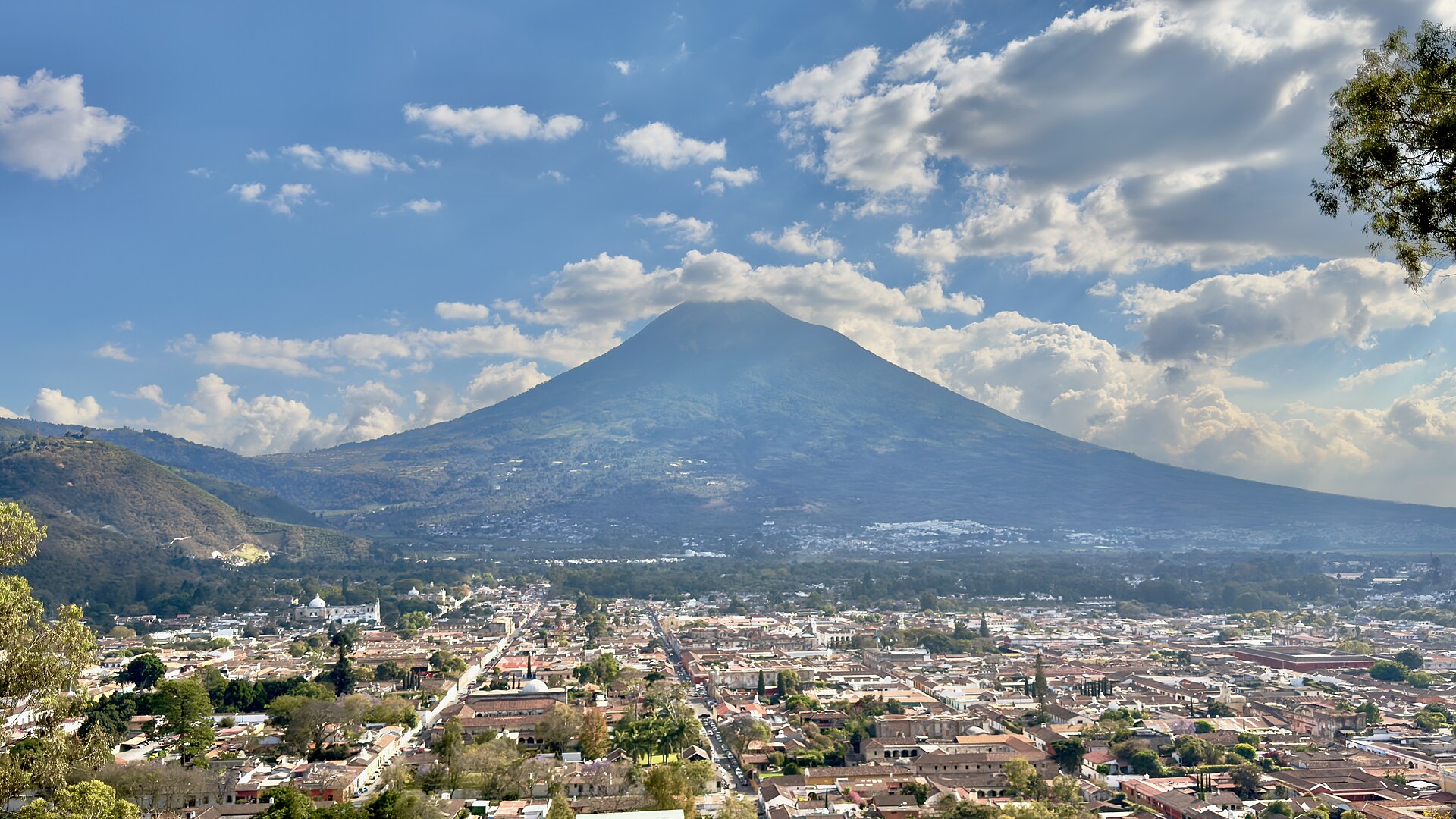
This is where standard advice on Guatemala falls apart. Solola, the department containing Lake Atitlan, records 4.1 killings per 100,000.
Quetzaltenango records 6.7 and Sacatepequez, the department containing Antigua, records 11.4. All three are below many North American cities.
Peten, which contains Flores and Tikal, is the outlier among visitor destinations at 28.6. That is a working frontier department, not a tourist bubble.
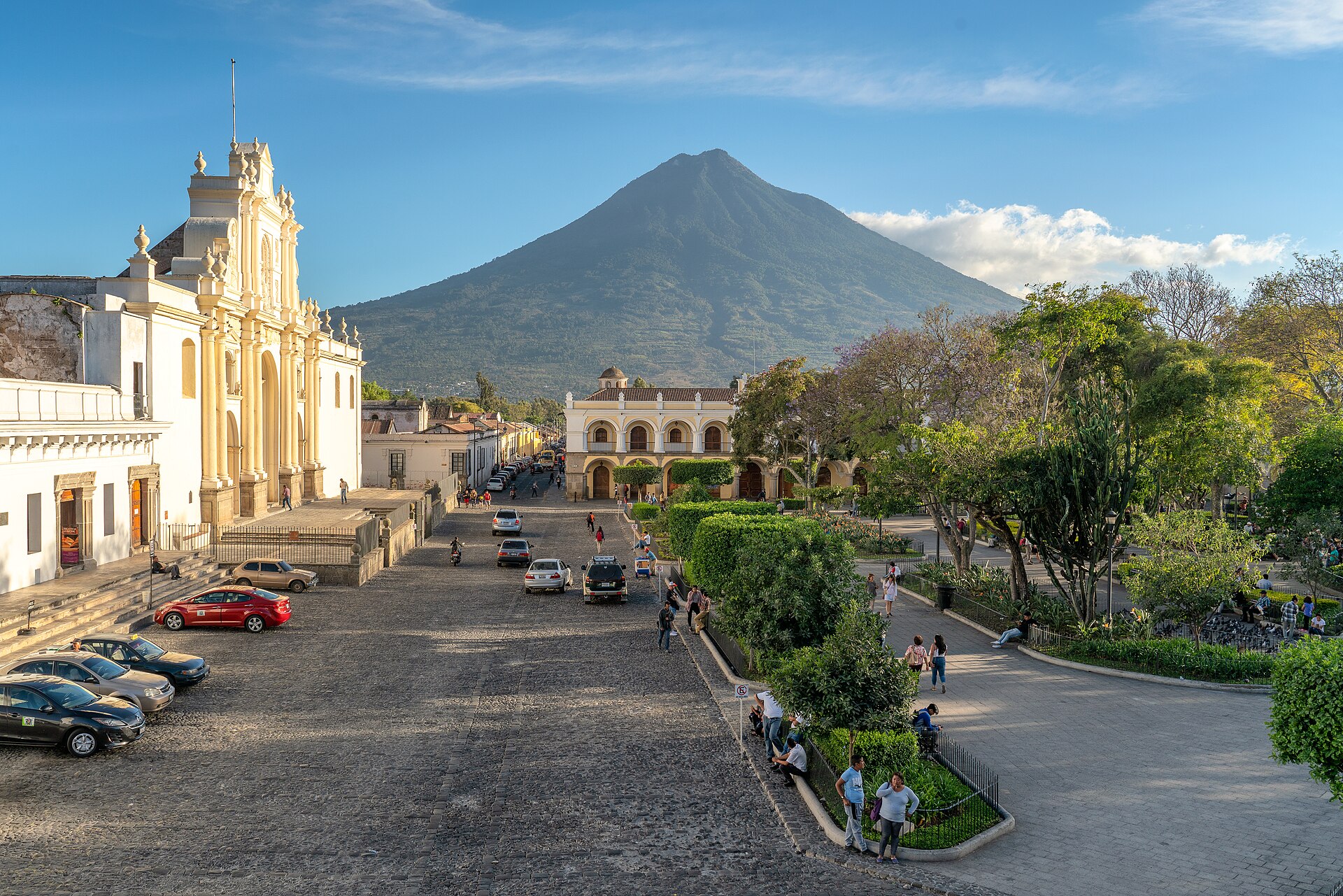
But the low murder rates hide the real local problem. Sacatepequez has the second highest extortion rate in the country, behind only the capital.
Extortion Is the Defining Crime
Complaints of extortion reached 23,481 in 2024 and 26,082 in 2025. In the first seven months of 2026 there were 10,072.
The annual rate has fallen sharply, by 27 percent. That is a far steeper drop than the fall in killings.
This crime does not respect neighbourhood boundaries. It hits shopkeepers, bus drivers and small businesses, which means anyone running a business as a foreigner is exposed.
Nobody publishes a credible total for the money involved. Treat any figure you read as an estimate with no source behind it.
What the Governments Say
The United States advisory sits at level three of four, reissued in March 2026. Four areas carry the highest warning.
Those are the departments of San Marcos and Huehuetenango, Zone 18 of the capital, and the city of Villa Nueva. All four are named for cartel and gang activity.
Britain advises against all but essential travel within five kilometres of the Mexican border. That strip runs from the Pacific coast up to the Gracias a Dios crossing.
It also names three towns in Huehuetenango. The rest of Guatemala carries no British travel restriction.
Canada advises against non-essential travel to seven zones of the capital, including zones 1, 3, 18 and 21. It updated that advice on 9 September 2026.
The Risk to Foreigners
The clearest official statement comes from the United States. Tourists are not usually the targets of violent crime, but they are targeted for petty crime and theft.
The roads between the sights are the exception. Britain records armed robberies on most routes linking Guatemala City, Antigua, Tikal and Lake Atitlan.
Express kidnapping is described as common by the British advisory. These are short abductions to empty a victim’s bank card, not ransom cases.
Carjacking and armed robbery are also described as common. Canada warns that criminals impersonate police officers to rob at gunpoint.
No official figure exists for foreign victims. Anyone quoting one has made it up.
Volcanoes, Buses and Water
Do not climb a volcano without a qualified local guide. The United States is explicit that robberies happen on trails and that help is hard to reach.
Fuego has been erupting continuously for more than twenty years. In late August 2026 it was producing between two and ten explosions an hour.
Ash fell on communities up to twelve kilometres away. It is the most active volcano in Guatemala and the closest to Antigua.
Official tours on Fuego are prohibited and some operators run them anyway. Check what you are actually booking.
Avoid the repainted school buses used for public transport. Both Britain and the United States warn against them, and American officials are barred from using them.
Lake Atitlan has a recurring problem with cyanobacteria blooms. A traffic-light monitoring system exists, so check the current reading before swimming.
Tap water is not drinkable anywhere in Guatemala. Altitude matters in the highland cities for anyone with heart or lung conditions.
Numbers and Practical Rules
Police are on 110 and ambulances on 122 or 123. The tourist assistance service ASISTUR answers on 1500 from a local phone.
From abroad the number is +502 2290 2810, and there is a message line on +502 5188 1819. The call centre works in Spanish and English.
There is no scheduled convoy system, whatever you may read. What exists is a security escort you can request if your group feels unsafe.
Use booked transport rather than street taxis. The airport has an approved rank, and the ride-hailing apps work in the capital.
What Changed
The security picture shifted sharply at the start of 2026. Coordinated prison riots and gang attacks on police followed a mass escape in October 2025 that cost the interior minister his job.
In January 2026 the president declared a month-long state of emergency. Around 3,300 people were arrested in the weeks that followed.
It expired in February and was replaced by a shorter measure requiring warrants again. Soldiers remained visible in the capital into the spring.
The other change matters more in the long run. In May 2026 a new attorney general replaced a predecessor sanctioned by more than forty countries.
For the first time in eight years the prosecution service is not at war with the presidency. Whether that reaches street-level policing is the open question.
More: Latin America news in English, every day from The Rio Times.
Frequently Asked Questions
Is Guatemala safe for expats in 2026?
The national rate is 17.2 per 100,000, but the departments where foreigners live record between 4.1 and 11.4. Killings fell 6.2 percent in the first seven months.
Which areas carry the highest warnings?
San Marcos and Huehuetenango departments, Zone 18 of the capital, and Villa Nueva. Canada adds six more capital zones.
Are tourists targeted?
Rarely for violent crime. They are robbed, and armed robberies are recorded on most routes between the main destinations.
What is the biggest crime problem?
Extortion. There were 26,082 complaints in 2025, and Sacatepequez has the second highest rate in the country.
Who do I call in an emergency?
Police on 110 and ambulances on 122 or 123. The tourist assistance line is 1500, answered in Spanish and English.
Sources: Policia Nacional Civil via Dialogos, Ministerio Publico, US State Department, UK Foreign Office, Global Affairs Canada, Smithsonian Global Volcanism Program, InSight Crime.
This article was produced by The Rio Times’ automated newsroom system. How we use AI · Report an error
Read More from The Rio Times